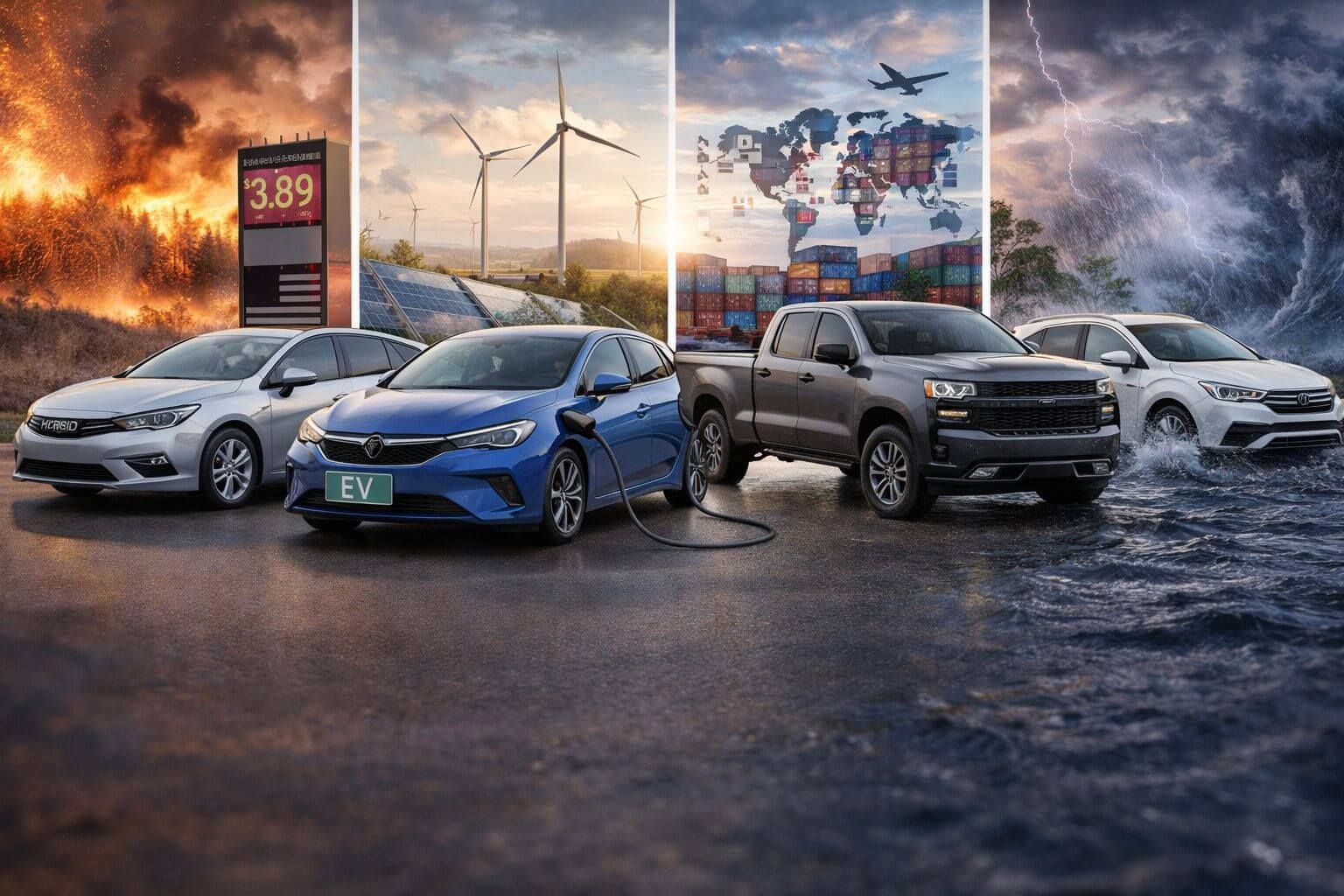
Global events are changing the car market in ways buyers can feel almost immediately. A war that disrupts oil flows, a shipping bottleneck that delays parts, a tariff that raises import costs, or an energy shock that pushes up fuel prices may seem far removed from the average driver at first. But those forces quickly show up where it matters most: monthly fuel spending, dealer inventory, model pricing, repair costs, and the kinds of vehicles people suddenly start wanting.
That is why car-buying behavior in 2026 is being shaped by more than personal taste or technology trends. Buyers are responding to a changing world.
What people want to drive is no longer determined only by horsepower, styling, or brand loyalty. It is increasingly shaped by affordability, fuel efficiency, ownership risk, and how resilient a vehicle feels in uncertain conditions. In many cases, global events are not just influencing the car market. They are redefining what buyers now consider practical.
Before comparing any vehicle seriously, it helps to start with a VIN check and a car value by VIN. In a market affected by volatility, those two steps can help you separate a smart purchase from a reaction to temporary hype.
Why Global Events Now Matter More in the Car Market
Modern vehicles are tied to global systems. Fuel markets, semiconductors, battery minerals, shipping routes, trade policy, and geopolitical stability all affect what gets built, how much it costs, and which vehicles buyers see as worth owning.
Why car demand has become more reactive
Fuel prices now change buying behavior faster
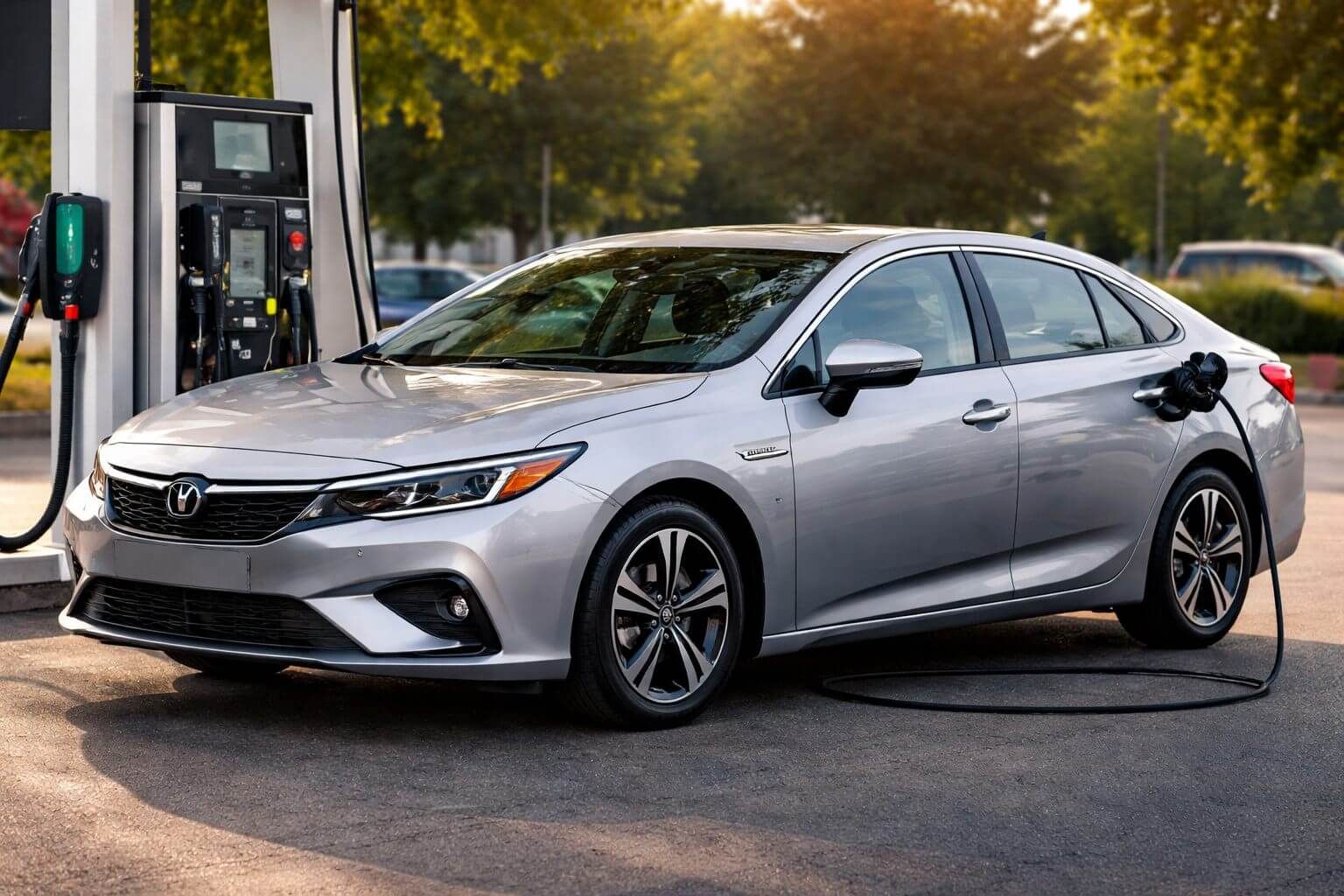
When gasoline prices spike, demand often shifts almost immediately toward vehicles that promise better fuel economy. Buyers start comparing hybrids, EVs, smaller crossovers, and efficient sedans more seriously than they did when fuel was cheaper.
Supply chain disruption changes what buyers can actually find
A vehicle can be popular in theory and still hard to buy in practice if parts shortages, factory slowdowns, or shipping delays reduce supply.
Uncertainty makes buyers more cautious
In a volatile environment, people often stop shopping only for excitement and start shopping for resilience. They want lower operating costs, dependable availability, and fewer ownership surprises.
Rising Fuel Prices Are Changing What Looks Practical
Fuel prices have always affected vehicle demand, but recent global disruptions have made that relationship more visible again.
When fuel gets expensive, buyers start rethinking what matters. A large SUV or truck may still appeal emotionally, but the monthly cost becomes harder to ignore. That is when more efficient vehicles begin to look less like compromises and more like smart financial decisions.
What buyers tend to do when fuel prices rise
Shift toward hybrids
Hybrids often benefit quickly because they offer better mileage without requiring buyers to change how they refuel or plan long trips.
Take used EVs more seriously
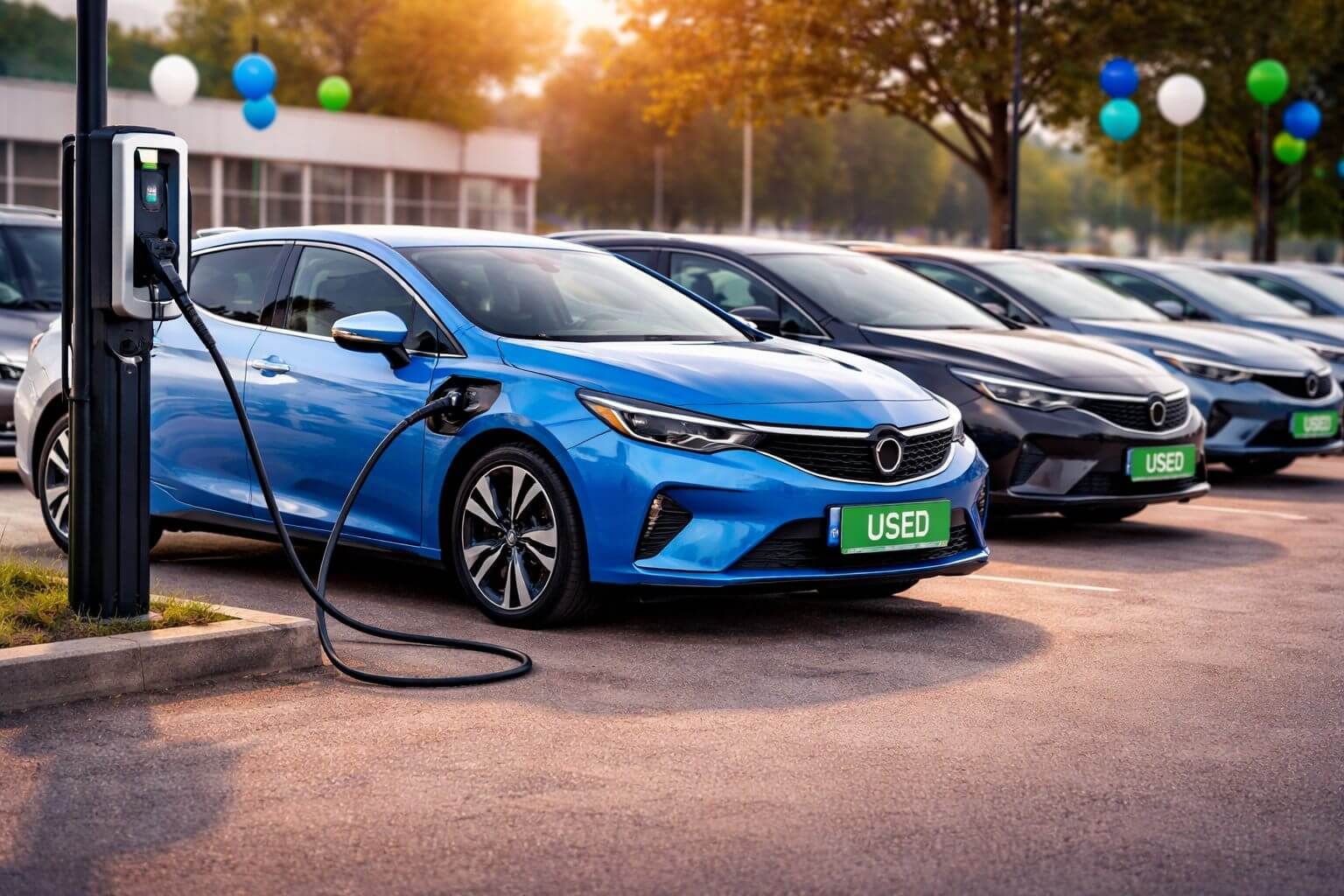
When fuel spending rises, used EVs can look more attractive as a lower-cost entry point into electrification.
Reconsider smaller vehicles
Compact SUVs, hatchbacks, and efficient sedans often gain attention when buyers become more cost-conscious.
Hold onto efficient vehicles longer
Owners of fuel-efficient vehicles may delay selling because those models become more valuable in high-fuel-cost periods.
Supply Chains Are Quietly Reshaping Preferences Too
Not every change in buyer preference starts with fuel. Sometimes it starts with what is available.
If supply chains remain unstable, automakers may cut lower-volume trims, delay launches, or simplify model lineups. Buyers then adapt to what they can actually find, not just what they originally wanted.
How supply chain instability changes demand
Buyers become more flexible about brand and trim
When the ideal configuration is hard to find, shoppers start prioritizing availability and value over exact specifications.
Vehicles with stronger local supply gain appeal
Models that are easier to source, easier to repair, and easier to insure often become more attractive in uncertain periods.
Reliability and parts support matter more
A vehicle’s long-term serviceability becomes a bigger factor when parts or imported components may be harder to get.
In the middle of that process, reviewing a car’s broader vehicle history becomes even more important because fast-moving markets can pressure buyers into skipping basic checks.
Global Tension Is Pushing Buyers Toward “Safer” Ownership Choices
Global shocks do not just change the market. They change buyer psychology.
In more stable times, buyers often stretch toward aspirational choices. In uncertain times, they tend to move toward vehicles that feel safer financially and easier to live with day to day.
What “safer” means to buyers in 2026
Better fuel economy
Drivers want protection from the next fuel spike, not just relief from today’s one.
Lower ownership complexity
Vehicles that are simpler to maintain, easy to insure, and widely supported often feel like the smarter move.
Stronger resale confidence
Buyers increasingly care about whether the car will still be desirable if market conditions worsen.
Less exposure to repair surprises
When parts and labor costs are unpredictable, a vehicle with fewer known weak points becomes more appealing.
This is one reason hybrids, practical crossovers, and well-supported used EVs are gaining ground. They fit the current mood of the market.
Trade Tension and Industrial Policy Are Also Changing Demand
Global events are not limited to wars and fuel shocks. Tariffs, rules of origin, battery sourcing rules, and industrial policy are also affecting what buyers want to drive.
If imported vehicles become more expensive, if certain electrified models lose incentives, or if supply-chain rules make some trims harder to justify, consumer demand shifts with them.
What policy pressure can do to buyer behavior
Push buyers toward domestically available models
Buyers often choose the path of least friction when prices and supply become unstable.
Strengthen demand for late-model used cars
If new-car pricing becomes harder to justify, used vehicles gain appeal.
Raise interest in mainstream, efficient vehicles over niche options
In a tight market, shoppers often choose what is practical, repairable, and competitively priced instead of what is rare.
Why Used-Car Demand Responds So Quickly
The used market often absorbs the pressure first.
When global disruptions make new vehicles more expensive, harder to find, or less predictable to own, many shoppers move into the used market. That shift changes what people want to drive just as much as any new-model launch does.
What used buyers tend to want during volatile periods
- fuel-efficient vehicles with strong resale value
- practical hybrids with lower operating costs
- used EVs with realistic range and remaining warranty coverage
- mainstream models with strong parts availability
- vehicles with clean titles and low ownership risk
That is why buyers should not assume a rising-demand used vehicle is automatically a good buy. In a fast-moving market, demand can push prices up quickly. A free title check by VIN can help keep urgency from turning into a bad decision.
The Biggest Consumer Shift: From Aspiration to Practicality
The broader theme behind all of this is simple.
Global events are pushing more buyers to think practically.
People still care about styling, performance, and technology. But in 2026, those things are being filtered through a more serious set of questions:
- How much will this cost me to run?
- Will I still be comfortable owning it if fuel spikes again?
- Can I get parts and service easily?
- Is this vehicle likely to hold its value?
- Does this choice make sense if the market stays volatile?
Those questions favor vehicles that offer flexibility, efficiency, and predictability. That is a major reason hybrids are rising, used EVs are becoming more relevant, and practical crossovers keep outperforming more emotional choices.
What Buyers Should Watch Next
If global volatility persists, buyers should expect more movement in preferences rather than less.
Trends to watch closely
Stronger demand for efficient vehicles
Hybrids, practical EVs, and fuel-efficient gasoline vehicles may continue gaining share.
Greater attention to total ownership cost
Buyers are likely to focus more on fuel, insurance, maintenance, and resale value together instead of just sticker price.
Tighter competition for the “safe middle” of the market
Well-priced, efficient, late-model used vehicles may become even more competitive.
More cautious shopping behavior
Buyers may take longer to commit, compare more options, and ask harder questions before choosing a vehicle.
In the final stage of comparison, a free CARFAX report alternative can help you screen for accident history, title issues, and ownership changes before you let a trend-driven decision turn into a costly mistake.
Frequently Asked Questions
Why are global events affecting car-buying choices more now?
Because modern car ownership is tied closely to fuel prices, supply chains, trade policy, and production costs. When those systems are disrupted, buyers quickly feel the impact.
What kinds of vehicles benefit most when fuel prices rise?
Hybrids, used EVs, efficient sedans, and smaller crossovers often gain attention when buyers become more focused on fuel costs.
Do supply chain problems really affect what people want to drive?
Yes. If certain vehicles or trims become harder to find or more expensive to repair, buyers often shift toward models that feel easier to buy and own.
Why is practicality becoming more important than hype?
Because uncertainty makes buyers more cautious. In a volatile market, lower running costs, easier maintenance, and stronger resale confidence often matter more than novelty.
Final Thoughts
How global events are changing what people want to drive comes down to one word: practicality.
Fuel shocks, supply-chain strain, trade tension, and geopolitical instability are pushing buyers to think harder about cost, availability, and long-term ownership risk. That is changing demand in real time. Vehicles that once felt like secondary options now look like smarter choices because they better match what today’s buyers need most.
The strongest buyers in this market are not just chasing trends. They are learning why the trends are changing, and then using that information to choose vehicles that still make sense when the world does not feel stable.
Author
Graham Sutton
Graham Sutton is an automotive information writer covering VIN lookup tools, title status research, vehicle condition history, and resale-value risk factors. He creates detailed guides that help readers compare listings more effectively, identify hidden problems, and use vehicle history data to make safer buying decisions. His work is especially useful for shoppers who want a clearer picture of a vehicle before negotiating price.