Hybrids are making a strong comeback in 2026, and the reason is simple: they feel practical again.
For several years, much of the automotive conversation focused on full battery electric vehicles. EVs were positioned as the future, and in many ways they still are. But for everyday buyers, the decision is no longer driven by hype alone. More shoppers are asking what actually works best for their budget, commute, fueling habits, and long-term ownership costs.
For many of them, the answer is now the hybrid.
Instead of choosing between a traditional gasoline car and a full EV, buyers are increasingly drawn to a middle-ground option that offers real fuel savings without requiring a major lifestyle adjustment. That is a big reason hybrids are winning back buyers in 2026.
Before comparing listings seriously, it helps to start with a vehicle history review so you are looking at the actual car, not just the seller’s summary.
Why the market is shifting back toward hybrids
The biggest change is not that buyers stopped caring about efficiency. It is that they are becoming more selective about how they want to achieve it.
A full EV can make perfect sense for some households, especially those with reliable home charging, short predictable commutes, and easy access to fast-charging infrastructure. But for many other buyers, that setup still does not feel simple enough.
Hybrids solve that problem by offering better fuel economy without asking drivers to change how they refuel, road trip, or plan daily use.
What is driving the shift
Fuel savings still matter
When fuel prices rise, shoppers start looking harder at vehicles that can cut monthly operating costs. Hybrids give buyers a way to improve fuel economy immediately without going fully electric.
Charging remains a practical barrier for some buyers
Not every driver has access to a garage, a home charger, or dependable public charging nearby. Renters, apartment dwellers, and people who drive long highway routes often want an easier option.
Buyers want less risk in uncertain markets
Affordability remains a major concern in 2026. Many households want lower running costs, but they also want lower complexity, more predictable ownership, and a price point that feels less aggressive than some EV models.
Why hybrids feel easier to live with
The hybrid comeback is not just about gas prices. It is about convenience.
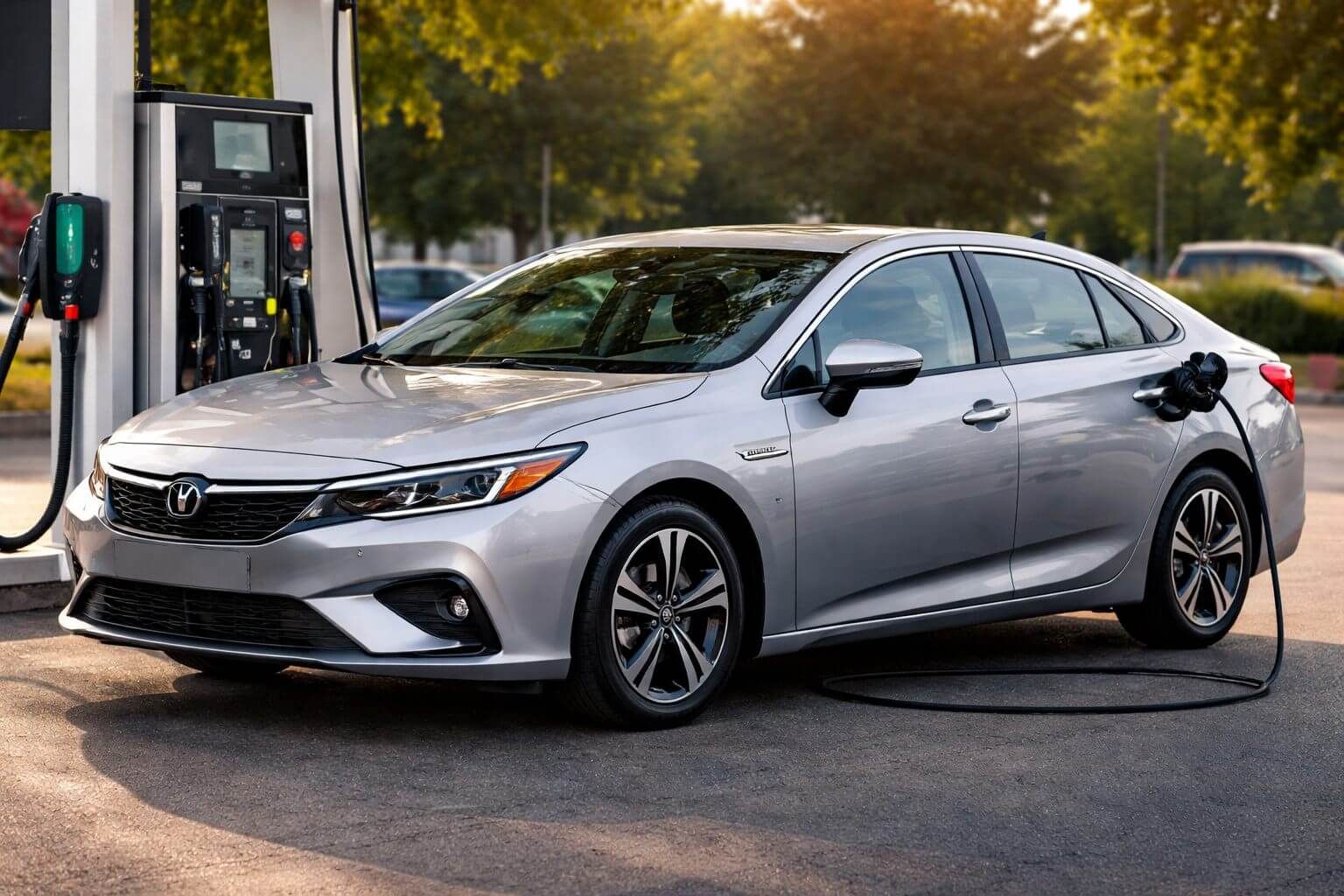
A hybrid still uses gasoline, so drivers do not have to rethink how they travel long distances, where they park, or whether charging stations will be available when they need them. At the same time, the electric motor improves efficiency, especially in city driving and stop-and-go traffic.
That balance makes hybrids appealing to mainstream buyers who want savings without friction.
Key advantages hybrids offer in 2026
Better fuel economy without new habits
A hybrid helps reduce trips to the gas station, but the driver still fuels up the same way they always have.
Lower ownership friction than a full EV for many households
There is no need to build your routine around charging availability if your lifestyle does not support it.
Strong fit for mixed driving conditions
Hybrids tend to perform especially well in urban and suburban driving, where regenerative braking and electric assist improve efficiency.
Growing availability across more vehicle types
Hybrids are no longer limited to a few compact models. Buyers can now find them in sedans, hatchbacks, SUVs, crossovers, and even some trucks.
Why full EV momentum has cooled for some shoppers
This is not really an anti-EV story. It is a reality-check story.
The EV market is still important, but not every buyer is ready for full electrification yet. Some drivers remain unsure about charging convenience, battery replacement concerns, higher upfront pricing, or whether current infrastructure fits their daily life.
As the market matures, buyers are becoming more practical. Instead of buying into one technology because it feels like the future, they are choosing the one that creates the fewest trade-offs right now.
That shift benefits hybrids.
Why hybrids benefit when EV demand becomes more selective
They offer a familiar ownership experience
Hybrids do not ask buyers to relearn their driving routine.
They lower fuel costs without requiring full commitment
For many shoppers, that feels like a safer move than going directly from gasoline to fully electric.
They reduce range and charging anxiety
Drivers who like the idea of electrification but dislike planning around battery range often feel more comfortable with a hybrid.
Total cost of ownership is part of the comeback
One reason hybrids are winning back buyers in 2026 is that the ownership math often feels easier to justify.
Shoppers are not only thinking about the purchase price. They are also looking at fuel savings, insurance, maintenance, repair access, and long-term confidence.
Why hybrids often feel financially safer
Purchase prices can be easier to accept
In many segments, hybrids still feel more attainable than comparable EVs, especially for buyers who do not qualify for incentives or who are shopping carefully by monthly budget.
Fuel savings are immediate and easy to understand
A buyer does not need to estimate charging habits or electricity rates to see the value. They simply spend less on gasoline over time.
Repair and service feel more familiar
Hybrid systems are now common enough that buyers often feel more comfortable about long-term ownership than they did a decade ago.
Stronger confidence in mainstream use
Many hybrid buyers see the technology as proven, reliable, and easy to integrate into everyday life.
Plug-in hybrids are also benefiting from the same trend
Plug-in hybrids sit between a regular hybrid and a full EV, and that makes them attractive to certain buyers in 2026.
A plug-in hybrid can handle short daily trips on electricity alone while still offering the flexibility of gasoline for longer drives. For shoppers who can charge at home sometimes but do not want to depend on charging all the time, that mix can be appealing.
Why plug-in hybrids appeal to practical buyers
Electric driving for local use
Short commutes, school runs, and errands may be covered mostly on battery power.
Gasoline backup for longer trips
Drivers do not need to stop and rethink road trips around public charging access.
Lower commitment than a full EV
For many buyers, a plug-in hybrid feels like a lower-risk step into electrified driving.
What this means for used-car buyers
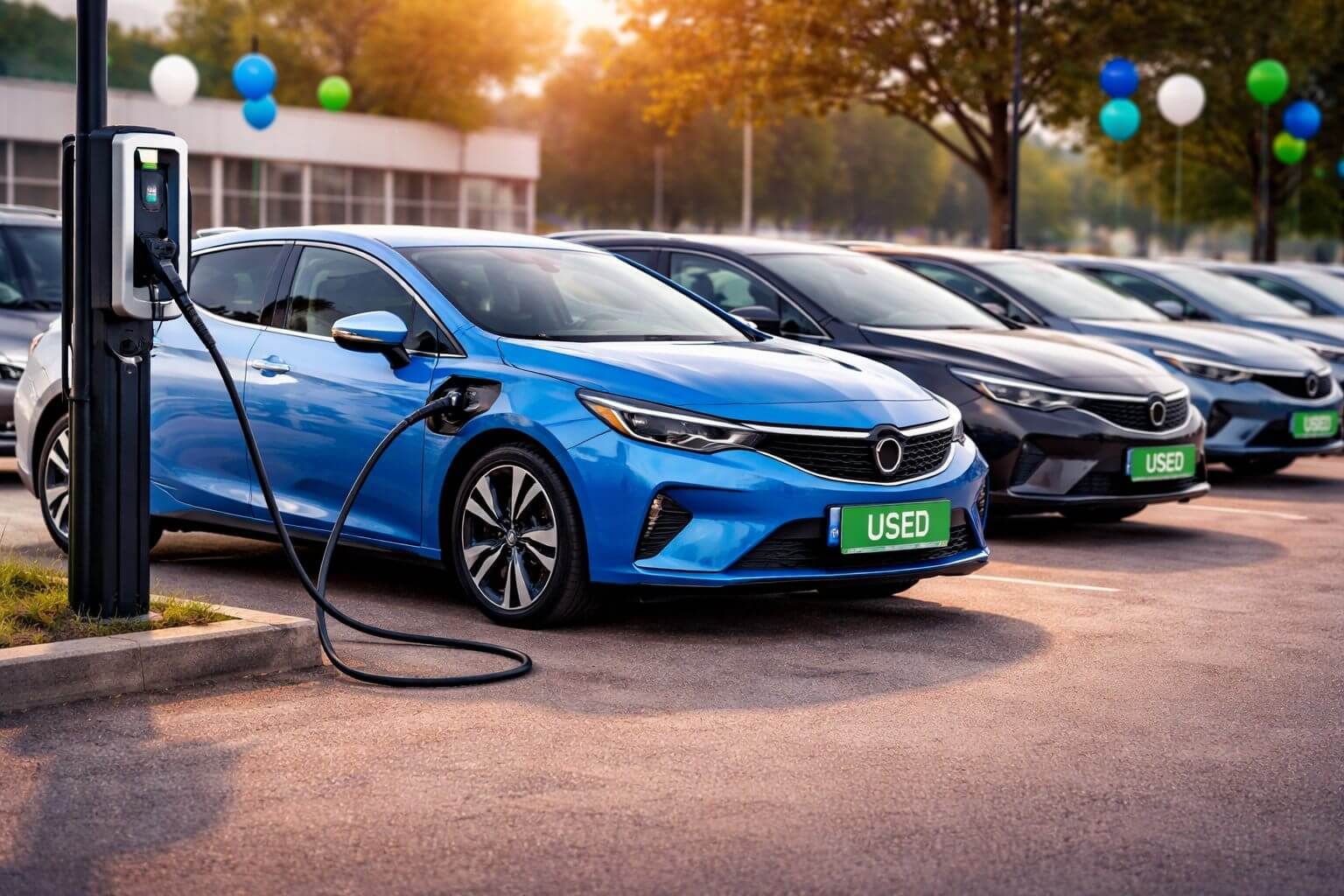
The hybrid rebound is not just a new-car trend. It also matters to used-car shoppers.
If more buyers are competing for fuel-efficient vehicles that do not require full EV commitment, used hybrids could become even more attractive in the market. That may support stronger resale demand and keep better-condition hybrid units in shorter supply.
For VinCheck.info readers, this means shopping carefully matters even more.
What to check before buying a used hybrid
Title and ownership background
A free title check by VIN can help you spot major title-related problems before moving forward.
Warranty coverage
A car warranty check by VIN is especially useful if battery coverage or remaining factory protection is part of your decision.
Pricing context
A car value by VIN lookup can help you compare the asking price with the vehicle’s broader market position.
Broader vehicle background review
Looking at ownership, accident, and title clues early can help you avoid paying hybrid-level demand pricing for the wrong car.
Who is most likely to choose a hybrid in 2026?
Not every buyer wants the same thing, and that is exactly why hybrids are doing well.
Hybrids are a strong fit for
- buyers who want lower fuel costs without worrying about charging
- commuters with mixed city and highway driving
- families that want efficiency without changing travel habits
- shoppers who find some EVs too expensive or impractical for their setup
- used-car buyers who want a practical balance of familiarity and efficiency
Why this trend matters for the broader market
The return of hybrids shows that buyers still want progress, but they want it in a form that feels usable, affordable, and realistic.
This is a sign of a more mature car market. Instead of chasing one narrative, shoppers are choosing technology that fits their actual life.
That makes hybrids more than a temporary fallback. It makes them one of the strongest practical answers for a market that now values efficiency and convenience equally.
Frequently Asked Questions
Why are hybrids becoming more popular again in 2026?
Hybrids are becoming more popular again because they offer fuel savings without the charging and lifestyle adjustments that still make some full EV purchases harder for everyday buyers.
Are hybrids replacing EVs?
Not exactly. EVs remain important, but hybrids are attracting buyers who want better efficiency in a more familiar and flexible ownership setup.
Do hybrids make more sense than EVs for some drivers?
Yes. For drivers without reliable charging access, or for those who want lower fuel costs without major routine changes, a hybrid may be the more practical choice.
What should used-car buyers check before buying a hybrid?
Used-car buyers should check title history, warranty coverage, pricing, accident history, and overall ownership background before buying a hybrid.
Final Thoughts
Why are hybrids winning back buyers in 2026?
Because buyers are prioritizing practicality over hype.
Hybrids offer meaningful fuel savings, familiar ownership, and fewer day-to-day compromises than a full EV for many households. In a market shaped by rising costs, selective consumer demand, and real-world convenience, that combination is proving hard to beat.
For many shoppers in 2026, the hybrid is no longer a compromise. It is the smartest middle-ground choice.
Before committing to any used hybrid, a free CARFAX report alternative can help you screen for accident history, title brands, and ownership changes that may affect the vehicle’s real value.
Author
Claire Holloway
Claire Holloway is a consumer automotive content specialist who covers registration history, title records, DMV-related research, and state-specific vehicle lookup guides. She creates easy-to-follow resources for buyers and sellers who want to verify a vehicle’s legal status, avoid hidden issues, and navigate documentation with more confidence. Her writing blends buyer education with clear, actionable guidance.