Used electric vehicles are becoming one of the most practical ways for everyday buyers to enter the world of electrified driving.
That is a major shift.
For years, EV ownership was often framed as a premium move tied to new technology, higher sticker prices, and buyers willing to experiment early. In 2026, the conversation looks different. Affordability is shaping more of the market, and the used EV segment is starting to look like the most realistic on-ramp for shoppers who want lower running costs without the price of a brand-new electric vehicle.
That is why used EVs are becoming the affordable entry point to electrification.
Before comparing any specific model seriously, it helps to start with a vehicle history review so you are evaluating the actual car, not just the seller’s description.
Why the used EV market is gaining momentum
The biggest driver is simple: more buyers want efficiency, but they still need a used-car budget.
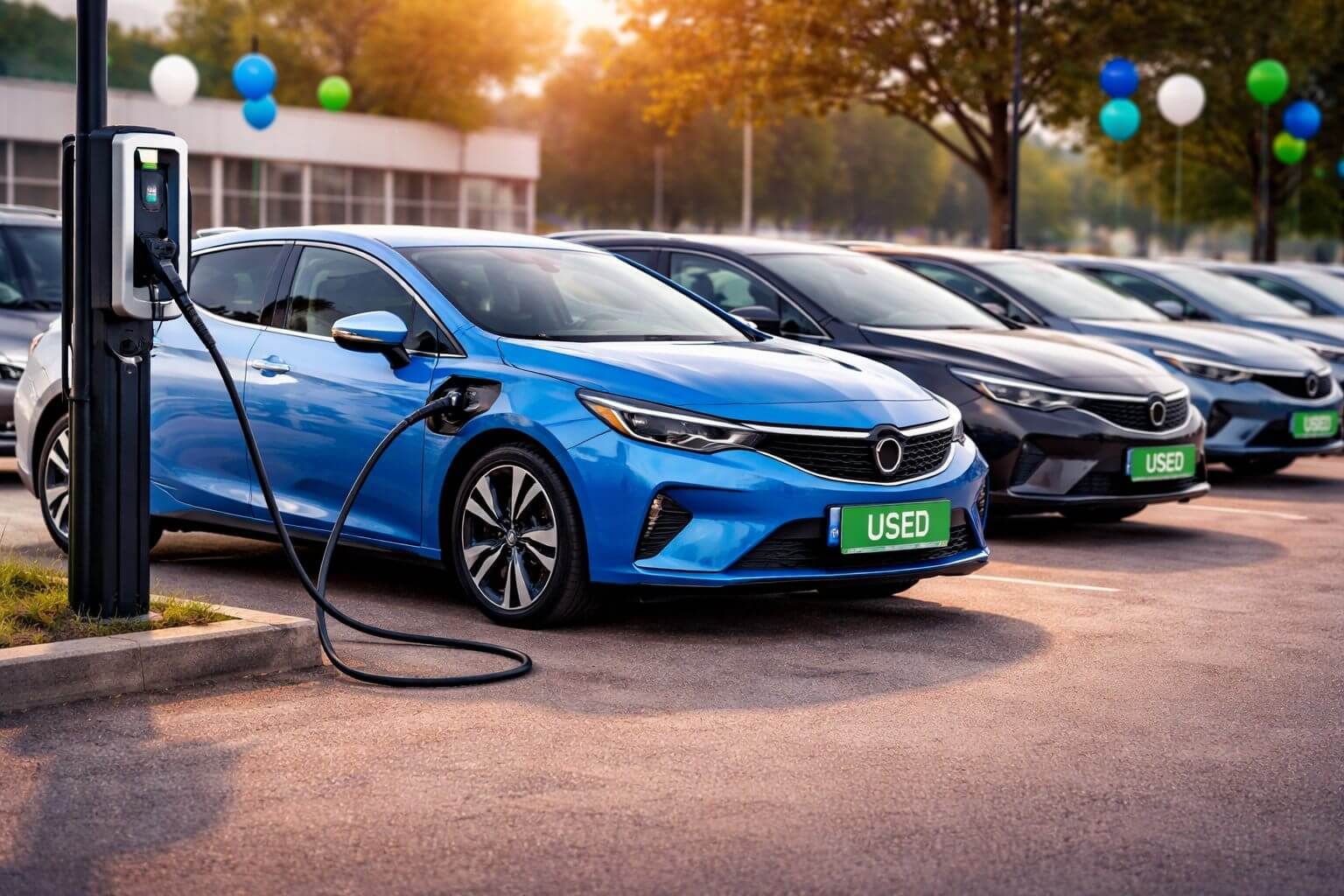
As more electric vehicles come off lease and enter the secondary market, shoppers have a larger and more varied inventory to choose from. At the same time, affordability concerns are keeping many buyers focused on used vehicles in general. That combination is creating a stronger opportunity for used EV adoption.
The result is a market where buyers can now find electric vehicles at prices that feel far more reachable than they did just a few years ago.
What is pushing the trend forward
More off-lease supply
As earlier waves of leased EVs return to the market, they create fresh used inventory. That gives buyers more options across different brands, sizes, and price points.
Used-vehicle affordability matters more in 2026
When new-car payments stay high, many shoppers naturally look to used vehicles first. That broader affordability trend is helping used EVs get more attention.
Fuel costs are changing the math again
When gasoline gets expensive, the value of electric driving becomes easier to understand. Buyers start focusing more on what they will spend every month to keep the vehicle moving, not just what they pay on day one.
Why used EVs feel more attainable now
A used EV sits at an important intersection of value and technology.
It gives buyers access to electrified driving at a lower entry price than a new EV, while still offering many of the benefits that attracted people to EVs in the first place. For shoppers who were interested in electric vehicles but hesitant about paying new-car prices, the used market is changing the conversation.
What makes used EVs more appealing
Lower upfront cost than a new EV
This is the biggest reason many buyers start looking at used EVs seriously. Once the steepest first phase of depreciation has already happened, the vehicle becomes easier to fit into a normal used-car budget.
Lower running costs than many gas vehicles
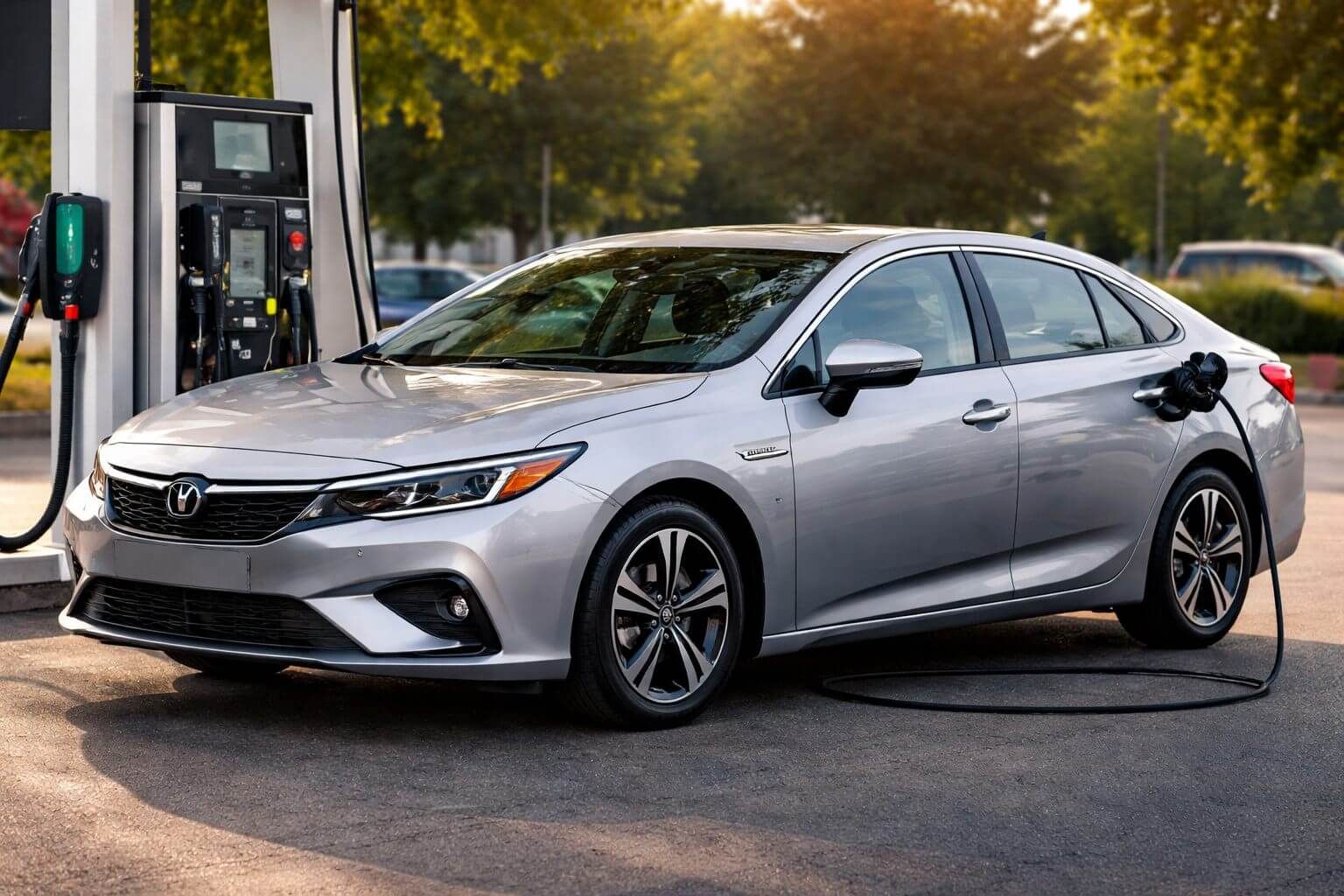
Electric vehicles typically cost less to power than gasoline vehicles cost to fuel, especially when charging at home. They also avoid routine items such as oil changes and may reduce brake wear because of regenerative braking.
A lower-risk way to try electrification
Some shoppers are not ready to jump directly into a brand-new EV. A used EV can feel like a more manageable way to test whether electric ownership fits their routine.
More model variety than before
The used EV market now includes more sedans, hatchbacks, SUVs, and crossovers than it did when the segment was smaller and more experimental.
The affordability story is about more than sticker price
Used EVs are getting attention partly because they can change the total ownership equation.
Buyers are not only asking whether the purchase price is lower. They are also asking whether the vehicle will be cheaper to keep on the road over time.
Where used EVs may save owners money
Energy costs
Electricity is often cheaper per mile than gasoline, especially for drivers who can charge at home or access lower-cost off-peak rates.
Routine maintenance
Most EVs have fewer moving parts in the drivetrain than gasoline vehicles. That can reduce routine maintenance needs over time.
Already-absorbed depreciation
Because much of the initial depreciation has already occurred by the time the vehicle is used, some buyers see the used EV market as a more efficient place to enter electric ownership.
Still, affordability should not be oversimplified. Insurance, tire wear, repair access, and battery condition all matter. A used EV can be a smart buy, but only if the full ownership picture makes sense.
Why used EVs make sense for many mainstream shoppers
Used EVs are not just for technology enthusiasts anymore. They are becoming practical for a broader range of buyers.
Used EVs are often a strong fit for
- commuters with predictable daily routes
- households with home charging access
- buyers priced out of new EVs
- shoppers who want lower fuel costs
- drivers looking for newer tech in a used-car budget range
For these buyers, a used EV may not feel like a compromise at all. It may feel like the most logical version of electric ownership.
What still makes buyers hesitate
Even with stronger affordability, used EVs are not a perfect fit for everyone.
Battery health remains a key concern
Battery condition is one of the most important parts of any used EV purchase. Buyers want to know how much real-world range remains and whether battery-related warranty coverage is still active.
Charging access still shapes the decision
A used EV works best when the buyer has a realistic charging setup. Home charging is often the easiest path. Without it, some used EVs may feel less convenient even if they are affordable.
Depreciation and resale still matter
The EV market continues to evolve quickly. Buyers should think about future resale value, software support, and how market shifts may affect older models.
Repair ecosystem differences matter by model
Some used EVs are easier to service, insure, and repair than others. Model-specific research still matters, especially outside the most common brands.
What buyers should check before buying a used EV
A lower price is not enough reason to buy any used vehicle, and that is especially true with EVs.
A careful buyer should verify both the vehicle’s background and whether electric ownership fits their real daily life.
Start with title and ownership history
A free title check by VIN can help you spot title-related problems before you invest more time in the deal.
Check warranty coverage carefully
A car warranty check by VIN is especially important for used EV shoppers who want to know whether battery or manufacturer coverage may still remain.
Compare the price with the market
A car value by VIN lookup can help you judge whether the asking price reflects the vehicle’s age, condition, and broader market position.
Confirm your charging reality
Before buying, answer a few practical questions:
- Can you charge at home or work?
- How far do you usually drive each day?
- Does the vehicle’s realistic range match your habits?
- Are local charging options convenient enough if home charging is limited?
An affordable used EV only works as a value buy if it also works in your real routine.
What this trend means for the broader car market
The rise of used EVs matters because it makes electrification feel less exclusive.
For a long time, EV adoption was often discussed through the lens of new-car innovation, government policy, and future technology. The used market changes that conversation. It makes electrification more about access.
That is important for the broader industry because mainstream adoption rarely happens through new vehicles alone. It grows when more ordinary buyers can enter the market at lower price points.
Used EVs help create that entry point.
Why this is a strong trend to watch on VinCheck.info
For VinCheck.info readers, this trend is not just about EV popularity. It is about how buyers are changing their decision-making.
The growing appeal of used EVs means more shoppers will need to think about:
- battery warranty coverage
- title and accident history
- market value versus asking price
- charging suitability for daily use
- whether the vehicle’s lower purchase price really translates into lower ownership cost
In other words, used EV demand is not just an electrification story. It is a due-diligence story too.
Frequently Asked Questions
Why are used EVs becoming more popular in 2026?
Used EVs are becoming more popular because affordability is supporting used-vehicle demand, more off-lease EVs are entering the market, and rising fuel costs are making lower-cost electric alternatives more attractive.
Are used EVs a good entry point into electric driving?
For many buyers, yes. A used EV can be a lower-cost way to experience electric ownership without paying the premium price of a new EV.
What should buyers check before buying a used EV?
Buyers should check title history, warranty coverage, market value, accident history, and whether the charging setup fits their actual daily routine.
Are used EVs only a good fit for city drivers?
Not necessarily, but they often make the most sense for drivers with predictable daily mileage and reliable access to charging.
Final Thoughts
Used EVs are becoming the affordable entry point to electrification because they align with what many buyers want most right now: lower costs, realistic ownership, and a less intimidating path into electric driving.
Affordability is supporting used-vehicle demand. More off-lease EV inventory is creating new opportunities. Rising fuel costs are making efficient alternatives easier to justify. Together, those forces are turning used EVs from a niche curiosity into a serious buying category.
For many shoppers, the used EV market may now offer the best balance of price, efficiency, and accessibility. The key is to shop carefully, verify the vehicle thoroughly, and make sure the EV you choose fits both your budget and your daily life.
Before committing to any listing, a free CARFAX report alternative can help you screen for accident history, title brands, and ownership changes that may affect the vehicle’s real value.
Author
Claire Holloway
Claire Holloway is a consumer automotive content specialist who covers registration history, title records, DMV-related research, and state-specific vehicle lookup guides. She creates easy-to-follow resources for buyers and sellers who want to verify a vehicle’s legal status, avoid hidden issues, and navigate documentation with more confidence. Her writing blends buyer education with clear, actionable guidance.