
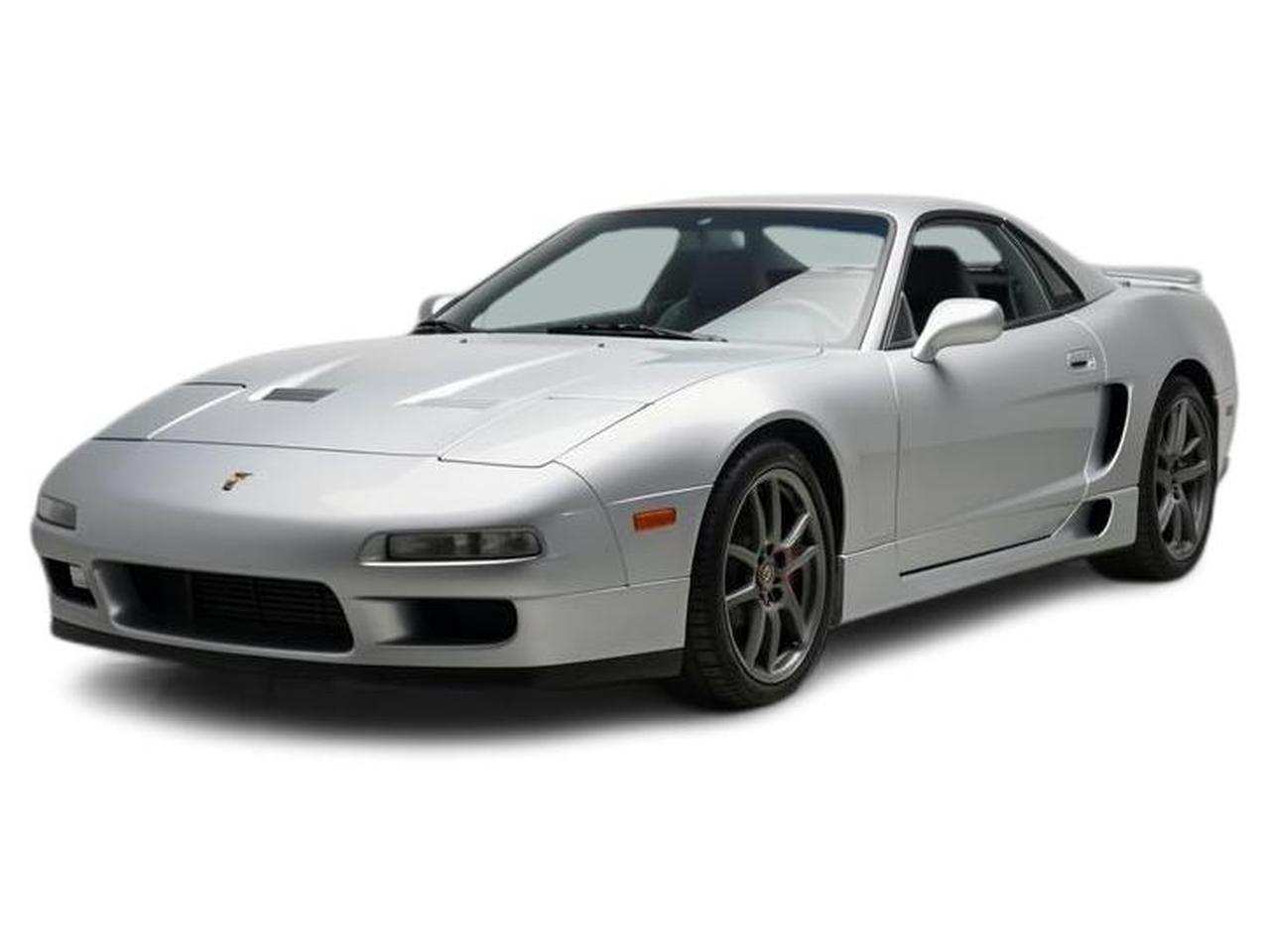
The Good
The 1994 NSX offers exhilarating performance with its V6 engine and precise handling, while its renowned Acura reliability ensures peace of mind. Its comfortable cockpit and iconic mid-century modern design appeal to the senses, and its surprising fuel efficiency and everyday usability make it a practical dream car.
The Bad
Potential weaknesses for the 1994 NSX include the complexity and cost of certain repairs, especially for the aluminum body panels and specialized components. Some owners report issues with the climate control system and older electronic components. Finding original parts can also be a challenge.
1994 Acura NSX: Quick Overview
- Engine Options: The 1994 Acura NSX exclusively featured a 3.0-liter V6 engine.
- Horsepower: This V6 engine produced approximately 270 horsepower at 7100 rpm.
- Torque: Torque figures were around 210 lb-ft at 5300 rpm.
- Transmission: Available transmissions included a 5-speed manual and a 4-speed automatic.
- Fuel Economy: EPA estimates for the 1994 NSX were approximately 17 MPG city and 24 MPG highway with the manual transmission, and slightly lower for the automatic.
- 0-60 Times: 0-60 mph times were typically in the low to mid 5-second range for manual transmission models.
- Towing Capacity: The NSX is a sports car and does not have a towing capacity.
- Body Style: 2-door coupe.
- Drivetrain: Mid-engine, rear-wheel drive.
- Key Trims/Features: The 1994 model year did not have distinct 'trims' in the traditional sense like many other vehicles. It was essentially offered as a single well-equipped model. Key standard features included:
- Power-adjustable leather seats
- Automatic climate control
- Power windows, locks, and mirrors
- Bose premium sound system
- Anti-lock Braking System (ABS)
- Driver and passenger airbags
- Cruise control
- Traction Control System (TCS) - standard on manual, optional on automatic for 1994 models
- Keyless entry
- Xenon HID headlights (optional or standard depending on region/specific production date within the year)
- Aluminum alloy wheels
1994 Acura NSX Specifications
Vehicle Information
| Year | 1994 |
| Make | Acura |
| Model | NSX |
| Trim | - |
| Style | - |
| Type | Coupe |
| Category | Sports Car |
Manufacturing Details
| Made In | Japan |
| Manufacturing City | - |
Dimensions
| Doors | 2-Door |
| Curb Weight | 3109 pounds |
| Gross Vehicle Weight Rating | - |
| Overall Height | 46.10 inches |
| Overall Length | 174.20 inches |
| Overall Width | 71.30 inches |
| Wheelbase Length | 99.60 inches |
| Standard Seating | 2 |
Engine & Performance
| Engine | 3L V6 |
| Engine Size | 3L |
| Engine Cylinders | 6 |
| Transmission | 4-Speed Automatic |
| Transmission Type | Automatic |
| Transmission Speeds | 4-Speed |
| Drivetrain | Rear-Wheel Drive |
Additional Features
| Anti-Brake System | 4-Wheel ABS |
| Steering Type | Rack & Pinion |
Pricing
| Manufacturer Suggested Retail Price (MSRP) | $75,000 |
| Invoice Price | - |
| Delivery Charges | - |
Vehicle History Report
Specifications
History
Events
History Check
Check
Check
Check
Check
Listings
Recalls
Check
Analysis
What Problems Does the 1994 Acura NSX Have?
One frequently mentioned concern revolves around the climate control system. The blower motor resistor and the A/C condenser are known to fail over time, leading to a lack of A/C or inconsistent fan speeds. Repairing these can be labor-intensive due to the NSX's compact engine bay.
The timing belt is a critical maintenance item. It requires replacement at specific intervals (typically around 90,000 miles or 7 years, whichever comes first). If the timing belt breaks, it can cause catastrophic engine damage, making adherence to the maintenance schedule paramount.
Another area sometimes cited is the clutch, particularly on manual transmission models. While generally robust, they are wear items and can require replacement, especially on cars that have been driven hard. Similarly, the suspension components, such as bushings and ball joints, can wear out over time, affecting handling and ride quality.
The unique aluminum construction, while a strength for performance and weight, can also present challenges. Aluminum is more susceptible to corrosion in certain environments, and repairs to the body panels require specialized knowledge and equipment, making bodywork costly.
Electrical gremlins, though not pervasive, can sometimes appear in older vehicles. This might include issues with window regulators, power seat motors, or the infotainment system.
There are no widespread, model-year-specific recalls that stand out as a major design flaw for the 1994 NSX. Honda's approach to the NSX was one of meticulous engineering, which has contributed to its long-term durability. However, proactive maintenance and addressing minor issues before they escalate are key to maintaining its legendary reliability. Owners who diligently follow the maintenance schedule and address any emerging problems promptly tend to experience very few significant issues. The rarity of major mechanical failures on well-maintained examples is a testament to its robust build.
How long will the 1994 Acura NSX last?
What Technology & Safety Features are Included?
Tech and Entertainment: The audio system was a Bose premium unit, typically featuring an AM/FM stereo with a cassette player and a CD player. While rudimentary by today's standards, it provided good sound quality for the time. The climate control system was automatic, allowing for precise temperature adjustments. Power windows, power door locks, and power mirrors were standard. Cruise control was also included for more relaxed highway driving.
Driver-Assistance Features: For 1994, driver-assistance features were minimal by modern standards. The most significant was the Anti-lock Braking System (ABS), which helped prevent wheel lock-up during hard braking. A Traction Control System (TCS) was also available, particularly standard on manual transmission models and an option on automatics, designed to prevent wheelspin during acceleration, especially in slippery conditions.
Safety Features: Standard safety equipment included driver and passenger airbags. The car's mid-engine layout and low center of gravity contributed to inherent stability. Seatbelts were, of course, standard.
Optional Features: Options could include things like HID (Xenon) headlights for improved night visibility, and depending on the market, specific audio system upgrades or wheel designs.
Crash-Test Ratings: Specific crash-test ratings for the 1994 Acura NSX from official agencies like the NHTSA or IIHS are not readily available in the same way they are for contemporary mainstream vehicles. Supercars of this era were often tested in smaller numbers or their safety was assessed differently due to their limited production. However, the NSX was engineered with a strong emphasis on structural integrity, utilizing its all-aluminum monocoque chassis for rigidity, which inherently contributes to occupant protection in the event of a collision. Its low center of gravity and balanced weight distribution also aid in maintaining control, reducing the likelihood of severe accidents. The overall design prioritized both performance and occupant safety within the constraints of a two-seater sports car.
What Colors Options are Available?
1994 Acura NSX Prices and Market Value
In the current used market, the 1994 NSX has shown remarkable value retention and appreciation. Prices can vary significantly based on mileage, condition, originality, and maintenance history. Expect to see examples in good to excellent condition fetching anywhere from $50,000 to well over $100,000 USD, with exceptionally pristine or rare examples commanding even higher figures.
Depreciation on the NSX was initially steeper than some luxury cars, but it has largely bottomed out and is now appreciating. Factors affecting resale value include its legendary reliability, iconic status as the "everyday supercar," the introduction of later, more complex models, and its status as a collectible. Low mileage, complete service records, original paint, and factory-spec modifications are key drivers of higher resale values. The manual transmission models are generally more sought after and command higher prices than the automatic versions.
1994 Acura NSX Cost of Ownership
1994 Acura NSX Fuel Efficiency
1994 Acura NSX Safety Rating
NHTSA
IIHS
1994 Acura NSX Warranty
Basic
Powertrain
Rust
1994 Acura NSX Insurance
reasonable repair costs.
How Does the 1994 Acura NSX Compare to Other Coupe?
Performance: In terms of raw acceleration, the NSX's 270 hp V6 was competitive but often fell slightly behind the more powerful engines of the 911 and Ferrari. However, the NSX excelled in handling, thanks to its mid-engine layout, perfect weight distribution, and lightweight aluminum construction. It offered a more neutral, forgiving, and precise driving experience than many contemporaries.
Features: The NSX was notable for its relative comfort and practicality compared to rivals. It featured amenities like automatic climate control and a quality sound system, making it more usable daily than a spartan Ferrari or even a basic 911.
Reliability: This is where the NSX truly shone and stood apart. While Porsches and Ferraris of this era were known for requiring extensive, costly maintenance and could be prone to significant mechanical issues, the NSX offered Honda's legendary reliability. This made it a far more practical and less stressful ownership proposition for many.
Price: At its new price point, the NSX was often less expensive than a comparable Ferrari or high-spec Porsche 911, offering a compelling blend of exotic performance and attainable luxury. In today's used market, it has retained value exceptionally well, often commanding prices similar to or even exceeding some of its rivals, reflecting its enduring desirability and reliability.
Alternatives:
- Similar: The Toyota Supra (Mk IV), especially with the twin-turbo engine, offers strong performance and a degree of Japanese reliability, though it lacks the mid-engine exotic feel. The Nissan 300ZX Twin Turbo is another contemporary Japanese sports car with impressive performance and technology.
- Better (Performance-focused): If raw speed and a more visceral exotic experience are paramount, a well-maintained Ferrari 348 or a higher-spec Porsche 911 (like the 993 generation) might offer more outright power, but at the cost of reliability and maintenance expenses.
- More Practical Exotic: The NSX itself is arguably the best in its class for combining supercar performance with everyday usability and reliability.
Final Verdict: Is the 1994 Acura NSX a Good Coupe?
It is absolutely worth buying for collectors and driving enthusiasts alike, especially in the current used market. It represents a unique opportunity to own a piece of automotive history that has proven its worth over time.
The condition and maintenance history are paramount when considering a purchase. Buying a well-maintained, low-mileage example with complete service records is highly recommended. Manual transmission models are generally more sought after by enthusiasts. While new examples are obviously unobtainable, buying a 1994 NSX today, especially one with good provenance, is a sound investment for those who value its unique blend of performance, reliability, and iconic status.

Cathleen V
Cathleen is an exceptional freelance writer covering hot topics in the automotive world from a gearhead's perspective. Her articles delve into various aspects of automotive technology and history, offering readers detailed insights into engine performance, reliability, and maintenance. Through her engaging and informative writing, Cathleen provides valuable information to automotive enthusiasts and consumers alike, helping them make informed decisions about vehicle maintenance and purchases.