
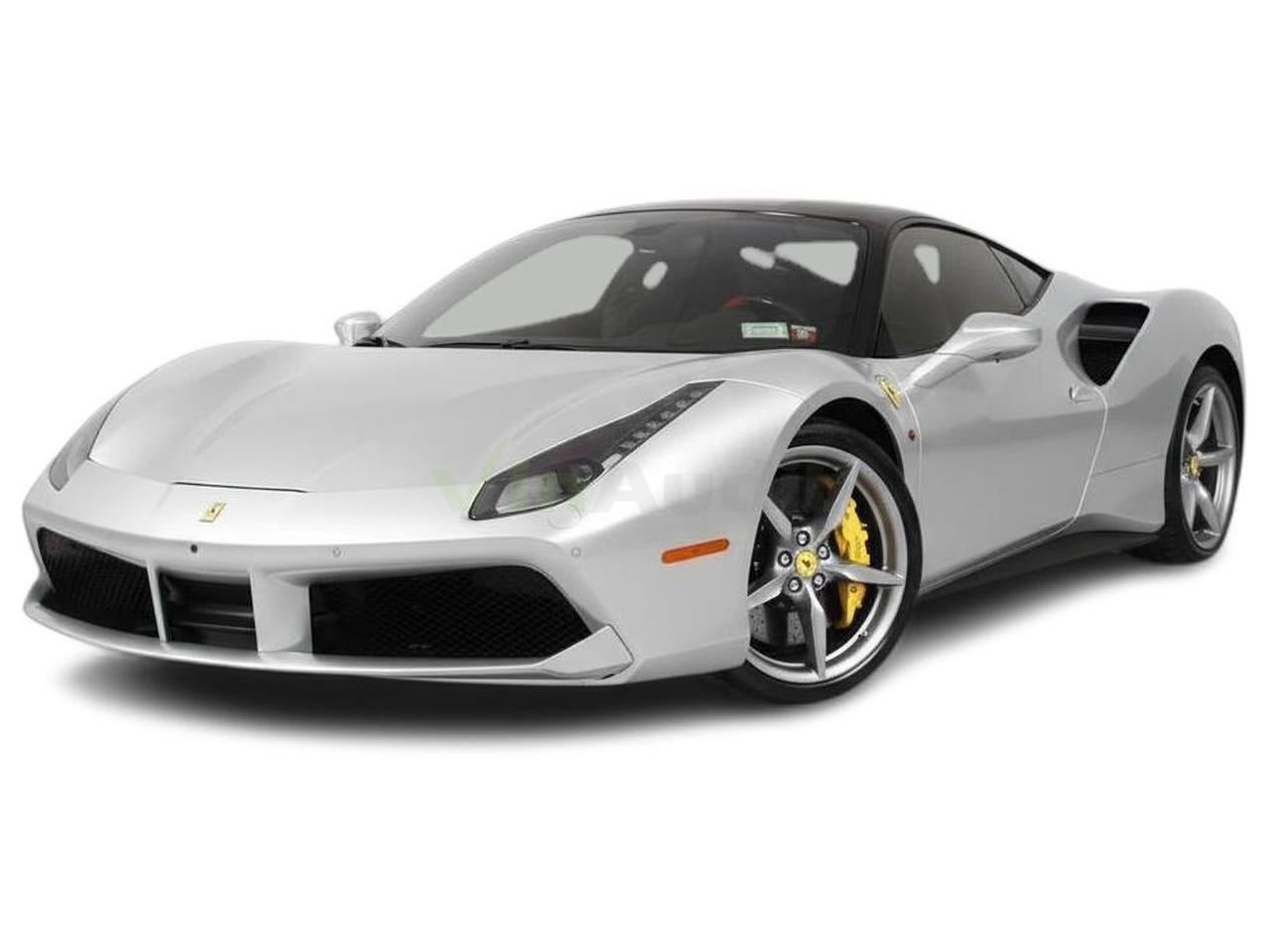
The Good
The 2018 Ferrari 488 GTB boasts blistering performance from its twin-turbo V8, sharp handling, and breathtaking Italian design. While exotic, its modern underpinnings offer surprising reliability for its class, and a relatively refined cabin enhances comfort. It's an emotional dream car with a practical edge for those seeking extreme exhilaration.
The Bad
Potential owners should be aware of the 488 GTB's high running costs, including specialized maintenance and insurance. Some owners have reported minor electronic glitches or issues with the infotainment system. Turbo lag, though minimal, can be a point of contention for purists compared to its naturally aspirated predecessor.
2018 Ferrari 488 GTB: Quick Overview
- Engine Options: The 2018 Ferrari 488 GTB features a single, formidable engine option: a 3.9-liter twin-turbocharged V8. This engine marked a significant departure from the naturally aspirated V8s of its predecessors, offering a new era of Ferrari performance.
- Horsepower: This potent V8 powerplant produces an impressive 661 horsepower at 8,000 rpm.
- Torque: Peak torque is rated at 561 lb-ft at 3,000 rpm, delivered in a highly responsive manner thanks to sophisticated turbocharging technology.
- Fuel Economy: As expected for a supercar, fuel economy is not a primary focus. EPA estimates for the 2018 488 GTB are around 15 mpg city and 19 mpg highway.
- 0-60 Times: The acceleration is staggering, with the 488 GTB capable of reaching 60 mph from a standstill in approximately 3.0 seconds.
- Top Speed: It can achieve a top speed exceeding 205 mph.
- Towing Capacity: As a high-performance sports car, the Ferrari 488 GTB does not have a towing capacity.
- Transmission: It comes exclusively with a 7-speed dual-clutch automatic transmission, engineered for lightning-fast shifts.
- Drivetrain: Rear-wheel drive is standard.
- Trim-Level Features: The 488 GTB is offered in a single, highly equipped trim. Key standard features include:
- Bi-xenon headlights with LED daytime running lights
- LED taillights
- Carbon ceramic brakes
- Adaptive suspension
- Brembo brakes
- Leather and Alcantara interior
- Power-adjustable sport seats
- Dual-zone automatic climate control
- Navigation system
- Bluetooth connectivity
- Premium sound system
- Rear parking sensors
- Manettino dial for driving mode selection
2018 Ferrari 488 GTB Specifications
Vehicle Information
| Year | 2018 |
| Make | Ferrari |
| Model | 488 GTB |
| Trim | - |
| Style | - |
| Type | Coupe |
| Category | Compact Car |
Manufacturing Details
| Made In | Italy |
| Manufacturing City | MARANELLO |
Dimensions
| Doors | 2-Door |
| Curb Weight | - |
| Gross Vehicle Weight Rating | - |
| Overall Height | - |
| Overall Length | - |
| Overall Width | - |
| Wheelbase Length | - |
| Standard Seating | - |
Engine & Performance
| Engine | 3.9L V8 |
| Engine Size | 3.9L |
| Engine Cylinders | 8 |
| Transmission | 7-Speed Automatic |
| Transmission Type | Automatic |
| Transmission Speeds | 7-Speed |
| Drivetrain | Rear-Wheel Drive |
Additional Features
| Anti-Brake System | - |
| Steering Type | - |
Pricing
| Manufacturer Suggested Retail Price (MSRP) | - |
| Invoice Price | - |
| Delivery Charges | - |
Vehicle History Report
Specifications
History
Events
History Check
Check
Check
Check
Check
Listings
Recalls
Check
Analysis
What Problems Does the 2018 Ferrari 488 GTB Have?
Regarding specific recalls for the 2018 model year, it is essential for owners to check with Ferrari directly or use VIN lookup tools as recalls can be issued and resolved. Generally, recalls for supercars of this era have sometimes involved issues with airbag inflators or specific electronic control units.
Long-term reliability concerns, beyond routine maintenance, often revolve around the complexity of the twin-turbo V8 engine and the dual-clutch transmission. These are high-performance components designed for extreme use, and their longevity is highly dependent on how the car has been driven and meticulously maintained. Owners who track their cars extensively or neglect scheduled maintenance may encounter issues sooner than those who use the car for spirited street driving and adhere strictly to Ferrari's service intervals.
While specific widespread catastrophic failures for the 2018 488 GTB are not frequently reported, the cost of any repair, especially out of warranty, can be substantial due to the specialized nature of the parts and labor required. It is always advisable to purchase a pre-inspected car with a complete service history from a reputable dealer or specialist.
How long will the 2018 Ferrari 488 GTB last?
What Technology & Safety Features are Included?
Entertainment features typically include a premium audio system, which can be further upgraded through optional packages, often from brands known for their high-fidelity sound. Apple CarPlay and Android Auto are generally not standard and were rarely offered as options during this period for Ferrari, reflecting their focus on a driver-centric experience rather than full smartphone integration.
Driver-assistance features are minimal by modern standards, as Ferrari designs its cars to be piloted by the driver. Standard safety equipment includes anti-lock brakes, stability control, traction control, and airbags. Parking sensors are typically standard for the rear. Features like adaptive cruise control, blind-spot monitoring, lane-keeping assist, and automatic emergency braking, common in luxury vehicles today, are largely absent.
Optional features often focus on enhancing the driving dynamics and aesthetics. These can include different wheel designs, carbon-fiber exterior and interior trim, specialized racing seats with more aggressive bolstering, and performance-oriented exhaust systems.
Official crash-test ratings from organizations like NHTSA or IIHS are typically not performed on low-volume, exotic supercars like the Ferrari 488 GTB. Manufacturers like Ferrari conduct their own internal safety testing, but these results are not publicly released in the same format as consumer safety ratings. The car is engineered with a robust chassis and advanced safety systems designed to protect occupants in the event of a high-speed impact, but specific numerical ratings are unavailable.
What Colors Options are Available?
2018 Ferrari 488 GTB Prices and Market Value
2018 Ferrari 488 GTB Cost of Ownership
2018 Ferrari 488 GTB Fuel Efficiency
2018 Ferrari 488 GTB Recalls & Defects
Fuel System, Gasoline
AIR Bags: AIR Bag/Restraint Control Module
AIR Bags
AIR Bags:frontal:passenger Side:inflator Module
Service Brakes, Hydraulic
2018 Ferrari 488 GTB Warranty
Basic
Powertrain
Rust
2018 Ferrari 488 GTB Insurance
reasonable repair costs.
How Does the 2018 Ferrari 488 GTB Compare to Other Coupe?
Performance: In terms of raw acceleration and top speed, the 488 GTB is a benchmark, boasting 661 hp and 0-60 mph times around 3.0 seconds. Its main competitor, the McLaren 720S, offers comparable or even slightly superior straight-line speed and track prowess, often lauded for its advanced aerodynamics and chassis dynamics. The Lamborghini Huracán (LP610-4 or Performante variants) provides a more visceral, naturally aspirated V10 experience with equally impressive performance figures, though perhaps a slightly less refined ride.
Features: Ferrari's interior focuses on driver connection with high-quality materials and a driver-centric layout. The infotainment system is functional but lags behind the more integrated and user-friendly systems in cars like the McLaren 720S or even the Porsche 911 Turbo S. The 720S offers a more modern tech interface and innovative features like dihedral doors. The Huracán offers a more flamboyant interior design.
Reliability: While all supercars require specialized maintenance, Ferrari has made strides in reliability. However, the complexity of twin-turbo engines and advanced electronics means potential for costly repairs. McLaren has a reputation for robust engineering, and the 720S is generally considered reliable within its class. Lamborghini, sharing components with Audi, also offers a degree of mechanical robustness, though exotic car maintenance is always a factor.
Price: The 488 GTB was typically priced around $250,000 new. The McLaren 720S was similarly priced or slightly higher. The Lamborghini Huracán was often a bit more accessible in its base forms, though top trims approach the Ferrari's price point.
Recommendations:
For ultimate track performance and cutting-edge technology, the McLaren 720S is a very strong alternative, often considered more dynamically advanced.
For a more raw, naturally aspirated engine sound and a distinct Italian flair, the Lamborghini Huracán Performante is an excellent choice.
If comfort and a slightly more compliant ride alongside immense performance are desired, the Porsche 911 Turbo S (though in a slightly different category) offers incredible all-around capability and potentially better long-term value and reliability. The 488 GTB remains a compelling choice for those who prioritize the Ferrari brand, its specific blend of turbocharged power, and its iconic styling.
Final Verdict: Is the 2018 Ferrari 488 GTB a Good Coupe?
Buying used is generally the most sensible route, as significant depreciation has already occurred from its new price. It's best acquired with a thorough pre-purchase inspection by a Ferrari specialist and a comprehensive service history. While all 488 GTBs offer incredible performance, those with desirable optional carbon fiber packages or specific color combinations might hold their value slightly better. It is not an economical daily driver but a purebred supercar for passionate owners.

Eugene S
Eugene is an automotive enthusiast with over 15 years of experience in the used car market. As a writer at VINCheck.info, he brings deep industry insight and a passion for cars, helping readers make smart, informed decisions. Eugene has written hundreds of used car reviews and is known for breaking down complex automotive topics into clear, actionable advice. Over the years, he has driven and worked on a wide range of vehicles—starting with tuning street cars in his early days and eventually focusing on performance upgrades and reliability improvements. Today, he specializes in evaluating used vehicles through the lens of real-world ownership and enthusiast needs. A longtime fan of Porsche, Eugene especially appreciates vehicles that blend durability with driving enjoyment.