
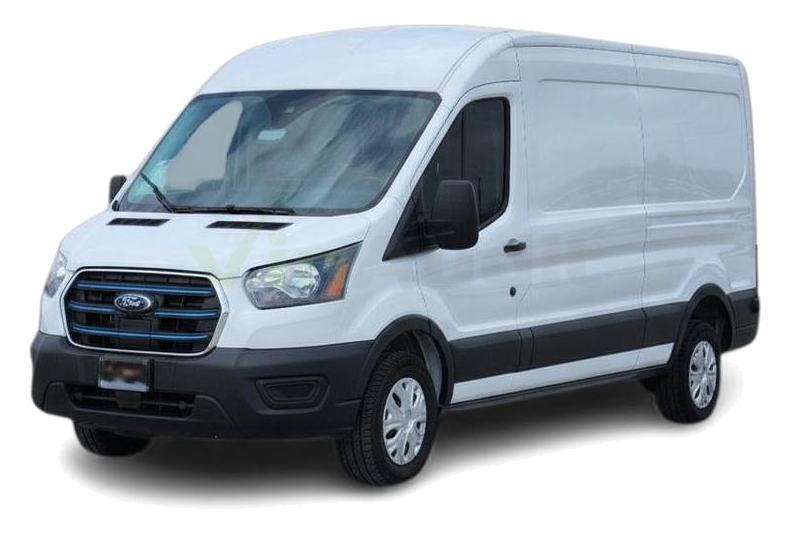
The Good
The 2023 Ford E-Transit offers instant electric torque for responsive acceleration, a quiet and smooth ride for driver comfort, and impressive efficiency. Its practical design maximizes cargo volume, while the overall value proposition, including potential fuel and maintenance savings, appeals to budget-conscious businesses. Emotionally, it represents a forward-thinking choice for a greener future.
The Bad
Potential buyers should be aware of the E-Transit's limited all-electric range compared to some competitors, especially under heavy load or in extreme temperatures. Charging infrastructure availability and speed can also be a consideration for businesses operating over long distances. Initial purchase price may be higher than gasoline counterparts.
2023 Ford E-Transit: Quick Overview
- Engine Options: Single electric motor.
- Horsepower: Available in two power outputs: 266 horsepower (198 kW) and 135 horsepower (100 kW).
- Torque: 317 lb-ft (430 Nm) for both outputs.
- Fuel Economy: EPA estimated MPGe varies by configuration, but it's designed for efficiency. For example, some configurations achieve an EPA-estimated 77 city / 63 highway / 70 combined MPGe. Actual range and efficiency will depend heavily on load, driving conditions, and battery size.
- 0-60 Times: Official 0-60 mph times are not typically a primary focus for commercial vans, but the electric powertrain provides brisk acceleration, especially when unladen. Expect it to be significantly quicker than its gasoline counterparts off the line.
- Towing Capacity: Maximum towing capacity is up to 6,800 lbs when properly equipped (on certain configurations).
- Battery Capacity: 68 kWh (usable).
- Range: Estimated range is up to 126 miles (EPA estimated) for the cargo van. This can be significantly reduced by payload, towing, and driving style.
- Trim-Level Features (XL): Standard features typically include Ford's SYNC 3 infotainment system with an 8-inch touchscreen, pre-collision assist with automatic emergency braking, push-button start, and a 12V power outlet.
- Trim-Level Features (XLT): Builds upon the XL trim by adding features like lane-keeping assist, blind-spot information system with cross-traffic alert, dual-zone electronic automatic temperature control, and an upgraded instrument cluster.
- Body Styles: Available as a cargo van (low-roof, medium-roof, high-roof) and a chassis cab.
- Drivetrain: Rear-wheel drive (RWD).
2023 Ford E-Transit Specifications
Vehicle Information
| Year | 2023 |
| Make | Ford |
| Model | E-Transit |
| Trim | - |
| Style | - |
| Type | Van |
| Category | Cargo Van |
Manufacturing Details
| Made In | United States |
| Manufacturing City | KANSAS CITY |
Dimensions
| Doors | 3-Door |
| Curb Weight | - |
| Gross Vehicle Weight Rating | 4535.92 kg |
| Overall Height | - |
| Overall Length | - |
| Overall Width | - |
| Wheelbase Length | - |
| Standard Seating | 2 |
Engine & Performance
| Engine | ELECTRIC |
| Engine Size | - |
| Engine Cylinders | - |
| Transmission | 6-Speed Automatic |
| Transmission Type | Automatic |
| Transmission Speeds | 6-Speed |
| Drivetrain | Rear-Wheel Drive |
Additional Features
| Anti-Brake System | Standard |
| Steering Type | - |
Pricing
| Manufacturer Suggested Retail Price (MSRP) | - |
| Invoice Price | - |
| Delivery Charges | - |
Vehicle History Report
Specifications
History
Events
History Check
Check
Check
Check
Check
Listings
Recalls
Check
Analysis
What Problems Does the 2023 Ford E-Transit Have?
Some of the potential areas that could arise, as with any EV, include battery health and degradation over very long periods, though modern battery management systems are designed to mitigate this. Charging speed and consistency can also be a point of discussion, particularly for businesses requiring rapid turnaround times. While not a reported problem, understanding the limitations of public charging infrastructure in certain regions is something to consider.
Ford has a robust process for addressing any emerging issues through service bulletins and potential recalls. As of its initial release, the E-Transit has been designed with reliability in mind, leveraging Ford's extensive experience in building commercial vehicles. Any recalls that have been issued are typically for specific components and are addressed by Ford dealerships. For example, a recall might involve a software update for the battery management system or a check of a specific electrical connection. It is always recommended to check the NHTSA website or consult with a Ford dealer for the most up-to-date information on recalls and service campaigns specific to the 2023 model year. Overall, the 2023 E-Transit is generally considered a reliable option, particularly given its modern electric architecture.
How long will the 2023 Ford E-Transit last?
The electric powertrain, with fewer moving parts than a gasoline engine, generally leads to less wear and tear and fewer mechanical failures over time. The battery is designed for longevity, with expected degradation to be gradual. Weaknesses over time might relate more to wear on components like suspension or brakes due to frequent use and heavy loads, rather than powertrain issues. Regular maintenance, as recommended by Ford, will be crucial for maximizing its lifespan and maintaining optimal performance.
What Technology & Safety Features are Included?
Key driver-assistance and safety features include:
- Pre-Collision Assist with Automatic Emergency Braking: Standard on all models, this system can detect pedestrians and vehicles and automatically apply the brakes if a collision is imminent.
- Forward Collision Warning: Alerts the driver to potential frontal impacts.
- Lane-Keeping System: Helps keep the vehicle centered in its lane.
Optional features significantly enhance the E-Transit's capabilities:
- Blind Spot Information System with Cross-Traffic Alert: Standard on the XLT trim, this system monitors the blind spots and alerts the driver to approaching vehicles when reversing.
- Adaptive Cruise Control: Maintains a set speed and distance from the vehicle ahead.
- Parking Aid: Various sensors and cameras can be optioned to assist with low-speed maneuvering and parking.
- Built-in Navigation: Often integrated with the SYNC system for route planning.
- Upgraded Audio Systems: For improved in-cabin sound experience.
Crash-test ratings from organizations like the National Highway Traffic Safety Administration (NHTSA) and the Insurance Institute for Highway Safety (IIHS) are crucial for commercial vehicles. While specific crash-test ratings for the 2023 E-Transit may vary as they are evaluated, Ford typically designs its vehicles to meet or exceed stringent safety standards. The inherent structural integrity of the E-Transit, combined with its advanced safety systems, aims to provide robust protection for occupants. Businesses often rely on these safety features not only for employee well-being but also to reduce insurance costs and downtime.
What Colors Options are Available?
Exterior Colors
Interior Colors
2023 Ford E-Transit Prices and Market Value
The E-Transit, like many new electric vehicles, may experience a steeper initial depreciation curve as the technology matures and newer models are released. However, its strong brand recognition, commercial utility, and the growing demand for electric commercial vehicles are factors that support its resale value. Businesses seeking to reduce operating costs may find a well-maintained used E-Transit to be a financially attractive option. Key factors affecting resale include battery health, remaining warranty, and the overall condition of the cargo area and exterior.
2023 Ford E-Transit Cost of Ownership
Insurance premiums for the E-Transit may be comparable to or slightly higher than its gasoline counterpart due to the advanced technology and higher initial purchase price. Repair costs for specialized EV components can be higher if they fail, but this is less common than with internal combustion engines. Overall, the savings on fuel and maintenance generally outweigh potential higher insurance or repair costs, making it an economically sound choice for businesses.
2023 Ford E-Transit Fuel Efficiency
2023 Ford E-Transit Recalls & Defects
Power Train:axle Assembly:axle Shaft
2023 Ford E-Transit Warranty
Basic
Powertrain
Rust
2023 Ford E-Transit Insurance
reasonable repair costs.
How Does the 2023 Ford E-Transit Compare to Other Van?
Performance: The E-Transit offers competitive electric torque for responsive acceleration, making it feel peppy, especially when unladen. Its performance is on par with or exceeds many gasoline commercial vans. The eSprinter, while robust, may offer a slightly less immediate throttle response. Rivian's EDV is known for strong performance.
Features: The E-Transit boasts Ford's well-integrated SYNC 3 system, extensive driver-assistance options, and a familiar, user-friendly interface for drivers accustomed to Ford products. The eSprinter offers a premium interior and advanced tech but can come with a higher price tag. BrightDrop focuses heavily on integrated fleet management technology.
Reliability: Ford has a long-standing reputation for building durable commercial vehicles. While the E-Transit is new, its underlying architecture is based on the proven Transit platform. The eSprinter also benefits from Mercedes-Benz's engineering. Long-term reliability for all these EVs is still being established, but electric powertrains generally have fewer mechanical parts prone to failure.
Price: The 2023 E-Transit positions itself as a strong value proposition, typically starting at a more accessible price point than the eSprinter. Rivian's EDV is largely fleet-focused with specialized pricing.
Recommendations:
The 2023 Ford E-Transit is an excellent choice for businesses that prioritize a familiar driving experience, robust Ford dealer support, and a balance of features and value.
The 2023 Mercedes-Benz eSprinter is a compelling alternative for businesses seeking a more premium feel, potentially longer range (depending on configuration), and advanced German engineering, albeit at a higher cost.
For large fleet operators with specific telematics and delivery needs, the BrightDrop Zevo series and Rivian EDV are strong contenders, offering specialized solutions.
Final Verdict: Is the 2023 Ford E-Transit a Good Van?
It is worth buying, especially if you can take advantage of any government incentives for electric vehicles. Buying new offers the full manufacturer's warranty and the latest technology. However, a well-maintained used 2023 E-Transit can represent significant savings, making it an even more attractive proposition, particularly if mileage is not excessively high and battery health is confirmed. For most users, the XL or XLT trims offer a solid balance of essential features and value. Consider the roof height and wheelbase configurations that best match your specific cargo needs.

Eugene S
Eugene is an automotive enthusiast with over 15 years of experience in the used car market. As a writer at VINCheck.info, he brings deep industry insight and a passion for cars, helping readers make smart, informed decisions. Eugene has written hundreds of used car reviews and is known for breaking down complex automotive topics into clear, actionable advice. Over the years, he has driven and worked on a wide range of vehicles—starting with tuning street cars in his early days and eventually focusing on performance upgrades and reliability improvements. Today, he specializes in evaluating used vehicles through the lens of real-world ownership and enthusiast needs. A longtime fan of Porsche, Eugene especially appreciates vehicles that blend durability with driving enjoyment.