
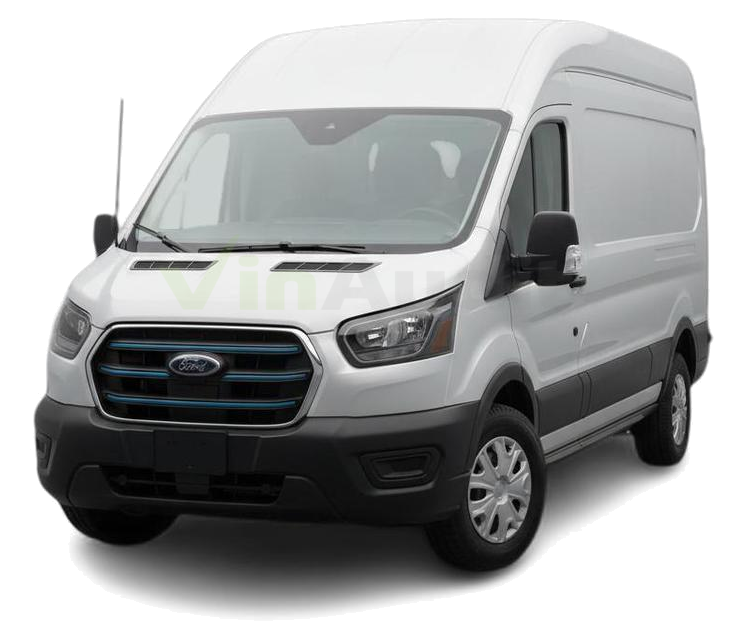
The 2025 Ford E-Transit represents Ford's significant move into the electric commercial van segment. Building on the well-established Transit nameplate, this all-electric van aims to provide businesses with a sustainable and cost-effective transportation solution. Available primarily as a cargo van, it offers various configurations including high and low roof options, as well as different lengths. Key trims typically include the base XL and the more equipped XLT. Pricing for the 2025 E-Transit is expected to start in the high $50,000s, positioning it competitively. Its popularity stems from Ford's reputation in the commercial vehicle market, impressive electric range, and the inherent benefits of zero-emission operation for urban fleets.
The Good
The 2025 Ford E-Transit excels in quiet, smooth performance, offering substantial cost savings through impressive electric efficiency. Its practical, spacious design caters to business needs, while its reliability is bolstered by Ford's commercial vehicle legacy. This translates to emotional appeal through environmental consciousness and practical appeal through lower operating expenses.
The Bad
Potential drawbacks for the 2025 Ford E-Transit include its charging infrastructure dependency and potentially longer refueling times compared to gasoline counterparts. Initial purchase price can be higher than traditional internal combustion engine vans. Range anxiety, while diminishing, remains a consideration for some operators covering extensive daily routes.
2025 Ford E-Transit: Quick Overview
- Powertrain: Rear-wheel drive electric powertrain.
- Motor: Single electric motor.
- Horsepower: Approximately 266 hp.
- Torque: Around 317 lb-ft.
- Battery: Estimated 68 kWh usable capacity.
- Range: Ford estimates up to 126 miles (for low-roof, cargo length configuration). Actual range varies significantly based on configuration, load, and driving conditions.
- Charging: Supports Level 2 AC charging and DC fast charging.
- 0-60 mph: Specific official figures are not typically released for commercial vans, but it's expected to be adequate for its intended use, likely in the 8-10 second range.
- Towing Capacity: Not typically a primary focus for electric vans of this class, but capable of towing, with capacities likely around 4,000 to 5,000 lbs depending on configuration.
- Body Styles: Cargo Van, available in multiple lengths and roof heights (low and high).
- Key Trims:
- XL: Standard commercial features, durable interior, essential connectivity. Focuses on core functionality and affordability. Includes standard safety features, manual climate control, AM/FM stereo, and vinyl flooring.
- XLT: Adds comfort and convenience features, often including a larger touchscreen infotainment system, cruise control, enhanced interior materials, and potentially upgraded driver-assistance features. May include features like a 12-inch touchscreen, Ford Co-Pilot360, and enhanced interior lighting.
- Payload Capacity: Varies by configuration but generally offers robust payload capabilities suitable for commercial use, often exceeding 2,500 lbs.
2025 Ford E-Transit Specifications
Vehicle Information
| Year | 2025 |
| Make | Ford |
| Model | E-Transit |
| Trim | - |
| Style | - |
| Type | Van |
| Category | Cargo Van |
Manufacturing Details
| Made In | United States |
| Manufacturing City | CLAYCOMO |
Dimensions
| Doors | 3-Door |
| Curb Weight | - |
| Gross Vehicle Weight Rating | 4535.92 kg |
| Overall Height | - |
| Overall Length | 598.17 cm |
| Overall Width | - |
| Wheelbase Length | 375.92 cm |
| Standard Seating | 2 |
Engine & Performance
| Engine | ELECTRIC |
| Engine Size | - |
| Engine Cylinders | - |
| Transmission | 1-Speed Automatic |
| Transmission Type | Automatic |
| Transmission Speeds | 1-Speed |
| Drivetrain | Rear-Wheel Drive |
Additional Features
| Anti-Brake System | 4-Wheel ABS |
| Steering Type | Rack & Pinion |
Pricing
| Manufacturer Suggested Retail Price (MSRP) | $52,000 USD |
| Invoice Price | - |
| Delivery Charges | $2,095 USD |
Vehicle History Report
Specifications
History
Events
History Check
Check
Check
Check
Check
Listings
Recalls
Check
Analysis
What Problems Does the 2025 Ford E-Transit Have?
As the 2025 Ford E-Transit is a recent entry into the market, extensive long-term reliability data is still accumulating. However, based on Ford's history with the gasoline Transit and early E-Transit models, certain areas warrant attention. Common concerns for commercial vehicles, in general, can include wear and tear on suspension components due to heavy use and varying road conditions. For electric vehicles, battery degradation over time is a factor, though modern battery management systems aim to mitigate this. Early reports or potential issues could include glitches with the infotainment system or charging port connectivity, although these are often addressed via software updates. Ford has issued recalls for previous model years of the E-Transit, often related to software issues or specific component concerns, such as potential problems with the battery disconnect system or charging hardware. These recalls are typically addressed by dealerships through software updates or part replacements. For the 2025 model year, it is crucial for owners to stay informed about any potential manufacturer bulletins or recalls. The durability of the electric powertrain itself is generally considered high due to fewer moving parts compared to internal combustion engines. However, the integration of complex electronic systems means that troubleshooting may require specialized expertise. Long-term reliability will heavily depend on regular maintenance, adherence to Ford's service schedule, and the quality of charging infrastructure used. Owners should also be aware of potential issues related to the high-voltage battery, such as reduced range in extreme temperatures, though Ford typically offers warranties on these components to provide peace of mind.
How long will the 2025 Ford E-Transit last?
Estimating average mileage or years of service for the 2025 Ford E-Transit requires projecting from its gasoline counterpart and early electric performance. Commercial vans like the Transit are often driven extensively, with many logging 30,000 to 60,000 miles annually. Therefore, reaching 200,000 miles or more over 5-7 years is a realistic expectation for well-maintained E-Transits. The electric powertrain's inherent simplicity, with fewer moving parts than an internal combustion engine, suggests good long-term durability for the motor and drivetrain. The main long-term considerations will likely be the battery's lifespan and capacity retention, though battery warranties typically cover significant periods and mileage. Regular maintenance, especially of brakes, suspension, and tires, will be crucial. Weaknesses over time could manifest as gradual battery degradation impacting range, or potential electronic system issues, similar to other modern vehicles.
What Technology & Safety Features are Included?
The 2025 Ford E-Transit offers a blend of modern technology, driver assistance, and safety features designed for the demands of commercial use. Standard technology includes a digital instrument cluster and a SYNC 4 infotainment system, accessible via a sizable touchscreen (typically 12 inches in XLT trims, possibly an 8-inch in XL). This system supports smartphone integration via Apple CarPlay and Android Auto, allowing for seamless access to navigation, music, and communication tools. Ford Co-Pilot360, a suite of advanced driver-assistance systems, is often standard or available. This suite can include features like Pre-Collision Assist with Automatic Emergency Braking, which helps detect pedestrians and vehicles, and can automatically apply the brakes to avoid or mitigate a collision. Lane-Keeping System helps to prevent unintentional lane drifting. Blind Spot Information System with Cross-Traffic Alert is crucial for a large van, enhancing awareness of surrounding traffic. Other available driver-assistance features might include Adaptive Cruise Control for more relaxed highway driving and a 360-degree camera system for improved maneuverability in tight spaces. Safety is paramount, and the E-Transit is equipped with multiple airbags, stability control, and antilock brakes. While specific crash-test ratings from organizations like the NHTSA or IIHS for the 2025 E-Transit may not be fully released at launch, previous iterations of the Transit van have generally performed well, indicating a strong structural foundation. Optional features can further enhance the E-Transit's utility and safety, such as enhanced audio systems, telematics for fleet management, and more sophisticated connectivity options. The focus is on providing a safe, productive, and connected environment for the driver.
What Colors Options are Available?
2025 Ford E-Transit Prices and Market Value
The 2025 Ford E-Transit is expected to have a starting MSRP in the high $50,000s, with higher trims and optional features pushing the price well into the $60,000s or more. As a relatively new all-electric commercial vehicle, its used market pricing is still establishing itself. Early indications suggest that the E-Transit will hold its value reasonably well, particularly in regions with strong EV incentives and a growing demand for electric commercial fleets. Factors influencing resale value include battery health, mileage, overall condition, and the presence of desirable options. Like most new vehicles, the E-Transit will experience depreciation upon leaving the dealership, but its appeal as a zero-emission workhorse should mitigate significant drops compared to less sought-after commercial vehicles. The ongoing demand for electric vans and Ford's established reputation in the commercial sector are positive indicators for its long-term resale potential.
2025 Ford E-Transit Cost of Ownership
The 2025 Ford E-Transit is generally economical to own long-term, primarily due to its electric powertrain. Fuel costs are significantly lower than gasoline, relying on electricity prices which are typically less volatile and cheaper per mile. Maintenance costs are reduced as there are no oil changes, fewer moving parts, and less complex exhaust systems. Insurance premiums may be slightly higher initially due to the advanced technology and battery, but this can offset by potential incentives and reduced fuel/maintenance budgets. Repair costs for the electric components are covered by a substantial warranty, but out-of-warranty repairs could be costly. Overall, its total cost of ownership is competitive and often favorable for businesses aiming to reduce operational expenses.
2025 Ford E-Transit Fuel Efficiency
2025 Ford E-Transit Recalls & Defects
Power Train:axle Assembly:axle Shaft
2025 Ford E-Transit Warranty
Basic
Powertrain
Rust
2025 Ford E-Transit Insurance
reasonable repair costs.
How Does the 2025 Ford E-Transit Compare to Other Van?
The 2025 Ford E-Transit competes in a growing electric commercial van segment. Key rivals include the Rivian EDV (Enterprise Delivery Vehicle), the BrightDrop Zevo 400, and potentially upcoming electric vans from other manufacturers.
Performance: The E-Transit offers a competitive, albeit not groundbreaking, electric performance with around 266 hp and 317 lb-ft of torque, focusing on smooth acceleration for urban driving. The Rivian EDV, designed specifically for commercial fleets, might offer more tailored performance and payload options, potentially with a dual-motor setup for AWD. BrightDrop's Zevo series emphasizes agility and urban maneuverability.
Features: Ford's E-Transit boasts Ford's established SYNC 4 infotainment and Co-Pilot360 driver-assistance suite, offering a familiar and robust tech package. Rivian's platform is known for its advanced technology and user-friendly interface, often incorporating innovative fleet management tools. BrightDrop also focuses on connectivity and fleet management solutions.
Reliability: Ford has a long-standing reputation for commercial vehicle reliability. While the E-Transit is newer, its foundation on the well-tested Transit platform is a plus. Rivian and BrightDrop are newer players, and their long-term reliability is still being proven in extensive commercial use. Early E-Transit models have seen some recalls, typical for new vehicle introductions.
Price: The E-Transit is positioned competitively, often starting in the high $50,000s, making it accessible for many businesses. Rivian's EDV is typically part of large fleet orders and pricing can vary significantly based on customization and volume. BrightDrop's Zevo can also be a considerable investment, especially with their integrated services.
Recommendations:
- For businesses prioritizing a blend of established brand trust, familiar features, and a competitive price point, the 2025 Ford E-Transit is an excellent choice.
- If cutting-edge technology, a purpose-built electric platform, and potentially more advanced fleet integration are paramount, the Rivian EDV is a strong contender, though likely at a higher price point or requiring larger fleet commitments.
- For urban delivery fleets prioritizing maneuverability and rapid charging solutions, the BrightDrop Zevo 400 offers a compelling package, especially with GM's backing and dealer network.
Ultimately, the best alternative depends on specific operational needs, budget, and desired technology integration.
Final Verdict: Is the 2025 Ford E-Transit a Good Van?
The 2025 Ford E-Transit is an ideal vehicle for small to medium-sized businesses and fleet operators looking to transition to electric mobility without sacrificing the practicality and familiarity of the Ford Transit platform. It's a solid purchase for those needing a dependable, zero-emission cargo van for urban and suburban routes where its estimated range is sufficient. The E-Transit is particularly worthwhile if businesses can take advantage of government incentives for electric vehicles, further reducing the initial cost. Buying new offers the latest technology and full warranty coverage, which is crucial for commercial use. While used models may become available, ensuring battery health and inspecting for any prior commercial abuse would be paramount. Opting for the XLT trim often provides a better balance of features and comfort for daily operations, making it a more well-rounded investment for many users.

Cathleen V
Cathleen is an exceptional freelance writer covering hot topics in the automotive world from a gearhead's perspective. Her articles delve into various aspects of automotive technology and history, offering readers detailed insights into engine performance, reliability, and maintenance. Through her engaging and informative writing, Cathleen provides valuable information to automotive enthusiasts and consumers alike, helping them make informed decisions about vehicle maintenance and purchases.