
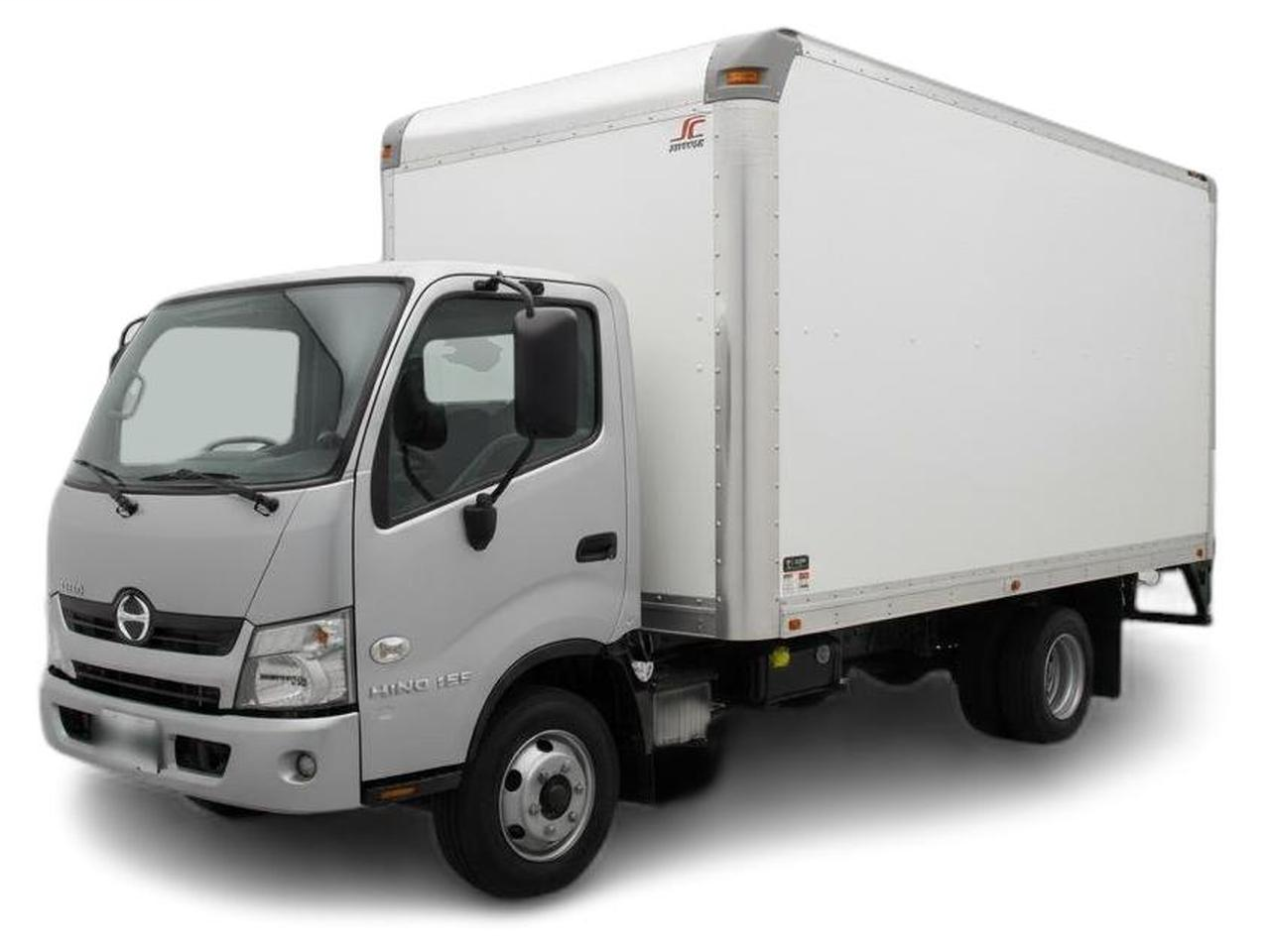
The 2016 Hino 155 is a Class 4 commercial truck, part of Hino's light-duty truck lineup. Primarily offered as a chassis cab, it allows for a wide variety of body upfits. Model years for this generation typically span from the early 2010s. Key trims are essentially defined by the wheelbase and GVWR. New pricing ranged from approximately $45,000 to $60,000, depending on configuration. It stands out for its durability, fuel efficiency, and maneuverability in urban environments, making it a popular choice for businesses requiring reliable delivery and service vehicles.
The Good
The 2016 Hino 155 offers robust reliability and impressive fuel efficiency, appealing to practical buyers focused on operational costs. Its durable construction provides peace of mind, while a comfortable cab enhances driver morale, touching on an emotional appeal for those who spend long hours on the road.
The Bad
Potential weaknesses for the 2016 Hino 155 include a relatively basic interior and technology offering compared to some competitors. Some owners have reported occasional issues with the DEF (Diesel Exhaust Fluid) system, requiring attention. Acceleration can also be modest, especially when heavily laden.
2016 Hino 155: Quick Overview
- Engine Options: The 2016 Hino 155 primarily features a Hino J05E-TC inline 4-cylinder turbocharged diesel engine.
- Horsepower: This engine typically produces around 168 horsepower.
- Torque: Expect approximately 350 lb-ft of torque.
- Fuel Economy: Actual fuel economy varies significantly based on load, terrain, and driving habits. However, Hino trucks are generally known for good fuel efficiency in their class, with owners often reporting figures in the 12-18 MPG range.
- 0-60 Times: Official 0-60 mph times are not typically published for commercial trucks like the Hino 155. With a typical load, acceleration will be deliberate rather than quick.
- Towing Capacity: The Hino 155 is a light-duty commercial truck with a Gross Vehicle Weight Rating (GVWR) typically around 15,000 lbs. Towing capacity is dependent on the specific configuration and installed hitch, but it's designed more for hauling payloads than for heavy towing. A common towing capacity when properly equipped might be in the range of 5,000-10,000 lbs, but this is highly variable and requires checking specific vehicle configurations.
- Transmission: It is often paired with an Allison 6-speed automatic transmission.
- Wheelbase Options: Available in various wheelbase configurations to accommodate different body types.
- GVWR: Typically around 15,000 lbs.
- Brakes: Hydraulic disc brakes are standard.
- Cab Style: Standard Cab is the primary offering, designed for functionality and driver visibility.
- Interior Features: Basic but functional. Includes standard amenities like air conditioning, power windows and locks (on some trims), and an AM/FM radio. Focus is on durability and ease of operation rather than luxury.
- Optional Features: Depending on the dealer and specific order, options might include upgraded radio systems, cruise control, and potentially specific body integrations from upfitters.
2016 Hino 155 Specifications
Vehicle Information
| Year | 2016 |
| Make | Hino |
| Model | 155 |
| Trim | - |
| Style | - |
| Type | Truck |
| Category | Medium Truck |
Manufacturing Details
| Made In | Japan |
| Manufacturing City | - |
Dimensions
| Doors | - |
| Curb Weight | - |
| Gross Vehicle Weight Rating | 14500 pounds |
| Overall Height | - |
| Overall Length | - |
| Overall Width | - |
| Wheelbase Length | - |
| Standard Seating | - |
Engine & Performance
| Engine | J05E-TP |
| Engine Size | 5L |
| Engine Cylinders | 4 |
| Transmission | - |
| Transmission Type | - |
| Transmission Speeds | - |
| Drivetrain | - |
Additional Features
| Anti-Brake System | - |
| Steering Type | - |
Pricing
| Manufacturer Suggested Retail Price (MSRP) | - |
| Invoice Price | - |
| Delivery Charges | - |
Vehicle History Report
Vehicle
Specifications
Specifications
Ownership
History
History
All History
Events
Events
NMVTIS Title
History Check
History Check
Salvage/Rebuilt
Check
Check
Accident
Check
Check
Theft
Check
Check
Open Lien
Check
Check
Past Sale
Listings
Listings
Safety
Recalls
Recalls
Odometer
Check
Check
Market Price
Analysis
Analysis
What Problems Does the 2016 Hino 155 Have?
The 2016 Hino 155 is generally considered a reliable workhorse, a reputation Hino has built over many years. However, like any vehicle, it is not immune to issues. One area that sometimes comes up in owner discussions, particularly with diesel engines of this era, is related to the Diesel Exhaust Fluid (DEF) system. Issues can range from sensor malfunctions to clogging of the injector or lines, which can lead to emissions-related warning lights and potentially derating of the engine if not addressed. Proper use of quality DEF fluid and regular checks are important. Another area, though less frequently reported as a widespread problem, can be with the transmission, especially if it is subjected to heavy, constant use without proper maintenance. Regular fluid changes for the Allison transmission are crucial for its longevity. Some owners might also note that the interior, while durable, can feel basic and less refined compared to consumer-grade trucks or vans, which can lead to a perception of wear and tear over time. Electrical gremlins, though not endemic, can occur as with any vehicle that has been in service for several years; these might include issues with lighting or dashboard indicators. Recalls for the 2016 model year are not particularly numerous or indicative of systemic failures, but it is always advisable to check the National Highway Traffic Safety Administration (NHTSA) website for any specific recalls that may have been issued for a particular VIN. Overall, the long-term reliability of the Hino 155 hinges significantly on consistent and thorough maintenance. Owners who adhere to the recommended service intervals and use quality parts and fluids tend to experience fewer significant problems and report high satisfaction with the truck's enduring performance. Issues are more likely to be related to wear and tear on components subjected to heavy use rather than inherent design flaws.
How long will the 2016 Hino 155 last?
Based on owner feedback and the robust nature of Hino trucks, the 2016 Hino 155 is expected to provide a long service life, typically well over 200,000 to 300,000 miles with diligent maintenance. Many businesses operate these trucks for 10-15 years or more. Long-term durability is a strong suit, with the chassis and powertrain designed for heavy-duty use. Weaknesses that may emerge over time relate to components experiencing high wear from frequent operation, such as suspension parts, brake components, and exhaust system elements. The DEF system, as mentioned, can require attention over many years. However, with regular oil changes, filter replacements, and adherence to the manufacturer's service schedule, the core components of the Hino 155 demonstrate impressive resilience.
What Technology & Safety Features are Included?
The 2016 Hino 155 is a commercial vehicle prioritizing function and utility over cutting-edge technology, so its built-in features are relatively basic but effective for its intended purpose.
Standard Tech and Entertainment: Standard equipment typically includes an AM/FM radio, often with an auxiliary input for connecting external audio devices. Bluetooth connectivity for hands-free calling and audio streaming might be available on higher trims or as an option, enhancing driver convenience and safety. Air conditioning is standard, crucial for driver comfort during long workdays. Power windows and door locks are also common, though manual operation may be found on base configurations.
Driver-Assistance and Safety Features: Safety is paramount in commercial vehicles. The 2016 Hino 155 comes equipped with essential safety features such as antilock braking system (ABS) for improved stopping control, especially in adverse conditions. Seatbelts are, of course, standard. The robust frame construction inherent to Hino trucks contributes to overall structural integrity. Visibility is generally good from the driver's seat, aided by large windows and mirrors.
Optional Features: Depending on the specific configuration ordered by a dealership or fleet buyer, optional features could include a more advanced audio system, a backup camera (increasingly important for commercial safety), and possibly cruise control for highway driving efficiency. Some fleet management telematics systems might also be integrated.
Crash-Test Ratings: Official crash-test ratings from organizations like the NHTSA or IIHS are generally not available for specialized commercial truck chassis cabs in the same way they are for passenger vehicles. Hino designs its trucks to meet or exceed all relevant federal safety standards for commercial vehicles, focusing on structural integrity, braking performance, and occupant protection within the context of a truck chassis.
Standard Tech and Entertainment: Standard equipment typically includes an AM/FM radio, often with an auxiliary input for connecting external audio devices. Bluetooth connectivity for hands-free calling and audio streaming might be available on higher trims or as an option, enhancing driver convenience and safety. Air conditioning is standard, crucial for driver comfort during long workdays. Power windows and door locks are also common, though manual operation may be found on base configurations.
Driver-Assistance and Safety Features: Safety is paramount in commercial vehicles. The 2016 Hino 155 comes equipped with essential safety features such as antilock braking system (ABS) for improved stopping control, especially in adverse conditions. Seatbelts are, of course, standard. The robust frame construction inherent to Hino trucks contributes to overall structural integrity. Visibility is generally good from the driver's seat, aided by large windows and mirrors.
Optional Features: Depending on the specific configuration ordered by a dealership or fleet buyer, optional features could include a more advanced audio system, a backup camera (increasingly important for commercial safety), and possibly cruise control for highway driving efficiency. Some fleet management telematics systems might also be integrated.
Crash-Test Ratings: Official crash-test ratings from organizations like the NHTSA or IIHS are generally not available for specialized commercial truck chassis cabs in the same way they are for passenger vehicles. Hino designs its trucks to meet or exceed all relevant federal safety standards for commercial vehicles, focusing on structural integrity, braking performance, and occupant protection within the context of a truck chassis.
What Colors Options are Available?
2016 Hino 155 Prices and Market Value
When new, the 2016 Hino 155 chassis cab typically had a price range of approximately $45,000 to $60,000, heavily influenced by wheelbase, GVWR, and any factory options or pre-installed body configurations. The used market prices for a 2016 Hino 155 in good condition, with average mileage for its age and a well-maintained history, can range significantly. Expect to see prices from around $20,000 to $40,000. Depreciation is moderate for commercial vehicles; while they lose value after initial purchase, their inherent durability and utility mean they hold their value reasonably well compared to consumer vehicles, especially if they are equipped with desirable body types (e.g., box truck, service body). Factors affecting resale value include overall mileage, mechanical condition, body condition, maintenance records, and the presence of any specific upfits or specialized equipment.
2016 Hino 155 Cost of Ownership
The 2016 Hino 155 is generally considered economical to own for a commercial truck. Insurance costs will vary based on usage, location, and driver history but are typically moderate for its class. Fuel costs are a significant factor; while efficient for a diesel, regular use will incur substantial fuel expenses, though less than larger trucks. Maintenance is crucial and can be moderately expensive, with oil changes, filter replacements, and routine checks being essential. Repairs for specialized diesel components can be costly if issues arise. Overall, its durability and efficiency make it cost-effective for businesses focused on reliable transportation, rather than luxury.
2016 Hino 155 Fuel Efficiency
Fuel Type
Diesel
Fuel Capacity
-
City Mileage
-
Highway Mileage
-
2016 Hino 155 Warranty
Basic
Original warranty
0 months / No data
Estimated remaining
Expired
Powertrain
Original warranty
0 months / No data
Estimated remaining
Expired
Rust
Original warranty
0 months / No data
Estimated remaining
Expired
2016 Hino 155 Insurance
Insurance for a 2016 Hino 155 is moderately priced, reflecting its status as a Truck with strong safety ratings and
reasonable repair costs.
How Does the 2016 Hino 155 Compare to Other Truck?
The 2016 Hino 155 operates in the competitive light-duty commercial truck segment, often competing with models like the Isuzu NPR series and the Freightliner M2 (in its lighter configurations).
Performance: Hino 155's 168 hp diesel engine provides good torque for its class, suitable for urban delivery and moderate hauling. The Isuzu NPR typically offers a similar or slightly higher horsepower diesel option. Freightliner M2, especially in heavier configurations, might offer more powerful engine choices but at a higher cost and weight.
Features: In 2016, features across these trucks were generally utilitarian. Hino 155's interior is functional but basic. Isuzu NPR also leans towards practicality. Freightliner M2 might offer a slightly more refined cabin or more available options in some configurations. Driver-assistance features were minimal across the board in this model year, with ABS being standard.
Reliability: Hino and Isuzu have strong reputations for diesel engine durability and overall chassis longevity, making them both excellent choices for businesses prioritizing uptime. Freightliner also builds robust trucks, but maintenance accessibility and cost can sometimes be a consideration.
Price: New pricing for these trucks is generally in a similar ballpark, though specific configurations and options can lead to variations. Used, the 2016 Hino 155 often represents a strong value proposition due to its balance of cost, reliability, and efficiency.
Alternatives:
* Isuzu NPR Series: A very direct and comparable competitor. Many businesses choose between Hino and Isuzu based on dealer proximity, specific pricing deals, or perceived long-term parts availability. Performance and reliability are often neck-and-neck.
* Ford F-650/F-750 (gas/diesel): These are generally larger and more robust, often exceeding the Hino 155's GVWR. They offer more power but are less fuel-efficient and more expensive.
* Freightliner M2 106: A strong competitor, particularly if more payload capacity or specific vocational upfits are required. It can be more expensive than the Hino 155.
For a business needing a reliable, fuel-efficient light-duty chassis cab for deliveries or service, the 2016 Hino 155 remains a solid choice, often comparable to the Isuzu NPR. If more power or higher GVWR is needed, the Freightliner M2 or larger Ford F-series trucks would be considered, though at a higher price point.
Performance: Hino 155's 168 hp diesel engine provides good torque for its class, suitable for urban delivery and moderate hauling. The Isuzu NPR typically offers a similar or slightly higher horsepower diesel option. Freightliner M2, especially in heavier configurations, might offer more powerful engine choices but at a higher cost and weight.
Features: In 2016, features across these trucks were generally utilitarian. Hino 155's interior is functional but basic. Isuzu NPR also leans towards practicality. Freightliner M2 might offer a slightly more refined cabin or more available options in some configurations. Driver-assistance features were minimal across the board in this model year, with ABS being standard.
Reliability: Hino and Isuzu have strong reputations for diesel engine durability and overall chassis longevity, making them both excellent choices for businesses prioritizing uptime. Freightliner also builds robust trucks, but maintenance accessibility and cost can sometimes be a consideration.
Price: New pricing for these trucks is generally in a similar ballpark, though specific configurations and options can lead to variations. Used, the 2016 Hino 155 often represents a strong value proposition due to its balance of cost, reliability, and efficiency.
Alternatives:
* Isuzu NPR Series: A very direct and comparable competitor. Many businesses choose between Hino and Isuzu based on dealer proximity, specific pricing deals, or perceived long-term parts availability. Performance and reliability are often neck-and-neck.
* Ford F-650/F-750 (gas/diesel): These are generally larger and more robust, often exceeding the Hino 155's GVWR. They offer more power but are less fuel-efficient and more expensive.
* Freightliner M2 106: A strong competitor, particularly if more payload capacity or specific vocational upfits are required. It can be more expensive than the Hino 155.
For a business needing a reliable, fuel-efficient light-duty chassis cab for deliveries or service, the 2016 Hino 155 remains a solid choice, often comparable to the Isuzu NPR. If more power or higher GVWR is needed, the Freightliner M2 or larger Ford F-series trucks would be considered, though at a higher price point.
Final Verdict: Is the 2016 Hino 155 a Good Truck?
The 2016 Hino 155 is ideal for small to medium-sized businesses that require a dependable, efficient, and cost-effective chassis cab for various vocational applications, such as delivery services, trades (plumbing, electrical), landscaping, or light-duty utility work. It is particularly well-suited for those operating in urban or suburban environments where maneuverability and fuel efficiency are key.
Given its age, buying a 2016 Hino 155 used is where most buyers will find value. It is worth buying if it has been well-maintained, has reasonable mileage for its age, and its mechanical condition checks out. Specific trims are less of a factor than the overall condition and the type of body installed. Focusing on trucks with a strong maintenance history and from reputable sellers will maximize the purchase's potential. For a business prioritizing low upfront cost and long-term operational efficiency over advanced technology, the 2016 Hino 155 remains a strong contender.
