
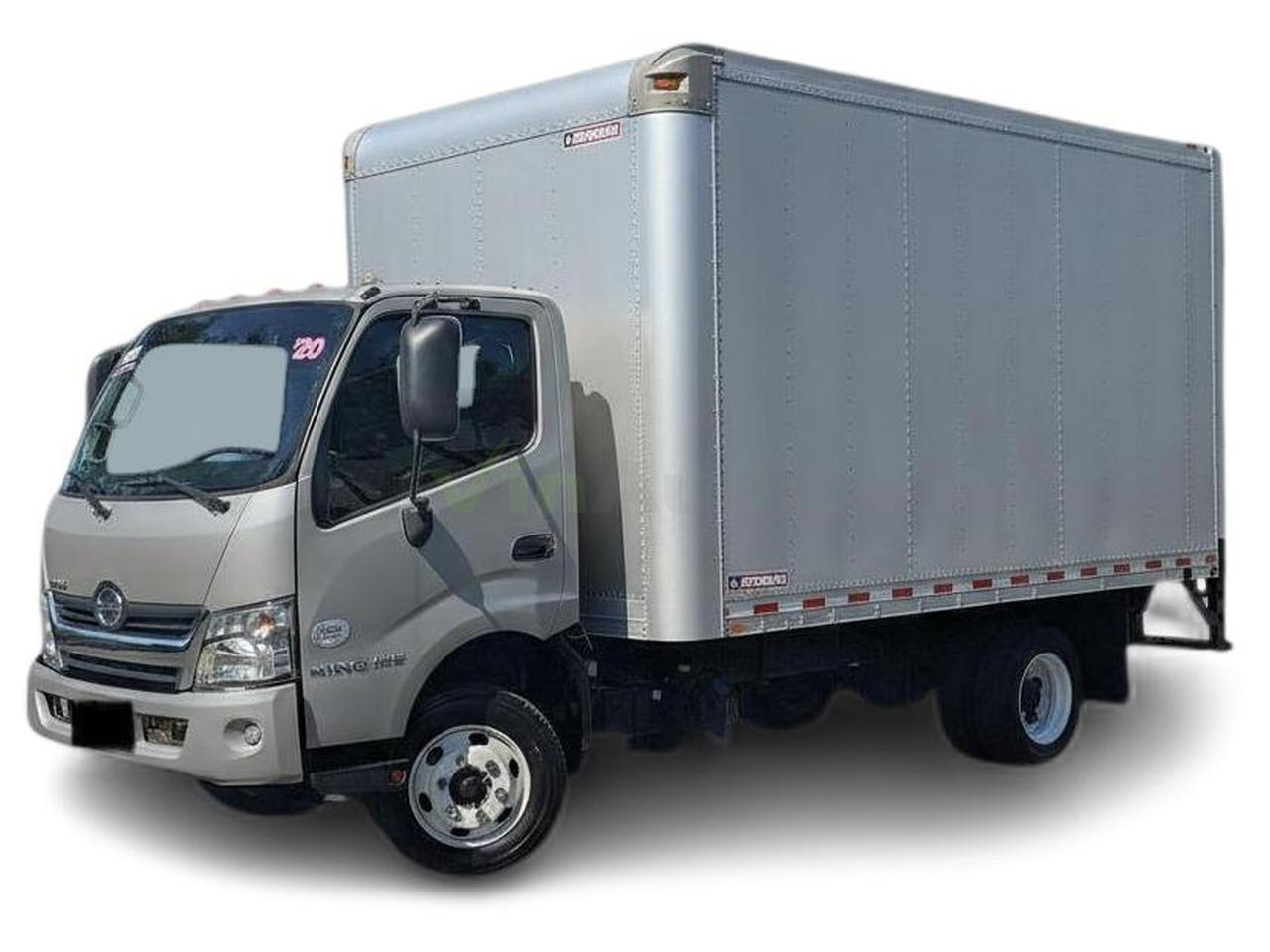
2020 Hino 155 Overview, Reviews, Ratings & Specs
The 2020 Hino 155 is a light-duty commercial truck designed for urban deliveries and vocational use. Part of Hino's 100 Series, it has been a consistent player in the segment for several years, with the 2020 model offering refined features. Primarily available as a chassis cab, it allows for various body upfits. While specific trims aren't heavily delineated like consumer vehicles, its popularity stems from its robust build, straightforward operation, and focus on business needs, often priced competitively in the low to mid-$40,000s range when new.
The Good
The 2020 Hino 155 boasts exceptional reliability and a durable design, ensuring peace of mind for practical buyers. Its efficient engine offers cost savings, while the comfortable cabin provides a pleasant driving experience, appealing to both the bottom line and driver satisfaction. It's a workhorse built to last.
The Bad
Potential buyers of the 2020 Hino 155 should be aware of its utilitarian interior, which may lack the refined amenities found in some competitors. Acceleration can be leisurely, and visibility can be somewhat limited in certain configurations due to its cab-forward design, requiring driver adaptation.
2020 Hino 155: Quick Overview
- Engine Options: The 2020 Hino 155 is typically equipped with a single engine option: Hino's J05E-TP engine, a 5.1-liter turbocharged diesel engine.
- Horsepower: This engine produces approximately 210 horsepower.
- Torque: It generates around 447 lb-ft of torque, crucial for hauling and towing.
- Fuel Economy: Specific EPA estimated fuel economy figures are not commonly published for commercial trucks like the Hino 155, as they are highly dependent on load, driving conditions, and body type. However, its diesel engine is designed for efficiency in its class.
- 0-60 Times: Acceleration figures are not typically a primary focus for commercial vehicles, and therefore, 0-60 mph times are not readily available or relevant for this application. Performance is geared towards torque and load-carrying capacity rather than rapid acceleration.
- Towing Capacity: While Hino 155 is primarily designed as a chassis cab for upfitting, its Gross Vehicle Weight Rating (GVWR) and Gross Combined Weight Rating (GCWR) determine its load-carrying and towing capabilities. The GVWR for the 155 typically falls in the range of 15,000 to 16,000 lbs, indicating its capacity for significant payload. Towing capacity would be dependent on the specific upfit and trailer setup but is substantial within its class.
- Trim-Level Features: The 2020 Hino 155 is offered in a standard configuration as a chassis cab, focusing on functionality and durability. Key features often include:
- Robust steel frame construction for durability.
- Standard air conditioning and power windows.
- An AM/FM stereo with auxiliary input.
- Hydraulic power steering for ease of maneuverability.
- Anti-lock Braking System (ABS) for enhanced safety.
- Durable interior materials designed for commercial use.
- Optional features might include a backup alarm or other work-specific functionalities depending on the dealer or specific build.
2020 Hino 155 Specifications
Vehicle Information
| Year | 2020 |
| Make | Hino |
| Model | 155 |
| Trim | - |
| Style | - |
| Type | Truck |
| Category | Heavy Truck |
Manufacturing Details
| Made In | Japan |
| Manufacturing City | HAMURA |
Dimensions
| Doors | - |
| Curb Weight | - |
| Gross Vehicle Weight Rating | - |
| Overall Height | - |
| Overall Length | - |
| Overall Width | - |
| Wheelbase Length | - |
| Standard Seating | - |
Engine & Performance
| Engine | J05E-TP |
| Engine Size | 5L |
| Engine Cylinders | 4 |
| Transmission | - |
| Transmission Type | - |
| Transmission Speeds | - |
| Drivetrain | - |
Additional Features
| Anti-Brake System | - |
| Steering Type | - |
Pricing
| Manufacturer Suggested Retail Price (MSRP) | - |
| Invoice Price | - |
| Delivery Charges | - |
Vehicle History Report
Vehicle
Specifications
Specifications
Ownership
History
History
All History
Events
Events
NMVTIS Title
History Check
History Check
Salvage/Rebuilt
Check
Check
Accident
Check
Check
Theft
Check
Check
Open Lien
Check
Check
Past Sale
Listings
Listings
Safety
Recalls
Recalls
Odometer
Check
Check
Market Price
Analysis
Analysis
What Problems Does the 2020 Hino 155 Have?
The 2020 Hino 155, like many commercial vehicles, is generally known for its robust build and long-term reliability, a core selling point for businesses. However, specific to this model year, and across many Hino 155 iterations, some owners and fleet managers have reported a few recurring points. One area that sometimes surfaces is related to the exhaust aftertreatment system, common in modern diesel engines, which can occasionally require maintenance or have sensors that act up, potentially leading to warning lights or reduced performance. This is not unique to Hino but is a general concern for diesel trucks adhering to strict emissions standards. Another point sometimes mentioned is the infotainment system, which, while functional, may not be as intuitive or feature-rich as those found in contemporary consumer vehicles. Some users might find the software to be a bit basic or occasionally prone to minor glitches. Regarding recalls, it is essential to check official NHTSA (National Highway Traffic Safety Administration) databases for the most up-to-date information specific to the 2020 model year. Recalls, when issued for commercial vehicles, often pertain to safety-critical components like braking systems, steering, or engine control modules, but they are typically addressed promptly by manufacturers to ensure operational safety and compliance. Long-term reliability is generally high, with many Hino 155 trucks exceeding 200,000 miles with proper maintenance. The J05E diesel engine is a well-regarded powerplant known for its durability. Owners who adhere to the recommended maintenance schedule, including timely oil changes, fuel filter replacements, and DPF (Diesel Particulate Filter) regeneration, are likely to experience minimal significant issues. The primary long-term considerations often revolve around wear-and-tear components like brakes, tires, and suspension, which are expected given the vehicle's intended use.
How long will the 2020 Hino 155 last?
The 2020 Hino 155 is built for longevity and is expected to serve its owners for many years and a significant number of miles. With consistent, diligent maintenance following Hino's recommendations, it is not uncommon for these trucks to reach or exceed 250,000 miles, with many potentially lasting much longer. Owners often report that the core powertrain and chassis components are exceptionally durable. Weaknesses over time are typically related to the natural wear and tear of components that are subject to heavy use, such as brakes, suspension parts, and potentially exhaust systems, particularly in demanding vocational applications. The diesel engine itself, with proper care, demonstrates remarkable long-term resilience.
What Technology & Safety Features are Included?
The 2020 Hino 155 prioritizes functionality and safety over extensive technological integration, which is typical for its class as a commercial chassis cab. In terms of built-in tech and entertainment, the standard offering usually includes an AM/FM stereo with an auxiliary input for connecting personal devices, and basic climate controls. While not as sophisticated as modern car systems, this setup is designed for reliability and ease of use during long workdays. Bluetooth connectivity might be an available option on some units, allowing for hands-free calling and audio streaming. Driver-assistance features are relatively limited, focusing on essential safety systems rather than advanced comfort aids. Standard safety equipment includes an Anti-lock Braking System (ABS) to help prevent wheel lock-up during hard braking, improving stability and steering control. Power steering is also standard for easier maneuverability, especially when loaded. The sturdy construction of the cab itself is a primary safety feature, designed to protect occupants. Optional safety features might include a backup alarm to alert pedestrians when reversing. Due to its commercial nature and intended use, the 2020 Hino 155 is not typically subjected to the same consumer-focused crash-test ratings (like NHTSA's 5-star system) as passenger cars and SUVs. Instead, its safety compliance is assessed through different regulatory standards for commercial vehicles, focusing on structural integrity and the performance of critical safety systems like brakes and steering under various load conditions. The focus remains on providing a safe and dependable platform for various vocational applications.
What Colors Options are Available?
2020 Hino 155 Prices and Market Value
When new, the 2020 Hino 155 chassis cab typically had a starting Manufacturer's Suggested Retail Price (MSRP) in the range of $40,000 to $50,000, depending on specific configurations and options. Current used market prices for a 2020 Hino 155 can vary significantly, often falling between $25,000 and $40,000, heavily influenced by mileage, condition, and the type of body it is equipped with (e.g., box truck, flatbed). Hino trucks are known for holding their value relatively well within the commercial vehicle sector due to their reputation for reliability and durability. Depreciation is generally steady rather than steep, especially for well-maintained units. Factors affecting resale value include the number of miles driven, the truck's maintenance history, the condition of the engine and transmission, and the overall wear and tear from its operational use. Trucks with specialized upfits that are in high demand will also command higher resale prices.
2020 Hino 155 Cost of Ownership
Owning a 2020 Hino 155 can be economical when managed effectively. Insurance costs will be higher than for a consumer vehicle due to its commercial nature and value, but typically reasonable for its class. Fuel costs, while dependent on diesel prices and usage, are generally efficient for its size and power. Maintenance is crucial; adhering to Hino's recommended schedule (oil changes, filters, DEF fluid) is vital and represents a significant but necessary expense. Repairs, when needed, can be more costly than for smaller vehicles, given the specialized diesel components. Overall, it's designed as a cost-effective work tool, with long-term ownership costs being manageable for businesses prioritizing reliability.
2020 Hino 155 Fuel Efficiency
Fuel Type
Diesel
Fuel Capacity
-
City Mileage
-
Highway Mileage
-
2020 Hino 155 Warranty
Basic
Original warranty
0 months / No data
Estimated remaining
Expired
Powertrain
Original warranty
0 months / No data
Estimated remaining
Expired
Rust
Original warranty
0 months / No data
Estimated remaining
Expired
2020 Hino 155 Insurance
Insurance for a 2020 Hino 155 is moderately priced, reflecting its status as a Truck with strong safety ratings and
reasonable repair costs.
How Does the 2020 Hino 155 Compare to Other Truck?
The 2020 Hino 155 competes in the light-duty commercial truck segment, primarily against rivals like the Isuzu NPR, Mitsubishi Fuso FE Series, and Chevrolet Express Cutaway (when configured for commercial use).
Performance: The Hino 155's 5.1-liter diesel engine with 210 horsepower and 447 lb-ft of torque provides strong pulling power, suitable for urban deliveries and vocational tasks. The Isuzu NPR often offers similar diesel options, sometimes with slightly higher horsepower or torque depending on the specific configuration. The Mitsubishi Fuso FE is also a strong contender in this performance bracket. The Chevrolet Express Cutaway, typically with gasoline V8 engines, may offer quicker acceleration but less torque and potentially lower fuel efficiency when heavily loaded.
Features: The Hino 155 emphasizes core functionality. Its interior is durable but utilitarian. Rivals like the Isuzu NPR and Fuso FE also offer robust, business-focused interiors, often with comparable basic amenities. The Express Cutaway, being based on a van platform, might offer a slightly more car-like interior in its base form but lacks the heavy-duty chassis and diesel power often preferred for severe-duty work.
Reliability: Hino has a strong reputation for reliability, a key advantage for the 155. Similarly, Isuzu and Mitsubishi Fuso are renowned for their durable diesel powertrains and chassis, making them very comparable in this aspect. Long-term ownership data often supports the longevity of these Japanese-engineered commercial trucks. The Chevrolet Express, while a popular platform, might have a slightly less consistent record for long-term powertrain durability under heavy commercial use compared to its diesel counterparts.
Price: When new, the Hino 155, Isuzu NPR, and Mitsubishi Fuso FE are typically priced in a similar range for comparable configurations. The Express Cutaway might have a lower entry price, but the cost of a diesel engine conversion or the ongoing fuel expense can equalize or exceed the price of a dedicated diesel truck.
Recommendations:
For businesses prioritizing proven diesel reliability and robust chassis, the 2020 Hino 155 remains an excellent choice. A very similar alternative offering comparable performance and reliability is the 2020 Isuzu NPR. If a slightly more refined cabin experience is desired, the 2020 Mitsubishi Fuso FE could also be considered. For those needing gasoline power and potentially quicker empty acceleration, the 2020 Chevrolet Express Cutaway is an option, though it may not be as suited for the most demanding, heavy-duty applications.
Final Verdict: Is the 2020 Hino 155 a Good Truck?

The 2020 Hino 155 is ideal for small to medium-sized businesses and independent contractors who require a reliable, durable, and efficient light-duty commercial truck for local deliveries, trades, or vocational services. It is particularly well-suited for those who prioritize longevity, robust performance, and straightforward operation over advanced technology or luxury. This vehicle is definitely worth buying for its strong reputation for reliability and its capacity to handle demanding work. Purchasing it used, especially with lower mileage and a documented maintenance history, can offer excellent value. While new models offer the latest features and warranty, a well-maintained used 2020 Hino 155 presents a highly practical and economical investment for any business needing a dependable workhorse.