
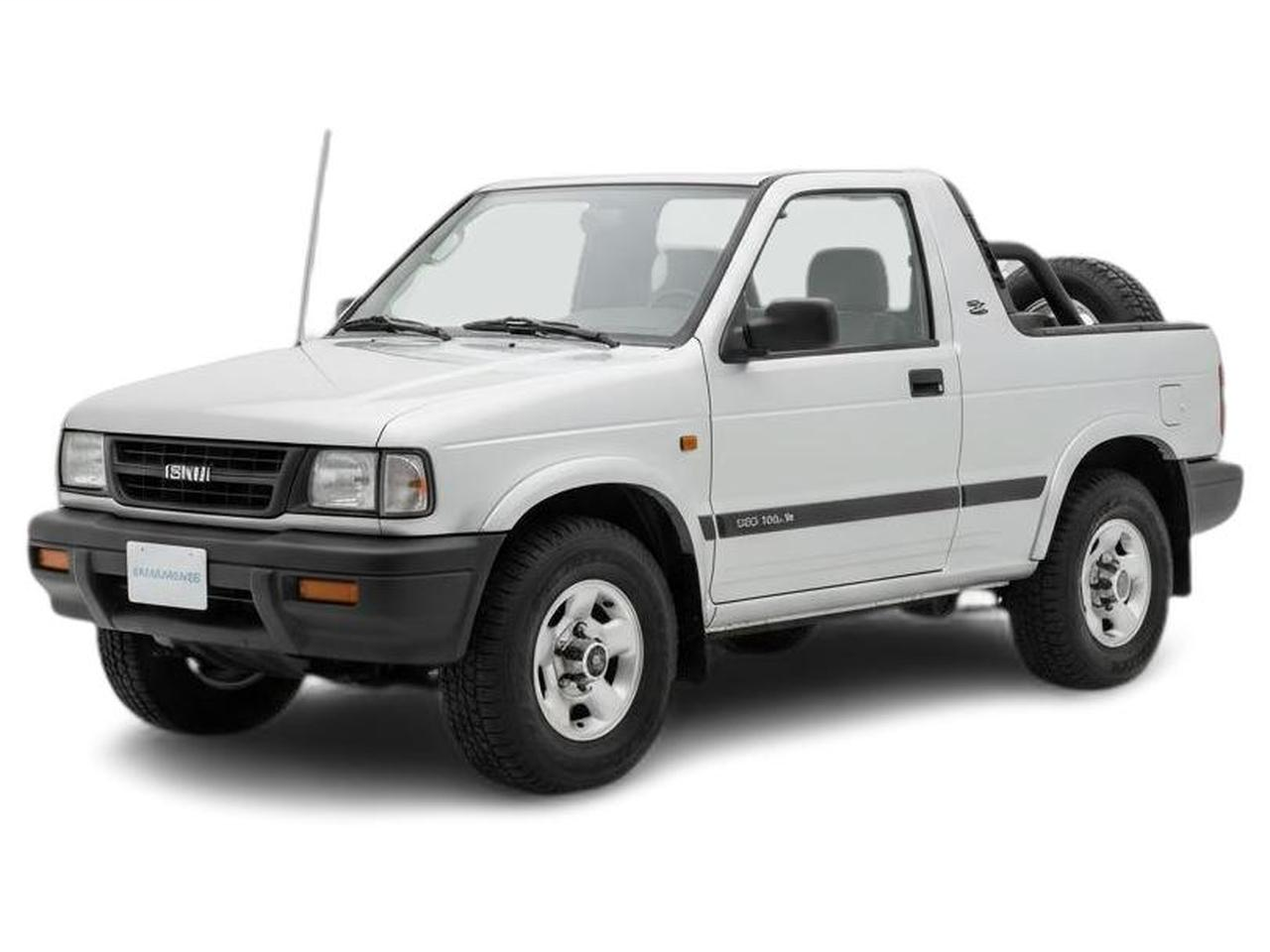
The Good
The 1993 Isuzu Amigo boasts a charmingly rugged design and surprising off-road capability for its class. Its compact size makes it maneuverable, and its straightforward mechanicals contribute to decent reliability. The open-air experience with the removable top is a significant emotional draw, while its relative affordability offers practical value.
The Bad
When considering a 1993 Isuzu Amigo, watch out for rust, particularly on the frame and body panels. Engine and transmission issues, along with electrical gremlins and worn suspension components, are also common. Interior wear and tear, especially on seats and trim, should be carefully inspected.
1993 Isuzu Amigo: Quick Overview
- Engine Options: The 1993 Isuzu Amigo was primarily offered with a 2.3-liter inline-four cylinder engine.
- Horsepower: This engine typically produced around 105 horsepower.
- Torque: Torque figures were generally in the vicinity of 130 lb-ft.
- Transmission: Available transmissions included a 5-speed manual and a 4-speed automatic.
- Drivetrain: Rear-wheel drive (RWD) was standard, with four-wheel drive (4WD) being an optional upgrade.
- Fuel Economy: Estimated fuel economy varied depending on the transmission and drivetrain, but generally hovered around 18-20 MPG in the city and 22-25 MPG on the highway.
- 0-60 Times: Acceleration was not a strong suit, with 0-60 MPH times often in the 12-15 second range.
- Towing Capacity: The Amigo was not designed for heavy towing. Its towing capacity was typically limited to around 1,500 to 2,000 lbs, suitable for small trailers or utility purposes.
- Trim-Level Features (S and XS):
- S Trim: This base trim usually included essential features such as power steering, intermittent wipers, a tilt steering wheel, and a basic AM/FM radio with cassette player. It often came with 15-inch wheels.
- XS Trim: The XS trim often added more creature comforts and aesthetic enhancements. These could include air conditioning, power windows and door locks, cruise control, a tachometer, upgraded interior trim, and sometimes alloy wheels. The XS trim also offered the option of the removable soft-top or hard-top configuration more prominently.
- Optional Features: Depending on the trim and specific vehicle, optional features could include anti-lock brakes (ABS), a more robust stereo system, upgraded upholstery, and floor mats.
1993 Isuzu Amigo Specifications
Vehicle Information
| Year | 1993 |
| Make | Isuzu |
| Model | Amigo |
| Trim | - |
| Style | 2WD |
| Type | Sport Utility Vehicle |
| Category | Standard Sport Utility Vehicle |
Manufacturing Details
| Made In | Japan |
| Manufacturing City | KEIHIN |
Dimensions
| Doors | 2-Door |
| Curb Weight | 3330 pounds |
| Gross Vehicle Weight Rating | - |
| Overall Height | 65.20 inches |
| Overall Length | 165.70 inches |
| Overall Width | 70.10 inches |
| Wheelbase Length | 91.70 inches |
| Standard Seating | 4 |
Engine & Performance
| Engine | 2.3L I4 |
| Engine Size | 2.3L |
| Engine Cylinders | 4 |
| Transmission | 5-Speed Manual |
| Transmission Type | Manual |
| Transmission Speeds | 5-Speed |
| Drivetrain | Rear-Wheel Drive |
Additional Features
| Anti-Brake System | Non-ABS |
| Steering Type | Recirculating |
Pricing
| Manufacturer Suggested Retail Price (MSRP) | $12,249 |
| Invoice Price | - |
| Delivery Charges | - |
Vehicle History Report
Specifications
History
Events
History Check
Check
Check
Check
Check
Listings
Recalls
Check
Analysis
What Problems Does the 1993 Isuzu Amigo Have?
Powertrain issues are also common. The 2.3-liter engine, while generally robust, can suffer from head gasket failures, oil leaks, and radiator problems. The automatic transmissions, in particular, have been known to develop issues, including slipping or outright failure if not properly maintained. The 5-speed manual transmission is generally more reliable but can still experience clutch wear and shifting problems.
Electrical problems can range from minor annoyances to more significant issues. This can include malfunctioning power windows and locks, faulty dashboard gauges, intermittent interior lighting, and issues with the radio or HVAC controls. The wiring harnesses can degrade over time, leading to unpredictable electrical behavior.
Suspension and steering components are also prone to wear and tear. Worn ball joints, tie rod ends, bushings, and shocks can lead to poor handling, steering looseness, and premature tire wear. The power steering system can develop leaks or pump failures.
While specific recalls for the 1993 model year Amigo are not as extensive as some other vehicles, general recalls affecting Isuzu vehicles of this period might include items related to braking systems or fuel systems. It is always advisable to check the National Highway Traffic Safety Administration (NHTSA) database for any applicable recalls.
In terms of long-term reliability, the Amigo's complexity is relatively low compared to modern vehicles, which can be an advantage for DIY mechanics. However, the availability of some specific replacement parts can become challenging, especially for cosmetic items or more specialized components. The overall reliability often hinges on how well the vehicle has been maintained throughout its life. A well-maintained Amigo can still offer years of service, but neglected examples are more likely to present a cascade of issues.
How long will the 1993 Isuzu Amigo last?
What Technology & Safety Features are Included?
Driver-assistance features were virtually non-existent. The primary focus was on the mechanical aspects of the vehicle. Features like cruise control might have been available as an option on higher trims, but advanced systems like traction control or stability control were not offered.
Safety features were also rudimentary. Standard safety equipment would have included seat belts and potentially airbags for the driver and front passenger. Anti-lock brakes (ABS) were often an optional feature, particularly on the XS trim, and were a significant safety enhancement for the time, helping to prevent wheel lock-up during hard braking. The Amigo's body-on-frame construction provided a degree of inherent structural rigidity, but its compact size and weight meant it was at a disadvantage in collisions with larger vehicles.
Crash-test ratings for vehicles from this era are not always readily available or comparable to modern standards. However, the Isuzu Amigo's safety performance was likely in line with other compact SUVs of the early to mid-1990s. While it offered basic safety features for its time, it would not meet current safety benchmarks. Buyers seeking advanced safety technology or modern infotainment systems will find the 1993 Amigo lacking. Its appeal lies more in its mechanical simplicity and open-air driving experience rather than cutting-edge technology or safety innovations.
What Colors Options are Available?
1993 Isuzu Amigo Prices and Market Value
Today, the used market prices for a 1993 Isuzu Amigo can vary significantly. Clean, well-maintained examples in good mechanical condition might fetch anywhere from $3,000 to $7,000. However, models with extensive modifications, high mileage, or significant rust can be found for under $2,000.
The Amigo has experienced substantial depreciation from its original price. However, its resale value is positively influenced by factors like its quirky styling, off-road capability, and the increasing demand for older, simpler, and more characterful SUVs. Models in excellent original condition, especially those with fewer miles and the desirable soft-top option, tend to hold their value better and can even appreciate slightly among enthusiasts. Conversely, rust, mechanical issues, and neglected maintenance severely diminish its resale value.
1993 Isuzu Amigo Cost of Ownership
1993 Isuzu Amigo Fuel Efficiency
1993 Isuzu Amigo Safety Rating
NHTSA
IIHS
1993 Isuzu Amigo Warranty
Basic
Powertrain
Rust
1993 Isuzu Amigo Insurance
reasonable repair costs.
How Does the 1993 Isuzu Amigo Compare to Other Sport Utility Vehicle?
Performance: In terms of performance, the Amigo's 2.3L engine was adequate but often outgunned by competitors. The Jeep Wrangler offered more robust off-road performance and a wider range of engine options. The Suzuki Sidekick/Geo Tracker, while less powerful, was nimble and equally capable off-road in its own way. The Amigo's 105 horsepower was modest, making acceleration a slow affair.
Features: Feature-wise, the Amigo was fairly basic. Higher trims offered some amenities like A/C and power windows, but it lagged behind more refined SUVs like the early 4Runner, which often boasted more creature comforts and advanced options for the time. The Jeep Wrangler prioritized raw capability over luxury. The Sidekick/Tracker was also a minimalist offering. The Amigo's removable top was a key differentiator, offering a unique open-air experience akin to the Wrangler.
Reliability: Reliability is a mixed bag. The Isuzu Amigo is generally considered mechanically sound with proper maintenance, but rust and electrical gremlins can be issues, as noted. The Suzuki Sidekick/Geo Tracker was known for some specific powertrain issues. The Jeep Wrangler has a reputation for ruggedness but can also be prone to mechanical wear and tear with hard use. Toyota's 4Runner from this era is legendary for its bulletproof reliability.
Price: The Amigo was competitively priced, often undercutting some competitors, especially the more premium options like the 4Runner. The Jeep Wrangler and Suzuki Sidekick/Geo Tracker offered various price points depending on trim and options.
Recommendations:
Similar Alternatives: If you're looking for a similar compact, rugged, and fun-to-drive SUV from this era, the Suzuki Sidekick/Geo Tracker is a strong contender, often offering similar capabilities at a comparable price point. The Jeep Wrangler (YJ generation) is the undisputed king of off-road, but typically commands higher prices and can be less comfortable for daily driving.
Better Alternatives: For those prioritizing reliability and a more refined daily driving experience while still wanting SUV capability, a used Toyota 4Runner (2nd gen) or even an early Ford Bronco II might be superior choices, though they will likely be more expensive and offer a different aesthetic. If you desire a truly classic off-roader with a strong community and parts availability, the Jeep Wrangler is hard to beat, though it comes with its own set of compromises.
Final Verdict: Is the 1993 Isuzu Amigo a Good Sport Utility Vehicle?
Whether it's worth buying depends heavily on the specific vehicle's condition. A well-maintained Amigo, especially a rust-free example, can be a rewarding purchase. It's definitely a used-only proposition, as it's long out of production. Specific trims like the XS, which often came with more desirable features like air conditioning, might offer a better ownership experience. However, buyers must be prepared for potential maintenance and be vigilant about checking for rust. For those who can find one in good shape and appreciate its character, it offers a distinct and enjoyable ownership experience.

Eugene S
Eugene is an automotive enthusiast with over 15 years of experience in the used car market. As a writer at VINCheck.info, he brings deep industry insight and a passion for cars, helping readers make smart, informed decisions. Eugene has written hundreds of used car reviews and is known for breaking down complex automotive topics into clear, actionable advice. Over the years, he has driven and worked on a wide range of vehicles—starting with tuning street cars in his early days and eventually focusing on performance upgrades and reliability improvements. Today, he specializes in evaluating used vehicles through the lens of real-world ownership and enthusiast needs. A longtime fan of Porsche, Eugene especially appreciates vehicles that blend durability with driving enjoyment.