
by VIN, Year, Make, Model by License Plate

1996 Lincoln Continental Overview, Reviews, Ratings & Specs

Rating: 0.00
Based on 0 Owner Reviews
Eugene S | December 21, 2025
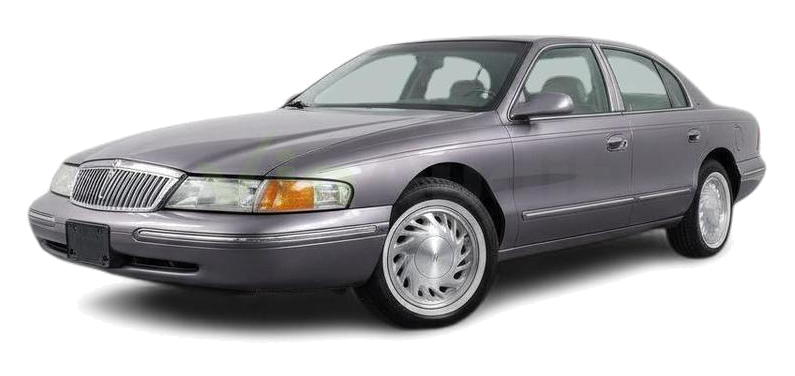
The 1996 Lincoln Continental, part of the ninth generation (1995-2002), is a full-size luxury sedan that continued Lincoln's tradition of refined American motoring. Key trims included the base Continental and the more upscale Signature Series. Originally priced in the high $30,000s to low $40,000s, this Continental stood out for its distinctive styling, opulent interior, and a smooth, quiet ride, appealing to those seeking a comfortable and stately boulevard cruiser.
The Good

The 1996 Continental offers a supremely comfortable and quiet ride, plush interior appointments, and a dignified design. Its V8 engine provides smooth power, while the overall value proposition for a luxury sedan of its era remains attractive to those prioritizing comfort and prestige.

The Bad

Potential buyers should be aware of common issues such as transmission problems, coolant leaks, and electrical gremlins, particularly with the climate control and power accessories. Suspension components and aging interior materials can also present challenges over time.

1996 Lincoln Continental: Quick Overview

  • Engine Options: The 1996 Lincoln Continental exclusively featured a 4.6L V8 engine.
  • Horsepower: This V8 produced approximately 205 horsepower.
  • Fuel Economy: EPA estimates for the 1996 Continental were around 16 MPG city and 22 MPG highway.
  • 0-60 Times: Acceleration figures typically ranged from 8.5 to 9.5 seconds, depending on conditions and specific model.
  • Towing Capacity: As a luxury sedan, towing capacity was not a primary design consideration and is generally not specified or recommended.
  • Trim-Level Features:
    Base Continental:
    • Leather-trimmed seats
    • Power-adjustable front seats
    • Automatic climate control
    • Power windows, locks, and mirrors
    • AM/FM stereo with cassette player
    • Cruise control
    • Driver and front passenger airbags
    • Anti-lock Braking System (ABS)
    • Speed-sensitive variable-assist power steering
    • Light-sensing automatic headlamps
    • 16-inch alloy wheels
    Signature Series: (Included all base features plus)
    • Enhanced leather upholstery with wood trim accents
    • Power-adjustable rear seats
    • Power-operated sunroof
    • Premium audio system with CD player
    • Memory settings for driver's seat, mirrors, and steering wheel
    • Traction control system
    • Heated front seats
    • Rear climate control vents
    • Fog lamps
    All models came standard with front-wheel drive.

1996 Lincoln Continental Specifications

Vehicle Information
Year 1996
Make Lincoln
Model Continental
Trim -
Style -
Type Sedan
Category Compact Car
Manufacturing Details
Made In United States
Manufacturing City WIXOM
Dimensions
Doors -
Curb Weight -
Gross Vehicle Weight Rating -
Overall Height -
Overall Length -
Overall Width -
Wheelbase Length -
Standard Seating -
Engine & Performance
Engine 4.6L V8
Engine Size 4.6L
Engine Cylinders 8
Transmission 4 Automatic
Transmission Type Automatic
Transmission Speeds 4-Speed
Drivetrain Front-Wheel Drive
Additional Features
Anti-Brake System -
Steering Type -
Pricing
Manufacturer Suggested Retail Price (MSRP) -
Invoice Price -
Delivery Charges -

Vehicle History Report

Vehicle
Specifications
Ownership
History
All History
Events
NMVTIS Title
History Check
Salvage/Rebuilt
Check
Accident
Check
Theft
Check
Open Lien
Check
Past Sale
Listings
Safety
Recalls
Odometer
Check
Market Price
Analysis

What Problems Does the 1996 Lincoln Continental Have?

The 1996 Lincoln Continental, while generally offering a comfortable ownership experience, is not without its common reported issues. One of the most frequently cited problems revolves around the transmission, with owners reporting premature failure or harsh shifting. These issues could stem from the 4-speed automatic transmission used in this generation. Another area of concern is coolant leaks, often originating from the intake manifold gasket or heater core, leading to potential overheating and engine damage if not addressed promptly. Electrical gremlins are also a recurring theme; problems with the climate control system, including malfunctioning blend doors and AC compressor issues, are not uncommon. Power window motors, door lock actuators, and the power antenna can also fail over time. Some owners have reported issues with the instrument cluster, particularly the digital odometer display fading or failing. For the 1996 model year specifically, there were recalls related to potential issues with the fuel tank filler neck, which could pose a fire hazard, and a recall concerning the rear seat belt retractors. Long-term reliability can be impacted by the age of the vehicle and the complexity of its systems. While the 4.6L V8 engine itself is generally considered robust, its longevity can be compromised by poor maintenance, especially regarding coolant flushes and oil changes. The air suspension system, if equipped on certain models, can also become a maintenance headache as it ages, with common failures including leaking air springs and compressor issues. Regular and diligent maintenance is paramount for mitigating these potential problems and ensuring a more reliable ownership experience with a 1996 Continental.

How long will the 1996 Lincoln Continental last?

Based on owner data and typical maintenance, a well-maintained 1996 Lincoln Continental can realistically be expected to last between 150,000 to 200,000 miles, or potentially more. Some owners have reported reaching well over 250,000 miles. The long-term durability of the 4.6L V8 engine is generally good, but its lifespan is heavily influenced by consistent oil changes and coolant flushes. The transmission, however, is often cited as a weaker point, and its longevity can vary significantly. Electrical components and interior trim are more prone to degradation over time due to age and material quality, requiring more attention in older vehicles. Regular servicing and prompt attention to emerging issues are key to maximizing the vehicle's service life.

What Technology & Safety Features are Included?

The 1996 Lincoln Continental offered a respectable array of technology and safety features for its era, prioritizing occupant comfort and convenience. Standard technology included an automatic climate control system, which managed cabin temperature automatically, and a power-operated driver and front passenger seat with multiple adjustments. The entertainment system typically consisted of an AM/FM stereo with a cassette player. Optional upgrades included a premium sound system, often with a CD player, enhancing the audio experience. Driver-assistance features were limited by modern standards but included cruise control and speed-sensitive variable-assist power steering, which adjusted steering effort based on vehicle speed for better control. Anti-lock Braking System (ABS) was standard, providing improved stopping power and stability during hard braking. Safety features were anchored by standard dual front airbags for the driver and front passenger. The vehicle also featured a reinforced body structure designed to absorb impact energy. While specific crash-test ratings for the 1996 model are not as readily available or standardized as today's NHTSA and IIHS scores, vehicles from this era were generally designed to meet federal safety mandates. Later models in this generation, including those in the late 90s, received decent ratings in frontal and side-impact tests for their time, suggesting a solid foundational safety structure for the 1996 model. Some optional features might have included a power sunroof and fog lamps. The interior lighting, including light-sensing automatic headlamps, also contributed to the vehicle's technological offerings, enhancing nighttime visibility and convenience for the driver.

What Colors Options are Available?

We’re working on this section!
In the meantime, feel free to explore the other sections for more content.

1996 Lincoln Continental Prices and Market Value

When new, the 1996 Lincoln Continental had an original MSRP that typically ranged from approximately $37,000 for the base model to over $42,000 for the Signature Series. Like most luxury vehicles, it experienced significant depreciation in its early years. Today, the used market prices for a 1996 Continental vary widely based on condition, mileage, and trim level. You can often find examples ranging from $2,000 to $6,000, with exceptionally well-preserved or low-mileage examples potentially fetching a bit more. Factors significantly affecting resale value include the presence of extensive service records, the condition of the interior and exterior, and the functionality of major systems like the transmission and climate control. Vehicles with known issues or high mileage will command lower prices. The Continental's appeal as a classic American luxury car can sometimes boost its value among enthusiasts.

1996 Lincoln Continental Cost of Ownership

Owning a 1996 Lincoln Continental can be considered moderately costly, especially as it ages. Insurance rates are generally reasonable for a sedan of its vintage, but repair costs can be higher due to the luxury components and complexity. Fuel economy, at around 16 MPG city and 22 MPG highway, is not economical by today's standards. Maintenance can be manageable if routine items are kept up, but repairs, particularly for transmission or electrical issues, can be substantial. While not prohibitively expensive, it's certainly not an economical daily driver if budget is a primary concern. Expect costs to increase with age and mileage.

1996 Lincoln Continental Fuel Efficiency

Fuel Type Gasoline
Fuel Capacity -
City Mileage -
Highway Mileage -

1996 Lincoln Continental Insurance

Insurance for a 1996 Lincoln Continental is moderately priced, reflecting its status as a Sedan with strong safety ratings and
reasonable repair costs.

How Does the 1996 Lincoln Continental Compare to Other Sedan?

The 1996 Lincoln Continental competed in the luxury sedan segment against formidable rivals such as the Cadillac DeVille, Lexus LS 400, and Mercedes-Benz E-Class. In terms of performance, the Continental's 4.6L V8 offered smooth, adequate power for comfortable cruising, but it was outpaced by the more potent engines found in some competitors, particularly the V8s in the Cadillac DeVille and the refined power delivery of the Lexus LS 400. The Mercedes-Benz E-Class offered a more engaging driving dynamic and often more advanced engine options. Feature-wise, the Continental was well-equipped with luxury appointments like leather seats and automatic climate control, appealing to American luxury tastes. However, rivals like the Lexus LS 400 set a higher benchmark for interior opulence and cutting-edge technology for the time. Reliability is a mixed bag; while the Continental's V8 is solid, its transmission and electrical systems are known weak points, whereas the Lexus LS 400 built a reputation for exceptional long-term reliability and build quality. The Cadillac DeVille offered a similar American luxury experience but often faced its own set of reliability concerns. Price-wise, the Continental was generally positioned as a more accessible entry into the luxury sedan market compared to the premium pricing of the Mercedes-Benz E-Class and the higher-end Lexus models, making it a value proposition for those seeking American comfort.

Similar Alternatives:
  • Cadillac DeVille (1996): Offers a comparable American luxury experience, often with a more distinct styling and a focus on comfort. Reliability can be similar to the Continental.
  • Buick Park Avenue Ultra (1996): Another strong contender in American luxury, offering a supercharged V6 for spirited performance and a very comfortable ride.
Better Alternatives (depending on priorities):
  • Lexus LS 400 (1996): If impeccable reliability, superior build quality, and refined luxury are top priorities, the LS 400 is a strong choice, though it may be more expensive on the used market.
  • Mercedes-Benz E-Class (1996): For those who prioritize driving dynamics, superior engineering, and a more European luxury feel, the E-Class is a superior option, though maintenance costs can be higher.

Final Verdict: Is the 1996 Lincoln Continental a Good Sedan?

The 1996 Lincoln Continental is ideal for buyers seeking a comfortable, quiet, and stately American luxury sedan on a budget. It's a great choice for those who prioritize a smooth ride and plush interior over sharp handling or cutting-edge technology.

It is worth buying, but with significant caveats. For a used purchase, expect to pay between $2,000-$6,000 depending on condition. Buyers should be prepared for potential maintenance costs, particularly concerning the transmission and electrical systems. Thorough pre-purchase inspection by a trusted mechanic is crucial. The Signature Series trim offers a more opulent experience and is generally a good target if available. It's not recommended for those who need ultimate reliability for daily commuting without a contingency for repairs, but for a weekend cruiser or a secondary vehicle where comfort is paramount, it can be a satisfying and stylish choice.

1996 Lincoln Continental Owner Reviews

0.00
Consumer Rating, Based on 0 Consumer Reviews
Overall rating
Cancel
Thank You for Your Review!

We truly appreciate the time and effort you took to share your experience with us.

Uh oh!

Something went wrong, please try again later.

Author Image
Eugene S

Eugene is an automotive enthusiast with over 15 years of experience in the used car market. As a writer at VINCheck.info, he brings deep industry insight and a passion for cars, helping readers make smart, informed decisions. Eugene has written hundreds of used car reviews and is known for breaking down complex automotive topics into clear, actionable advice. Over the years, he has driven and worked on a wide range of vehicles—starting with tuning street cars in his early days and eventually focusing on performance upgrades and reliability improvements. Today, he specializes in evaluating used vehicles through the lens of real-world ownership and enthusiast needs. A longtime fan of Porsche, Eugene especially appreciates vehicles that blend durability with driving enjoyment.