
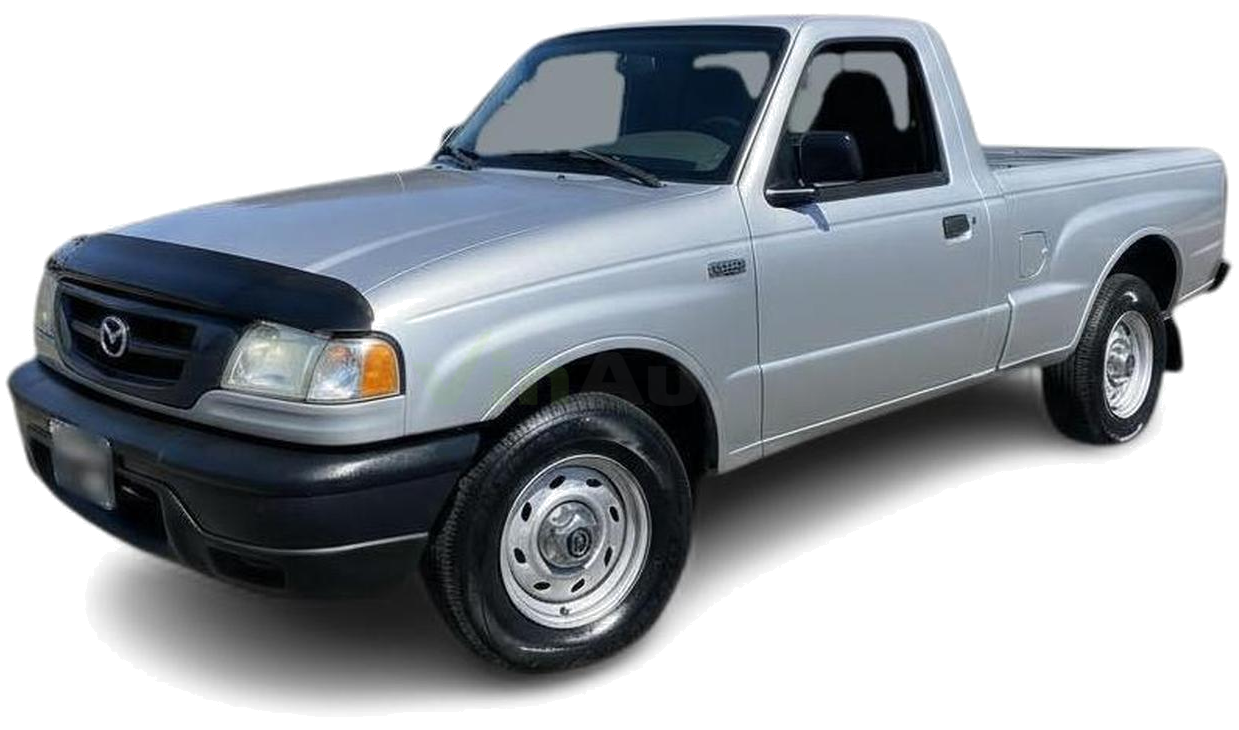
The Good
The 2004 Mazda B2300 offers a surprisingly comfortable and nimble ride for a truck, appealing to practical buyers with its solid reliability and decent fuel efficiency. Emotionally, its approachable design and enjoyable handling make it a friendly companion for daily driving and light hauling.
The Bad
When considering a 2004 Mazda B2300, watch out for potential rust issues, especially in the frame and body panels in areas prone to salt. Transmission issues, particularly in automatic models, can also be a concern. Interior wear and tear is common on higher mileage examples.
2004 Mazda B2300: Quick Overview
- Engine Options: The 2004 Mazda B2300 primarily featured a 2.3-liter four-cylinder engine.
- Horsepower: This 2.3L engine typically produced around 143 horsepower.
- Fuel Economy: Estimated fuel economy for the 2.3L engine was in the range of 20-22 MPG in the city and 25-27 MPG on the highway, depending on transmission and configuration.
- 0-60 Times: 0-60 mph times were generally in the 9-10 second range, which is respectable for a compact truck of its era.
- Towing Capacity: The towing capacity varied based on configuration but was typically around 3,500 to 4,000 pounds, suitable for light towing needs like small trailers or recreational equipment.
- Trim-Level Features:
- Base Models: Often included standard features like power steering, a basic AM/FM stereo, vinyl flooring, and front bucket seats. Air conditioning and power windows/locks were often optional.
- SE Trim: Typically added more creature comforts and appearance enhancements. These could include upgraded cloth seating, power windows and door locks, a better stereo system (sometimes with a CD player), body-colored mirrors, and alloy wheels.
- Cab Styles: Available in Regular Cab (two doors) and Extended Cab (two rear-opening doors for small rear seats or storage).
- Bed Lengths: Offered in different bed lengths, commonly a standard bed and potentially a shorter bed option depending on the cab configuration.
- Transmission: Available with either a 5-speed manual transmission or a 4-speed automatic transmission.
2004 Mazda B2300 Specifications
Vehicle Information
| Year | 2004 |
| Make | Mazda |
| Model | B2300 |
| Trim | - |
| Style | - |
| Type | Pickup Truck |
| Category | Small Pickup Truck |
Manufacturing Details
| Made In | United States |
| Manufacturing City | EDISON |
Dimensions
| Doors | 2-Door |
| Curb Weight | 3001 pounds |
| Gross Vehicle Weight Rating | 4380 pounds |
| Overall Height | 64.90 inches |
| Overall Length | 187.50 inches |
| Overall Width | 69.40 inches |
| Wheelbase Length | 111.60 inches |
| Standard Seating | 3 |
Engine & Performance
| Engine | 2.3L I4 |
| Engine Size | 2.3L |
| Engine Cylinders | 4 |
| Transmission | 5-Speed Manual |
| Transmission Type | Manual |
| Transmission Speeds | 5-Speed |
| Drivetrain | Rear-Wheel Drive |
Additional Features
| Anti-Brake System | 4-Wheel ABS |
| Steering Type | Rack & Pinion |
Pricing
| Manufacturer Suggested Retail Price (MSRP) | $15,125 |
| Invoice Price | $14,305 |
| Delivery Charges | $620 |
Vehicle History Report
Specifications
History
Events
History Check
Check
Check
Check
Check
Listings
Recalls
Check
Analysis
What Problems Does the 2004 Mazda B2300 Have?
Transmission problems have been noted, especially with the automatic transmission. Some owners have reported rough shifting, slipping gears, or complete transmission failure, often occurring after 100,000 miles. Regular fluid changes and maintenance can help mitigate this, but it remains a point of vigilance.
Ignition coil failures are another issue that can lead to misfires, rough idling, and reduced engine performance. These are relatively common wear-and-tear items on many vehicles, including the B2300. Spark plugs and ignition wires may also need periodic replacement.
While there aren't widespread, model-year-specific major recalls for the 2004 B2300 that stand out dramatically, it is always advisable to check the National Highway Traffic Safety Administration (NHTSA) website for any outstanding safety recalls that may apply to a specific vehicle's VIN.
In terms of long-term reliability, the B2300 is generally considered decent if well-maintained. The 2.3-liter engine is a robust unit. However, the aforementioned rust and potential transmission issues are the primary detractors from its otherwise solid reputation. Neglected maintenance, especially of fluids, can accelerate wear and tear on critical components. Owners who prioritize regular oil changes, coolant flushes, and transmission fluid services tend to experience fewer major problems and achieve higher mileage.
How long will the 2004 Mazda B2300 last?
What Technology & Safety Features are Included?
Entertainment: Standard entertainment typically included an AM/FM radio. Higher trims or optional packages often added a CD player, providing basic audio playback. Connectivity options like Bluetooth or auxiliary inputs were not standard and generally unavailable for this model year. Speaker count was usually modest, often two in Regular Cabs and four in Extended Cabs.
Driver-Assistance Features: Driver-assistance features were minimal to non-existent in the modern sense. Antilock Braking System (ABS) was typically standard on all four wheels, enhancing braking control in emergencies. Other electronic aids like traction control or stability control were not common for this vehicle.
Safety Features: Standard safety equipment included front airbags for the driver and passenger. Seatbelt pretensioners were also included to tighten the belts in a collision. The Extended Cab models often featured child seat anchors (LATCH system) in the rear seating area.
Optional Features: Depending on the trim level and specific package, optional features could include air conditioning, power windows and door locks, cruise control, a tilt steering wheel, and sometimes a sliding rear window for Extended Cabs. Alloy wheels were also an option on higher trims.
Crash-Test Ratings: Specific crash-test ratings for the 2004 Mazda B2300 can be found through organizations like the National Highway Traffic Safety Administration (NHTSA). Generally, compact trucks of this era performed adequately in frontal impacts but often received lower ratings in side-impact tests due to their body-on-frame construction and less advanced safety structures compared to modern vehicles. It's recommended to consult NHTSA's database for the most accurate and detailed crash-test information for this specific model year.
What Colors Options are Available?
2004 Mazda B2300 Prices and Market Value
2004 Mazda B2300 Cost of Ownership
2004 Mazda B2300 Fuel Efficiency
2004 Mazda B2300 Safety Rating
NHTSA
IIHS
2004 Mazda B2300 Warranty
Basic
Powertrain
Rust
2004 Mazda B2300 Insurance
reasonable repair costs.
How Does the 2004 Mazda B2300 Compare to Other Pickup Truck?
Performance: The B2300's 2.3L engine offered adequate performance for daily driving and light hauling, with its car-like handling being a notable advantage over some of its more truck-like competitors. The Ford Ranger, especially with its optional V6 engines, often offered more power and towing capability. The Toyota Tacoma was renowned for its robust powertrain options and off-road prowess, though often at a higher price point.
Features: In terms of features, the B2300 was competitive for its time, offering standard ABS and available power accessories on higher trims. However, rivals like the Toyota Tacoma often boasted more advanced optional features and a more modern interior feel. The Ford Ranger also offered a wide array of configurations and options.
Reliability: The Mazda B2300 (which was mechanically similar to the Ford Ranger) generally had good reliability, particularly regarding its powertrain, when properly maintained. However, it was susceptible to rust, a concern that also plagued some Ford Ranger models. The Toyota Tacoma, however, is legendary for its bulletproof reliability and longevity, often considered the benchmark in this class for long-term durability. Nissan Frontier models from this era also offered solid dependability.
Price: The Mazda B2300 was typically priced competitively, often offering a good value proposition, especially when compared to the more premium-priced Toyota Tacoma. The Ford Ranger also offered a broad price spectrum depending on configuration.
Recommendations:
- Similar Alternative: The Ford Ranger is the most direct alternative, sharing many mechanical components and offering a similar driving experience and price point.
- Superior Reliability/Capability: For those prioritizing ultimate reliability and off-road capability, the Toyota Tacoma is the gold standard, though it will likely command a higher price on the used market and may have a less comfortable ride.
- Value Alternative: The Nissan Frontier also presents a solid value, offering good reliability and capability at a competitive price point.
Final Verdict: Is the 2004 Mazda B2300 a Good Pickup Truck?
It is absolutely worth buying, especially in the used market, provided you find a well-maintained example free from significant rust. Focus on trucks with documented maintenance, particularly transmission fluid changes.
Buying used is the only realistic option as it's no longer produced new. While any trim level offers value, the SE trim might provide a more comfortable experience. Prioritize models with the 2.3L engine and either transmission, but be aware of potential automatic transmission issues on higher mileage units. A thorough pre-purchase inspection, with a close eye on the frame and undercarriage for rust, is crucial for ensuring a sound purchase.

Cathleen V
Cathleen is an exceptional freelance writer covering hot topics in the automotive world from a gearhead's perspective. Her articles delve into various aspects of automotive technology and history, offering readers detailed insights into engine performance, reliability, and maintenance. Through her engaging and informative writing, Cathleen provides valuable information to automotive enthusiasts and consumers alike, helping them make informed decisions about vehicle maintenance and purchases.