
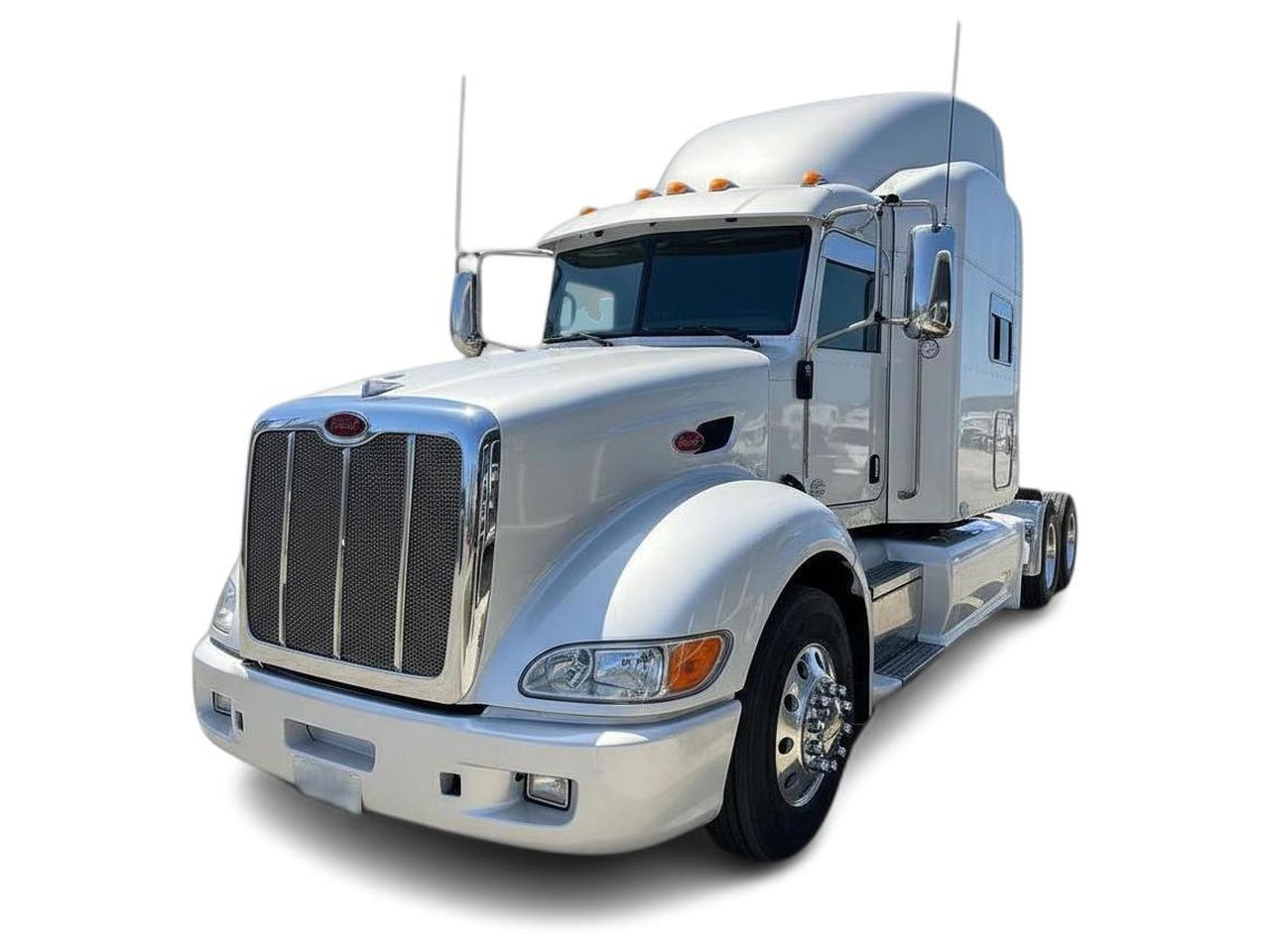
The 2011 Peterbilt 386 is a vocational truck known for its distinctive aerodynamic design and driver-centric features. Introduced in the mid-2000s, it served as a popular choice in the vocational and long-haul segments. Key trims often revolved around engine and chassis configurations. Its popularity stems from Peterbilt's reputation for build quality, driver comfort, and a stylish, modern aesthetic that appealed to owner-operators and fleets alike. Pricing for a used 2011 model can vary widely based on condition and specifications, typically ranging from $30,000 to $80,000.
The Good
The 2011 Peterbilt 386 excels with its robust performance, legendary reliability, and exceptional driver comfort. Its sleek, aerodynamic design offers a touch of class, while efficient powertrains appeal to practical buyers. This truck represents strong value, embodying Peterbilt's esteemed reputation for durability and driver satisfaction.
The Bad
Potential buyers of a 2011 Peterbilt 386 should be aware of the possibility of aging electrical components and potential wear on suspension systems. Regular maintenance records are crucial, and thorough inspections for rust, particularly around the chassis and cab mounts, are recommended. Some owners have noted that the aerodynamic fairings can be prone to damage.
2011 Peterbilt 386: Quick Overview
- Engine Options: The 2011 Peterbilt 386 was commonly equipped with PACCAR PX-8 and PX-9 engines, along with Cummins ISX and ISM engines. These are renowned for their power and durability in heavy-duty applications.
- Horsepower: Horsepower ratings typically ranged from approximately 300 hp to over 600 hp, depending on the specific engine and configuration chosen by the original owner.
- Fuel Economy: Fuel economy for a truck of this class is highly variable and depends heavily on engine choice, gearing, load, and driving conditions. Generally, these trucks could achieve anywhere from 5 to 8 miles per gallon (MPG).
- 0-60 Times: 0-60 mph times are not a standard metric for Class 8 trucks, as they are designed for hauling heavy loads at consistent speeds rather than rapid acceleration.
- Towing Capacity: Towing capacity is immense, typically ranging from 80,000 lbs to over 100,000 lbs Gross Combined Weight Rating (GCWR), depending on the axle configuration, chassis, and specific application.
- Trim-Level Features: While Peterbilt trucks are often customized, common features in the 2011 386 could include:
- Aerodynamic Hood and Fairings: Designed to improve fuel efficiency.
- Comfortable Cab Options: Available in various sleeper configurations (e.g., 40-inch, 63-inch, 70-inch) with amenities like comfortable bunks, storage, and premium upholstery.
- Driver-Focused Dash: Ergonomically designed with easy-to-reach controls and clear instrumentation.
- Power Options: Power steering, power windows, and cruise control were standard or common options.
- Advanced HVAC Systems: For driver comfort in all weather conditions.
- Optional Features: May include premium sound systems, auxiliary heaters, refrigerators, and advanced telematics.
2011 Peterbilt 386 Specifications
Vehicle Information
| Year | 2011 |
| Make | Peterbilt |
| Model | 386 |
| Trim | - |
| Style | - |
| Type | Truck |
| Category | Medium Truck |
Manufacturing Details
| Made In | United States |
| Manufacturing City | DENTON |
Dimensions
| Doors | - |
| Curb Weight | - |
| Gross Vehicle Weight Rating | 52000 pounds |
| Overall Height | - |
| Overall Length | - |
| Overall Width | - |
| Wheelbase Length | - |
| Standard Seating | - |
Engine & Performance
| Engine | 14.9L I6 |
| Engine Size | 14.9L |
| Engine Cylinders | 6 |
| Transmission | - |
| Transmission Type | - |
| Transmission Speeds | - |
| Drivetrain | 6x4 |
Additional Features
| Anti-Brake System | - |
| Steering Type | - |
Pricing
| Manufacturer Suggested Retail Price (MSRP) | - |
| Invoice Price | - |
| Delivery Charges | - |
Vehicle History Report
Vehicle
Specifications
Specifications
Ownership
History
History
All History
Events
Events
NMVTIS Title
History Check
History Check
Salvage/Rebuilt
Check
Check
Accident
Check
Check
Theft
Check
Check
Open Lien
Check
Check
Past Sale
Listings
Listings
Safety
Recalls
Recalls
Odometer
Check
Check
Market Price
Analysis
Analysis
What Problems Does the 2011 Peterbilt 386 Have?
For the 2011 Peterbilt 386, like many heavy-duty trucks from this era, certain areas can be prone to issues as they age. One common concern that can arise is with the electrical system. Wiring harnesses, sensors, and control modules can develop faults over time due to vibration, exposure to the elements, and mileage. This can manifest as intermittent issues with engine performance, dashboard warning lights, or accessory malfunctions. Regular inspection and maintenance of electrical connections are vital.
Emissions control systems, particularly the Diesel Particulate Filter (DPF) and Diesel Exhaust Fluid (DEF) systems on engines compliant with EPA 2010 regulations, can sometimes be a source of trouble. Clogging of the DPF due to short-haul operations or improper regeneration cycles can lead to performance issues and costly repairs. Ensuring the truck is used for its intended purpose and maintained according to manufacturer recommendations is key to mitigating these problems.
Suspension and chassis components, such as airbags, bushings, and shock absorbers, will experience wear over time, especially with heavy use. Premature wear on these parts can lead to a rougher ride, uneven tire wear, and affect handling. A thorough inspection of the undercarriage is always recommended during a pre-purchase evaluation.
While Peterbilt is known for its robust build, specific 2011 model year recalls can occur. It is always advisable to check the National Highway Traffic Safety Administration (NHTSA) website for any outstanding recalls associated with the specific Vehicle Identification Number (VIN). Recalls often address safety-critical components like braking systems, steering, or fuel systems. Long-term reliability is generally high if the truck has been meticulously maintained, with owners prioritizing regular fluid changes, filter replacements, and component inspections. Neglected maintenance is the primary driver of significant long-term issues.
Emissions control systems, particularly the Diesel Particulate Filter (DPF) and Diesel Exhaust Fluid (DEF) systems on engines compliant with EPA 2010 regulations, can sometimes be a source of trouble. Clogging of the DPF due to short-haul operations or improper regeneration cycles can lead to performance issues and costly repairs. Ensuring the truck is used for its intended purpose and maintained according to manufacturer recommendations is key to mitigating these problems.
Suspension and chassis components, such as airbags, bushings, and shock absorbers, will experience wear over time, especially with heavy use. Premature wear on these parts can lead to a rougher ride, uneven tire wear, and affect handling. A thorough inspection of the undercarriage is always recommended during a pre-purchase evaluation.
While Peterbilt is known for its robust build, specific 2011 model year recalls can occur. It is always advisable to check the National Highway Traffic Safety Administration (NHTSA) website for any outstanding recalls associated with the specific Vehicle Identification Number (VIN). Recalls often address safety-critical components like braking systems, steering, or fuel systems. Long-term reliability is generally high if the truck has been meticulously maintained, with owners prioritizing regular fluid changes, filter replacements, and component inspections. Neglected maintenance is the primary driver of significant long-term issues.
How long will the 2011 Peterbilt 386 last?
A well-maintained 2011 Peterbilt 386, depending on its usage, can realistically achieve between 800,000 to over 1.5 million miles in its service life. Owner data and consistent maintenance habits are the most significant factors in determining longevity. Trucks used for long-haul, consistent routes with proper fluid changes, filter replacements, and proactive component checks often far outlast those used for demanding vocational work or those that have been neglected. The inherent robust construction of Peterbilt trucks contributes to their long-term durability. However, over time, wear and tear on crucial components like the engine, transmission, and chassis can become more pronounced. Weaknesses over time often relate to the aging of electrical systems and the potential for corrosion on the chassis, especially in regions with harsh winters. Proactive maintenance is the key to maximizing its lifespan and avoiding costly repairs.
What Technology & Safety Features are Included?
The 2011 Peterbilt 386, while a workhorse, offered a range of technology and safety features that were considered modern for its time, with significant variability based on original specifications and optional packages. In terms of built-in tech, the focus was on functionality and driver information. This typically included a comprehensive digital and analog gauge cluster providing real-time data on engine performance, fuel levels, and system diagnostics. Integrated tachometers and speedometers were standard. Early forms of telematics and fleet management integration might have been present as options.
Entertainment features were often basic but functional. This could include an AM/FM radio with CD player, and potentially an auxiliary input for connecting personal devices. Higher-end options might have offered upgraded sound systems with multiple speakers and satellite radio readiness. Cab amenities like comfortable seating, ample storage, and climate control were paramount for long-haul comfort and thus indirectly contribute to the driver's well-being.
Driver-assistance features were less sophisticated than in modern passenger vehicles but were present. This could include features like cruise control, power steering for reduced driver fatigue, and potentially advanced braking systems like ABS (Anti-lock Braking System). Some models might have offered advanced driver alerts for potential hazards, though these were less common and less integrated than today's lane departure or collision warning systems.
Safety features were robust, focusing on structural integrity and driver control. Heavy-duty construction, reinforced cabs, and strategically placed lighting were standard. Seatbelts were a given. Air disc brakes were becoming more common as an option, offering superior stopping power and reliability compared to traditional drum brakes. Given its Class 8 heavy-duty classification, formal crash-test ratings from organizations like the NHTSA or IIHS, similar to those for passenger cars, are not typically conducted or publicly available for trucks of this nature. The design prioritizes occupant protection through strength and stability under load. Optional safety features could include enhanced lighting packages for increased visibility and advanced mirror systems.
Entertainment features were often basic but functional. This could include an AM/FM radio with CD player, and potentially an auxiliary input for connecting personal devices. Higher-end options might have offered upgraded sound systems with multiple speakers and satellite radio readiness. Cab amenities like comfortable seating, ample storage, and climate control were paramount for long-haul comfort and thus indirectly contribute to the driver's well-being.
Driver-assistance features were less sophisticated than in modern passenger vehicles but were present. This could include features like cruise control, power steering for reduced driver fatigue, and potentially advanced braking systems like ABS (Anti-lock Braking System). Some models might have offered advanced driver alerts for potential hazards, though these were less common and less integrated than today's lane departure or collision warning systems.
Safety features were robust, focusing on structural integrity and driver control. Heavy-duty construction, reinforced cabs, and strategically placed lighting were standard. Seatbelts were a given. Air disc brakes were becoming more common as an option, offering superior stopping power and reliability compared to traditional drum brakes. Given its Class 8 heavy-duty classification, formal crash-test ratings from organizations like the NHTSA or IIHS, similar to those for passenger cars, are not typically conducted or publicly available for trucks of this nature. The design prioritizes occupant protection through strength and stability under load. Optional safety features could include enhanced lighting packages for increased visibility and advanced mirror systems.
What Colors Options are Available?
2011 Peterbilt 386 Prices and Market Value
When new, a 2011 Peterbilt 386 could have a base price starting from around $90,000 to $100,000, with fully loaded configurations, especially those with premium sleeper cabs and powerful engines, easily reaching $150,000 or more. The depreciation curve for heavy-duty trucks like the 386 is generally less steep than for light-duty vehicles, especially for well-maintained units. Current used market prices for a 2011 Peterbilt 386 can widely range from $30,000 to $80,000 or more. Factors significantly affecting resale value include mileage, engine and transmission condition, overall maintenance history, tire wear, interior and exterior condition, and any specific vocational upfitting or customization. Trucks with reputable engine brands (like Cummins or PACCAR) and lower mileage tend to command higher prices. Demand from owner-operators and smaller fleets also plays a crucial role.
2011 Peterbilt 386 Cost of Ownership
Owning a 2011 Peterbilt 386 is generally considered costly, reflecting its heavy-duty nature. Insurance premiums can be substantial, varying with coverage levels, radius of operation, and driver history. Fuel costs are significant, with MPG typically ranging from 5-8 mpg depending on the engine, load, and terrain. Maintenance and repair costs are also considerable, with routine services like oil changes, filter replacements, and tire rotations being frequent. Unexpected repairs to the engine, transmission, or emissions systems can be very expensive. While durable, it is not an economical vehicle to own and operate; its value lies in its earning potential and longevity when properly cared for. Fleet-owner operations often benefit from bulk purchasing and dedicated service.
2011 Peterbilt 386 Fuel Efficiency
Fuel Type
Diesel
Fuel Capacity
-
City Mileage
-
Highway Mileage
-
2011 Peterbilt 386 Warranty
Basic
Original warranty
0 months / No data
Estimated remaining
Expired
Powertrain
Original warranty
0 months / No data
Estimated remaining
Expired
Rust
Original warranty
0 months / No data
Estimated remaining
Expired
2011 Peterbilt 386 Insurance
Insurance for a 2011 Peterbilt 386 is moderately priced, reflecting its status as a Truck with strong safety ratings and
reasonable repair costs.
How Does the 2011 Peterbilt 386 Compare to Other Truck?
The 2011 Peterbilt 386 competed in a segment dominated by other premium North American heavy-duty truck manufacturers. Key rivals included the Kenworth T660 (its corporate sibling, sharing many platforms and engines), the International ProStar, and the Freightliner Cascadia.
Performance: In terms of raw performance, engines offered in the 386 (PACCAR, Cummins) were generally comparable to those found in its rivals, providing ample power for hauling. The 386 often had a slight edge in aerodynamic efficiency due to its distinctive design, which could translate to better fuel economy on long hauls.
Features: Peterbilt has always been known for its driver-focused interiors and build quality. The 386 typically offered a very comfortable and well-appointed cabin, often surpassing competitors in terms of premium materials and ergonomic design, especially in higher trims. While rivals also offered comfortable cabins, Peterbilt often set a benchmark for luxury and craftsmanship. Driver assistance technologies were generally comparable across the board for this model year, with options like ABS being common.
Reliability: Peterbilt and Kenworth, both PACCAR brands, are generally regarded as having excellent reliability and longevity, often exceeding that of International and Freightliner models in long-term ownership, especially regarding chassis and powertrain durability. This reputation is a significant factor in their enduring value.
Price: New, all these trucks were in a similar premium price bracket. On the used market, the 2011 Peterbilt 386 often holds its value slightly better than some competitors due to its strong brand reputation for durability and driver preference. However, this can also mean a higher initial purchase price on the used market.
Alternatives:
For buyers prioritizing a blend of aerodynamics, driver comfort, and enduring resale value, the 2011 Peterbilt 386 remains a compelling choice. If cost is a primary driver and similar performance is acceptable, a well-maintained Cascadia or T660 could also be considered.
Performance: In terms of raw performance, engines offered in the 386 (PACCAR, Cummins) were generally comparable to those found in its rivals, providing ample power for hauling. The 386 often had a slight edge in aerodynamic efficiency due to its distinctive design, which could translate to better fuel economy on long hauls.
Features: Peterbilt has always been known for its driver-focused interiors and build quality. The 386 typically offered a very comfortable and well-appointed cabin, often surpassing competitors in terms of premium materials and ergonomic design, especially in higher trims. While rivals also offered comfortable cabins, Peterbilt often set a benchmark for luxury and craftsmanship. Driver assistance technologies were generally comparable across the board for this model year, with options like ABS being common.
Reliability: Peterbilt and Kenworth, both PACCAR brands, are generally regarded as having excellent reliability and longevity, often exceeding that of International and Freightliner models in long-term ownership, especially regarding chassis and powertrain durability. This reputation is a significant factor in their enduring value.
Price: New, all these trucks were in a similar premium price bracket. On the used market, the 2011 Peterbilt 386 often holds its value slightly better than some competitors due to its strong brand reputation for durability and driver preference. However, this can also mean a higher initial purchase price on the used market.
Alternatives:
- Kenworth T660: An excellent alternative, offering similar performance and reliability due to shared PACCAR components. Often seen as a slightly more utilitarian counterpart to the 386.
- Freightliner Cascadia: A strong competitor, often offering competitive fuel efficiency and a wide range of configurations. Can sometimes be found at a slightly lower used price point.
- International ProStar: A capable truck, but historically, reliability perceptions have sometimes lagged behind Peterbilt and Kenworth.
For buyers prioritizing a blend of aerodynamics, driver comfort, and enduring resale value, the 2011 Peterbilt 386 remains a compelling choice. If cost is a primary driver and similar performance is acceptable, a well-maintained Cascadia or T660 could also be considered.
Final Verdict: Is the 2011 Peterbilt 386 a Good Truck?

The 2011 Peterbilt 386 is ideally suited for owner-operators and small to medium-sized fleets that prioritize a blend of driver comfort, aerodynamic efficiency, and strong resale value. It's a truck that offers a premium ownership experience, appealing to those who view their rig as a critical business asset and a comfortable mobile office. Given its age, buying this truck new is not an option. It is absolutely worth buying on the used market, provided it has been meticulously maintained. Focus on models with lower mileage, comprehensive service records, and those that haven't been subjected to overly harsh vocational use. Specific trims with desirable engine options (Cummins ISX, PACCAR PX-9) and well-maintained sleeper configurations will offer the best value and long-term utility. A thorough pre-purchase inspection by a qualified heavy-duty mechanic is paramount.