
The Good
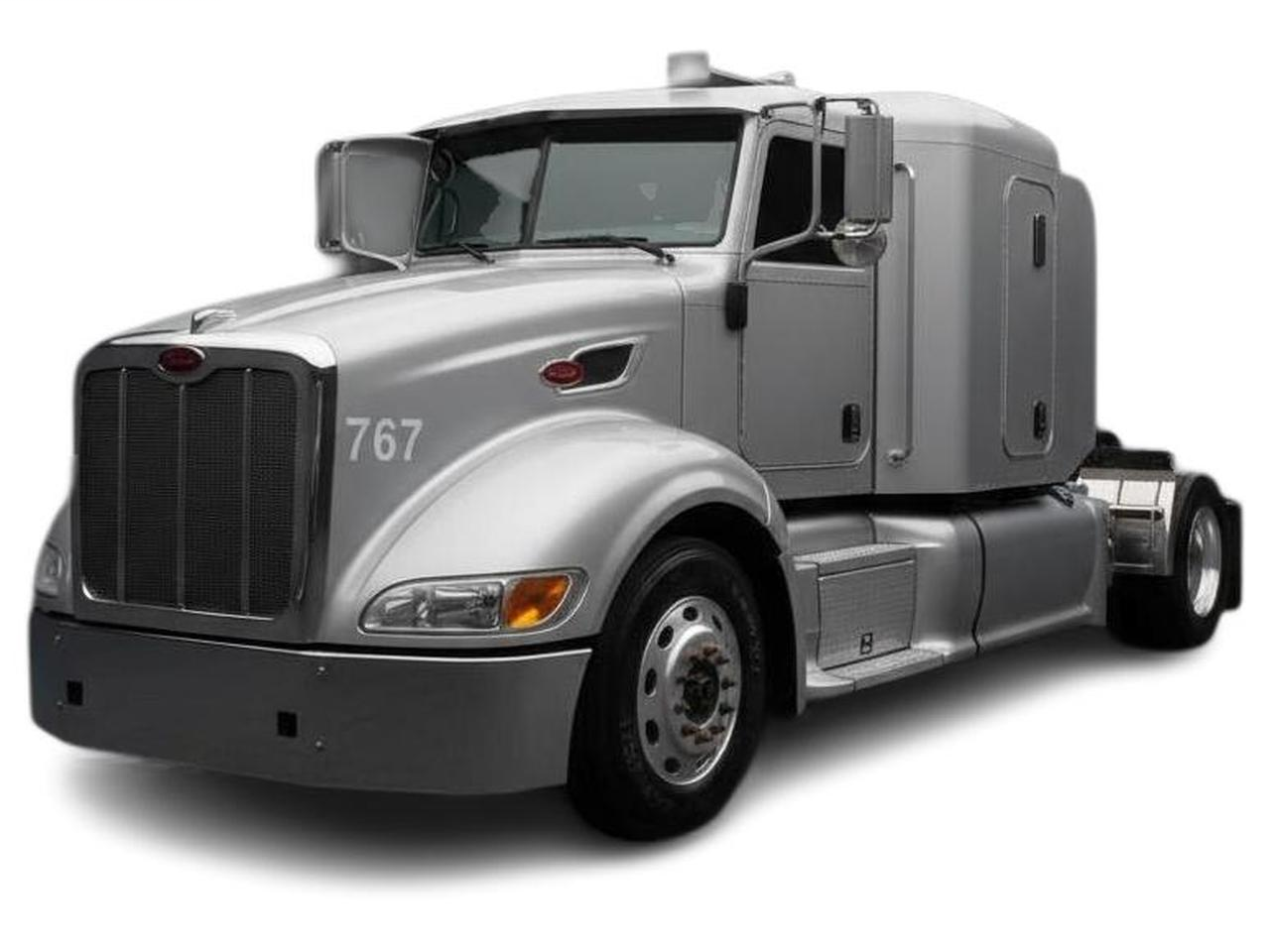
The 2013 Peterbilt 386 excels with its powerful and efficient performance, legendary reliability, and driver-focused comfort. Its striking design appeals to pride of ownership, while its operational efficiency translates to practical value and profitability for fleet owners and independent operators alike.
The Bad
While generally robust, potential owners should watch out for common issues like electrical system glitches, particularly in aging units. Some drivers have noted a tendency for certain interior trim pieces to wear over time. Fuel efficiency can be a concern depending heavily on the chosen engine and operational load.
2013 Peterbilt 386: Quick Overview
- Engine Options: The 2013 Peterbilt 386 typically featured PACCAR PX-9, PX-11, and Cummins ISX15 engines. These were known for their robust performance and durability in heavy-duty applications.
- Horsepower: Horsepower ratings varied significantly based on the engine chosen, generally ranging from approximately 380 horsepower to over 600 horsepower. This allowed for tailored power delivery to suit specific hauling needs, from regional hauling to long-haul operations.
- Fuel Economy: Fuel economy for a vehicle of this class is highly dependent on engine selection, transmission, gearing, load, and driving style. However, Peterbilt often focused on optimizing aerodynamics and powertrain efficiency to provide competitive mileage within the heavy-duty segment, with many achieving between 5-7 miles per gallon under optimal conditions.
- 0-60 Times: 0-60 mph times are not a primary metric for this type of heavy-duty truck, as they are designed for sustained performance rather than rapid acceleration. Performance is measured by acceleration under load and maintaining speed.
- Towing Capacity: As a Class 8 truck, the towing capacity is substantial and dependent on the chassis configuration, drivetrain, and trailer type. These trucks are designed to haul Gross Combination Weights (GCW) typically ranging from 50,000 lbs up to well over 100,000 lbs, suitable for heavy freight, tankers, and specialized hauling.
- Trim-Level Features: While Peterbilt trucks are often highly customizable, common features and trim considerations include various cab configurations (e.g., day cab, extended day cab, sleeper cabs with different berth sizes). Interior appointments could range from durable, no-frills utilitarian designs to more premium packages offering enhanced driver comfort with upgraded materials, improved ergonomics, and advanced climate control systems. Exterior options included different grille styles, hood designs, and lighting packages.
2013 Peterbilt 386 Specifications
Vehicle Information
| Year | 2013 |
| Make | Peterbilt |
| Model | 386 |
| Trim | - |
| Style | - |
| Type | Truck |
| Category | Medium Truck |
Manufacturing Details
| Made In | United States |
| Manufacturing City | DENTON |
Dimensions
| Doors | - |
| Curb Weight | - |
| Gross Vehicle Weight Rating | - |
| Overall Height | - |
| Overall Length | - |
| Overall Width | - |
| Wheelbase Length | - |
| Standard Seating | - |
Engine & Performance
| Engine | 14.9L I6 |
| Engine Size | 14.9L |
| Engine Cylinders | 6 |
| Transmission | - |
| Transmission Type | - |
| Transmission Speeds | - |
| Drivetrain | 6x4 |
Additional Features
| Anti-Brake System | - |
| Steering Type | - |
Pricing
| Manufacturer Suggested Retail Price (MSRP) | - |
| Invoice Price | - |
| Delivery Charges | - |
Vehicle History Report
Specifications
History
Events
History Check
Check
Check
Check
Check
Listings
Recalls
Check
Analysis
What Problems Does the 2013 Peterbilt 386 Have?
Another area that sometimes requires attention is related to the exhaust gas recirculation (EGR) system and diesel particulate filter (DPF). As emissions regulations became more stringent, these systems became more complex. Clogging of the DPF, sensor failures within the EGR system, and related fault codes are not uncommon, especially if the truck is used primarily for short-haul, stop-and-go driving where the system doesn't get adequate time to regenerate. Maintenance of these systems is crucial for long-term reliability.
Some owners have reported issues with the air conditioning and heating systems, particularly concerning the blower motor and evaporator/heater cores. Wear and tear on these components over years of operation can lead to reduced performance or complete failure. While specific model year recalls for the 2013 386 are not extensively documented in general public databases as widespread safety recalls, it's always advisable to check the NHTSA website with the truck's VIN for any outstanding campaigns.
Long-term reliability is heavily influenced by the original specifications and, critically, the maintenance regimen. Trucks that have been regularly serviced according to PACCAR's recommendations, with quality fluids and parts, tend to fare much better. Conversely, those subjected to harsh operating conditions without proper care can exhibit premature wear on drivetrain components, suspension parts, and the chassis itself. When inspecting a used 2013 Peterbilt 386, a thorough review of maintenance records is paramount.
How long will the 2013 Peterbilt 386 last?
What Technology & Safety Features are Included?
Driver-assistance features in this model year were more rudimentary compared to today's standards but could include features like cruise control, which was essential for long-haul comfort and fuel efficiency. Advanced driver-assistance systems (ADAS) such as lane departure warnings, adaptive cruise control, or automatic emergency braking were generally not standard or widely available on the 2013 386. The focus was on robust mechanical systems and driver awareness.
Safety features were paramount for Peterbilt. The chassis and cab construction were engineered for strength and durability, providing a protective environment for the driver. Standard safety equipment included robust braking systems, typically hydraulic or air brakes with anti-lock braking systems (ABS) as a common option or standard on certain configurations. Seatbelts were, of course, standard. Visibility was a key design consideration, with large windshields and side mirrors designed to offer a wide field of view. Airbags for the driver were standard. Specific crash-test ratings are not typically published by organizations like IIHS or NHTSA for heavy-duty commercial trucks in the same way they are for passenger vehicles, as the testing methodologies and focus are different, centering on structural integrity under heavy loads and protection against rollovers or severe frontal impacts. The design philosophy emphasized occupant protection through structural integrity and reliable mechanical systems.
What Colors Options are Available?
2013 Peterbilt 386 Prices and Market Value
2013 Peterbilt 386 Cost of Ownership
2013 Peterbilt 386 Fuel Efficiency
2013 Peterbilt 386 Recalls & Defects
Service Brakes, Air:supply:check Valve
Equipment:other:labels
Tires
Electrical System:alternator/Generator/Regulator
Electrical System:alternator/Generator/Regulator
Electronic Stability Control (Esc)
Service Brakes, Air:antilock:abs Warning Light
2013 Peterbilt 386 Warranty
Basic
Powertrain
Rust
2013 Peterbilt 386 Insurance
reasonable repair costs.
How Does the 2013 Peterbilt 386 Compare to Other Truck?
When it comes to features, the 386 was known for its premium driver-focused interior and advanced ergonomics, which often placed it a notch above some competitors in terms of driver comfort and amenities. While all rivals offered customization, Peterbilt's build quality and perceived prestige were often highlighted. Reliability is where Peterbilt, and its sister company Kenworth, consistently shine. They are renowned for their rugged construction and long-term durability, often surpassing competitors in longevity and reduced downtime, though all brands have had their share of evolving emissions system challenges.
Price-wise, Peterbilt trucks, including the 386, typically occupied the premium end of the market. They were often more expensive when new compared to some Freightliner or International models, reflecting their perceived higher quality and resale value. For those seeking similar characteristics in terms of robustness and driver comfort, a 2013 Kenworth T800 would be a very comparable alternative, often sharing many underlying components and engineering philosophies. If a slightly more budget-conscious option with comparable capability is desired, a well-maintained Freightliner Coronado or a 2013 International ProStar could be considered, though they might not always match the Peterbilt's specific blend of style and long-term owner satisfaction. For long-haul operations, a Volvo VNL also presents a strong case with its own comfort and efficiency innovations.
Final Verdict: Is the 2013 Peterbilt 386 a Good Truck?

Eugene S
Eugene is an automotive enthusiast with over 15 years of experience in the used car market. As a writer at VINCheck.info, he brings deep industry insight and a passion for cars, helping readers make smart, informed decisions. Eugene has written hundreds of used car reviews and is known for breaking down complex automotive topics into clear, actionable advice. Over the years, he has driven and worked on a wide range of vehicles—starting with tuning street cars in his early days and eventually focusing on performance upgrades and reliability improvements. Today, he specializes in evaluating used vehicles through the lens of real-world ownership and enthusiast needs. A longtime fan of Porsche, Eugene especially appreciates vehicles that blend durability with driving enjoyment.