
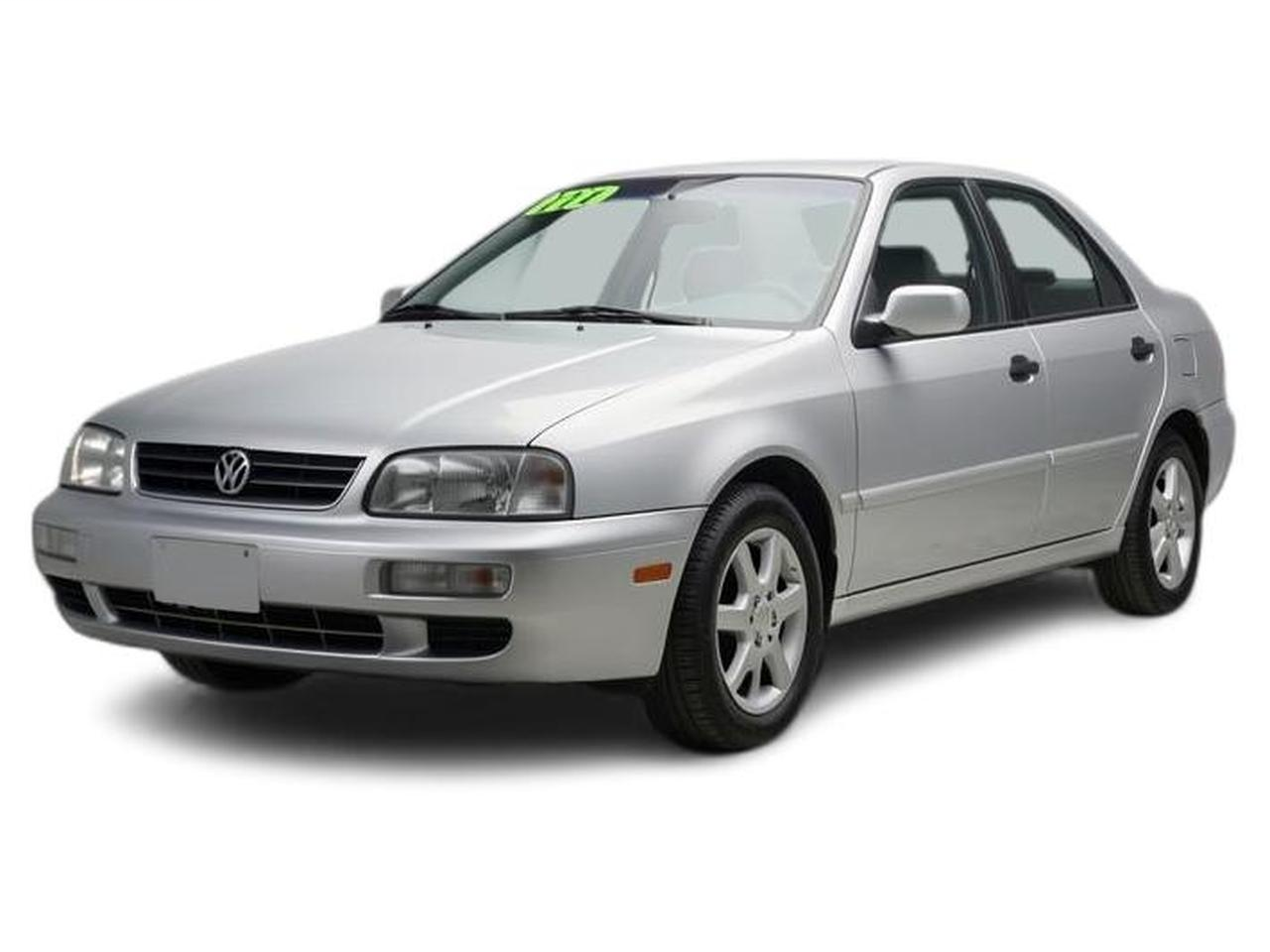
The Good
The 1997 Cabrio boasts a delightful European driving feel, a timeless convertible design, and a surprisingly comfortable ride for a compact car. Its solid build quality offers practical reliability, while the open-top experience delivers emotional joy, making it a charming blend of sensible and spirited motoring.
The Bad
Potential buyers of the 1997 Volkswagen Cabrio should be aware of common issues such as electrical gremlins, convertible top mechanism problems, and potential for rust, especially around the wheel wells and sills. Engine oil leaks and cooling system issues can also arise with age and mileage.
1997 Volkswagen Cabrio: Quick Overview
- Engine Options: Primarily a 2.0-liter 4-cylinder engine.
- Horsepower: Approximately 115 horsepower.
- Torque: Around 122 lb-ft.
- Fuel Economy: Estimated at around 22 MPG city / 29 MPG highway (manual transmission). Automatic transmissions may see slightly lower figures.
- 0-60 Times: Typically in the 9-10 second range, depending on transmission and conditions.
- Towing Capacity: Not applicable; this vehicle is not designed for towing.
- Transmission Options: Available with a 5-speed manual or a 4-speed automatic transmission.
- Key Trim-Level Features:
- Base Model: Often included power windows, power locks, power mirrors, a tilt steering wheel, AM/FM stereo with cassette, and cloth upholstery. Air conditioning was usually standard.
- GLS Trim: Typically added features like alloy wheels, upgraded interior trim (e.g., leatherette or partial leather seats), fog lights, a more premium sound system, and sometimes cruise control and a sunroof (though less common on a convertible).
- Convertible Top: Standard fabric soft top with manual operation on most models, with power-operated tops available as an option on some trims or later model years. The top mechanism itself was a key feature.
- Wheels: Base models often came with steel wheels with covers, while GLS trims featured 15-inch alloy wheels.
- Brakes: Front disc brakes and rear drum brakes were standard, with ABS often available as an option or standard on higher trims.
1997 Volkswagen Cabrio Specifications
Vehicle Information
| Year | 1997 |
| Make | Volkswagen |
| Model | Cabrio |
| Trim | - |
| Style | - |
| Type | - |
| Category | - |
Manufacturing Details
| Made In | - |
| Manufacturing City | - |
Dimensions
| Doors | - |
| Curb Weight | - |
| Gross Vehicle Weight Rating | - |
| Overall Height | - |
| Overall Length | - |
| Overall Width | - |
| Wheelbase Length | - |
| Standard Seating | - |
Engine & Performance
| Engine | - |
| Engine Size | - |
| Engine Cylinders | - |
| Transmission | - |
| Transmission Type | - |
| Transmission Speeds | - |
| Drivetrain | - |
Additional Features
| Anti-Brake System | - |
| Steering Type | - |
Pricing
| Manufacturer Suggested Retail Price (MSRP) | - |
| Invoice Price | - |
| Delivery Charges | - |
Vehicle History Report
Specifications
History
Events
History Check
Check
Check
Check
Check
Listings
Recalls
Check
Analysis
What Problems Does the 1997 Volkswagen Cabrio Have?
Cooling system components, such as radiators, water pumps, and hoses, are prone to wear and can lead to overheating if not maintained. Oil leaks, particularly from the valve cover and oil pan gaskets, are also common as the engine ages. Suspension components, like ball joints and tie rod ends, can wear out, leading to clunking noises and steering issues. Braking systems, especially ABS components, can also become problematic.
While there were no major widespread recalls specifically targeting critical safety flaws for the 1997 model year that significantly impact long-term reliability, standard maintenance items are crucial. The overall long-term reliability is heavily dependent on how well the car was maintained. The interior plastics can become brittle, and the fabric seats can show wear. Rust is a significant concern, particularly in areas exposed to road salt, affecting the rocker panels, wheel arches, and floor pans. Early attention to these areas is vital for preserving the car's structural integrity. Proper and consistent maintenance, especially fluid changes and attention to the convertible top, is key to mitigating many of these potential issues.
How long will the 1997 Volkswagen Cabrio last?
What Technology & Safety Features are Included?
Driver-assistance features were rudimentary. Cruise control was available, often as an option on lower trims and standard on GLS. Power windows, power locks, and power mirrors were common features, enhancing convenience. The primary driver-assistance was the car's responsive steering and a generally well-balanced chassis that provided predictable handling.
Safety features for the 1997 Cabrio included front airbags for the driver and passenger. Anti-lock Braking System (ABS) was often available as an option, particularly on the GLS trim, and it was a significant safety enhancement for the era, helping drivers maintain steering control during hard braking. Seatbelt pretensioners were also standard. Convertible-specific safety considerations included reinforced A-pillars and door beams for structural integrity in a rollover, though comprehensive rollover protection systems as seen in modern convertibles were not present. Crash-test ratings for this generation of Golf/Cabrio were generally decent for their time, often receiving good marks in frontal and side impact tests from organizations like the NHTSA and IIHS, though specific ratings for the 1997 model year might vary and are best consulted through historical archives. The overall emphasis was on core safety systems rather than advanced electronic aids.
What Colors Options are Available?
1997 Volkswagen Cabrio Prices and Market Value
1997 Volkswagen Cabrio Cost of Ownership
1997 Volkswagen Cabrio Fuel Efficiency
1997 Volkswagen Cabrio Insurance
reasonable repair costs.
How Does the 1997 Volkswagen Cabrio Compare to Other Vehicle?
Performance: The Cabrio's 115-hp 2.0-liter engine offered adequate, but not exhilarating, performance. Rivals like the Escort ZX2 sometimes offered slightly more horsepower, while the Eclipse Spyder and Celica offered sportier options, especially with their available higher-performance engines. The Cabrio's strength was its refined European handling and comfortable ride, rather than outright speed.
Features: The Cabrio generally offered a more upscale interior feel and build quality than its American counterparts like the Escort. It often had a more solid feel to its switchgear and a quieter cabin when the top was up. However, it lagged behind some Japanese competitors in terms of advanced technology and feature availability, especially for those seeking more modern conveniences or safety aids.
Reliability: Volkswagen's reliability in this era was a mixed bag. While generally better built than many domestic cars, they were known to be more complex and potentially costlier to repair than Japanese equivalents like Toyota or Honda. The Cabrio's electrical system and convertible top mechanism were known weak points, something less common in more robustly built Japanese cars. The Ford Escort had its own set of common issues, often related to transmission and engine longevity.
Price: The Cabrio typically held a premium price position when new, sitting above many economy-focused convertibles. Used, it offers a compelling value for its European flair and driving dynamics.
Alternatives: For similar European charm with potentially better long-term reliability, a used BMW 3 Series Convertible (E36 generation), though more expensive, offers superior performance and build. For a more reliable and potentially more engaging convertible experience, consider a used Mazda Miata (NA or NB generation); it sacrifices rear seat space and practicality but excels in pure driving fun and legendary reliability. If practicality and a budget-friendly convertible are key, a used Pontiac Sunfire Convertible or Chevrolet Cavalier Convertible could be considered, though with significant compromises in refinement and performance.
Final Verdict: Is the 1997 Volkswagen Cabrio a Good Vehicle?
It is worth buying, but with significant caveats. Thorough pre-purchase inspection is non-negotiable, focusing on the convertible top's condition, the electrical system, and any signs of rust. A well-maintained, low-mileage example, particularly a GLS trim for its added comfort and features, represents the best value. Buying one means accepting that it's a vintage car with potential for repair costs. If you're mechanically inclined or have access to a trusted European mechanic, it can be an affordable way to enjoy convertible motoring. It is definitely a used-only proposition, as new examples are no longer available.

Eugene S
Eugene is an automotive enthusiast with over 15 years of experience in the used car market. As a writer at VINCheck.info, he brings deep industry insight and a passion for cars, helping readers make smart, informed decisions. Eugene has written hundreds of used car reviews and is known for breaking down complex automotive topics into clear, actionable advice. Over the years, he has driven and worked on a wide range of vehicles—starting with tuning street cars in his early days and eventually focusing on performance upgrades and reliability improvements. Today, he specializes in evaluating used vehicles through the lens of real-world ownership and enthusiast needs. A longtime fan of Porsche, Eugene especially appreciates vehicles that blend durability with driving enjoyment.