
The Good
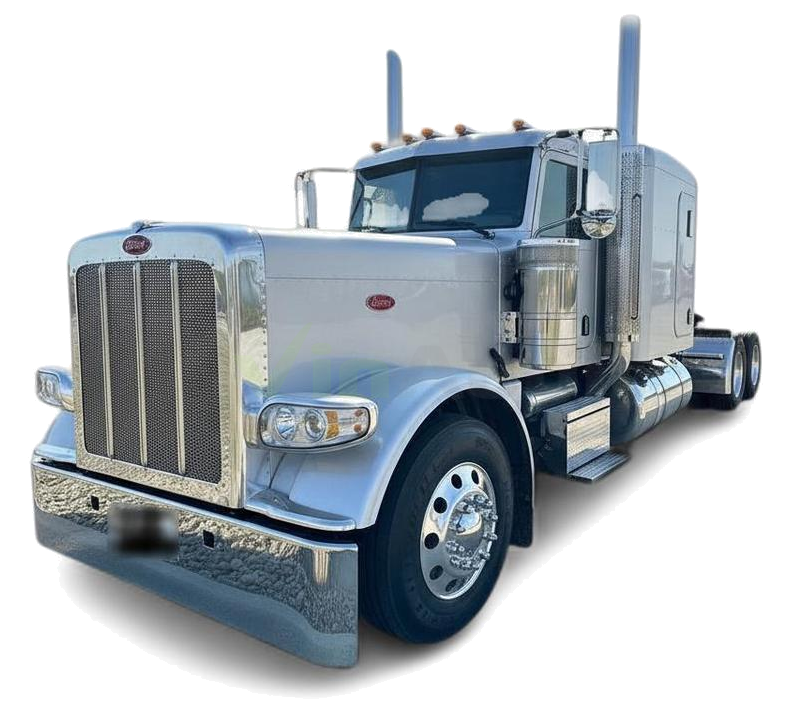
The 2024 Peterbilt 389 offers robust performance from PACCAR/Cummins engines and legendary reliability. Its spacious, comfortable, and customizable design appeals emotionally with its iconic 'King of the Road' status. Practically, it boasts excellent resale value and solid build quality, making it a reliable workhorse for long hauls despite not being the most fuel-efficient in its class.
The Bad
The 2024 Peterbilt 389's classic, non-aerodynamic design can result in lower fuel efficiency compared to modern rivals. Its long hood can challenge maneuverability in tight spaces. It often commands a higher price, especially with customization, and while equipped with modern tech, some competitors offer more standard advanced safety features and integrated systems.
2024 Peterbilt 389: Quick Overview
- Engine Options: Available with PACCAR MX-13 or Cummins X15 engines.
- Horsepower: PACCAR MX-13 typically ranges from 405-510 hp. Cummins X15 offers 450-605 hp.
- Torque: PACCAR MX-13: 1,450-1,850 lb-ft. Cummins X15: 1,650-2,050 lb-ft.
- Fuel Economy: Highly variable based on load, terrain, and driving style. Generally, 4-7 MPG (US) for heavy-duty applications.
- 0-60 Times: Not a standard performance metric for Class 8 trucks. Acceleration is dependent on load and typically takes 20-40+ seconds.
- Towing Capacity: Designed as a Class 8 tractor, capable of pulling Gross Combined Weight Ratings (GCWR) up to 80,000 lbs standard, with higher ratings possible with special permits.
- Key Features & Options (Customizable "Trims"):
- Exterior: Chrome bumper, grille, and accessories, polished aluminum wheels, dual chrome exhaust stacks, various LED lighting packages, different visor styles, extensive paint options.
- Cab & Sleeper Configurations: Day cab, 44" Low Roof, 72" Hi-Roof, 80" UltraLoft sleepers with integrated amenities.
- Interior: "Platinum" or "Premium" interior packages, leather or cloth seating, woodgrain or brushed aluminum dash, Peterbilt Digital Dash (configurable 15-inch display), premium sound systems, navigation, refrigerator, microwave prep, ample storage, workstation areas, bunk heaters/AC.
- Drivetrain: Wide selection of Eaton Fuller manual (10, 13, 18 speed) and automated manual transmissions (AMT) like Eaton Fuller Endurant or Ultrashift Plus. Various rear axle ratios and suspension systems (air ride, spring leaf).
- Safety: Optional Bendix Wingman Fusion™ (adaptive cruise control, collision mitigation, lane departure warning), Electronic Stability Control (ESC), Bendix BlindSpotter® side object detection, optional driver-side airbag.
2024 Peterbilt 389 Specifications
Vehicle Information
| Year | 2024 |
| Make | Peterbilt |
| Model | 389 |
| Trim | - |
| Style | Base Truck FWD 6AT 14.9L I6 |
| Type | Pickup Truck |
| Category | commercial |
Manufacturing Details
| Made In | United States |
| Manufacturing City | DENTON |
Dimensions
| Doors | 4-Door |
| Curb Weight | - |
| Gross Vehicle Weight Rating | - |
| Overall Height | - |
| Overall Length | - |
| Overall Width | - |
| Wheelbase Length | - |
| Standard Seating | - |
Engine & Performance
| Engine | 14.9L I6 |
| Engine Size | 14.9L |
| Engine Cylinders | 6 |
| Transmission | 6-Speed Automatic |
| Transmission Type | Automatic |
| Transmission Speeds | 6-Speed |
| Drivetrain | Front-Wheel Drive |
Additional Features
| Anti-Brake System | - |
| Steering Type | - |
Pricing
| Manufacturer Suggested Retail Price (MSRP) | - |
| Invoice Price | - |
| Delivery Charges | - |
Vehicle History Report
Specifications
History
Events
History Check
Check
Check
Check
Check
Listings
Recalls
Check
Analysis
What Problems Does the 2024 Peterbilt 389 Have?
While PACCAR MX-13 and Cummins X15 engines are robust, aftertreatment components like the Diesel Particulate Filter (DPF), Selective Catalytic Reduction (SCR) system, and Exhaust Gas Recirculation (EGR) valves can experience issues such as clogging, sensor failures, or efficiency degradation, especially if maintenance schedules are not strictly adhered to or poor quality DEF (Diesel Exhaust Fluid) is used. These are not unique to Peterbilt but are industry-wide challenges for compliance.
Minor electrical gremlins, such as faulty sensors or dashboard warnings, can occasionally arise due to the extensive wiring and electronic modules. Air system leaks are also a common wear item across all air-braked trucks, requiring regular inspection.
Regarding recalls, as the 2024 model year is very new, specific widespread recalls would only just be emerging. Truck manufacturers, including Peterbilt, frequently issue recalls for various components throughout a vehicle's lifecycle, ranging from minor software updates to more critical issues like steering or brake system components. Owners should always monitor the NHTSA website or Peterbilt's official service bulletins for the most current and VIN-specific recall information. Historically, Peterbilt trucks, like others, have seen recalls for issues related to wiring harnesses, ABS systems, and specific components provided by third-party suppliers. Long-term reliability is generally excellent with proper preventative maintenance, but the intricate emissions systems remain the primary area of ongoing monitoring and potential cost.
How long will the 2024 Peterbilt 389 last?
What Technology & Safety Features are Included?
Built-in Tech & Entertainment: At its core is the innovative Peterbilt Digital Dash, a customizable 15-inch display replacing traditional gauges, providing critical vehicle data, navigation, and infotainment integration. The standard infotainment system typically includes a touchscreen with Bluetooth connectivity, USB ports, satellite radio (SiriusXM), and often supports Apple CarPlay® and Android Auto™. Premium sound systems and ample power outlets (12V and 120V AC) are common in the cab and sleeper, facilitating creature comforts and device charging. The optional SmartNav system offers integrated truck-specific navigation, real-time traffic, and fleet management tools.
Driver-Assistance & Safety Features: While many are optional, these systems significantly enhance safety. Key among them is the Bendix Wingman Fusion™ suite, which integrates camera and radar for:
- Adaptive Cruise Control (ACC): Maintains a set following distance to the vehicle ahead.
- Collision Mitigation Braking System (CMBS): Provides alerts and can automatically apply brakes to prevent or lessen the severity of a forward collision.
- Lane Departure Warning (LDW): Alerts the driver if the truck unintentionally drifts from its lane.
- Stationary Object Alert (SOA): Warns of objects directly in the truck's path.
Crash-Test Ratings: Unlike passenger vehicles, heavy-duty commercial trucks like the Peterbilt 389 do not undergo standardized crash-test ratings (e.g., NHTSA, IIHS). Their safety is ensured through adherence to stringent federal commercial vehicle safety standards, robust structural engineering, and the integration of advanced driver-assistance systems designed to prevent accidents, which are the primary focus for vehicles of this size and weight.
What Colors Options are Available?
2024 Peterbilt 389 Prices and Market Value
For used models, the 389 exhibits strong resale value. A well-maintained 3-5 year old 389 with 300,000-500,000 miles can fetch $80,000-$150,000. Older trucks (5-10 years, 700,000+ miles) may range from $40,000-$80,000.
Depreciation insights highlight the 389's excellent value retention, significantly outperforming many rivals. This is driven by its iconic status, strong demand from owner-operators, and reputation for durability.
Factors affecting resale value include comprehensive maintenance records, desirable engine and transmission specifications, mileage relative to age, overall condition (cosmetic and mechanical), and quality of any customizations. High market demand consistently keeps the 389's resale values robust.
2024 Peterbilt 389 Cost of Ownership
2024 Peterbilt 389 Fuel Efficiency
2024 Peterbilt 389 Insurance
reasonable repair costs.
How Does the 2024 Peterbilt 389 Compare to Other Pickup Truck?
Performance: The 389, with its PACCAR MX-13 or Cummins X15 engines (up to 605 hp), offers robust power, comparable to the Kenworth W990 and Western Star 49X. The Freightliner Cascadia and Volvo VNL often emphasize aerodynamic efficiency more, though they offer competitive power options.
Features: The 389 excels in customizability, classic styling, and a driver-centric, luxurious interior (especially with the Digital Dash). However, rivals like the Freightliner Cascadia and Volvo VNL often come with more integrated, standard advanced safety features (e.g., Detroit Assurance, Volvo Active Driver Assist) and superior aerodynamic packages for fuel efficiency. The Kenworth W990 offers a very similar classic aesthetic and feature set, being a sister brand.
Reliability: The 389 boasts excellent reliability due to its proven PACCAR and Cummins drivetrains, mirroring Kenworth's reputation. Freightliner and Volvo also have strong reliability, but their systems can be more complex. Mack and Western Star are lauded for their rugged vocational durability. The 389's more traditional design can sometimes lead to simpler maintenance on certain components.
Price: The Peterbilt 389 generally commands a premium price, particularly with customization, positioning it among the higher-end options. The Kenworth W990 is similarly priced, while base Freightliner Cascadias or Volvo VNLs might start lower but quickly approach 389 prices with options.
Alternatives:
- Similar Alternatives (Classic Style): The Kenworth W990 is the closest rival, offering a comparable long-nose design, strong performance, and similar custom options and resale value, benefiting from shared PACCAR components. The Western Star 49X also provides a traditional, robust aesthetic suited for heavy-duty work.
- "Better" Alternatives (Efficiency/Advanced Tech): For those prioritizing maximum fuel efficiency, lower total cost of ownership through aerodynamics, and cutting-edge integrated safety features, the Freightliner Cascadia or Volvo VNL might be considered "better." These trucks are engineered for optimal aerodynamic performance and often include advanced driver-assistance systems as standard, potentially offering operational savings over the long run, albeit with a less 'classic' visual appeal.
Final Verdict: Is the 2024 Peterbilt 389 a Good Pickup Truck?
Is it worth buying? Absolutely, for its target demographic. It offers exceptional durability and robust performance, coupled with strong resale value. However, it's not the most economical choice for fleets focused solely on lowest operational costs or maximum aerodynamic efficiency.
Under what conditions? Buying new in its final production year offers the ultimate customization and a collector's item status. A used 389, particularly a well-maintained model 2-5 years old with a desirable engine (X15 or MX-13) and premium sleeper, offers significant savings while retaining most of its benefits. For long-haul comfort, opt for the 72" or 80" UltraLoft sleeper. It's a truck chosen for its timeless appeal and enduring quality, representing a lifestyle choice within the trucking industry.

Jovan
Jovan specializes in interpreting vehicle records and making sense of VIN data. With over 10 years of experience in the automotive data industry, his work ensures that every report is clear, accurate, and useful for car buyers.