
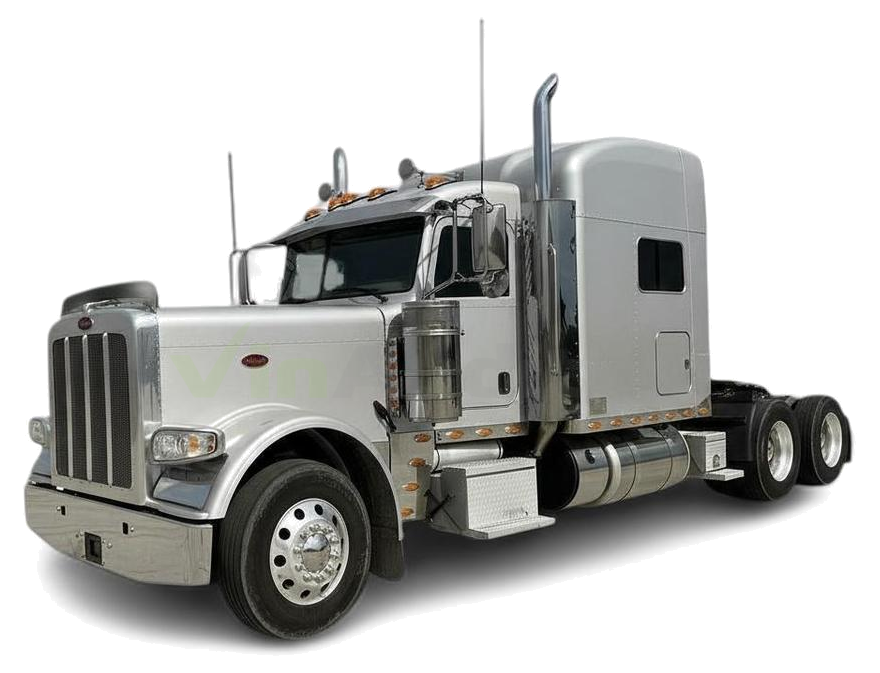
The Good
The 2020 Peterbilt 389 offers unparalleled performance and legendary reliability. Its classic, commanding design appeals to the heart, while its comfortable cabin and efficient powertrain provide practical benefits for long hauls, offering enduring value.
The Bad
Potential weaknesses for the 2020 Peterbilt 389 include its higher purchase price compared to some competitors and potentially less advanced in-cab technology in base configurations. Some drivers might find the ride less refined on rougher roads compared to more modern, specialized suspension systems. Fuel economy can also be a concern depending on the chosen engine and load.
2020 Peterbilt 389: Quick Overview
- Engine Options: The 2020 Peterbilt 389 typically offers a range of PACCAR MX-13 engines, known for their durability and performance. Cummins ISX15 engines were also common options in previous model years and could still be spec'd in some configurations or available as upgrades.
- Horsepower: Horsepower ratings for the PACCAR MX-13 engines generally range from 380 hp to 500 hp, with higher outputs available on request or through specific performance packages. Cummins ISX15 engines could also offer similar or higher horsepower figures.
- Fuel Economy: Fuel economy is highly variable and depends heavily on the engine chosen, axle ratios, driving style, load, and terrain. Typically, these trucks are optimized for pulling heavy loads rather than maximizing MPG, so expect figures in the range of 5-7 miles per gallon under optimal conditions.
- 0-60 Times: 0-60 mph times are not a standard metric for Class 8 trucks as they are designed for sustained hauling, not rapid acceleration. When loaded, acceleration is deliberate and focused on maintaining momentum.
- Towing Capacity: The towing capacity is immense, designed for heavy-duty Class 8 applications. This truck is rated for Gross Combination Weights (GCW) typically ranging from 80,000 lbs to over 100,000 lbs, and often significantly more with specific configurations and allowances. Specific ratings depend on axle configurations, chassis, and intended application (e.g., dry van, tanker, heavy haul).
- Trim-Level Features: While not having traditional 'trims', the 2020 Peterbilt 389 is highly customizable. Key features and options include:
- Aerodynamics: Various aerodynamic options for fairings, skirts, and roof deflectors to improve efficiency.
- Interior Comfort: Multiple cab configurations (e.g., Day Cab, various sleeper lengths like 44", 70", 80") with different amenities, premium seat options, and sound insulation packages.
- Lighting: Extensive lighting options, including multiple headlight configurations and auxiliary lighting.
- Chassis and Axle Configurations: Wide variety of axle ratios, suspension types (air, mechanical), and wheelbases to suit specific hauling needs.
- Technology: Optional integrated navigation systems, infotainment screens, and basic driver assistance features.
- Exhaust and Styling: Numerous chrome and polished stainless steel options for exhaust stacks, fuel tanks, and other exterior accents.
2020 Peterbilt 389 Specifications
Vehicle Information
| Year | 2020 |
| Make | Peterbilt |
| Model | 389 |
| Trim | - |
| Style | Base Truck RWD 8AT 4.9L I6 |
| Type | Pickup Truck |
| Category | commercial |
Manufacturing Details
| Made In | United States |
| Manufacturing City | DENTON |
Dimensions
| Doors | 4-Door |
| Curb Weight | - |
| Gross Vehicle Weight Rating | - |
| Overall Height | - |
| Overall Length | - |
| Overall Width | - |
| Wheelbase Length | - |
| Standard Seating | - |
Engine & Performance
| Engine | 4.9L I6 |
| Engine Size | 4.9L |
| Engine Cylinders | 6 |
| Transmission | 8-Speed Automatic |
| Transmission Type | Automatic |
| Transmission Speeds | 8-Speed |
| Drivetrain | Rear-Wheel Drive |
Additional Features
| Anti-Brake System | - |
| Steering Type | - |
Pricing
| Manufacturer Suggested Retail Price (MSRP) | - |
| Invoice Price | - |
| Delivery Charges | - |
Vehicle History Report
Specifications
History
Events
History Check
Check
Check
Check
Check
Listings
Recalls
Check
Analysis
What Problems Does the 2020 Peterbilt 389 Have?
Another area that can occasionally require attention is the
Recalls are issued periodically by manufacturers to address safety or compliance concerns. For a 2020 Peterbilt 389, recalls might involve specific components like braking systems, seat belts, or certain electronic control units (ECUs). It is crucial for owners to check for any outstanding recalls with their dealership using the truck's VIN.
Long-term reliability for the 389 is generally excellent, especially for well-maintained trucks. The core chassis and powertrain are built for longevity. Issues that tend to emerge over many years and high mileage often involve wear and tear on components such as clutches (if manual transmission), suspension bushings, brakes, and exhaust system parts. The exterior, while durable, can experience fading or corrosion on chrome and polished aluminum over time if not properly cared for. Regarding model-year specific concerns, the 2020 model year is relatively recent. Major systemic issues specific to 2020 Peterbilt 389s are not widely documented, suggesting a high level of build quality for that year. Owners should focus on adherence to scheduled maintenance, using quality fluids and parts, and addressing any warning lights promptly to ensure maximum longevity.
How long will the 2020 Peterbilt 389 last?
Long-term durability is a hallmark of the Peterbilt 389, particularly its chassis and powertrain. The core components are built for heavy-duty use. Weaknesses that might appear over time are typically related to wear and tear on auxiliary systems or components subjected to constant stress, such as suspension parts, brake components, and exhaust systems. The iconic chrome and polished finishes, while stunning, require consistent upkeep to prevent corrosion and maintain their luster over many years. With proper care, the 389 demonstrates exceptional resilience and value retention.
What Technology & Safety Features are Included?
Built-in Tech and Entertainment: Standard infotainment systems are typically functional rather than flashy, often featuring an AM/FM radio, CD player, and auxiliary input. Optional upgrades can include integrated touchscreens with navigation capabilities, Bluetooth connectivity for hands-free calling and audio streaming, and more advanced sound systems. Many owners opt for aftermarket solutions to enhance entertainment and productivity features. The driver's instrument cluster is designed for clarity and easy reading of critical information, with digital displays for trip computers and diagnostic data.
Driver-Assistance Features: While not as comprehensive as in light-duty vehicles, the 2020 Peterbilt 389 can be equipped with several driver-assistance systems designed to improve safety and reduce driver fatigue. These may include:
- Lane Departure Warning systems
- Adaptive Cruise Control (ACC) systems, which automatically adjust speed to maintain a set distance from the vehicle ahead.
- Forward Collision Mitigation systems, which can provide audible and visual warnings and potentially apply braking to help avoid or mitigate a frontal collision.
- Electronic Stability Control (ESC), designed to help prevent rollovers and loss of control.
Safety Features: Standard safety features include robust frame construction, anti-lock braking systems (ABS), and durable seat belts. Airbags are typically standard for the driver and passenger. Visibility is generally good due to the large windshield and side windows, with optional features like fog lamps enhancing visibility in poor weather.
Crash-Test Ratings: Formal crash-test ratings, like those from the NHTSA or IIHS for passenger vehicles, are not typically performed on heavy-duty commercial trucks like the Peterbilt 389. Their structural integrity and safety are mandated by strict federal motor vehicle safety standards (FMVSS) for commercial vehicles. The design emphasizes occupant protection through a strong cab structure, durable materials, and advanced braking systems, designed to handle the immense forces associated with heavy hauling.
What Colors Options are Available?
2020 Peterbilt 389 Prices and Market Value
On the used market, a 2020 Peterbilt 389 will command strong prices due to its iconic status and durability. Expect prices to range from approximately $80,000 to $150,000+, contingent on mileage, condition, original specifications, and current market demand.
Depreciation is relatively mild for these trucks compared to lighter vehicles, especially when well-maintained. Their robust construction and reputation for longevity mean they retain value exceptionally well. Factors significantly affecting resale value include:
- Mileage: Lower mileage commands higher prices.
- Condition: Excellent mechanical and cosmetic condition is paramount.
- Original Specifications: Desirable engine, transmission, and axle configurations are key.
- Maintenance Records: Comprehensive service history boosts confidence and value.
- Customization: High-quality, tasteful customizations can add value.
2020 Peterbilt 389 Cost of Ownership
2020 Peterbilt 389 Fuel Efficiency
2020 Peterbilt 389 Insurance
reasonable repair costs.
How Does the 2020 Peterbilt 389 Compare to Other Pickup Truck?
Performance: In terms of raw performance, the 389 is on par with its direct competitors. The PACCAR MX-13 engines and available Cummins powerplants offer robust torque and horsepower suitable for heavy hauling. Competitors like the Freightliner Cascadia, Kenworth T680, and Volvo VNL also provide powerful engine options and efficient powertrains designed for the demands of long-haul trucking.
Features: Where the 389 often distinguishes itself is in its iconic styling and customization potential. While competitors offer modern cabins with advanced technology and driver amenities, the 389 appeals to those who value classic aesthetics. Features like advanced aerodynamics on models like the Cascadia or T680 might offer slight fuel economy advantages, but the 389's interior, while comfortable, may not always match the latest advancements in driver-assistance tech or ultra-modern infotainment found in some newer competitor designs unless heavily optioned.
Reliability: Peterbilt and Kenworth trucks, sharing much of their underlying engineering (especially the PACCAR MX-13 engine), are renowned for their excellent reliability and durability. They often lead the pack in long-term dependability metrics. Freightliner, Mack, and Volvo also offer strong reliability, with each brand having its own loyal following and specific strengths.
Price: The 389 typically sits at the higher end of the price spectrum when new, reflecting its premium positioning, styling, and build quality. Competitors like the Freightliner Cascadia can often be more aggressively priced, offering a balance of modern features and efficiency.
Alternatives:
- Kenworth W990/T680: For those who appreciate similar build quality and PACCAR powertrains but perhaps a slightly different styling or a more aerodynamically focused design (T680), Kenworth is a very close alternative.
- Freightliner Cascadia: If fuel efficiency, advanced technology, and a potentially lower initial cost are higher priorities, the Cascadia is a strong contender, though it sacrifices some of the classic aesthetic.
- Mack Anthem: Offers a distinctive design and robust construction, appealing to those seeking a powerful and reliable truck with a unique look.
Final Verdict: Is the 2020 Peterbilt 389 a Good Pickup Truck?
It is absolutely worth buying for the right individual or company. The conditions under which it's most recommended are typically when purchasing used. A well-maintained 2020 model can offer significant value, allowing owners to benefit from its legendary build quality at a price point below its original MSRP. Investing in a 389 means investing in a truck that can reliably serve for over a million miles with proper care. For those seeking a truck that makes a statement and is built to last, the 389 remains a top-tier choice.

Simon A
Simon is a contributor to VinCheck, where he provides articles and reviews on various automotive topics. His work focuses on delivering accurate and up-to-date information about used cars, helping readers make informed decisions.