
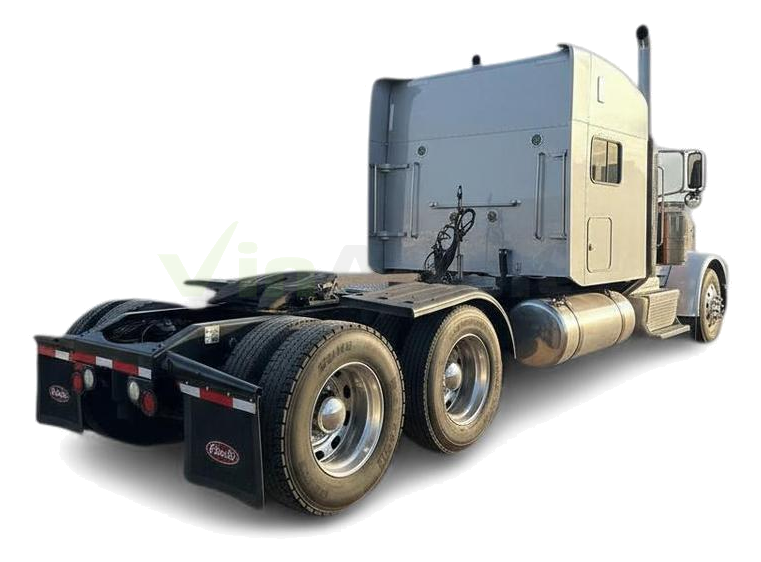
The 2015 Peterbilt 389 is a legendary Class 8 conventional truck renowned for its iconic styling and robust performance. Produced for many years, including the 2015 model year, it embodies classic truck aesthetics. Key trims often revolve around engine and chassis configurations. New pricing could range from $120,000 to over $200,000 depending on customization, while used models vary widely. Its popularity stems from its timeless design, powerful capabilities, and the pride of ownership it offers owner-operators.
The Good
The 2015 Peterbilt 389 offers unparalleled classic aesthetics that resonate emotionally, coupled with robust, reliable performance and dependable powertrains for practical operations. Its spacious, comfortable cabin enhances driver well-being, and its enduring design contributes to strong resale value.
The Bad
Potential weaknesses for the 2015 Peterbilt 389 include the higher initial cost compared to some competitors, potentially less advanced in-cab technology than newer models, and the sheer size can be a challenge for maneuverability in tight urban environments. Maintenance may also be more specialized.
2015 Peterbilt 389: Quick Overview
- Engine Options: The 2015 Peterbilt 389 was typically equipped with PACCAR's MX-13 engine, or could be optioned with Cummins ISX15 engines. These are heavy-duty diesel engines designed for demanding vocational and over-the-road applications.
- Horsepower: Horsepower ratings for the PACCAR MX-13 generally ranged from 400 to 500 horsepower. The Cummins ISX15 options could also fall within this broad range, with some configurations potentially exceeding 500 horsepower for specialized tasks.
- Fuel Economy: Fuel economy for a Class 8 truck like the Peterbilt 389 is highly dependent on the specific engine, transmission, axle ratios, trailer aerodynamics, load weight, and driving conditions. Typically, these trucks achieve between 5 to 7 miles per gallon (MPG) under optimal highway conditions. Aggressive driving, heavy loads, or mountainous terrain will reduce this significantly.
- 0-60 Times: 0-60 mph times are not a standard metric for heavy-duty commercial trucks. Their purpose is not rapid acceleration but sustained power delivery and efficiency under load. For context, an empty truck might reach highway speeds relatively quickly, but a fully loaded truck can take a considerable distance and time to accelerate.
- Towing Capacity: The towing capacity of the 2015 Peterbilt 389 is substantial and designed for heavy hauling. Gross Combination Weight Ratings (GCWR) can easily exceed 80,000 pounds and extend to well over 100,000 pounds, depending on specific configurations, axle setups, and chassis ratings. This truck is built for long-haul freight and heavy-duty vocational use.
- Trim-Level Features: While not having distinct "trims" in the passenger car sense, the 2015 Peterbilt 389 offered a wide array of customization options that defined its configuration. These included:
- Aerodynamics: Various aerodynamic packages, including fairings, roof extenders, and side skirts, to improve fuel efficiency.
- Cab Configurations: Day cabs (shorter cabins for local routes) and multiple sleeper configurations (e.g., 70-inch Unibilt UltraCab, 80-inch Unibilt UltraCab) offering living space for long-haul drivers, often with amenities like refrigerators, sinks, and comfortable sleeping areas.
- Interior Appointments: Options for premium interior materials, enhanced driver ergonomics, advanced HVAC systems, and upgraded seating.
- Chassis and Axle Configurations: A wide range of axle ratios, suspension types (e.g., Peterbilt Low Air Leaf, PACCAR Air Ride), and drivetrain setups to suit specific hauling needs.
- Technology: Availability of advanced infotainment systems, GPS navigation, and communication tools.
- Lighting and Exterior: Numerous options for chrome accents, custom lighting, grille styles, and wheel choices to enhance its distinctive appearance.
- Aerodynamics: Various aerodynamic packages, including fairings, roof extenders, and side skirts, to improve fuel efficiency.
2015 Peterbilt 389 Specifications
Vehicle Information
| Year | 2015 |
| Make | Peterbilt |
| Model | 389 |
| Trim | - |
| Style | - |
| Type | Truck |
| Category | Medium Truck |
Manufacturing Details
| Made In | Canada |
| Manufacturing City | MONTREAL |
Dimensions
| Doors | - |
| Curb Weight | - |
| Gross Vehicle Weight Rating | - |
| Overall Height | - |
| Overall Length | - |
| Overall Width | - |
| Wheelbase Length | - |
| Standard Seating | - |
Engine & Performance
| Engine | 14.9L I6 |
| Engine Size | 14.9L |
| Engine Cylinders | 6 |
| Transmission | - |
| Transmission Type | - |
| Transmission Speeds | - |
| Drivetrain | 6x4 |
Additional Features
| Anti-Brake System | - |
| Steering Type | - |
Pricing
| Manufacturer Suggested Retail Price (MSRP) | - |
| Invoice Price | - |
| Delivery Charges | - |
Vehicle History Report
Vehicle
Specifications
Specifications
Ownership
History
History
All History
Events
Events
NMVTIS Title
History Check
History Check
Salvage/Rebuilt
Check
Check
Accident
Check
Check
Theft
Check
Check
Open Lien
Check
Check
Past Sale
Listings
Listings
Safety
Recalls
Recalls
Odometer
Check
Check
Market Price
Analysis
Analysis
What Problems Does the 2015 Peterbilt 389 Have?
The 2015 Peterbilt 389, being a heavy-duty truck, has a different set of potential issues compared to passenger vehicles. While generally known for its robust build and long-term reliability, some frequently reported areas or concerns, often related to the powertrain and specific components, can arise over time. For the 2015 model year, common areas that might require attention, especially as mileage increases, include:
Powertrain Components:
Specific recalls for the 2015 Peterbilt 389 would need to be checked against official National Highway Traffic Safety Administration (NHTSA) databases using the VIN. However, recalls on heavy-duty trucks often pertain to safety-critical systems such as braking components, steering linkages, or potential fire hazards related to electrical systems or fuel lines. It is essential for owners to verify any outstanding recalls for their specific vehicle.
Long-Term Reliability:
Despite potential issues, the Peterbilt 389 is built for longevity. The core chassis and cab structure are exceptionally durable. The key to long-term reliability lies heavily in meticulous and consistent maintenance, using high-quality parts, and addressing minor issues before they escalate into major problems. Owner-operators who invest in proper care often report these trucks exceeding a million miles with major component overhauls.
Powertrain Components:
- Emissions Systems (DPF, SCR): Like many trucks from this era, the diesel particulate filter (DPF) and selective catalytic reduction (SCR) systems can be sources of issues. Clogged DPFs, faulty sensors, or issues with the Diesel Exhaust Fluid (DEF) system can lead to reduced performance, check engine lights, and costly repairs. Regular maintenance and proper operation (e.g., ensuring regen cycles complete) are crucial.
- Turbochargers: While designed for durability, turbochargers on high-mileage diesel engines can eventually wear out or develop leaks, leading to loss of power and increased oil consumption.
- Fuel Injectors: Over time, fuel injectors can become clogged or fail, impacting engine performance, fuel efficiency, and potentially causing misfires or rough running.
- Wiring Harnesses: The complex electrical systems in these trucks can be prone to issues with wiring harnesses, particularly at connection points or due to vibration. This can manifest as intermittent electrical gremlins, lighting issues, or sensor malfunctions.
- Sensor Failures: Various engine and drivetrain sensors (e.g., speed sensors, temperature sensors, pressure sensors) can fail, triggering diagnostic codes and affecting engine management.
- Air Suspension Issues: Problems with air springs, leveling valves, or air lines in the suspension system can lead to an uneven ride or loss of ride height.
- Brake System Wear: As with any heavy vehicle, brake components will experience significant wear and require regular inspection and replacement.
Specific recalls for the 2015 Peterbilt 389 would need to be checked against official National Highway Traffic Safety Administration (NHTSA) databases using the VIN. However, recalls on heavy-duty trucks often pertain to safety-critical systems such as braking components, steering linkages, or potential fire hazards related to electrical systems or fuel lines. It is essential for owners to verify any outstanding recalls for their specific vehicle.
Long-Term Reliability:
Despite potential issues, the Peterbilt 389 is built for longevity. The core chassis and cab structure are exceptionally durable. The key to long-term reliability lies heavily in meticulous and consistent maintenance, using high-quality parts, and addressing minor issues before they escalate into major problems. Owner-operators who invest in proper care often report these trucks exceeding a million miles with major component overhauls.
How long will the 2015 Peterbilt 389 last?
The 2015 Peterbilt 389 is engineered for longevity, with many trucks routinely accumulating over a million miles throughout their service life. With diligent and regular maintenance, including scheduled oil changes, filter replacements, and proactive checks of all critical systems, these trucks can remain in reliable service for 10 to 15 years or more. Long-term durability is a hallmark, with the robust chassis and powertrain components designed for heavy use. Weaknesses that emerge over time are typically related to wear and tear on components such as the turbocharger, fuel injectors, or emissions system (DPF/SCR), which are common to all modern diesel engines. However, the fundamental build quality ensures the core truck remains strong, making major overhauls a possibility rather than a necessity for retirement.
What Technology & Safety Features are Included?
The 2015 Peterbilt 389, while celebrated for its classic aesthetic and raw power, typically offers a more focused approach to technology, prioritizing driver functionality and durability over cutting-edge infotainment found in modern passenger cars. The built-in tech often centers on essential operational information and comfort.
Standard Technology:
The 389 is highly customizable, and many technological features were available as options, especially in higher-spec sleeper models:
Driver assistance features in the 2015 model year were less prevalent than in contemporary passenger vehicles, with a focus on robust mechanical systems. However, some advanced safety options were available:
Formal crash-test ratings like those from the NHTSA or IIHS (Insurance Institute for Highway Safety) are not typically conducted on heavy-duty commercial trucks in the same way they are for light-duty vehicles. The design and engineering of these trucks prioritize occupant protection through robust frame structures, durable cabs, and advanced safety systems specifically developed for commercial applications. Their sheer size and weight provide significant inherent protection in many types of collisions.
Standard Technology:
- Driver Information Display: A comprehensive dashboard with clear, easy-to-read gauges for engine speed, road speed, fuel level, oil pressure, coolant temperature, and other critical operational data. This display often includes a digital readout for trip odometers, average fuel economy, and diagnostic codes.
- HVAC System: Robust climate control systems designed for consistent comfort in various weather conditions, essential for long-haul drivers.
- Basic Audio System: Most models come standard with a functional AM/FM radio and possibly a CD player, prioritizing utility over premium sound.
- Power Accessories: Power windows and door locks are common, enhancing driver convenience.
The 389 is highly customizable, and many technological features were available as options, especially in higher-spec sleeper models:
- Advanced Infotainment Systems: Optional touch-screen infotainment units offering navigation, Bluetooth connectivity for hands-free calling, and integration with mobile devices.
- Premium Sound Systems: Upgraded speaker systems and amplifiers for a richer audio experience.
- Auxiliary Heaters/Sleepers: For sleeper cabs, advanced auxiliary heating and cooling systems, refrigerators, and entertainment options like TV mounts.
- Telematics Systems: Optional fleet management and telematics systems allowing for real-time tracking, diagnostics, and driver behavior monitoring.
Driver assistance features in the 2015 model year were less prevalent than in contemporary passenger vehicles, with a focus on robust mechanical systems. However, some advanced safety options were available:
- Anti-lock Braking System (ABS): Standard on most heavy-duty trucks for improved braking control.
- Traction Control: Available on some configurations to enhance stability during acceleration and on slippery surfaces.
- Advanced Lighting: Optional HID or LED lighting for improved nighttime visibility.
- Lane Departure Warning (LDW): Available as an option on some models, providing audible alerts if the truck drifts out of its lane.
- Collision Mitigation Systems: Advanced braking systems designed to help prevent or mitigate frontal collisions were becoming more common as optional equipment.
Formal crash-test ratings like those from the NHTSA or IIHS (Insurance Institute for Highway Safety) are not typically conducted on heavy-duty commercial trucks in the same way they are for light-duty vehicles. The design and engineering of these trucks prioritize occupant protection through robust frame structures, durable cabs, and advanced safety systems specifically developed for commercial applications. Their sheer size and weight provide significant inherent protection in many types of collisions.
What Colors Options are Available?
2015 Peterbilt 389 Prices and Market Value
When new, the 2015 Peterbilt 389 had a significant price tag, typically starting in the range of $120,000 and easily climbing to $180,000-$200,000+ for highly customized configurations with premium sleeper options and powerful engines. On the used market, prices for a 2015 Peterbilt 389 can vary dramatically based on mileage, condition, engine specifications, overall maintenance history, and specific features. Expect to see prices ranging from approximately $50,000 to $100,000 or more. Depreciation is generally slower for these trucks compared to light-duty vehicles, especially for well-maintained examples with desirable configurations. Factors affecting resale value include remaining engine and transmission life, tire condition, interior wear, historical maintenance records, and the overall reputation of the seller. Trucks configured for popular long-haul or specialized vocational use tend to hold their value better.
2015 Peterbilt 389 Cost of Ownership
Owning a 2015 Peterbilt 389 is a significant financial commitment. Insurance costs are substantial due to the high value and commercial nature of the vehicle. Fuel expenses are considerable, averaging 5-7 MPG, making fuel efficiency a critical factor in profitability. Maintenance and repair costs are high, as specialized parts and labor for Class 8 trucks are expensive. Routine maintenance is essential for longevity, but unexpected repairs can be costly. Overall, the Peterbilt 389 is a costly vehicle to own and operate, but its durability, reliability, and strong resale value can make it an economical choice in the long run for businesses that rely on its heavy-duty capabilities and operational efficiency.
2015 Peterbilt 389 Fuel Efficiency
Fuel Type
Diesel
Fuel Capacity
-
City Mileage
-
Highway Mileage
-
2015 Peterbilt 389 Recalls & Defects
Parking Brake:conventional:air
Recall date
2014-12-29
Recall no.
14v810000
Source
NHTSA
Summary
Paccar Incorporated (Paccar) IS Recalling Certain Model Year 2015 Peterbilt 367, 389, 567, 579, and 587 Trucks Manufactured From MAY 23, 2014, TO February 13, 2015, and 2015 Kenworth T270, T370, T440, T470, T660, T680, T800, T880, and W900 Trucks Manufactured From MAY 23, 2014, TO February 13, 2015, Equipped With Certain AIR Brake Actuators. THE Affected Vehicles MAY Experience Brake Drag DUE TO AN Improperly Seated Diaphragm IN THE Brake Chamber.
Consequence
Brake Drag MAY Result IN A Wheel END Fire.
Remedy
Kenworth and Peterbilt Will Notify Owners, and Dealers Will Inspect and Replace THE Brake Chamber, AS Necessary, Free OF Charge. AN Interim Notice WAS Mailed TO Owners March 3, 2015. THE Recall Began ON MAY 14, 2015. Owners MAY Contact Paccar Customer Service AT 1-425-828-5000 (Kenworth), or 1-940-591-4000 (Peterbilt). Paccar's Number FOR This Recall IS 14kwp (kenworth), and 1214l (peterbilt).
Notes
Owners MAY Also Contact THE National Highway Traffic Safety Administration Vehicle Safety Hotline AT 1-888-327-4236 (Tty 1-800-424-9153), or GO TO Www.safercar.gov.
Steering
Recall date
2014-11-13
Recall no.
14v731000
Source
NHTSA
Summary
Paccar Incorporated (Paccar) IS Recalling Certain Model Year 2015 Peterbilt 389 "pride and Class" Edition Trucks Manufactured September 30, 2014, TO November 3, 2014. IN THE Affected Vehicles, THE Steering Wheel MAY Have Been Installed With AN Incorrect Attachment Nut, or THE NUT MAY NOT BE Have Been Properly Torqued.
Consequence
AN Incorrect or Improperly Torqued Steering Wheel Attachment NUT Could Allow THE Steering Wheel TO Come Loose, Resulting IN A Loss OF Vehicle Control, Increasing THE Risk OF A Crash.
Remedy
Paccar Will Notify Owners, and Dealers Will Inspect THE Steering Wheel Attachment Nut, and Replace IT And/Or Tighten IT, AS Necessary, Free OF Charge. THE Manufacturer HAS NOT YET Provided A Notification Schedule. Owners MAY Contact Paccar Customer Service AT 1-940-591-4220 (Peterbilt). Paccar's Number FOR This Recall IS 1114k.
Notes
Owners MAY Also Contact THE National Highway Traffic Safety Administration Vehicle Safety Hotline AT 1-888-327-4236 (Tty 1-800-424-9153), or GO TO Www.safercar.gov.
Electrical System:alternator/Generator/Regulator
Recall date
2015-07-22
Recall no.
15v456000
Source
NHTSA
Summary
Paccar Incorporated (Paccar) IS Recalling Certain Model Year 2012-2016 Peterbilt 365, 367, 384, 386, 388, 389, 567, 579, and 587 Trucks Manufactured January 13, 2011, TO April 20, 2015. THE Affected Trucks, Equipped With Extended-Body Leece Neville Alternators, Have Alternator Charge Cables That MAY Chafe Against A Formed Metal Freon Discharge Line.
Consequence
IF THE Alternator Cable Rubs Through ITS Insulation, AN Electrical Short MAY Occur, Increasing THE Risk OF A Fire.
Remedy
Peterbilt Will Notify Owners, and Dealers Will Reroute THE Alternator Charge Cable Away From THE Metal Freon Line and Install A Plastic Insulator ON THE Cable End, Free OF Charge. THE Recall Began ON September 23, 2015. Owners MAY Contact Peterbilt Customer Service AT 1-940-591-4000. Peterbilt's Number FOR This Recall IS 715-k.
Notes
Owners MAY Also Contact THE National Highway Traffic Safety Administration Vehicle Safety Hotline AT 1-888-327-4236 (Tty 1-800-424-9153), or GO TO Www.safercar.gov.
Equipment:other:labels
Recall date
2015-03-06
Recall no.
15v132000
Source
NHTSA
Summary
Paccar Incorporated (Paccar) IS Recalling Certain Model Year 2006-2016 Peterbilt 587, 579, 567, 389, 388, 387, 385, 382, 379, 378, 367, 365 and 357 Trucks Manufactured July 25, 2005, TO February 26, 2016. THE Affected Vehicles MAY BE Equipped With Tire and RIM Certification Labels That List A Tire Pressure Below THE Actual Correct Amount. AS Such, These Vehicles Fail TO Comply With THE Requirements OF Federal Motor Vehicle Safety Standard NO. 120, "tire Selection and Rims and Motor Home/Recreation Vehicle Trailer Load Carrying Capacity Information FOR Motor Vehicles With A Gvwr OF More Than 4,536 Kilograms (10,000 Pounds)."
Consequence
IF THE Tires ARE Underinflated DUE TO THE Incorrect Inflation Pressure Listed ON THE Label, THE Truck MAY NOT BE Able TO Carry THE Maximum Gross Vehicle Weight Rating (Gvwr) Load Listed Without Experiencing Tire Failure Which Would Increase THE Risk OF A Crash.
Remedy
Peterbilt Will Notify Owners and Mail Them A Corrected Tire and RIM Certification Label, Free OF Charge. THE Recall Began ON June 19, 2015. Owners MAY Contact Peterbilt Customer Service AT 1-940-591-4000. Paccar's Number FOR This Recall IS 215-d.
Notes
Owners MAY Also Contact THE National Highway Traffic Safety Administration Vehicle Safety Hotline AT 1-888-327-4236 (Tty 1-800-424-9153), or GO TO Www.safercar.gov.
Tires
Recall date
2015-03-06
Recall no.
15v132000
Source
NHTSA
Summary
Paccar Incorporated (Paccar) IS Recalling Certain Model Year 2006-2016 Peterbilt 587, 579, 567, 389, 388, 387, 385, 382, 379, 378, 367, 365 and 357 Trucks Manufactured July 25, 2005, TO February 26, 2016. THE Affected Vehicles MAY BE Equipped With Tire and RIM Certification Labels That List A Tire Pressure Below THE Actual Correct Amount. AS Such, These Vehicles Fail TO Comply With THE Requirements OF Federal Motor Vehicle Safety Standard NO. 120, "tire Selection and Rims and Motor Home/Recreation Vehicle Trailer Load Carrying Capacity Information FOR Motor Vehicles With A Gvwr OF More Than 4,536 Kilograms (10,000 Pounds)."
Consequence
IF THE Tires ARE Underinflated DUE TO THE Incorrect Inflation Pressure Listed ON THE Label, THE Truck MAY NOT BE Able TO Carry THE Maximum Gross Vehicle Weight Rating (Gvwr) Load Listed Without Experiencing Tire Failure Which Would Increase THE Risk OF A Crash.
Remedy
Peterbilt Will Notify Owners and Mail Them A Corrected Tire and RIM Certification Label, Free OF Charge. THE Recall Began ON June 19, 2015. Owners MAY Contact Peterbilt Customer Service AT 1-940-591-4000. Paccar's Number FOR This Recall IS 215-d.
Notes
Owners MAY Also Contact THE National Highway Traffic Safety Administration Vehicle Safety Hotline AT 1-888-327-4236 (Tty 1-800-424-9153), or GO TO Www.safercar.gov.
Steering:linkages:tie ROD Assembly
Recall date
2015-02-24
Recall no.
15v108000
Source
NHTSA
Summary
Paccar Incorporated (Paccar) IS Recalling Certain Model Year 2009-2015 Peterbilt 320, 365, 367, 388, and 389 Trucks Manufactured July 21, 2008, TO February 28, 2014. THE Front Axle TIE ROD END Clamp Bolts MAY BE Improperly Torqued.
Consequence
Undertorqued TIE ROD END Clamp Bolts ARE Susceptible TO Corrosion, Which MAY Cause Loose Bolts TO Separate Resulting IN A Loss OF Vehicle Control and AN Increased Risk OF A Crash.
Remedy
Paccar Will Notify Owners, and Dealers Will Replace THE Front Axle TIE ROD Assembly ON ANY Vehicle Where THE Factory Installed Assembly HAS NOT Been Previously Replaced, Free OF Charge. Owners Were Mailed Interim Notices ON MAY 11, 2015. THE Recall Began ON April 4, 2016. Owners MAY Contact Peterbilt Customer Service AT 1-940-591-4220. Paccar's Number FOR This Recall IS 215-c.
Notes
Owners MAY Also Contact THE National Highway Traffic Safety Administration Vehicle Safety Hotline AT 1-888-327-4236 (Tty 1-800-424-9153), or GO TO Www.safercar.gov.
Electronic Stability Control (Esc)
Recall date
2015-01-27
Recall no.
15v036000
Source
NHTSA
Summary
Paccar Incorporated (Paccar) IS Recalling Certain Model Year 2015 Peterbilt 389 Pride and Class Edition Vehicles Manufactured October 1, 2014, TO December 4, 2014, and Equipped With Electronic Stability Control (Esc). THE Affected Vehicles Were Manufactured With AN Incorrect Horn Contact Plate That MAY Damage THE ESC Steering Angle Sensor.
Consequence
IF THE Steering Angle Sensor IS Damaged, THE ESC Sensor MAY Malfunction, Increasing THE Risk OF A Vehicle Crash.
Remedy
Peterbilt Will Notify Owners, and Dealers Will Replace THE Horn Contact Plate and THE ESC Steering Angle Sensor, Free OF Charge. THE Recall Began ON March 6, 2015. Owners MAY Contact Peterbilt Customer Service AT 1-940-591-4000. Paccar's Number FOR This Recall IS 115a.
Notes
Owners MAY Also Contact THE National Highway Traffic Safety Administration Vehicle Safety Hotline AT 1-888-327-4236 (Tty 1-800-424-9153), or GO TO Www.safercar.gov.
Electrical System:alternator/Generator/Regulator
Recall date
2015-05-08
Recall no.
15v270000
Source
NHTSA
Summary
Paccar Incorporated (Paccar) IS Recalling Certain Model Year 2014-2016 Kenworth T660, T680, T880 Trucks Manufactured February 18, 2013, TO April 10, 2015, and 2011-2016 Peterbilt 386, 389, 567, 579, and 587 Trucks Manufactured December 13, 2010, TO April 20, 2015. THE Affected Trucks, Equipped With Paccar Mx-13 Engines and Delco-remy 40si Alternators, Have Alternator Charge Cables That MAY Chafe Against A Formed Metal Freon Discharge Line.
Consequence
IF THE Alternator Cable Rubs Through ITS Insulation, AN Electrical Short MAY Occur, Increasing THE Risk OF A Fire.
Remedy
Paccar Will Notify Owners, and Dealers Will Reroute THE Alternator Charge Cable Away From THE Metal Freon Line, Free OF Charge. Paccar Issued AN Interim Notification TO Owners ON July 10, 2015. THE Recall Began ON September 16, 2015. Owners MAY Contact Kenworth Customer Service AT 1-425-828-5000 or Peterbilt Customer Service AT 1-940-591-4000. Paccar's Numbers FOR This Recall ARE 15kwe and 515-f.
Notes
Owners MAY Also Contact THE National Highway Traffic Safety Administration Vehicle Safety Hotline AT 1-888-327-4236 (Tty 1-800-424-9153), or GO TO Www.safercar.gov.
Tires
Recall date
2015-11-09
Recall no.
15v740000
Source
NHTSA
Summary
Paccar Incorporated (Paccar) IS Recalling Certain Model Year 2009-2010 Peterbilt 340, 2010, 2012, and 2015-2016 Peterbilt 337, 2010 Peterbilt 335, 2011-2016 Peterbilt 348, 2009 and 2011-2016 Peterbilt 365, 2009 and 2012-2013 Peterbilt 386, 2009-2015 Peterbilt 388, 2015-2016 Peterbilt 389, and 2015 Peterbilt 567 Auto Hauler Vehicles. THE Affected Trucks ARE Equipped With Michelin 295/60r22.5 Xza-2 Front Tires That Have A Speed Rating Less Than THE Vehicle IS Governed TO.
Consequence
Higher Vehicle Speeds and Other Factors Such AS Tire Load and Road Temperatures MAY Result IN Premature Tire Failure, Increasing THE Risk OF A Crash.
Remedy
Peterbilt Will Notify Owners, and Dealers Will Reprogram THE Engine's Vehicle Speed Parameters TO Limit THE Maximum Vehicle Speed TO THE Tire Speed Rating, Free OF Charge. THE Recall Began ON January 4, 2016. Owners MAY Contact Peterbilt Customer Service AT 1-940-591-4000. Paccar's Number FOR This Recall IS 1115p.
Notes
Owners MAY Also Contact THE National Highway Traffic Safety Administration Vehicle Safety Hotline AT 1-888-327-4236 (Tty 1-800-424-9153), or GO TO Www.safercar.gov.
Electronic Stability Control (Esc)
Recall date
2020-04-06
Recall no.
20v199000
Source
NHTSA
Summary
Paccar Incorporated (Paccar) IS Recalling Certain 2008-2019 Peterbilt 330, 335, 337, 340, 348, 365, 367, 384, 386, 387, 388, 389, 567, 579 and 587 Vehicles and 2008-2020 Kenworth T170, T270, T370, T660, T680, T800, T880, and W900 Vehicles Equipped With Namux Software. IN THE Event That THE Anti-lock Brake System (Abs) Loses Battery And/Or Ignition Power TO THE Controller, THE Dash Warning Light FOR THE ABS MAY NOT Illuminate TO Warn THE Driver OF THE Loss OF Abs. AS Such, These Vehicles Fail TO Comply With THE Requirements OF Federal Motor Vehicle Safety Standard (fmvss) Number 121, "air Brake Systems," and 136, "electronic Stability Control System ON Heavy Vehicles."
Consequence
IF THE Driver Unknowingly Operates THE Vehicle Without THE ABS Functioning, There Would BE AN Increased Risk OF A Crash.
Remedy
Paccar Will Notify Owners, and Dealers Will Update THE Namux Software Within THE Cab Control Module, Free OF Charge. Paccar Issued Owners AN Interim Notification ON June 4, 2020. THE Recall Began MAY 26, 2020. Owners MAY Contact Kenworth Customer Service AT 1-425-828-5888 or Peterbilt Customer Service AT 1-940-591-4220. Paccar's Number FOR This Recall IS 20pbc and 20kwb.
Notes
Owners MAY Also Contact THE National Highway Traffic Safety Administration Vehicle Safety Hotline AT 1-888-327-4236 (Tty 1-800-424-9153), or GO TO Www.safercar.gov.
Service Brakes, Air:antilock:abs Warning Light
Recall date
2020-04-06
Recall no.
20v199000
Source
NHTSA
Summary
Paccar Incorporated (Paccar) IS Recalling Certain 2008-2019 Peterbilt 330, 335, 337, 340, 348, 365, 367, 384, 386, 387, 388, 389, 567, 579 and 587 Vehicles and 2008-2020 Kenworth T170, T270, T370, T660, T680, T800, T880, and W900 Vehicles Equipped With Namux Software. IN THE Event That THE Anti-lock Brake System (Abs) Loses Battery And/Or Ignition Power TO THE Controller, THE Dash Warning Light FOR THE ABS MAY NOT Illuminate TO Warn THE Driver OF THE Loss OF Abs. AS Such, These Vehicles Fail TO Comply With THE Requirements OF Federal Motor Vehicle Safety Standard (fmvss) Number 121, "air Brake Systems," and 136, "electronic Stability Control System ON Heavy Vehicles."
Consequence
IF THE Driver Unknowingly Operates THE Vehicle Without THE ABS Functioning, There Would BE AN Increased Risk OF A Crash.
Remedy
Paccar Will Notify Owners, and Dealers Will Update THE Namux Software Within THE Cab Control Module, Free OF Charge. Paccar Issued Owners AN Interim Notification ON June 4, 2020. THE Recall Began MAY 26, 2020. Owners MAY Contact Kenworth Customer Service AT 1-425-828-5888 or Peterbilt Customer Service AT 1-940-591-4220. Paccar's Number FOR This Recall IS 20pbc and 20kwb.
Notes
Owners MAY Also Contact THE National Highway Traffic Safety Administration Vehicle Safety Hotline AT 1-888-327-4236 (Tty 1-800-424-9153), or GO TO Www.safercar.gov.
Electrical System:12v/24v/48v Battery:cables
Recall date
2020-03-04
Recall no.
20v130000
Source
NHTSA
Summary
Paccar Incorporated (Paccar) IS Recalling Certain 2015-2020 Peterbilt 365, 389, 567, and 579 Vehicles Equipped With A Left-Hand Under Hood Jumper Terminal (Option Code 2539410). THE Positive Battery Jumper Terminal Cable MAY BE TOO Long, Allowing IT TO Chafe Against THE Left Front Suspension Spring and Result IN AN Electrical Short Circuit.
Consequence
AN Electrical Short Circuit CAN Increase THE Risk OF A Fire.
Remedy
Paccar Will Notify Owners, and Dealers Will Inspect THE Battery Jumper Terminal Cables, and Replace Them AS Necessary, Free OF Charge. THE Recall Began April 30, 2020. Owners MAY Contact Paccar Customer Service AT 1-940-591-4220. Paccar's Number FOR This Recall IS 20pba.
Notes
Owners MAY Also Contact THE National Highway Traffic Safety Administration Vehicle Safety Hotline AT 1-888-327-4236 (Tty 1-800-424-9153), or GO TO Www.safercar.gov.
2015 Peterbilt 389 Warranty
Basic
Original warranty
0 months / No data
Estimated remaining
Expired
Powertrain
Original warranty
0 months / No data
Estimated remaining
Expired
Rust
Original warranty
0 months / No data
Estimated remaining
Expired
2015 Peterbilt 389 Insurance
Insurance for a 2015 Peterbilt 389 is moderately priced, reflecting its status as a Truck with strong safety ratings and
reasonable repair costs.
How Does the 2015 Peterbilt 389 Compare to Other Truck?
The 2015 Peterbilt 389 competes in the premium conventional Class 8 truck segment, primarily against other iconic brands known for their durability, performance, and driver appeal. Key rivals include the Kenworth W900, International LoneStar, and Mack Anthem.
Performance:
In terms of raw performance, the Peterbilt 389, typically equipped with PACCAR MX-13 or Cummins ISX15 engines, offers formidable power and torque suitable for heavy hauling and demanding vocational applications. Its performance is often benchmarked against the Kenworth W900, which shares similar powertrain options and is renowned for its own brute strength. The International LoneStar and Mack Anthem also offer competitive powertrains, though perhaps with a slightly different emphasis on efficiency or specialized capabilities depending on the exact configuration.
Features:
The 389 excels in its iconic, classic styling and offers a highly customizable interior, particularly in sleeper configurations. While its technology in 2015 might have lagged behind some newer, more ergonomically designed cabins like the LoneStar, it offered robust, driver-focused amenities and comfort for long hauls. The Kenworth W900 is a very close competitor in terms of styling and customization. The Mack Anthem, being a newer design for its era, might have offered more integrated technology and aerodynamic advancements.
Reliability:
Peterbilt and Kenworth trucks, including the 389 and W900, are widely regarded as leaders in long-term reliability and durability. They are built with robust components designed for millions of miles. International and Mack also have strong reputations, but Peterbilt often holds a slight edge in perceived build quality and longevity by many owner-operators. Long-term ownership costs are often managed effectively due to the trucks' inherent toughness.
Price:
The 389, like the Kenworth W900, typically commands a premium price both new and used due to its iconic status, build quality, and desirability. International and Mack trucks, while still substantial investments, might offer slightly more competitive pricing, especially when looking at specific vocational applications or fleet-oriented models. The LoneStar, in particular, was positioned to offer a blend of style and modern features at a competitive point.
Recommendations:
Performance:
In terms of raw performance, the Peterbilt 389, typically equipped with PACCAR MX-13 or Cummins ISX15 engines, offers formidable power and torque suitable for heavy hauling and demanding vocational applications. Its performance is often benchmarked against the Kenworth W900, which shares similar powertrain options and is renowned for its own brute strength. The International LoneStar and Mack Anthem also offer competitive powertrains, though perhaps with a slightly different emphasis on efficiency or specialized capabilities depending on the exact configuration.
Features:
The 389 excels in its iconic, classic styling and offers a highly customizable interior, particularly in sleeper configurations. While its technology in 2015 might have lagged behind some newer, more ergonomically designed cabins like the LoneStar, it offered robust, driver-focused amenities and comfort for long hauls. The Kenworth W900 is a very close competitor in terms of styling and customization. The Mack Anthem, being a newer design for its era, might have offered more integrated technology and aerodynamic advancements.
Reliability:
Peterbilt and Kenworth trucks, including the 389 and W900, are widely regarded as leaders in long-term reliability and durability. They are built with robust components designed for millions of miles. International and Mack also have strong reputations, but Peterbilt often holds a slight edge in perceived build quality and longevity by many owner-operators. Long-term ownership costs are often managed effectively due to the trucks' inherent toughness.
Price:
The 389, like the Kenworth W900, typically commands a premium price both new and used due to its iconic status, build quality, and desirability. International and Mack trucks, while still substantial investments, might offer slightly more competitive pricing, especially when looking at specific vocational applications or fleet-oriented models. The LoneStar, in particular, was positioned to offer a blend of style and modern features at a competitive point.
Recommendations:
- Similar Alternative: The Kenworth W900 is arguably the most direct and comparable alternative to the 2015 Peterbilt 389, offering similar classic styling, robust performance, and legendary reliability.
- Modern Styling/Features: If a blend of modern features, aerodynamics, and comfort with strong performance is desired, the International LoneStar could be considered, though it may not possess the same timeless aesthetic.
- Value/Workhorse: For a strong performer with a focus on utility and potentially a slightly lower entry cost on the used market, a well-maintained Mack Pinnacle or even a spec-focused International ProStar could be alternatives.
Final Verdict: Is the 2015 Peterbilt 389 a Good Truck?

The 2015 Peterbilt 389 is ideal for owner-operators and fleet managers who prioritize classic styling, robust performance, and exceptional long-term durability. It's a truck that embodies pride of ownership and can be a reliable workhorse for heavy-duty hauling and vocational applications. Buying one is certainly worthwhile if you value its iconic presence and proven engineering. It is best purchased used, as new models are prohibitively expensive and the 2015 is still a very capable machine. Look for well-maintained examples with detailed service records, focusing on specific trims like extended sleepers for long-haul comfort or day cabs for regional work. A pre-purchase inspection by a trusted heavy-duty mechanic is highly recommended.