
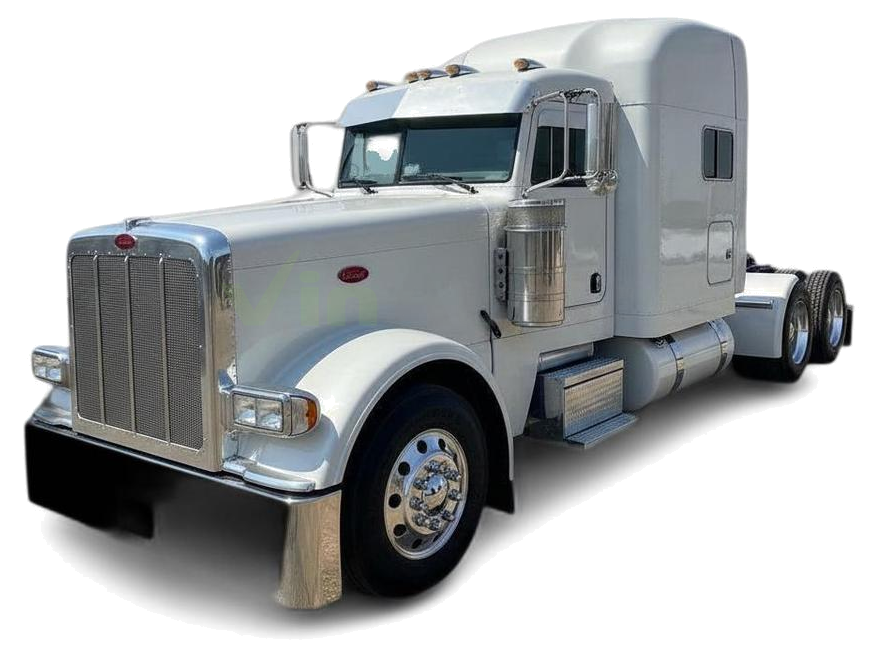
The Good
The 2023 Peterbilt 389 boasts powerful Cummins X15 or PACCAR MX-13 engines for robust performance and proven reliability, appealing to practical buyers. Its spacious, customizable sleeper cabs offer excellent comfort for long hauls. Emotionally, its timeless "American classic" design and abundant chrome stand out. While not the most aerodynamic, its strong resale value and durable build provide significant long-term value.
The Bad
Known weaknesses for the 2023 Peterbilt 389 include its less aerodynamic design compared to modern rivals, potentially leading to lower fuel efficiency. Its long hood can impede visibility in tight maneuvers, and the initial purchase price is often higher. Heavy-duty component maintenance costs are also a consideration, alongside potential issues with complex emissions systems.
2023 Peterbilt 389: Quick Overview
The 2023 Peterbilt 389, a quintessential heavy-duty truck, offers robust specifications tailored for demanding commercial applications.
- Engine Options: Primarily available with the PACCAR MX-13 and Cummins X15 engines.
- Horsepower: PACCAR MX-13 ranges from approximately 405 to 510 hp, while the Cummins X15 Performance Series offers 450 to 605 hp, with peak torque figures often exceeding 1,850 lb-ft.
- Fuel Economy: Varies significantly based on load, terrain, and driver habits, but typically falls in the range of 5-7 MPG (US) for an 80,000 lb Gross Combination Weight.
- 0-60 Times: Not a standard performance metric for semi-trucks. Acceleration is focused on pulling power and gradeability; an estimated 0-60 mph time for an unloaded truck would be in the range of 30-60+ seconds.
- Towing Capacity: Measured by Gross Combination Weight Rating (GCWR), commonly 80,000 lbs for standard operations, but can be configured for heavier hauls, often exceeding 140,000 lbs with proper permits.
- "Trim-level" Features (Configurations): The 389's features are highly customizable rather than strict trims:
- Sleepers: Multiple options including 36" Flat Top, 48" Flat Top, 72" Flat Top, 72" Mid-Roof, and 78" Mid-Roof, offering various interior volumes.
- Interior Packages: "Platinum" and "Signature" interiors provide upgraded materials, leather seating, wood grain accents, and enhanced sound insulation.
- Chassis Options: Various wheelbases, axle configurations (e.g., tandem rear axles), and suspension choices like air ride or vocational spring suspensions.
- Exterior Customization: Extensive chrome packages, polished aluminum wheels, custom exhaust stacks, various grille designs, and bespoke paint schemes are popular.
- Technology: Peterbilt SmartNav infotainment system with truck-specific navigation, Bluetooth, and multimedia capabilities. Customizable digital dash displays provide critical operational data.
- Driver Comfort & Convenience: High-back air-ride seats, power accessories, cruise control, premium climate control systems, and optional inverters for auxiliary power.
- Safety: Available with modern safety suites like Bendix Wingman Fusion, incorporating collision mitigation, adaptive cruise control, and lane departure warning, alongside standard robust air brake systems and optional LED lighting.
2023 Peterbilt 389 Specifications
Vehicle Information
| Year | 2023 |
| Make | Peterbilt |
| Model | 389 |
| Trim | - |
| Style | Base Truck RWD 5MT 14.9L I6 |
| Type | Pickup Truck |
| Category | passenger |
Manufacturing Details
| Made In | United States |
| Manufacturing City | DENTON |
Dimensions
| Doors | 2-Door |
| Curb Weight | - |
| Gross Vehicle Weight Rating | - |
| Overall Height | - |
| Overall Length | - |
| Overall Width | - |
| Wheelbase Length | - |
| Standard Seating | - |
Engine & Performance
| Engine | 14.9L I6 |
| Engine Size | 14.9L |
| Engine Cylinders | 6 |
| Transmission | 5-Speed Manual |
| Transmission Type | Manual |
| Transmission Speeds | 5-Speed |
| Drivetrain | Rear-Wheel Drive |
Additional Features
| Anti-Brake System | - |
| Steering Type | - |
Pricing
| Manufacturer Suggested Retail Price (MSRP) | - |
| Invoice Price | - |
| Delivery Charges | - |
Vehicle History Report
Specifications
History
Events
History Check
Check
Check
Check
Check
Listings
Recalls
Check
Analysis
What Problems Does the 2023 Peterbilt 389 Have?
- Emissions Systems: Modern diesel engines, including the Cummins X15 and PACCAR MX-13, rely on complex Diesel Exhaust Fluid (DEF)/Selective Catalytic Reduction (SCR) and Diesel Particulate Filter (DPF) systems. These are prone to sensor failures, DEF quality issues, injector fouling, and DPF clogging, leading to diagnostic trouble codes and potential engine derating if not properly maintained. EGR (Exhaust Gas Recirculation) system problems are also possible.
- Electrical Issues: With the increasing complexity of vehicle electronics, occasional glitches with wiring harnesses, sensor failures, or accessory power systems can occur, affecting everything from dash displays to lighting.
- Air System Leaks: The extensive air systems for brakes, suspension, and accessories can develop leaks over time, requiring routine inspection and repair of lines, valves, and airbags.
- HVAC System Malfunctions: Problems with air conditioning or heating, such as refrigerant leaks, fan motor failures, or blend door issues, are not uncommon.
Recalls: For 2023 Peterbilt models, recalls are typically component-specific and mandated by NHTSA. Examples from recent years across Peterbilt's lineup have included: improper routing of brake air lines, potential steering component defects, electrical wiring chafing that could lead to shorts, issues with seatbelt anchorages, and software updates for engine or driver-assistance systems. Owners should check NHTSA's website for any specific recalls tied to their VIN.
Long-term Reliability Concerns: While the Peterbilt 389 is built for durability, long-term concerns primarily revolve around the high cost and complexity of maintaining its emissions systems. These components usually require significant service or replacement around the 300,000-500,000-mile mark. Wear and tear on suspension components (bushings, airbags), interior trim, and electrical connections are also expected over many years and hundreds of thousands of miles. Rust on steel chassis components can become an issue in harsh climates if not proactively addressed.
How long will the 2023 Peterbilt 389 last?
What Technology & Safety Features are Included?
- Built-in Tech & Entertainment:
- Peterbilt SmartNav: A prominent touchscreen infotainment system that includes truck-specific navigation, Bluetooth® connectivity, AM/FM/SiriusXM® radio, USB inputs, and often integrates vehicle diagnostics and performance monitoring.
- Digital Dash Display: Customizable high-resolution digital gauges and information screens provide essential vehicle data, driver alerts, and trip information.
- Premium Sound Systems: Optional upgrades are available, featuring enhanced speakers and subwoofers for an immersive audio experience, especially crucial in the spacious sleeper cabs.
- Power Inverters: Factory-installed or optional power inverters provide convenient AC power outlets for appliances and electronics within the sleeper.
- Telematics: PACCAR Connect and other telematics solutions offer fleet management capabilities, remote diagnostics, and over-the-air updates for improved operational efficiency.
- Driver-Assistance Features (Optional): Many 389s can be equipped with advanced systems:
- Bendix Wingman® Fusion™: This comprehensive suite uses camera and radar technology for:
- Collision Mitigation System (CMS): Provides forward collision warnings and can initiate automatic emergency braking to reduce impact severity.
- Adaptive Cruise Control (ACC): Automatically adjusts the truck's speed to maintain a safe following distance from vehicles ahead.
- Lane Departure Warning (LDW): Alerts the driver if the truck unintentionally drifts out of its lane.
- Stationary Object Alert (SOA): Warns the driver of objects in the truck's path when traveling at low speeds.
- Electronic Stability Control (ESC): Helps prevent rollovers and maintain vehicle control during extreme maneuvers or adverse road conditions.
- Traction Control System (TCS): Assists in maximizing traction during acceleration to prevent wheel spin.
- Bendix Wingman® Fusion™: This comprehensive suite uses camera and radar technology for:
- Safety Features (Standard & Optional):
- Air Disc Brakes: Offer superior stopping power, consistency, and fade resistance compared to traditional drum brakes, often available on all axles.
- LED Lighting: Enhanced visibility is provided by modern LED headlamps, tail lamps, and marker lights, improving safety for both the driver and other road users.
- Daytime Running Lights (DRL): Improve the truck's visibility during daylight hours.
- Robust Cab Construction: Designed to meet stringent federal safety standards for commercial heavy-duty trucks, providing occupant protection.
- Airbags: A driver-side airbag is typically standard, with passenger-side airbags often available as an option.
- Crash-Test Ratings: It is important to note that heavy-duty commercial trucks like the Peterbilt 389 do not undergo formal crash testing by independent agencies like NHTSA or IIHS in the same manner as passenger vehicles. Their safety compliance is based on adherence to federal motor vehicle safety standards (FMVSS) for commercial vehicles, which dictate requirements for components like brakes, cab integrity, and lighting.
What Colors Options are Available?
2023 Peterbilt 389 Prices and Market Value
2023 Peterbilt 389 Cost of Ownership
2023 Peterbilt 389 Fuel Efficiency
2023 Peterbilt 389 Insurance
reasonable repair costs.
How Does the 2023 Peterbilt 389 Compare to Other Pickup Truck?
- Performance: The 389, alongside the W900L, offers robust performance with powerful Cummins X15 or PACCAR MX-13 engines, providing excellent torque for heavy hauling. Aerodynamic rivals like the Cascadia or VNL also offer strong power but prioritize fuel efficiency through design, which can subtly alter the "feel" of power delivery.
- Features: The 389 and W900L excel in customization, traditional styling, chrome aesthetics, and spacious, driver-centric sleepers often equipped with a classic "trucker's" feel. Their technology integrates into this classic design. In contrast, the Cascadia, VNL, and LT series emphasize integrated, cutting-edge technology, more advanced standard driver-assistance systems, superior aerodynamic features, and modern, often car-like interior ergonomics.
- Reliability: Reliability across all modern heavy trucks is largely dependent on the chosen engine and transmission, which are often shared between manufacturers (e.g., Cummins engines, Eaton transmissions). The 389 and W900L are built on proven, durable platforms. Emissions systems, however, remain a common point of complexity and potential issues for all brands.
- Price: The 389 and W900L generally command higher initial purchase prices ($160,000 - $250,000+ new) and retain stronger resale values due to their iconic status and customization demand. Aerodynamic rivals like the Cascadia or VNL can sometimes offer a slightly lower entry price ($140,000 - $220,000+ new), offsetting this with potentially lower total cost of ownership through superior fuel efficiency.
Alternatives:
- Similar Alternative: The Kenworth W900L is the most direct competitor, offering very similar styling, customization options, and shared componentry. The choice between these two often comes down to brand loyalty or minor aesthetic preferences.
- "Better" Alternatives (for specific priorities): For operators prioritizing maximum fuel economy, the latest integrated safety technologies, and modern interior ergonomics, a Freightliner Cascadia, Volvo VNL, or International LT Series would be "better" choices. These trucks are designed from the ground up for aerodynamic efficiency and often feature more extensive standard driver-assistance suites. The "best" alternative ultimately hinges on an operator's business model, aesthetic preferences, and operational priorities.
Final Verdict: Is the 2023 Peterbilt 389 a Good Pickup Truck?

Drew B
Drew is a seasoned automotive expert and contributor to VinCheck.info. With nearly 15 years of experience as a former Porsche technician, he brings a wealth of hands-on knowledge to his writing. Born in North Carolina, a region renowned for its deep-rooted NASCAR culture, Drew developed a passion for cars early in life, often building and working on vehicles from a young age. At VINCheck, Drew leverages his extensive technical background to provide in-depth analyses of various vehicles. His articles often focus on engine performance, reliability, and maintenance insights, offering readers practical information grounded in real-world experience. Some of his notable contributions include reviews on the Mazda CX-5's longevity and detailed examinations of engine options for models like the 2011 Toyota Camry and Tacoma