by VIN, Year, Make, Model by License Plate

2010 Ford F-650 Overview, Reviews, Ratings & Specs

Rating: 0.00
Based on 0 Owner Reviews
Simon A | October 1, 2025
The 2010 Ford F-650 is a formidable commercial-grade medium-duty truck, part of a series known for its robust capabilities. Introduced in the late 1990s, the F-650 primarily serves vocational markets, including utility, construction, and delivery services. Its body style is typically a conventional cab chassis, allowing for extensive customization with various upfitter bodies like dump beds, flatbeds, or box trucks. Model years generally span from the late '90s to the present, with key trims often revolving around engine choices and GVWR. Prices new were substantial, reflecting its commercial purpose, and it stands out due to its immense configurability and heavy-duty foundation.

The Good

The 2010 Ford F-650 offers unparalleled performance for heavy-duty tasks, boasting strong diesel engines that deliver exceptional towing and hauling capacity. Its robust construction ensures impressive reliability and durability under demanding conditions. While not luxury, the cab design prioritizes functionality and offers adequate comfort for long workdays. Practically, its immense versatility and value as a workhorse appeal to businesses needing a dependable platform, providing a strong return on investment for those requiring serious payload and pulling power.

The Bad

Potential weaknesses for the 2010 Ford F-650 often revolve around its sheer size, making it challenging to maneuver in tight urban environments. Fuel efficiency is a significant concern due to its heavy-duty nature and powerful engines. Maintenance costs can be substantial, given its commercial-grade components. Buyers should watch out for previous heavy usage, potential rust in the chassis, and the condition of specialized vocational equipment that might be attached.

2010 Ford F-650: Quick Overview

The 2010 Ford F-650, being a chassis cab, offered a range of robust specifications designed for various commercial applications.

  • Engine Options:
    • Cummins ISB 6.7L Turbo Diesel: This was a popular choice, known for its reliability and strong torque output.
    • Caterpillar C7 7.2L Turbo Diesel: Another common diesel option, providing a balance of power and durability for heavy-duty tasks.
    • Ford Power Stroke 6.7L Turbo Diesel (less common in F-650 for 2010, more prevalent in F-250/350/450/550, but specific configurations might have varied): While the 6.7L Power Stroke became dominant in smaller F-series, for the F-650/750 in 2010, the Cummins and Caterpillar engines were the primary offerings.
    • Ford Triton 6.8L V10 Gasoline (rare but available for specific lighter-duty vocational uses where diesel wasn't preferred or required due to emissions regulations or cost): Offered an alternative for those not needing diesel's torque or facing specific fuel requirements.
  • Horsepower:
    • Cummins ISB 6.7L: Typically ranged from 200 hp to 300 hp, depending on tuning and application.
    • Caterpillar C7 7.2L: Generally between 200 hp and 300 hp.
    • Ford Triton 6.8L V10: Around 362 hp for gasoline variants.
  • Fuel Economy: Given its size and purpose, fuel economy is not a strong suit. Expect single-digit MPG, typically ranging from 5-10 MPG depending heavily on load, engine, and driving conditions. These are commercial vehicles not rated by EPA like passenger cars.
  • 0-60 Times: Not applicable for this class of vehicle. Performance metrics like 0-60 mph are irrelevant for medium-duty trucks designed for hauling and towing, not acceleration.
  • Towing Capacity: Highly variable based on GVWR (Gross Vehicle Weight Rating), GCWR (Gross Combined Weight Rating), engine, transmission, and specific upfit.
    • GCWR could range from 33,000 lbs to over 60,000 lbs for properly equipped models, allowing for substantial trailer weights.
    • The chassis itself has a high payload capacity, and the actual towing capacity depends on the remaining capacity after body and payload are accounted for.
  • Trim-Level Features: The F-650 is more about chassis configuration than passenger car-like trims. Features focused on utility:
    • Multiple wheelbase options to accommodate different body lengths.
    • Various cab configurations: Regular Cab, SuperCab (extended cab), and Crew Cab for passenger capacity.
    • Transmission options: Manual and automatic transmissions from manufacturers like Allison (a popular choice for its durability and smooth shifting in commercial applications).
    • GVWR choices: Ranged from Class 6 (26,001-33,000 lbs) to Class 7 (33,001 lbs and up) depending on the configuration, influencing spring rates, axle sizes, and brake systems.
    • Interior: Functional and durable, often with vinyl or heavy-duty cloth seats, basic infotainment, and controls designed for ease of use with work gloves. Air conditioning, power windows/locks were common options for comfort.
    • External features: Hydraulic brakes, air brakes (optional for higher GVWRs), multiple fuel tank capacities, and heavy-duty suspension packages were standard or optional depending on the intended use.

2010 Ford F-650 Specifications

Vehicle Information
Year 2010
Make Ford
Model F-650
Trim -
Style Regular Cab 2WD
Type Truck
Category Medium Truck
Manufacturing Details
Made In Mexico
Manufacturing City ESCOBEDO
Dimensions
Doors 4-Door
Curb Weight -
Gross Vehicle Weight Rating -
Overall Height -
Overall Length -
Overall Width -
Wheelbase Length -
Standard Seating -
Engine & Performance
Engine 6.7L L6 TURBO DIESEL
Engine Size 6.7L
Engine Cylinders 6
Transmission -
Transmission Type -
Transmission Speeds -
Drivetrain Rear-Wheel Drive
Additional Features
Anti-Brake System -
Steering Type -
Pricing
Manufacturer Suggested Retail Price (MSRP) -
Invoice Price -
Delivery Charges -

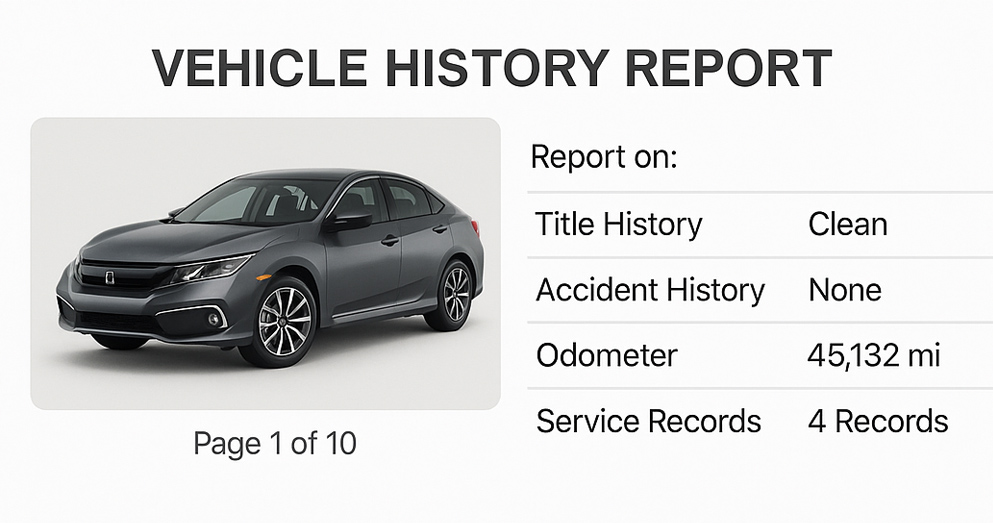
Vehicle History Report

Vehicle
Specifications
Ownership
History
All History
Events
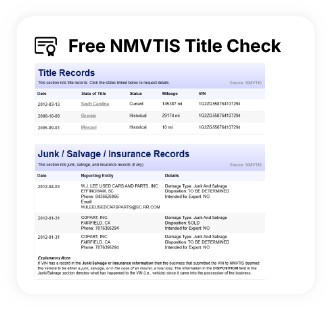
NMVTIS Title
History Check
Salvage/Rebuilt
Check
Accident
Check
Theft
Check
Open Lien
Check
Past Sale
Listings
Safety
Recalls
Odometer
Check
Market Price
Analysis

What Problems Does the 2010 Ford F-650 Have?

The 2010 Ford F-650, as a commercial chassis, generally boasts a reputation for robust durability, but like any heavy-duty machinery, it's not without its specific concerns. Many potential issues relate more to the vocational upfit and how the truck was used and maintained, rather than inherent flaws in the base chassis.

For the 2010 model year, which often utilized Cummins ISB 6.7L or Caterpillar C7 7.2L diesel engines, common issues could include:
  • Emission System Components: Diesel Particulate Filters (DPF) and Exhaust Gas Recirculation (EGR) systems are common points of failure or frequent maintenance needs across many diesel trucks from this era. Clogging, sensor failures, and issues with regeneration cycles can lead to reduced performance and costly repairs. This was particularly true as emissions regulations became stricter.
  • Fuel System Issues: Problems with fuel injectors, high-pressure fuel pumps (HPFP), or fuel filtration can arise, especially if contaminated fuel is used or maintenance intervals are ignored.
  • Transmission Longevity: While Allison transmissions are highly regarded, heavy loads and severe usage can still lead to premature wear or fluid-related issues if not properly serviced. Manual transmissions, if equipped, can experience clutch wear.
  • Brake System Wear: Due to the heavy loads these trucks carry, brake components (pads, rotors/drums, calipers, air system components if applicable) can wear out quickly. Owners should inspect these carefully, especially if the vehicle was frequently used for heavy hauling.
  • Suspension Components: Leaf springs, shocks, and bushings can show accelerated wear under constant heavy-duty operation. Inspect for sagging or excessive play.
  • Electrical Gremlins: Wiring harnesses, especially those exposed to the elements or subject to modifications for upfit equipment, can develop faults over time, leading to various electrical issues.
  • Frame and Body Rust: Vehicles operating in areas with road salt or in harsh working conditions are susceptible to significant frame rust and corrosion on cab panels. Inspection of the chassis and body mounts is crucial.

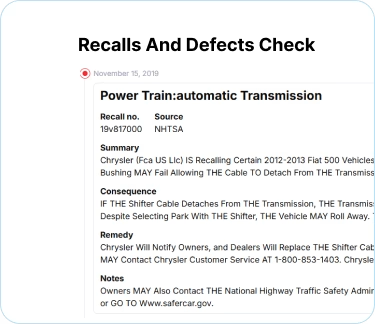
As for recalls specific to the 2010 F-650, it's important to check the NHTSA database using the specific VIN, as commercial vehicle recalls can be more specialized. However, common types of recalls for this class often involved:
  • Brake system components (e.g., air brake lines, hydraulic brake hoses).
  • Steering components.
  • Potential fire risks due to electrical issues or fuel lines.
  • Specific engine component issues (e.g., fuel filters, certain sensors).
Long-term reliability is generally strong if the vehicle has been maintained diligently. Neglected maintenance, however, especially with emission systems and fluid changes, can drastically reduce its lifespan and lead to expensive repairs. Buyers should look for detailed service records.

How long will the 2010 Ford F-650 last?

The 2010 Ford F-650, as a commercial workhorse, is designed for extensive service life, often accumulating high mileage. Based on owner data and typical vocational use, these trucks can realistically achieve 300,000 to 500,000 miles, and often much more, if meticulously maintained. Many continue operating for 15-25 years or even longer in demanding applications. Their long-term durability is a key selling point, built on heavy-duty components designed for continuous operation. However, this impressive longevity hinges entirely on regular and thorough maintenance. Weaknesses over time often appear in ancillary systems rather than the core drivetrain: emission system failures, chronic electrical issues from modifications, and significant chassis rust in corrosive environments. Neglecting fluid changes, especially for engine oil, transmission fluid, and differential fluid, will drastically shorten its lifespan. Consistent professional service is paramount for maximizing its years of service.

What Technology & Safety Features are Included?

The 2010 Ford F-650 is a commercial medium-duty truck, and as such, its focus is overwhelmingly on utility and robustness rather than advanced passenger vehicle technology. Built-in tech and entertainment features are generally sparse and basic, prioritizing functionality for a work environment.

Built-in Tech & Entertainment:
  • Audio System: Standard offerings usually included a basic AM/FM radio, often with a CD player. Don't expect touchscreen interfaces, Bluetooth audio streaming, or extensive connectivity options commonly found in consumer vehicles of the same era. Auxiliary inputs might be present, but USB ports were less common.
  • Instrumentation: The instrument cluster is typically straightforward, with large, easy-to-read analog gauges for speed, RPM, fuel level, engine temperature, and air pressure (if air brakes are equipped). A simple digital display for odometer, trip meter, and basic diagnostic warnings would be standard.
  • Climate Control: Manual air conditioning and heating were standard or optional, designed for effectiveness in a large cab rather than sophisticated zonal control.
  • Power Accessories: Power windows and door locks were common optional upgrades, providing a measure of convenience over manual counterparts. Cruise control was also a beneficial option for long-haul applications.

Driver-Assistance Features:
Driver-assistance features as understood in modern passenger cars (like adaptive cruise control, lane-keeping assist, automatic emergency braking) were virtually nonexistent in the 2010 F-650. Its "assistance" came from robust, straightforward mechanicals and excellent visibility.
  • Visibility: Large mirrors (often with optional heated and power-adjustable sections, and sometimes integrated convex mirrors) provided excellent rear and side visibility, crucial for maneuvering such a large vehicle.

Safety Features:
Safety features were also more foundational and geared towards commercial vehicle standards rather than passenger car benchmarks. Crash-test ratings from organizations like NHTSA or IIHS are not applicable to medium-duty commercial trucks like the F-650. They are not subjected to the same consumer-oriented crash tests.
  • Airbags: Driver-side airbags were typically standard. Passenger-side airbags might have been optional or standard depending on the cab configuration and specific market.
  • Braking Systems: Heavy-duty hydraulic brakes were standard, with optional air brakes for higher GVWR configurations, providing robust stopping power. Anti-lock Braking System (ABS) was a critical safety feature, helping maintain steering control during hard braking, and was usually standard.
  • Seatbelts: Three-point seatbelts were standard for all seating positions.
  • Frame Strength: The core safety feature of the F-650 is its immensely strong, ladder-frame chassis, designed to withstand significant stresses and protect occupants in the event of an impact, albeit without the crumple zones of lighter vehicles.
  • Lighting: Robust exterior lighting, including powerful headlights and marker lights, was standard to ensure visibility of the truck to other road users.

Overall, the 2010 F-650 offers a utilitarian cabin focused on getting the job done safely and reliably, without the "bells and whistles" of contemporary passenger vehicles. Any advanced tech would almost certainly be aftermarket additions for specific vocational purposes.

What Colors Options are Available?

We’re working on this section!
In the meantime, feel free to explore the other sections for more content.

2010 Ford F-650 Prices and Market Value

When new, the 2010 Ford F-650's price varied dramatically depending on its configuration, engine, cab style, and especially the upfit body. A base chassis cab could start in the range of $50,000 to $70,000, but with a full vocational upfit (like a dump body, box truck, or utility body), the total new price could easily soar to $80,000 to $120,000 or even higher. On the current used market, prices for a 2010 F-650 are highly dependent on mileage, condition, engine type, and the specific upfit. Expect to find well-maintained examples ranging from $20,000 to $50,000 or more. Depreciation for these commercial vehicles is slower than passenger cars, especially for well-regarded chassis platforms. Factors affecting resale value include the engine's reputation (Cummins/Caterpillar often hold value well), transmission type (Allison automatics are desirable), GVWR, and the condition and utility of the vocational body. High mileage is expected but service history is crucial.

2010 Ford F-650 Cost of Ownership

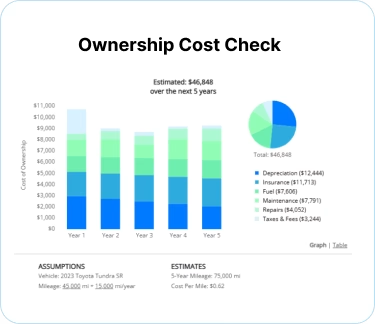
Owning a 2010 Ford F-650 is generally a costly endeavor, reflecting its commercial nature. Insurance premiums will be higher than standard consumer vehicles, varying greatly based on commercial use, coverage limits, and driver history. Fuel costs are significant; with single-digit MPG and large fuel tanks, filling up is expensive. Maintenance and repair costs are substantial. Parts are heavy-duty and thus more expensive, and labor rates for commercial vehicle mechanics are higher. Expect frequent oil changes, tire replacements, and eventual servicing of complex diesel emission systems. Long-term ownership is economical only if the truck generates significant income through its work. Otherwise, it is a costly vehicle to own for personal use due to its specialized components and operational expenses.

2010 Ford F-650 Fuel Efficiency

Fuel Type Diesel
Fuel Capacity -
City Mileage -
Highway Mileage -

2010 Ford F-650 Warranty

Basic
Original warranty 0 months / No data
Estimated remaining Expired
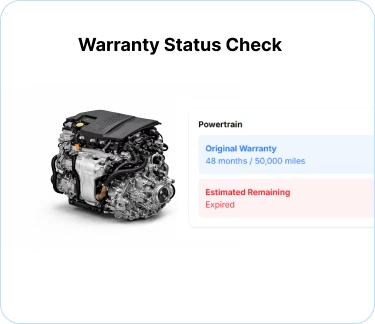
Powertrain
Original warranty 0 months / No data
Estimated remaining Expired
Rust
Original warranty 0 months / No data
Estimated remaining Expired

2010 Ford F-650 Insurance

Insurance for a 2010 Ford F-650 is moderately priced, reflecting its status as a Truck with strong safety ratings and
reasonable repair costs.

How Does the 2010 Ford F-650 Compare to Other Truck?

The 2010 Ford F-650 competes in the Class 6 and Class 7 medium-duty commercial truck segments. Its primary rivals during that era included the Freightliner M2 106, International DuraStar (later WorkStar), and Kenworth T270/T370.

Performance: The F-650, typically equipped with Cummins ISB 6.7L or Caterpillar C7 engines, offered comparable power and torque to its rivals. Freightliner M2 106 also heavily utilized Cummins engines (like the ISB, ISC) and Detroit Diesel options, providing similar robust performance. International DuraStar models used International's own MaxxForce engines, which, while powerful, sometimes faced more long-term reliability scrutiny for emissions systems in some iterations. Kenworth T270/T370 also leaned on Cummins engines, ensuring strong, reliable work capabilities. All are designed for heavy hauling and towing, with performance measured in grunt work rather than speed.

Features: Feature-wise, these are all utilitarian chassis cabs. The F-650 offers multiple cab configurations (Regular, SuperCab, Crew Cab), a strong selling point for accommodating work crews. Freightliner M2 106 is renowned for its driver-focused cab, often cited as having good ergonomics and better visibility. International DuraStar offered a robust, no-nonsense interior. Kenworth trucks, while premium in the heavy-duty segment, offered similar sturdy, functional interiors in their medium-duty lines. "Features" here primarily mean GVWR options, wheelbase choices, and available heavy-duty components like Allison transmissions, which were common across all rivals. Ford's extensive dealer network and parts availability are often seen as a "feature" in themselves.

Reliability: Reliability is a strong suit for all these medium-duty trucks, provided they are properly maintained. The F-650's reliance on established engine manufacturers like Cummins and Caterpillar generally contributes to good reliability. Freightliner and Kenworth, also utilizing Cummins, share a similar reputation. International's MaxxForce engines, particularly those with early SCR/DPF systems, sometimes faced more mixed reviews regarding emissions system reliability compared to Cummins. Overall, consistent maintenance is the biggest factor for reliability across the board.

Price: New prices were competitive within the segment, dictated by engine choice, transmission, and upfit. On the used market, the F-650, M2 106, and T270/T370 generally hold their value well if equipped with desirable engines (e.g., Cummins) and in good condition. International models might sometimes be found at a slightly lower price point, potentially reflecting past concerns over specific engine generations.

Recommended Alternatives:
  • Freightliner M2 106: Often considered the benchmark in this class, known for its versatile configurations, good driver comfort, and availability with reliable Cummins engines. It's an excellent alternative, often providing slightly better ergonomics.
  • Kenworth T270/T370: For those seeking a more premium feel in a medium-duty truck, Kenworth offers robust build quality and excellent support, also typically powered by Cummins.
  • International DuraStar: A solid option, especially if looking for a potentially more budget-friendly entry, but require careful engine research for specific model years.
Ultimately, the choice often comes down to specific vocational needs, preferred dealer support, and engine preference. The F-650 remains a very strong contender, particularly for those needing Ford's extensive network or specific integration with Ford-centric fleets.

Final Verdict: Is the 2010 Ford F-650 a Good Truck?

The 2010 Ford F-650 is an ideal vehicle for businesses and individuals requiring a robust, highly configurable medium-duty truck chassis for serious vocational work. It's perfect for utility companies, construction firms, delivery services, and anyone needing a reliable platform for a dump body, box truck, flatbed, or specialized equipment. It's worth buying if you have a clear commercial need that justifies its size, operating costs, and lack of passenger car creature comforts. Buyers should focus on used examples, as new models are substantially more expensive. Look for trucks with a meticulously documented maintenance history, particularly for the engine and emission systems, and inspect the frame thoroughly for rust. Avoid vehicles with questionable service records or signs of severe neglect, as repairs can be prohibitively expensive. It is not suitable as a personal vehicle unless "big rig" recreation is your very specific niche. For its intended purpose, it remains a highly durable and capable workhorse.

2010 Ford F-650 Owner Reviews

0.00
Consumer Rating, Based on 0 Consumer Reviews
Overall rating
Cancel
Thank You for Your Review!

We truly appreciate the time and effort you took to share your experience with us.

Uh oh!

Something went wrong, please try again later.

Author Image
Simon A

Simon is a contributor to VinCheck, where he provides articles and reviews on various automotive topics. His work focuses on delivering accurate and up-to-date information about used cars, helping readers make informed decisions.