
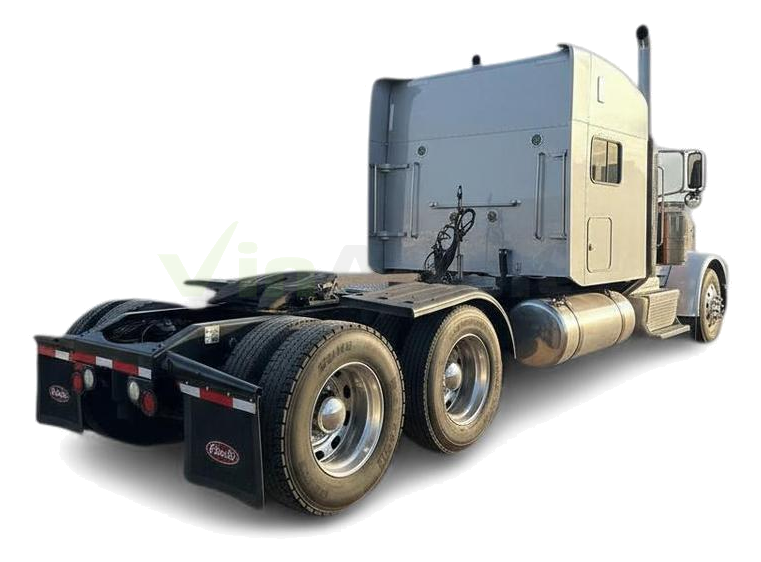
The Good
The 2015 Peterbilt 389 offers unparalleled classic aesthetics that resonate emotionally, coupled with robust, reliable performance and dependable powertrains for practical operations. Its spacious, comfortable cabin enhances driver well-being, and its enduring design contributes to strong resale value.
The Bad
Potential weaknesses for the 2015 Peterbilt 389 include the higher initial cost compared to some competitors, potentially less advanced in-cab technology than newer models, and the sheer size can be a challenge for maneuverability in tight urban environments. Maintenance may also be more specialized.
2015 Peterbilt 389: Quick Overview
- Engine Options: The 2015 Peterbilt 389 was typically equipped with PACCAR's MX-13 engine, or could be optioned with Cummins ISX15 engines. These are heavy-duty diesel engines designed for demanding vocational and over-the-road applications.
- Horsepower: Horsepower ratings for the PACCAR MX-13 generally ranged from 400 to 500 horsepower. The Cummins ISX15 options could also fall within this broad range, with some configurations potentially exceeding 500 horsepower for specialized tasks.
- Fuel Economy: Fuel economy for a Class 8 truck like the Peterbilt 389 is highly dependent on the specific engine, transmission, axle ratios, trailer aerodynamics, load weight, and driving conditions. Typically, these trucks achieve between 5 to 7 miles per gallon (MPG) under optimal highway conditions. Aggressive driving, heavy loads, or mountainous terrain will reduce this significantly.
- 0-60 Times: 0-60 mph times are not a standard metric for heavy-duty commercial trucks. Their purpose is not rapid acceleration but sustained power delivery and efficiency under load. For context, an empty truck might reach highway speeds relatively quickly, but a fully loaded truck can take a considerable distance and time to accelerate.
- Towing Capacity: The towing capacity of the 2015 Peterbilt 389 is substantial and designed for heavy hauling. Gross Combination Weight Ratings (GCWR) can easily exceed 80,000 pounds and extend to well over 100,000 pounds, depending on specific configurations, axle setups, and chassis ratings. This truck is built for long-haul freight and heavy-duty vocational use.
- Trim-Level Features: While not having distinct "trims" in the passenger car sense, the 2015 Peterbilt 389 offered a wide array of customization options that defined its configuration. These included:
- Aerodynamics: Various aerodynamic packages, including fairings, roof extenders, and side skirts, to improve fuel efficiency.
- Cab Configurations: Day cabs (shorter cabins for local routes) and multiple sleeper configurations (e.g., 70-inch Unibilt UltraCab, 80-inch Unibilt UltraCab) offering living space for long-haul drivers, often with amenities like refrigerators, sinks, and comfortable sleeping areas.
- Interior Appointments: Options for premium interior materials, enhanced driver ergonomics, advanced HVAC systems, and upgraded seating.
- Chassis and Axle Configurations: A wide range of axle ratios, suspension types (e.g., Peterbilt Low Air Leaf, PACCAR Air Ride), and drivetrain setups to suit specific hauling needs.
- Technology: Availability of advanced infotainment systems, GPS navigation, and communication tools.
- Lighting and Exterior: Numerous options for chrome accents, custom lighting, grille styles, and wheel choices to enhance its distinctive appearance.
- Aerodynamics: Various aerodynamic packages, including fairings, roof extenders, and side skirts, to improve fuel efficiency.
2015 Peterbilt 389 Specifications
Vehicle Information
| Year | 2015 |
| Make | Peterbilt |
| Model | 389 |
| Trim | - |
| Style | - |
| Type | Truck |
| Category | Medium Truck |
Manufacturing Details
| Made In | Canada |
| Manufacturing City | MONTREAL |
Dimensions
| Doors | - |
| Curb Weight | - |
| Gross Vehicle Weight Rating | - |
| Overall Height | - |
| Overall Length | - |
| Overall Width | - |
| Wheelbase Length | - |
| Standard Seating | - |
Engine & Performance
| Engine | 14.9L I6 |
| Engine Size | 14.9L |
| Engine Cylinders | 6 |
| Transmission | - |
| Transmission Type | - |
| Transmission Speeds | - |
| Drivetrain | 6x4 |
Additional Features
| Anti-Brake System | - |
| Steering Type | - |
Pricing
| Manufacturer Suggested Retail Price (MSRP) | - |
| Invoice Price | - |
| Delivery Charges | - |
Vehicle History Report
Specifications
History
Events
History Check
Check
Check
Check
Check
Listings
Recalls
Check
Analysis
What Problems Does the 2015 Peterbilt 389 Have?
Powertrain Components:
- Emissions Systems (DPF, SCR): Like many trucks from this era, the diesel particulate filter (DPF) and selective catalytic reduction (SCR) systems can be sources of issues. Clogged DPFs, faulty sensors, or issues with the Diesel Exhaust Fluid (DEF) system can lead to reduced performance, check engine lights, and costly repairs. Regular maintenance and proper operation (e.g., ensuring regen cycles complete) are crucial.
- Turbochargers: While designed for durability, turbochargers on high-mileage diesel engines can eventually wear out or develop leaks, leading to loss of power and increased oil consumption.
- Fuel Injectors: Over time, fuel injectors can become clogged or fail, impacting engine performance, fuel efficiency, and potentially causing misfires or rough running.
- Wiring Harnesses: The complex electrical systems in these trucks can be prone to issues with wiring harnesses, particularly at connection points or due to vibration. This can manifest as intermittent electrical gremlins, lighting issues, or sensor malfunctions.
- Sensor Failures: Various engine and drivetrain sensors (e.g., speed sensors, temperature sensors, pressure sensors) can fail, triggering diagnostic codes and affecting engine management.
- Air Suspension Issues: Problems with air springs, leveling valves, or air lines in the suspension system can lead to an uneven ride or loss of ride height.
- Brake System Wear: As with any heavy vehicle, brake components will experience significant wear and require regular inspection and replacement.
Specific recalls for the 2015 Peterbilt 389 would need to be checked against official National Highway Traffic Safety Administration (NHTSA) databases using the VIN. However, recalls on heavy-duty trucks often pertain to safety-critical systems such as braking components, steering linkages, or potential fire hazards related to electrical systems or fuel lines. It is essential for owners to verify any outstanding recalls for their specific vehicle.
Long-Term Reliability:
Despite potential issues, the Peterbilt 389 is built for longevity. The core chassis and cab structure are exceptionally durable. The key to long-term reliability lies heavily in meticulous and consistent maintenance, using high-quality parts, and addressing minor issues before they escalate into major problems. Owner-operators who invest in proper care often report these trucks exceeding a million miles with major component overhauls.
How long will the 2015 Peterbilt 389 last?
What Technology & Safety Features are Included?
Standard Technology:
- Driver Information Display: A comprehensive dashboard with clear, easy-to-read gauges for engine speed, road speed, fuel level, oil pressure, coolant temperature, and other critical operational data. This display often includes a digital readout for trip odometers, average fuel economy, and diagnostic codes.
- HVAC System: Robust climate control systems designed for consistent comfort in various weather conditions, essential for long-haul drivers.
- Basic Audio System: Most models come standard with a functional AM/FM radio and possibly a CD player, prioritizing utility over premium sound.
- Power Accessories: Power windows and door locks are common, enhancing driver convenience.
The 389 is highly customizable, and many technological features were available as options, especially in higher-spec sleeper models:
- Advanced Infotainment Systems: Optional touch-screen infotainment units offering navigation, Bluetooth connectivity for hands-free calling, and integration with mobile devices.
- Premium Sound Systems: Upgraded speaker systems and amplifiers for a richer audio experience.
- Auxiliary Heaters/Sleepers: For sleeper cabs, advanced auxiliary heating and cooling systems, refrigerators, and entertainment options like TV mounts.
- Telematics Systems: Optional fleet management and telematics systems allowing for real-time tracking, diagnostics, and driver behavior monitoring.
Driver assistance features in the 2015 model year were less prevalent than in contemporary passenger vehicles, with a focus on robust mechanical systems. However, some advanced safety options were available:
- Anti-lock Braking System (ABS): Standard on most heavy-duty trucks for improved braking control.
- Traction Control: Available on some configurations to enhance stability during acceleration and on slippery surfaces.
- Advanced Lighting: Optional HID or LED lighting for improved nighttime visibility.
- Lane Departure Warning (LDW): Available as an option on some models, providing audible alerts if the truck drifts out of its lane.
- Collision Mitigation Systems: Advanced braking systems designed to help prevent or mitigate frontal collisions were becoming more common as optional equipment.
Formal crash-test ratings like those from the NHTSA or IIHS (Insurance Institute for Highway Safety) are not typically conducted on heavy-duty commercial trucks in the same way they are for light-duty vehicles. The design and engineering of these trucks prioritize occupant protection through robust frame structures, durable cabs, and advanced safety systems specifically developed for commercial applications. Their sheer size and weight provide significant inherent protection in many types of collisions.
What Colors Options are Available?
2015 Peterbilt 389 Prices and Market Value
2015 Peterbilt 389 Cost of Ownership
2015 Peterbilt 389 Fuel Efficiency
2015 Peterbilt 389 Recalls & Defects
Parking Brake:conventional:air
Steering
Steering:linkages:tie ROD Assembly
Equipment:other:labels
Tires
Tires
Electrical System:alternator/Generator/Regulator
Electronic Stability Control (Esc)
Electrical System:alternator/Generator/Regulator
Electrical System:12v/24v/48v Battery:cables
Electronic Stability Control (Esc)
Service Brakes, Air:antilock:abs Warning Light
2015 Peterbilt 389 Warranty
Basic
Powertrain
Rust
2015 Peterbilt 389 Insurance
reasonable repair costs.
How Does the 2015 Peterbilt 389 Compare to Other Truck?
Performance:
In terms of raw performance, the Peterbilt 389, typically equipped with PACCAR MX-13 or Cummins ISX15 engines, offers formidable power and torque suitable for heavy hauling and demanding vocational applications. Its performance is often benchmarked against the Kenworth W900, which shares similar powertrain options and is renowned for its own brute strength. The International LoneStar and Mack Anthem also offer competitive powertrains, though perhaps with a slightly different emphasis on efficiency or specialized capabilities depending on the exact configuration.
Features:
The 389 excels in its iconic, classic styling and offers a highly customizable interior, particularly in sleeper configurations. While its technology in 2015 might have lagged behind some newer, more ergonomically designed cabins like the LoneStar, it offered robust, driver-focused amenities and comfort for long hauls. The Kenworth W900 is a very close competitor in terms of styling and customization. The Mack Anthem, being a newer design for its era, might have offered more integrated technology and aerodynamic advancements.
Reliability:
Peterbilt and Kenworth trucks, including the 389 and W900, are widely regarded as leaders in long-term reliability and durability. They are built with robust components designed for millions of miles. International and Mack also have strong reputations, but Peterbilt often holds a slight edge in perceived build quality and longevity by many owner-operators. Long-term ownership costs are often managed effectively due to the trucks' inherent toughness.
Price:
The 389, like the Kenworth W900, typically commands a premium price both new and used due to its iconic status, build quality, and desirability. International and Mack trucks, while still substantial investments, might offer slightly more competitive pricing, especially when looking at specific vocational applications or fleet-oriented models. The LoneStar, in particular, was positioned to offer a blend of style and modern features at a competitive point.
Recommendations:
- Similar Alternative: The Kenworth W900 is arguably the most direct and comparable alternative to the 2015 Peterbilt 389, offering similar classic styling, robust performance, and legendary reliability.
- Modern Styling/Features: If a blend of modern features, aerodynamics, and comfort with strong performance is desired, the International LoneStar could be considered, though it may not possess the same timeless aesthetic.
- Value/Workhorse: For a strong performer with a focus on utility and potentially a slightly lower entry cost on the used market, a well-maintained Mack Pinnacle or even a spec-focused International ProStar could be alternatives.
Final Verdict: Is the 2015 Peterbilt 389 a Good Truck?

Eugene S
Eugene is an automotive enthusiast with over 15 years of experience in the used car market. As a writer at VINCheck.info, he brings deep industry insight and a passion for cars, helping readers make smart, informed decisions. Eugene has written hundreds of used car reviews and is known for breaking down complex automotive topics into clear, actionable advice. Over the years, he has driven and worked on a wide range of vehicles—starting with tuning street cars in his early days and eventually focusing on performance upgrades and reliability improvements. Today, he specializes in evaluating used vehicles through the lens of real-world ownership and enthusiast needs. A longtime fan of Porsche, Eugene especially appreciates vehicles that blend durability with driving enjoyment.