The 1995 Toyota Pick-Up, part of the iconic fourth generation (1989-1995), embodies rugged simplicity and legendary durability. Available as a compact regular cab or extended cab, it came in various trims like the base DLX, SR5, and the off-road focused TRD. Known for its go-anywhere capability and exceptional longevity, it cemented Toyota's reputation for building trucks that last.
The Good
The 1995 Toyota Pick-Up excels in unmatched reliability, robust performance for its class, and remarkable value. Its no-nonsense design appeals to practical buyers, while its go-anywhere spirit and enduring build quality evoke a sense of adventure and trust for emotional connections.
The Bad
Owners should watch for rust, particularly on the frame and wheel wells, especially in areas with harsh winters. Interior materials can show wear, and some older models might experience minor electrical gremlins or aging suspension components.
1995 Toyota Pick-Up: Quick Overview
- Engine Options:
- 2.4L 4-cylinder (22R-E): 114 horsepower, 135 lb-ft torque
- 3.0L V6 (3VZ-E): 150 horsepower, 180 lb-ft torque
- Horsepower: Ranging from 114 hp to 150 hp depending on engine.
- Fuel Economy: Varies by engine and drivetrain. Typically:
- 4-cylinder, 2WD: Around 20-24 MPG city / 25-28 MPG highway
- V6, 4WD: Around 16-18 MPG city / 20-22 MPG highway
- 0-60 Times: Generally in the 10-13 second range, depending on engine and configuration.
- Towing Capacity: Typically around 3,500 lbs to 5,000 lbs, depending on configuration (engine, drivetrain, axle ratio).
- Transmission Options: 5-speed manual or 4-speed automatic.
- Drivetrain: Rear-wheel drive (RWD) or part-time 4-wheel drive (4WD).
- Body Styles: Regular Cab, XtraCab (extended cab).
- Bed Lengths: Short Bed (approx. 6 feet), Long Bed (approx. 7.5 feet).
- Key Trims & Features:
- DLX (Deluxe): Base model, often with vinyl flooring, manual windows/locks.
- SR5 (Sport Rally 5-speed): More upscale, often including upgraded interior, power accessories (on later models), better stereo, and optional alloy wheels. Available with 4WD.
- TRD (Toyota Racing Development): Often bundled with off-road packages, including skid plates, performance shocks, and sometimes locking differentials (though less common on the 95 model compared to later years).
- Optional Features: Air conditioning, power steering (standard on most), AM/FM stereo with cassette, intermittent wipers, tilt steering wheel, cruise control, rear jump seats (XtraCab).
1995 Toyota Pick-Up Specifications
Vehicle Information
| Year | 1995 |
| Make | Toyota |
| Model | Pick-Up |
| Trim | - |
| Style | Regular Cab 2WD |
| Type | Pickup Truck |
| Category | Small Pickup Truck |
Manufacturing Details
| Made In | Japan |
| Manufacturing City | FREEMONT |
Dimensions
| Doors | 2-Door |
| Curb Weight | 2690 pounds |
| Gross Vehicle Weight Rating | - |
| Overall Height | 60.80 inches |
| Overall Length | 174.60 inches |
| Overall Width | 66.50 inches |
| Wheelbase Length | 103.00 inches |
| Standard Seating | 3 |
Engine & Performance
| Engine | 2.4-L L-4 SOHC 8V |
| Engine Size | 2.4L |
| Engine Cylinders | 4 |
| Transmission | 5-Speed Manual |
| Transmission Type | Manual |
| Transmission Speeds | 5-Speed |
| Drivetrain | Rear-Wheel Drive |
Additional Features
| Anti-Brake System | Non-ABS 2-Wheel ABS |
| Steering Type | Recirculating |
Pricing
| Manufacturer Suggested Retail Price (MSRP) | $10,348 |
| Invoice Price | - |
| Delivery Charges | - |
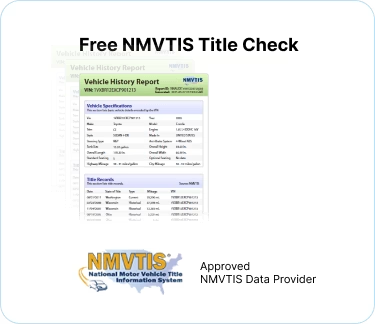
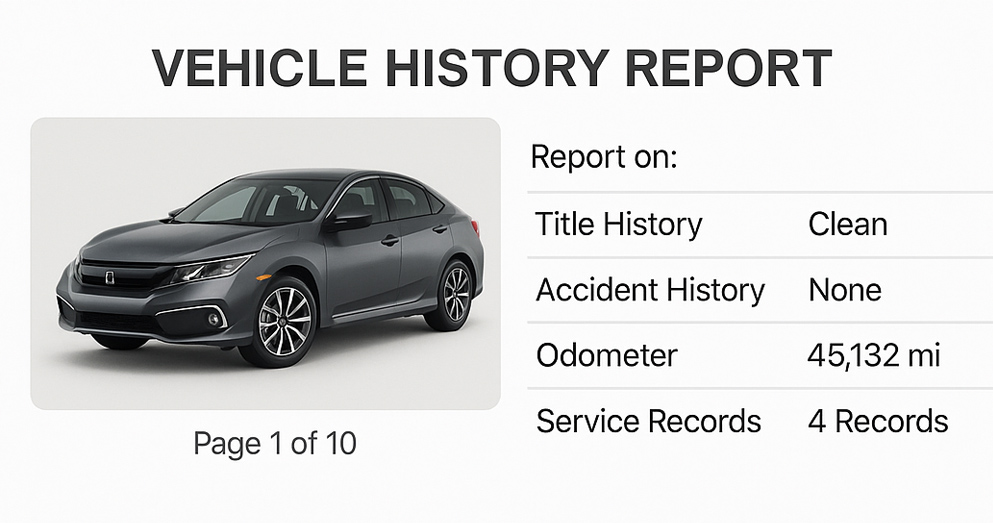
Vehicle History Report
Vehicle
Specifications
Specifications
Ownership
History
History
All History
Events
Events
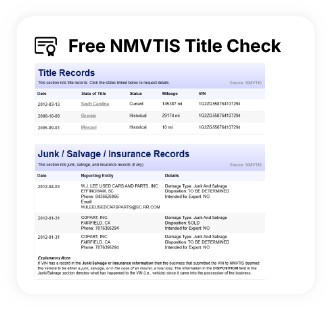
NMVTIS Title
History Check
History Check
Salvage/Rebuilt
Check
Check
Accident
Check
Check
Theft
Check
Check
Open Lien
Check
Check
Past Sale
Listings
Listings
Safety
Recalls
Recalls
Odometer
Check
Check
Market Price
Analysis
Analysis
What Problems Does the 1995 Toyota Pick-Up Have?
The 1995 Toyota Pick-Up is renowned for its exceptional long-term reliability, but like any vehicle, it has some common areas to inspect. One of the most frequently reported issues, particularly in rust-belt states, is frame rust. The frame can corrode significantly over time, especially around the rear suspension and fuel tank areas. This can be a serious safety concern and costly to repair.
Another common concern, especially with the 3.0L V6 engine (3VZ-E), is head gasket failure. While not as prevalent as in some other Toyota V6 engines of the era, it's a known potential issue that can lead to overheating and coolant leaks. The 2.4L 4-cylinder (22R-E) is generally considered more bulletproof and less prone to major engine issues.
Interior wear is also typical for vehicles of this age; dashboard cracks, worn seat upholstery, and faded plastics are common. Electrical components can sometimes develop minor issues, such as faulty power window regulators, broken door lock actuators, or a finicky radio. The clutch system on manual transmissions can wear out over time, as can suspension components like ball joints, tie rod ends, and bushings, leading to clunking noises or vague steering.
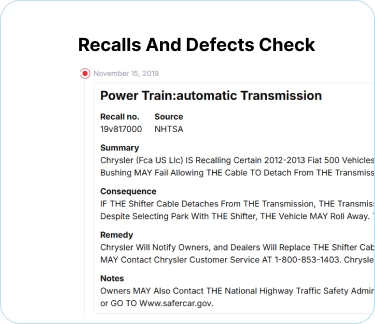
Recalls for the 1995 model year are relatively few and generally related to minor issues. For instance, there might have been recalls concerning airbag inflator modules or specific emissions control components. It's always advisable to check the NHTSA website for any outstanding recalls for a specific VIN. Overall, the 1995 Toyota Pick-Up's biggest long-term reliability concern boils down to rust prevention and maintenance of its core mechanical components. With diligent care and addressing issues promptly, these trucks can continue to serve reliably for decades.
Another common concern, especially with the 3.0L V6 engine (3VZ-E), is head gasket failure. While not as prevalent as in some other Toyota V6 engines of the era, it's a known potential issue that can lead to overheating and coolant leaks. The 2.4L 4-cylinder (22R-E) is generally considered more bulletproof and less prone to major engine issues.
Interior wear is also typical for vehicles of this age; dashboard cracks, worn seat upholstery, and faded plastics are common. Electrical components can sometimes develop minor issues, such as faulty power window regulators, broken door lock actuators, or a finicky radio. The clutch system on manual transmissions can wear out over time, as can suspension components like ball joints, tie rod ends, and bushings, leading to clunking noises or vague steering.
Recalls for the 1995 model year are relatively few and generally related to minor issues. For instance, there might have been recalls concerning airbag inflator modules or specific emissions control components. It's always advisable to check the NHTSA website for any outstanding recalls for a specific VIN. Overall, the 1995 Toyota Pick-Up's biggest long-term reliability concern boils down to rust prevention and maintenance of its core mechanical components. With diligent care and addressing issues promptly, these trucks can continue to serve reliably for decades.
How long will the 1995 Toyota Pick-Up last?
Based on owner data and anecdotal evidence, the 1995 Toyota Pick-Up is capable of achieving well over 200,000 miles, with many examples surpassing 300,000 miles and even reaching half a million. This extraordinary longevity is a testament to its robust engineering and the durable nature of its 4-cylinder engine. Regular oil changes, timely replacement of wear items like belts and hoses, and addressing minor issues before they escalate are crucial. Weaknesses over time primarily revolve around rust on the frame and body, aging suspension components, and potential head gasket issues on the V6. However, with proper maintenance and rust prevention, its core drivetrain remains incredibly durable.
What Technology & Safety Features are Included?
The 1995 Toyota Pick-Up represents a simpler era of automotive technology, focusing on functionality over high-tech gadgets. Built-in tech is minimal by today's standards. The entertainment system typically consisted of an AM/FM radio with a cassette player, often with just two speakers. Higher trims might have offered an optional CD player, a relatively premium feature at the time, and potentially a more robust speaker system. Navigation systems, Bluetooth connectivity, and touchscreens were non-existent.
Driver-assistance features were also very basic. What was considered advanced then would be standard now, such as power steering (which was standard on most models). Options were limited to things like intermittent windshield wipers and cruise control. Electronic stability control and advanced traction control systems were not available.
Safety features were in line with the mid-1990s. Standard safety equipment typically included three-point seatbelts, front airbags (for driver and passenger), anti-lock brakes (ABS) on rear wheels (often optional on 2WD models and standard on 4WD), and a sturdy steel frame. Some models might have offered optional side-impact door beams. Crash-test ratings for vehicles from this era are not directly comparable to modern standards due to different testing methodologies. However, the Toyota Pick-Up was generally considered a reasonably safe vehicle for its time, built with a strong chassis. Later models within this generation saw incremental safety improvements, but the core safety philosophy remained focused on passive safety features like airbags and seatbelts.
Driver-assistance features were also very basic. What was considered advanced then would be standard now, such as power steering (which was standard on most models). Options were limited to things like intermittent windshield wipers and cruise control. Electronic stability control and advanced traction control systems were not available.
Safety features were in line with the mid-1990s. Standard safety equipment typically included three-point seatbelts, front airbags (for driver and passenger), anti-lock brakes (ABS) on rear wheels (often optional on 2WD models and standard on 4WD), and a sturdy steel frame. Some models might have offered optional side-impact door beams. Crash-test ratings for vehicles from this era are not directly comparable to modern standards due to different testing methodologies. However, the Toyota Pick-Up was generally considered a reasonably safe vehicle for its time, built with a strong chassis. Later models within this generation saw incremental safety improvements, but the core safety philosophy remained focused on passive safety features like airbags and seatbelts.
What Colors Options are Available?
1995 Toyota Pick-Up Prices and Market Value
When new, the 1995 Toyota Pick-Up had a Manufacturer's Suggested Retail Price (MSRP) that typically ranged from approximately $13,000 for a base DLX 2WD model to over $20,000 for a loaded SR5 4WD XtraCab. These trucks were known for holding their value exceptionally well, even back then. Today, used market prices for the 1995 Toyota Pick-Up vary dramatically based on condition, mileage, trim level, and location. Well-maintained examples, especially 4WD models with the 4-cylinder engine, can command anywhere from $3,000 to $8,000 or more. Rust-free examples in excellent original condition can fetch even higher prices from enthusiasts. Factors affecting resale value include the presence of rust (a major detractor), the condition of the engine and transmission, original paint, and overall originality. Their legendary reliability and desirability among off-roaders and DIYers contribute significantly to their strong retained value, making them a wise investment compared to many other trucks from the same era.
1995 Toyota Pick-Up Cost of Ownership
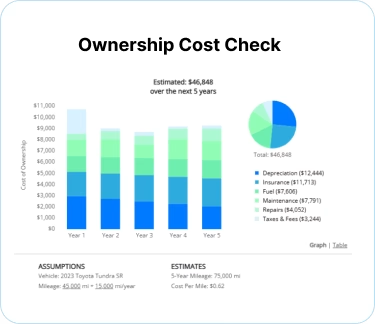
The 1995 Toyota Pick-Up is remarkably economical to own long-term. Insurance costs are generally low, especially for base models, due to its age and lack of advanced technology. Fuel costs are reasonable, particularly with the 4-cylinder engine, offering good MPG for a truck. Maintenance costs are typically low, as parts are readily available and inexpensive, and the mechanicals are straightforward. Repairs, when needed, are also often affordable due to the truck's robust simplicity. While some repairs like frame rust mitigation can be costly, routine maintenance and common part replacements are budget-friendly. Overall, it's one of the most cost-effective vehicles to own and maintain.
1995 Toyota Pick-Up Fuel Efficiency
Fuel Type
Gasoline
Fuel Capacity
13.70 gallons
City Mileage
22 miles/gallon
Highway Mileage
27 miles/gallon
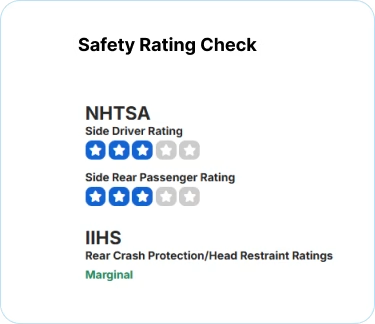
1995 Toyota Pick-Up Safety Rating
NHTSA
IIHS
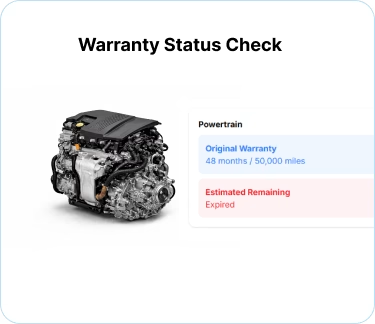
1995 Toyota Pick-Up Warranty
Basic
Original warranty
0 months / No data
Estimated remaining
Expired
Powertrain
Original warranty
0 months / No data
Estimated remaining
Expired
Rust
Original warranty
0 months / No data
Estimated remaining
Expired
1995 Toyota Pick-Up Insurance
Insurance for a 1995 Toyota Pick-Up is moderately priced, reflecting its status as a Pickup Truck with strong safety ratings and
reasonable repair costs.
How Does the 1995 Toyota Pick-Up Compare to Other Pickup Truck?
In the mid-1990s compact truck segment, the 1995 Toyota Pick-Up stood out significantly against rivals like the Ford Ranger, Chevrolet S-10, and Nissan Hardbody. Performance-wise, the Toyota's 4-cylinder was adequate for daily driving and light hauling, while its optional V6 offered more power, though often overshadowed by its bulletproof reliability. The Ranger and S-10 offered more powerful V6 options and sometimes a smoother ride, but often at the expense of long-term dependability. The Nissan Hardbody was also a strong contender, known for its robust build and off-road prowess.

Features were generally basic across the class in 1995. The Toyota offered essential amenities, and its SR5 trim provided a decent level of comfort and convenience, but it lagged behind newer designs that might have started to incorporate more creature comforts. However, where the Toyota truly dominated was reliability. Its legendary durability and longevity far surpassed most competitors, making it the go-to choice for those prioritizing a truck that would last for decades with minimal fuss. While the Ford Ranger and Chevy S-10 offered more variety in terms of body styles and engine choices, and could be found at slightly lower price points, their long-term reliability was not on par with the Toyota.

Similar alternatives that offer comparable reliability might include later model Nissan Hardbody trucks or perhaps a well-maintained Mazda B-Series (which shared platforms with Ford). However, for sheer, undeniable, go-the-distance reliability and a strong resale value, the 1995 Toyota Pick-Up is hard to beat. If outright power or cutting-edge features are the priority, newer trucks or perhaps a more powerful V6 version of the Ranger or S-10 might be considered, but for a dependable, economical workhorse or adventure vehicle, the 1995 Toyota Pick-Up remains a benchmark.
Features were generally basic across the class in 1995. The Toyota offered essential amenities, and its SR5 trim provided a decent level of comfort and convenience, but it lagged behind newer designs that might have started to incorporate more creature comforts. However, where the Toyota truly dominated was reliability. Its legendary durability and longevity far surpassed most competitors, making it the go-to choice for those prioritizing a truck that would last for decades with minimal fuss. While the Ford Ranger and Chevy S-10 offered more variety in terms of body styles and engine choices, and could be found at slightly lower price points, their long-term reliability was not on par with the Toyota.

Similar alternatives that offer comparable reliability might include later model Nissan Hardbody trucks or perhaps a well-maintained Mazda B-Series (which shared platforms with Ford). However, for sheer, undeniable, go-the-distance reliability and a strong resale value, the 1995 Toyota Pick-Up is hard to beat. If outright power or cutting-edge features are the priority, newer trucks or perhaps a more powerful V6 version of the Ranger or S-10 might be considered, but for a dependable, economical workhorse or adventure vehicle, the 1995 Toyota Pick-Up remains a benchmark.
Final Verdict: Is the 1995 Toyota Pick-Up a Good Pickup Truck?
The 1995 Toyota Pick-Up is ideal for budget-conscious buyers prioritizing ultimate reliability and low ownership costs over modern amenities. It's perfect for those needing a dependable work truck, a capable off-roader, or a simple, durable vehicle for basic transportation. Buying one is absolutely worth it, provided you find a well-maintained, rust-free example. The 4-cylinder engine with 2WD or 4WD is generally the most reliable configuration. While finding one new is impossible, a carefully inspected used model, especially an SR5 trim with lower mileage and a solid frame, represents an excellent long-term investment. Its value lies in its proven durability and enduring mechanical integrity.