The 1997 Land Rover Range Rover, part of the P38A generation (1994-2001), stands as a legendary luxury SUV. It boasts a classic, boxy body style that has become iconic. Key trims included the HSE and the base model. New pricing ranged from approximately $55,000 to $70,000. Its enduring popularity stems from its unparalleled off-road capability combined with a plush, refined interior, making it a true go-anywhere luxury vehicle.
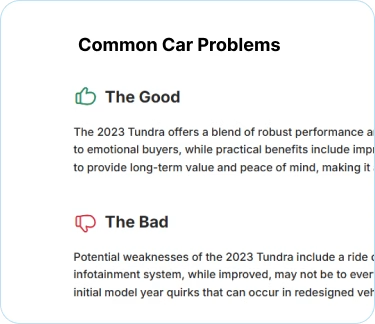
The Good
The 1997 Range Rover offers exceptional off-road prowess, a supremely comfortable and luxurious cabin, and timeless, imposing design. Its robust construction appeals to practical buyers, while the commanding presence and opulent interior resonate with emotional desires for prestige and capability.
The Bad
Potential buyers should be wary of the P38A Range Rover's complex electronics, especially the air suspension system, which can be costly to repair. Electrical gremlins and rust, particularly around the wheel arches and sills, are also common concerns that demand thorough inspection.
1997 Land Rover Range Rover: Quick Overview
- Engine Options: The 1997 Range Rover was primarily equipped with a 4.6-liter V8 engine. Earlier models within this generation might have also offered a 4.0-liter V8.
- Horsepower: The 4.6-liter V8 typically produced around 222 horsepower, while the 4.0-liter V8 offered approximately 188 horsepower.
- Torque: The 4.6-liter V8 delivered roughly 277 lb-ft of torque, and the 4.0-liter V8 provided around 236 lb-ft.
- Fuel Economy: Expect relatively poor fuel economy due to the large V8 engine and the vehicle's substantial weight. EPA estimates often hovered around 10-12 MPG city and 14-16 MPG highway.
- 0-60 Times: Acceleration was not a strong suit. 0-60 mph times were generally in the 9-10 second range for the 4.6-liter engine, and closer to 10-11 seconds for the 4.0-liter.
- Towing Capacity: The 1997 Range Rover typically had a towing capacity of around 7,700 pounds (3,500 kg), making it capable of towing substantial loads.
- Trim-Level Features (HSE): The HSE trim was the most luxurious and typically included features such as leather upholstery, heated and power-adjustable front seats, memory settings for the driver's seat, automatic climate control, a premium sound system, wood interior trim, and body-colored lower cladding.
- Standard Features (Base Model): Even base models came well-equipped for their time, often featuring power windows, power locks, cruise control, and a respectable audio system. All models benefited from the advanced EATC (Electronic Automatic Temperature Control) climate system and the sophisticated EAS (Electronic Air Suspension).
- Drivetrain: Full-time four-wheel drive with a locking center differential was standard, contributing to its legendary off-road capability.
1997 Land Rover Range Rover Specifications
Vehicle Information
| Year | 1997 |
| Make | Land Rover |
| Model | Range Rover |
| Trim | - |
| Style | - |
| Type | - |
| Category | Minivan Medium Truck |
Manufacturing Details
| Made In | United Kingdom |
| Manufacturing City | - |
Dimensions
| Doors | - |
| Curb Weight | - |
| Gross Vehicle Weight Rating | - |
| Overall Height | - |
| Overall Length | - |
| Overall Width | - |
| Wheelbase Length | - |
| Standard Seating | - |
Engine & Performance
| Engine | 4.0 L V-8 |
| Engine Size | 4L |
| Engine Cylinders | 8 |
| Transmission | - |
| Transmission Type | - |
| Transmission Speeds | - |
| Drivetrain | - |
Additional Features
| Anti-Brake System | - |
| Steering Type | - |
Pricing
| Manufacturer Suggested Retail Price (MSRP) | - |
| Invoice Price | - |
| Delivery Charges | - |
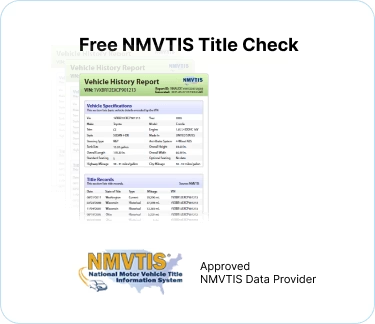
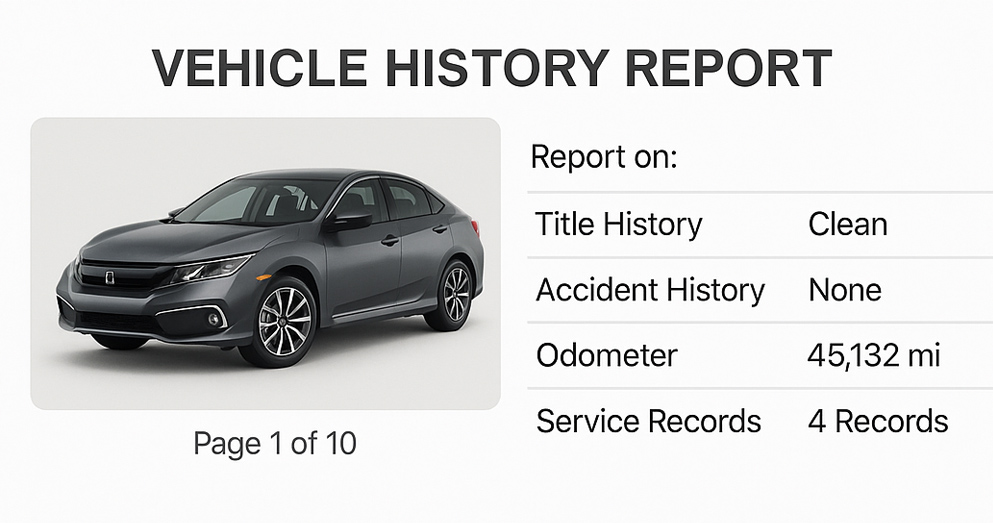
Vehicle History Report
Vehicle
Specifications
Specifications
Ownership
History
History
All History
Events
Events
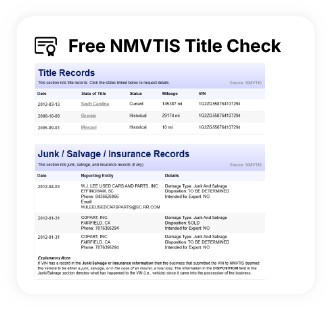
NMVTIS Title
History Check
History Check
Salvage/Rebuilt
Check
Check
Accident
Check
Check
Theft
Check
Check
Open Lien
Check
Check
Past Sale
Listings
Listings
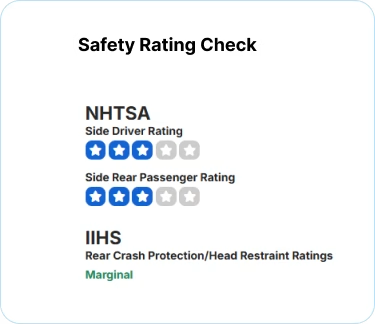
Safety
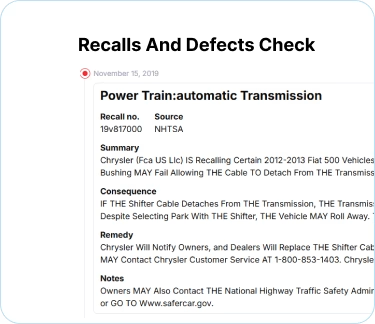
Recalls
Recalls
Odometer
Check
Check
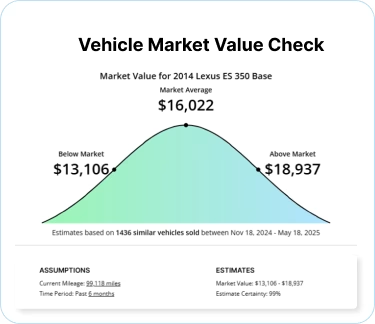
Market Price
Analysis
Analysis
What Problems Does the 1997 Land Rover Range Rover Have?
The 1997 Land Rover Range Rover, part of the P38A generation, is known for its complexity, which can lead to a variety of issues. One of the most frequently reported problems revolves around the Electronic Air Suspension (EAS) system. Components like air springs, compressor, and height sensors can fail, leading to sagging suspension or uneven ride height. This system, while offering excellent ride quality and adjustability, is a significant source of expensive repairs.
Another area of concern is the BeCM (Body Electronic Control Module), which controls numerous electronic functions. Failures in the BeCM can cause a cascade of electrical gremlins, affecting everything from the windows and locks to the engine management.
Head gasket failures are also a known issue with the Rover V8 engines, particularly if the cooling system has not been meticulously maintained. Overheating can exacerbate this problem. Rust is another pervasive concern, especially in rust-belt regions. Areas like the rear wheel arches, sills, and the chassis itself can suffer from corrosion, requiring substantial repair work.
For the 1997 model year specifically, some owners reported issues with the ABS (Anti-lock Braking System) sensors and module. While there weren't widespread recalls specifically for major systemic failures that impacted the majority of 1997 models, general maintenance and age-related wear are the primary drivers of problems. Long-term reliability is highly dependent on consistent and thorough maintenance by owners who understand the intricacies of these vehicles. Lack of proper upkeep can quickly lead to a snowball effect of costly repairs.
Another area of concern is the BeCM (Body Electronic Control Module), which controls numerous electronic functions. Failures in the BeCM can cause a cascade of electrical gremlins, affecting everything from the windows and locks to the engine management.
Head gasket failures are also a known issue with the Rover V8 engines, particularly if the cooling system has not been meticulously maintained. Overheating can exacerbate this problem. Rust is another pervasive concern, especially in rust-belt regions. Areas like the rear wheel arches, sills, and the chassis itself can suffer from corrosion, requiring substantial repair work.
For the 1997 model year specifically, some owners reported issues with the ABS (Anti-lock Braking System) sensors and module. While there weren't widespread recalls specifically for major systemic failures that impacted the majority of 1997 models, general maintenance and age-related wear are the primary drivers of problems. Long-term reliability is highly dependent on consistent and thorough maintenance by owners who understand the intricacies of these vehicles. Lack of proper upkeep can quickly lead to a snowball effect of costly repairs.
How long will the 1997 Land Rover Range Rover last?
With diligent and proactive maintenance, a 1997 Land Rover Range Rover can achieve 150,000 to 200,000 miles or more. However, this is highly contingent on the owner's commitment to regular servicing, addressing minor issues before they escalate, and using quality parts. The long-term durability of the V8 engine is generally good, but its longevity is often threatened by cooling system neglect and head gasket issues. The chassis and body can also suffer from rust over time, especially in harsher climates, becoming a significant weakness if not treated. The complex EAS and electronic systems, while advanced for their era, can become weak points if not maintained, requiring costly repairs as the vehicle ages.
What Technology & Safety Features are Included?
The 1997 Land Rover Range Rover, while not brimming with the cutting-edge technology of today's vehicles, offered a respectable suite of features for its era, focusing on luxury and capability. The cornerstone of its technological offering was the Electronic Air Suspension (EAS), allowing the driver to adjust the ride height for off-road clearance or easier entry and exit. This system also managed automatic load leveling.
In terms of entertainment, most models came equipped with a premium audio system, often a Harman Kardon unit, featuring multiple speakers and a cassette player. Some later models or optional upgrades might have included a CD player. Climate control was managed by an Electronic Automatic Temperature Control (EATC) system, which allowed for dual-zone climate settings.
Driver-assistance features were rudimentary by modern standards. Key safety features included anti-lock brakes (ABS) and traction control. Airbags were standard for the driver and front passenger. The robust body-on-frame construction contributed to its perceived safety and durability.
Optional features could have included a power sunroof, heated front and rear seats, and perhaps a sophisticated alarm system. It's important to note that comprehensive crash-test ratings for vehicles of this vintage are not always readily available or as standardized as they are today. However, the Range Rover was built with a strong emphasis on structural integrity, aiming to provide a safe and commanding presence on the road and off. The safety of older vehicles like this should always be assessed in the context of contemporary standards, rather than against modern vehicles with advanced driver-assistance systems like adaptive cruise control or lane departure warnings, which were non-existent in 1997.
In terms of entertainment, most models came equipped with a premium audio system, often a Harman Kardon unit, featuring multiple speakers and a cassette player. Some later models or optional upgrades might have included a CD player. Climate control was managed by an Electronic Automatic Temperature Control (EATC) system, which allowed for dual-zone climate settings.
Driver-assistance features were rudimentary by modern standards. Key safety features included anti-lock brakes (ABS) and traction control. Airbags were standard for the driver and front passenger. The robust body-on-frame construction contributed to its perceived safety and durability.
Optional features could have included a power sunroof, heated front and rear seats, and perhaps a sophisticated alarm system. It's important to note that comprehensive crash-test ratings for vehicles of this vintage are not always readily available or as standardized as they are today. However, the Range Rover was built with a strong emphasis on structural integrity, aiming to provide a safe and commanding presence on the road and off. The safety of older vehicles like this should always be assessed in the context of contemporary standards, rather than against modern vehicles with advanced driver-assistance systems like adaptive cruise control or lane departure warnings, which were non-existent in 1997.
What Colors Options are Available?
1997 Land Rover Range Rover Prices and Market Value
When new, the 1997 Land Rover Range Rover commanded a premium price, typically ranging from approximately $55,000 for a base model to upwards of $70,000 for the HSE trim, reflecting its luxury positioning. As with most vehicles of this age, the Range Rover experienced significant depreciation in its early years. However, well-maintained examples, particularly those with lower mileage and in desirable trims like the HSE, have seen their value stabilize and even appreciate in recent years within the collector and enthusiast market. Factors significantly affecting resale value include overall condition, maintenance history (especially of the EAS and engine), mileage, rust presence, and originality of components. Rarity and the desirability of the P38A body style also play a role.
1997 Land Rover Range Rover Cost of Ownership
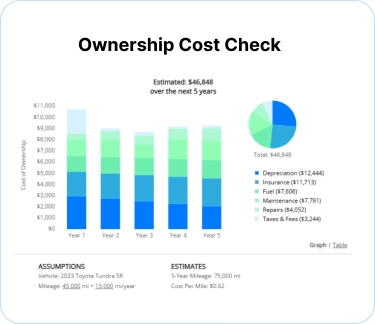
Owning a 1997 Land Rover Range Rover is generally considered costly. Insurance premiums can be higher due to its luxury status and repair costs. Fuel consumption is poor, with the V8 engine averaging 10-12 MPG in the city. Maintenance requires specialized knowledge and parts, which are often expensive. Repair costs, particularly for the complex Electronic Air Suspension (EAS) and BeCM, can be substantial, often running into thousands of dollars. Consequently, this vehicle is far from economical to own and is best suited for enthusiasts who budget for potential high ownership expenses.
1997 Land Rover Range Rover Fuel Efficiency
Fuel Type
Gasoline
Fuel Capacity
-
City Mileage
-
Highway Mileage
-
1997 Land Rover Range Rover Insurance
Insurance for a 1997 Land Rover Range Rover is moderately priced, reflecting its status as a Vehicle with strong safety ratings and
reasonable repair costs.
How Does the 1997 Land Rover Range Rover Compare to Other Vehicle?
The 1997 Land Rover Range Rover competed in a luxury SUV segment that included vehicles like the Mercedes-Benz ML320, BMW X5 (though the X5 debuted later, the 1997 ML is a closer contemporary), and potentially higher-end trims of the Jeep Grand Cherokee.
In terms of performance, the Range Rover's V8 offered strong torque for towing and off-roading but was less refined and slower in acceleration compared to the more car-like European rivals. The Mercedes ML320 offered a smoother ride and a more balanced performance profile.
Regarding features, the Range Rover excelled in off-road capability with its permanent 4WD and air suspension, a significant advantage over most rivals. Its interior was opulent and spacious, rivaling the best. The ML320 also offered luxury and a comfortable ride, with a more modern interior for its time.
Reliability is where the Range Rover often falls short compared to its contemporaries. The German rivals, particularly Mercedes-Benz and BMW, generally offered better long-term reliability and fewer complex, expensive-to-repair systems like the EAS. The Jeep Grand Cherokee, while less luxurious, was often considered more straightforward and cheaper to maintain.
Price-wise, the Range Rover was at the top of the segment when new. On the used market, its price has become more accessible, but the potential for high repair costs can negate initial savings.
Alternatives: For those prioritizing reliability and a more refined on-road experience, the Mercedes-Benz ML320 (late 90s) or early BMW X5 (early 2000s) are strong contenders. If budget and simpler mechanics are key, a well-maintained Jeep Grand Cherokee (late 90s) could be considered, though it lacks the Range Rover's ultimate luxury and off-road prowess. For ultimate off-road capability with a more rugged, less luxurious approach, a Toyota Land Cruiser or Lexus LX 470 from the same era would be excellent, though typically more expensive used.

In terms of performance, the Range Rover's V8 offered strong torque for towing and off-roading but was less refined and slower in acceleration compared to the more car-like European rivals. The Mercedes ML320 offered a smoother ride and a more balanced performance profile.
Regarding features, the Range Rover excelled in off-road capability with its permanent 4WD and air suspension, a significant advantage over most rivals. Its interior was opulent and spacious, rivaling the best. The ML320 also offered luxury and a comfortable ride, with a more modern interior for its time.
Reliability is where the Range Rover often falls short compared to its contemporaries. The German rivals, particularly Mercedes-Benz and BMW, generally offered better long-term reliability and fewer complex, expensive-to-repair systems like the EAS. The Jeep Grand Cherokee, while less luxurious, was often considered more straightforward and cheaper to maintain.
Price-wise, the Range Rover was at the top of the segment when new. On the used market, its price has become more accessible, but the potential for high repair costs can negate initial savings.
Alternatives: For those prioritizing reliability and a more refined on-road experience, the Mercedes-Benz ML320 (late 90s) or early BMW X5 (early 2000s) are strong contenders. If budget and simpler mechanics are key, a well-maintained Jeep Grand Cherokee (late 90s) could be considered, though it lacks the Range Rover's ultimate luxury and off-road prowess. For ultimate off-road capability with a more rugged, less luxurious approach, a Toyota Land Cruiser or Lexus LX 470 from the same era would be excellent, though typically more expensive used.

Final Verdict: Is the 1997 Land Rover Range Rover a Good Vehicle?
The 1997 Land Rover Range Rover is ideal for the dedicated enthusiast who appreciates its iconic design, unparalleled off-road capability, and luxurious, commanding presence, and who has a significant budget for maintenance and repairs. It is likely not worth buying for the average buyer seeking reliable, economical transportation. If considering a purchase, it should be used, and only after a thorough pre-purchase inspection by a mechanic experienced with these vehicles. A well-documented maintenance history is crucial. The HSE trim offers the most luxury, but any model requires careful scrutiny of the EAS and electronic systems. This is a vehicle for passion over practicality, demanding a commitment to its unique needs.