The 2017 Suzuki GSX-R600 is a quintessential middleweight sportbike, part of the legendary GSX-R lineage that debuted in the early 1990s. Known for its agile handling and powerful inline-four engine, this model year maintains that sporty prowess. It features a sleek, aerodynamic full fairing body style. Pricing for a used 2017 model typically ranges from $7,000 to $9,000, depending on condition and mileage. Its enduring popularity stems from its excellent balance of performance, affordability, and track-day capability, making it a favorite among both new and experienced riders seeking thrilling performance without breaking the bank.

The Good
The 2017 GSX-R600 excels with its exhilarating performance, renowned Suzuki reliability, and sharp, aggressive design. It offers a fantastic value proposition for a sportbike, providing thrilling rides and track-ready dynamics that satisfy the adrenaline seeker, while its proven engineering appeals to the practical buyer.
The Bad
Potential buyers of the 2017 GSX-R600 should be aware of its relatively basic electronics package compared to some rivals, lacking features like a quickshifter or advanced rider aids. Suspension might feel a bit soft for aggressive track use without adjustments. Also, its fuel tank capacity is modest.
2017 Suzuki GSX-R600: Quick Overview
- Engine: 599cc, liquid-cooled, 16-valve, DOHC, inline-four
- Horsepower: Approximately 114 hp @ 13,500 rpm
- Torque: Approximately 47 lb-ft @ 11,500 rpm
- Fuel Economy: Estimated around 35-40 MPG (city/highway combined), highly dependent on riding style.
- 0-60 mph: Approximately 3.0-3.5 seconds
- Towing Capacity: Not applicable (this is a motorcycle)
- Transmission: 6-speed constant mesh
- Clutch: Wet multi-plate
- Frame: Twin-spar aluminum frame
- Front Suspension: Showa Big Piston Front Fork (BPF), fully adjustable
- Rear Suspension: Showa rear shock, fully adjustable
- Front Brakes: Dual 310mm discs with radial-mount monobloc calipers
- Rear Brakes: Single 220mm disc
- Tires: Front: 120/70ZR17M/C (58W) tubeless, Rear: 180/55ZR17M/C (73W) tubeless
- Fuel Tank Capacity: 4.0 gallons (15 liters)
- Wheelbase: 54.1 inches (1375 mm)
- Curb Weight: 412 lbs (187 kg)
- Seat Height: 31.9 inches (810 mm)
- Lighting: Halogen headlights with LED position lights
- Instrumentation: Multi-function LCD digital meter with analog tachometer. Includes gear position indicator, speedometer, odometer, dual trip meters, fuel gauge, clock, and engine temp.
- Rider Aids: Suzuki Drive Mode Selector (S-DMS) was not standard on this model year, but the bike features advanced fuel injection and engine management. ABS was optional on some markets.
- Trim Levels: The 2017 GSX-R600 was generally offered in a single, well-equipped trim level, with color options being the primary variation.
2017 Suzuki GSX-R600 Specifications
Vehicle Information
| Year | 2017 |
| Make | Suzuki |
| Model | GSX-R600 |
| Trim | - |
| Style | - |
| Type | Motorcycle |
| Category | Motorcycle |
Manufacturing Details
| Made In | Japan |
| Manufacturing City | TOYOKAWA |
Dimensions
| Doors | - |
| Curb Weight | - |
| Gross Vehicle Weight Rating | - |
| Overall Height | - |
| Overall Length | - |
| Overall Width | - |
| Wheelbase Length | - |
| Standard Seating | - |
Engine & Performance
| Engine | 599CC |
| Engine Size | 599L |
| Engine Cylinders | 4 |
| Transmission | Manual |
| Transmission Type | Manual |
| Transmission Speeds | - |
| Drivetrain | Rear-Wheel Drive |
Additional Features
| Anti-Brake System | - |
| Steering Type | - |
Pricing
| Manufacturer Suggested Retail Price (MSRP) | - |
| Invoice Price | - |
| Delivery Charges | - |
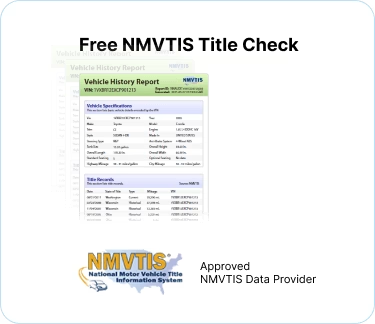
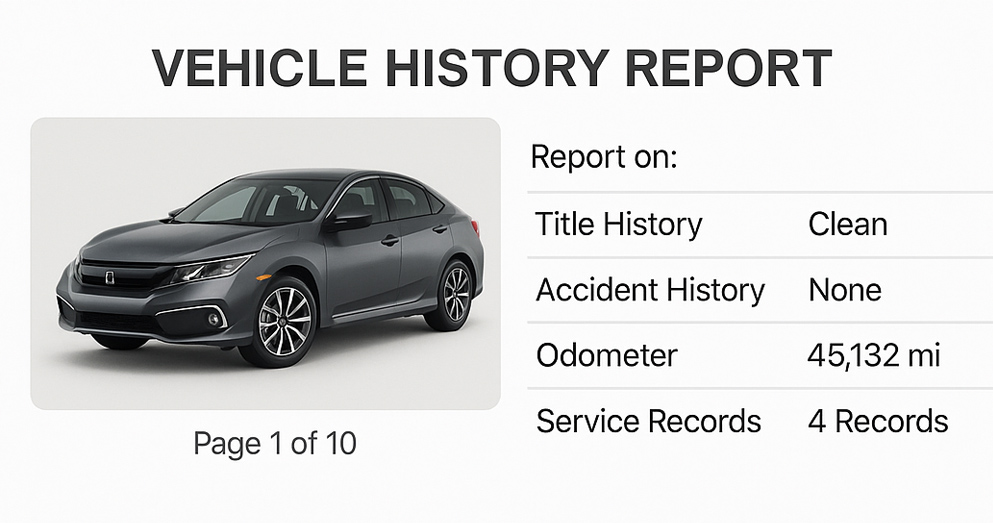
Vehicle History Report
Vehicle
Specifications
Specifications
Ownership
History
History
All History
Events
Events
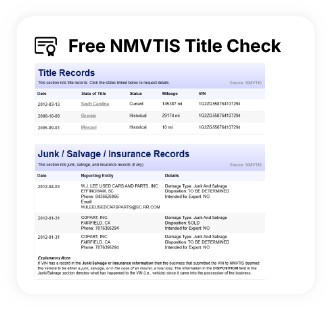
NMVTIS Title
History Check
History Check
Salvage/Rebuilt
Check
Check
Accident
Check
Check
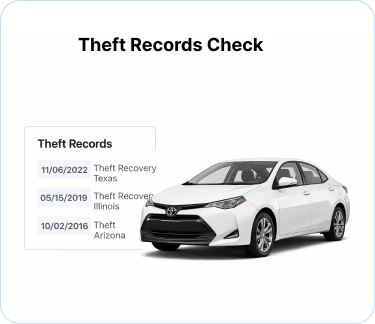
Theft
Check
Check
Open Lien
Check
Check
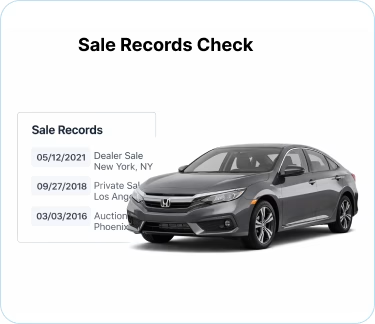
Past Sale
Listings
Listings
Safety
Recalls
Recalls
Odometer
Check
Check
Market Price
Analysis
Analysis
What Problems Does the 2017 Suzuki GSX-R600 Have?
The 2017 Suzuki GSX-R600, like most GSX-R models, enjoys a strong reputation for reliability. However, like any performance machine, some common observations and potential issues can arise, particularly with age and mileage.
One area sometimes noted is the suspension. While the Showa components are generally high-quality and offer excellent adjustability, they may require servicing or re-valving for riders who are particularly aggressive or use the bike extensively on the track. This isn't a defect, but rather a performance tuning aspect.
Some owners have reported minor electrical gremlins over time, such as issues with dashboard lights or sensor readings, though these are not widespread and often easily resolved. Clutch wear is a common consideration for any sportbike, and the GSX-R600 is no exception; a slipping clutch would indicate heavy use and potential replacement needed.
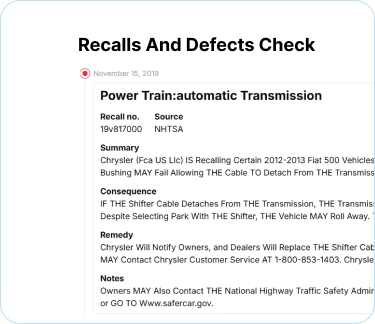
Regarding specific recalls for the 2017 model year, a search of official Suzuki recall databases reveals no major widespread issues directly impacting the 2017 GSX-R600 that were significantly different from other GSX-R models of that era. However, it's always prudent for any prospective buyer to perform a VIN check with Suzuki to ensure all outstanding recalls have been addressed.
Long-term reliability is generally excellent for the GSX-R600. The engine is known for its robustness when properly maintained with regular oil changes, chain lubrication, and coolant flushes. The chassis and running gear are also durable. The main factors that can impact long-term reliability are the previous owner's maintenance habits and the type of riding the bike has endured. A well-cared-for GSX-R600 can last for many thousands of miles.
One area sometimes noted is the suspension. While the Showa components are generally high-quality and offer excellent adjustability, they may require servicing or re-valving for riders who are particularly aggressive or use the bike extensively on the track. This isn't a defect, but rather a performance tuning aspect.
Some owners have reported minor electrical gremlins over time, such as issues with dashboard lights or sensor readings, though these are not widespread and often easily resolved. Clutch wear is a common consideration for any sportbike, and the GSX-R600 is no exception; a slipping clutch would indicate heavy use and potential replacement needed.
Regarding specific recalls for the 2017 model year, a search of official Suzuki recall databases reveals no major widespread issues directly impacting the 2017 GSX-R600 that were significantly different from other GSX-R models of that era. However, it's always prudent for any prospective buyer to perform a VIN check with Suzuki to ensure all outstanding recalls have been addressed.
Long-term reliability is generally excellent for the GSX-R600. The engine is known for its robustness when properly maintained with regular oil changes, chain lubrication, and coolant flushes. The chassis and running gear are also durable. The main factors that can impact long-term reliability are the previous owner's maintenance habits and the type of riding the bike has endured. A well-cared-for GSX-R600 can last for many thousands of miles.
How long will the 2017 Suzuki GSX-R600 last?
With proper and consistent maintenance, the 2017 Suzuki GSX-R600 is capable of lasting for 50,000 to 70,000 miles or even more. Many owners report their GSX-Rs enduring well over 30,000 miles with only routine servicing. The engine is a strong point for long-term durability, often outliving other components if oil changes are performed diligently. Weaknesses over time typically manifest as normal wear-and-tear items like clutch plates, brake pads, and chain/sprockets. Suspension components may require servicing or rebuilding after significant mileage, and minor electrical components can eventually degrade. However, the core mechanical integrity of the GSX-R600 is a testament to Suzuki's engineering, making it a durable sportbike for many years of service.
What Technology & Safety Features are Included?
The 2017 Suzuki GSX-R600 focuses primarily on the riding experience rather than a vast array of electronic amenities. As a sportbike, entertainment systems are non-existent, with the rider's engagement coming from the machine's performance and sound.
Tech Features: The instrument cluster is a multi-function LCD display combined with an analog tachometer. It provides essential information such as speed, RPM, gear position, fuel level, odometer, trip meters, clock, and engine temperature. This is a functional and clear display, prioritizing rider information over elaborate graphics. Suzuki's engine management system, utilizing dual injectors per cylinder, contributes to precise fuel delivery and throttle response, which can be considered a form of performance technology.
Driver-Assistance Features: The 2017 GSX-R600 does not come standard with advanced rider-assistance systems (ARAS) like traction control, wheelie control, or lean-sensitive ABS. These features are more commonly found on newer or higher-spec sportbikes. However, Suzuki did offer an Anti-lock Braking System (ABS) as an optional feature on some configurations in certain markets. This ABS system is a basic, non-lean-sensitive version designed to prevent wheel lock-up under hard braking.
Safety Features: The primary safety features include the effective braking system with available ABS, robust chassis design, and responsive handling that allows the rider to avoid hazards. The lighting system consists of halogen headlights for illumination and LED position lights for visibility.
Optional Features: As mentioned, ABS was an optional upgrade. Beyond that, most additional features would be aftermarket accessories installed by the owner, such as frame sliders, upgraded exhaust systems, or cosmetic enhancements.
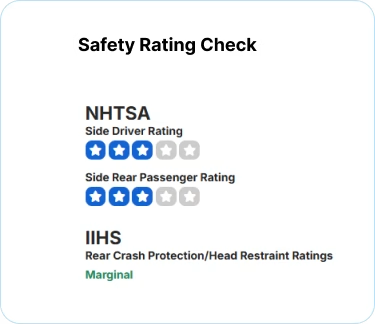
Crash-Test Ratings: Motorcycles are generally not subjected to the same type of crash-test ratings as automobiles by organizations like NHTSA or IIHS. The safety of a motorcycle is primarily determined by its design, engineering, and the rider's skill and protective gear.
Tech Features: The instrument cluster is a multi-function LCD display combined with an analog tachometer. It provides essential information such as speed, RPM, gear position, fuel level, odometer, trip meters, clock, and engine temperature. This is a functional and clear display, prioritizing rider information over elaborate graphics. Suzuki's engine management system, utilizing dual injectors per cylinder, contributes to precise fuel delivery and throttle response, which can be considered a form of performance technology.
Driver-Assistance Features: The 2017 GSX-R600 does not come standard with advanced rider-assistance systems (ARAS) like traction control, wheelie control, or lean-sensitive ABS. These features are more commonly found on newer or higher-spec sportbikes. However, Suzuki did offer an Anti-lock Braking System (ABS) as an optional feature on some configurations in certain markets. This ABS system is a basic, non-lean-sensitive version designed to prevent wheel lock-up under hard braking.
Safety Features: The primary safety features include the effective braking system with available ABS, robust chassis design, and responsive handling that allows the rider to avoid hazards. The lighting system consists of halogen headlights for illumination and LED position lights for visibility.
Optional Features: As mentioned, ABS was an optional upgrade. Beyond that, most additional features would be aftermarket accessories installed by the owner, such as frame sliders, upgraded exhaust systems, or cosmetic enhancements.
Crash-Test Ratings: Motorcycles are generally not subjected to the same type of crash-test ratings as automobiles by organizations like NHTSA or IIHS. The safety of a motorcycle is primarily determined by its design, engineering, and the rider's skill and protective gear.
What Colors Options are Available?
2017 Suzuki GSX-R600 Prices and Market Value
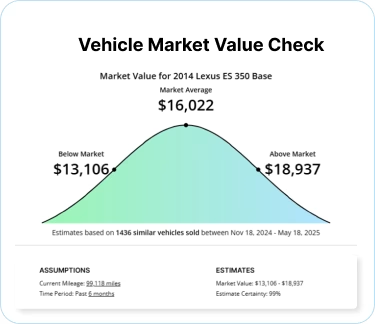
When new, the 2017 Suzuki GSX-R600 had an MSRP typically around $10,000 to $11,000, depending on optional ABS. Currently, the used market price for a 2017 GSX-R600 generally falls between $7,000 and $9,000. Depreciation on sportbikes can be steeper initially compared to other vehicle types, but the GSX-R600 holds its value relatively well due to its enduring popularity and reputation for reliability. Factors significantly affecting resale value include mileage, overall condition (cosmetic and mechanical), maintenance history, any modifications (especially performance-enhancing ones that might indicate hard use), and whether it has seen track time. A well-maintained, low-mileage example with original components will command a higher price.
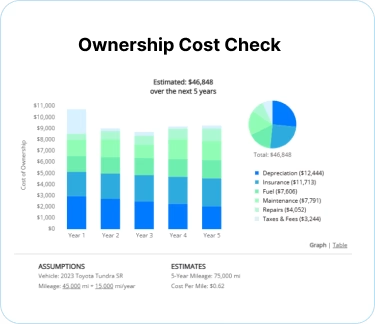
2017 Suzuki GSX-R600 Cost of Ownership
The 2017 Suzuki GSX-R600 is moderately economical to own for a sportbike. Insurance costs can vary widely based on rider age, location, and record, but expect it to be higher than a standard commuter bike. Fuel economy averages around 35-40 MPG, which is decent for its performance class. Routine maintenance, including oil changes and chain upkeep, is standard. Repairs can be costly due to the specialized nature of sportbike parts and labor, especially if components are damaged in a fall. Overall, while not a cheap vehicle to own, its reliability and good fuel economy make it less costly than some higher-performance or more technologically complex sportbikes.

2017 Suzuki GSX-R600 Fuel Efficiency
Fuel Type
Gasoline
Fuel Capacity
-
City Mileage
-
Highway Mileage
-
2017 Suzuki GSX-R600 Warranty
Basic
Original warranty
0 months / No data
Estimated remaining
Expired
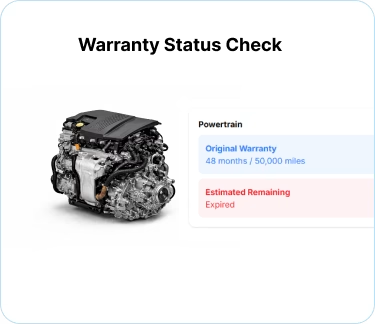
Powertrain
Original warranty
0 months / No data
Estimated remaining
Expired
Rust
Original warranty
0 months / No data
Estimated remaining
Expired
2017 Suzuki GSX-R600 Insurance
Insurance for a 2017 Suzuki GSX-R600 is moderately priced, reflecting its status as a Motorcycle with strong safety ratings and
reasonable repair costs.

How Does the 2017 Suzuki GSX-R600 Compare to Other Motorcycle?
The 2017 Suzuki GSX-R600 competes directly with other 600cc supersport machines, primarily the Yamaha YZF-R6, Honda CBR600RR, Kawasaki Ninja ZX-6R, and Triumph Daytona 675R.
Performance: In terms of raw horsepower and acceleration, the GSX-R600 is generally on par with its Japanese rivals. The Yamaha R6 and Honda CBR600RR often edge it out slightly in top-end power, while the Kawasaki ZX-6R offers more torque due to its larger 636cc engine (though it falls into a slightly different category). The Triumph Daytona 675R, with its triple engine, offers a unique powerband and often superior handling. The GSX-R600 is praised for its balanced power delivery and agility.
Features: This is where the GSX-R600 often shows its age against competitors from the same year. The 2017 R6, for example, received significant upgrades including a new engine, vastly improved electronics (traction control, ABS, quickshifter), and updated styling. The CBR600RR also boasts strong electronic aids. The ZX-6R typically offers a slipper clutch and often ABS. The GSX-R600's feature set is more basic, typically lacking advanced rider aids like traction control or a standard quickshifter, and its suspension, while good, may not be as sophisticated as the top-tier models.
Reliability: Suzuki is renowned for its robust engineering, and the GSX-R600 is no exception. It generally matches or exceeds the reliability of its main Japanese competitors (Yamaha and Honda). Kawasaki also has a strong reliability record. The Triumph, while excellent, sometimes has a slightly less stellar reputation for long-term reliability compared to the Japanese offerings, though this can vary by specific model and year.
Price: The GSX-R600 often presents a compelling value proposition, typically being priced slightly below its direct Japanese competitors when new, and this trend continues on the used market.
Recommendations:
Similar Alternatives: If you prioritize excellent all-around performance and a bulletproof reputation at a slightly more accessible price point, the 2017 GSX-R600 is a fantastic choice. The Kawasaki Ninja ZX-6R is a great alternative if you want a bit more displacement and torque for street riding.
Better Alternatives (if budget allows): For more advanced features and a cutting-edge electronic suite, consider a 2017 Yamaha YZF-R6 (if you can find one with ABS) or a slightly newer GSX-R600 (2018 onwards) which often includes more modern tech. If you want a more track-focused machine with a unique character, the Triumph Daytona 675R is a superb, though often more expensive, option.
Performance: In terms of raw horsepower and acceleration, the GSX-R600 is generally on par with its Japanese rivals. The Yamaha R6 and Honda CBR600RR often edge it out slightly in top-end power, while the Kawasaki ZX-6R offers more torque due to its larger 636cc engine (though it falls into a slightly different category). The Triumph Daytona 675R, with its triple engine, offers a unique powerband and often superior handling. The GSX-R600 is praised for its balanced power delivery and agility.
Features: This is where the GSX-R600 often shows its age against competitors from the same year. The 2017 R6, for example, received significant upgrades including a new engine, vastly improved electronics (traction control, ABS, quickshifter), and updated styling. The CBR600RR also boasts strong electronic aids. The ZX-6R typically offers a slipper clutch and often ABS. The GSX-R600's feature set is more basic, typically lacking advanced rider aids like traction control or a standard quickshifter, and its suspension, while good, may not be as sophisticated as the top-tier models.
Reliability: Suzuki is renowned for its robust engineering, and the GSX-R600 is no exception. It generally matches or exceeds the reliability of its main Japanese competitors (Yamaha and Honda). Kawasaki also has a strong reliability record. The Triumph, while excellent, sometimes has a slightly less stellar reputation for long-term reliability compared to the Japanese offerings, though this can vary by specific model and year.
Price: The GSX-R600 often presents a compelling value proposition, typically being priced slightly below its direct Japanese competitors when new, and this trend continues on the used market.
Recommendations:
Similar Alternatives: If you prioritize excellent all-around performance and a bulletproof reputation at a slightly more accessible price point, the 2017 GSX-R600 is a fantastic choice. The Kawasaki Ninja ZX-6R is a great alternative if you want a bit more displacement and torque for street riding.
Better Alternatives (if budget allows): For more advanced features and a cutting-edge electronic suite, consider a 2017 Yamaha YZF-R6 (if you can find one with ABS) or a slightly newer GSX-R600 (2018 onwards) which often includes more modern tech. If you want a more track-focused machine with a unique character, the Triumph Daytona 675R is a superb, though often more expensive, option.
Final Verdict: Is the 2017 Suzuki GSX-R600 a Good Motorcycle?
The 2017 Suzuki GSX-R600 is ideally suited for riders seeking an exhilarating yet approachable middleweight sportbike experience without the highest price tag. It's perfect for those who enjoy spirited canyon carving, occasional track days, or simply want a thrilling, responsive machine for weekend rides. For new riders, it represents a significant step up but is manageable with caution due to its balanced performance.
It is absolutely worth buying, especially on the used market, where it offers tremendous value. Its enduring reliability and proven performance make it a smart investment. The best conditions for purchase are typically a used model with moderate mileage and a well-documented maintenance history. While newer bikes offer more advanced electronics, the 2017 GSX-R600 provides a pure, engaging riding experience that many riders still cherish. Opting for a model with ABS is advisable for added safety, especially for less experienced riders.