
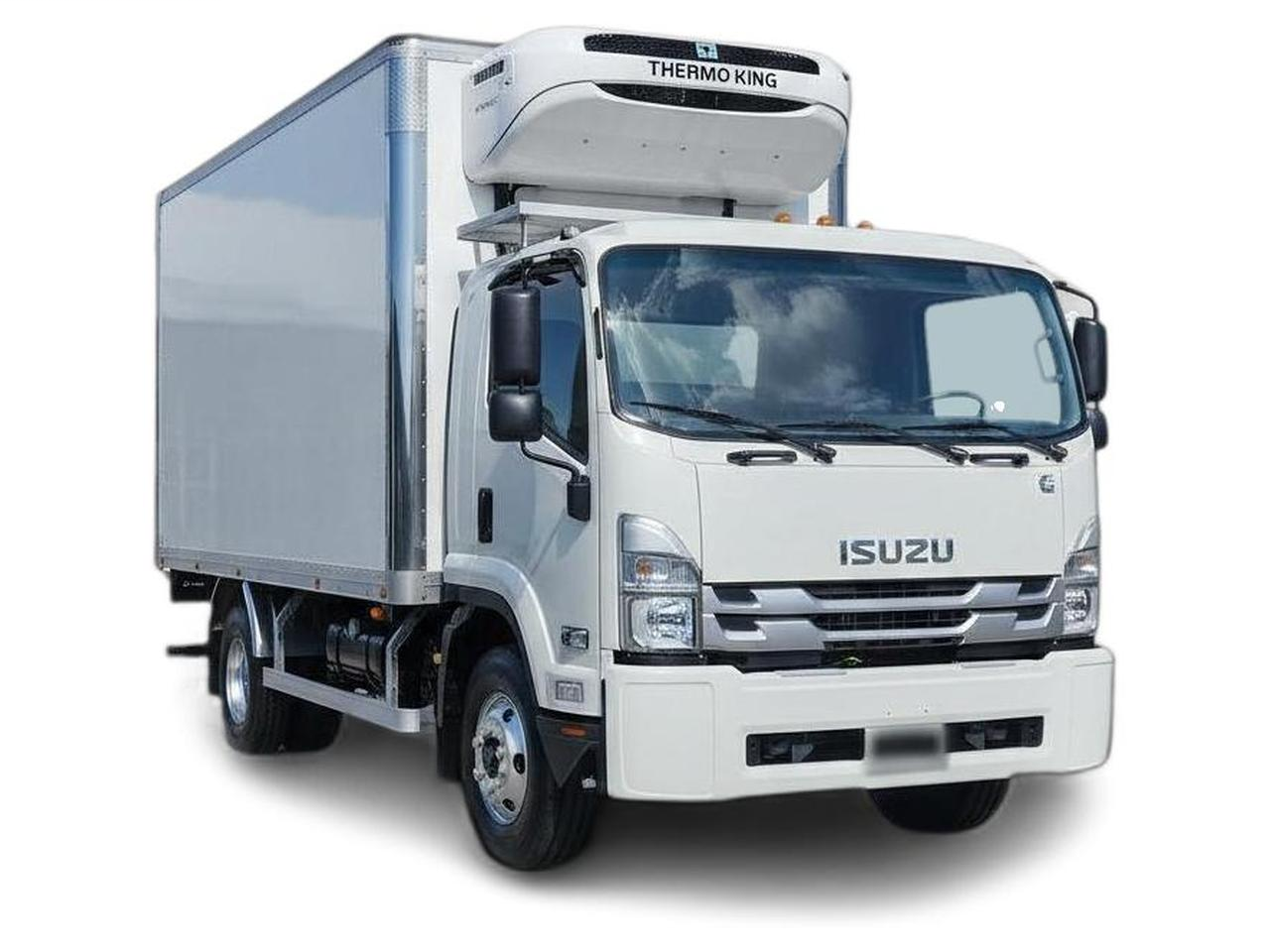
The Good
The 2025 Isuzu FTR boasts a reputation for unparalleled reliability and a powerful yet efficient diesel engine. Its practical design prioritizes driver visibility and ease of operation, while its overall value proposition, including low running costs, appeals to the pragmatic buyer. Emotionally, its sturdy build and dependable nature offer peace of mind.
The Bad
While generally robust, some owners report that the interior design and materials might feel a bit utilitarian compared to some competitors. Limited infotainment options and a less sophisticated ride on rougher terrains can also be considered drawbacks. Finding specific service centers might also require planning in certain regions.
2025 Isuzu FTR: Quick Overview
- Engine Options: The 2025 Isuzu FTR is primarily equipped with a 5.2-liter Isuzu 4HK1-TC turbocharged diesel engine.
- Horsepower: This engine typically produces around 215 horsepower.
- Torque: Torque figures usually hover around 452 lb-ft.
- Transmission: It is mated to an Aisin A450 Aisin A450 6-speed automatic transmission with double overdrive.
- Fuel Economy: Specific MPG figures are not typically published for commercial trucks like the FTR as they vary greatly with load, route, and driving style. However, the diesel engine is known for its efficiency in its class, with owners often reporting competitive mileage for its GVWR.
- 0-60 Times: 0-60 mph times are not a standard metric for commercial trucks and are highly dependent on the truck's configuration, load, and road conditions.
- Towing Capacity: The FTR is not typically rated for towing in the traditional sense like a pickup truck. Its capacity is defined by its Gross Vehicle Weight Rating (GVWR), which ranges from 19,500 lbs to 37,000 lbs depending on the configuration. It is designed for hauling payload rather than towing.
- Trim-Level Features: While Isuzu FTR doesn't have traditional "trims" like passenger vehicles, configurations are based on wheelbase (e.g., 109", 132", 150", 172", 194", 214", 236") and GVWR. Standard features often include:
- Power windows and door locks
- Air conditioning
- Power steering
- AM/FM/CD player with auxiliary input
- Halogen headlights
- Durable vinyl or cloth seating
- A standard rearview mirror.
2025 Isuzu FTR Specifications
Vehicle Information
| Year | 2025 |
| Make | Isuzu |
| Model | FTR |
| Trim | - |
| Style | - |
| Type | Truck |
| Category | Heavy Truck |
Manufacturing Details
| Made In | United States |
| Manufacturing City | CHARLOTTE |
Dimensions
| Doors | doors |
| Curb Weight | - |
| Gross Vehicle Weight Rating | 26000 pounds |
| Overall Height | - |
| Overall Length | - |
| Overall Width | - |
| Wheelbase Length | - |
| Standard Seating | - |
Engine & Performance
| Engine | 6.7L V8 |
| Engine Size | 6.7L |
| Engine Cylinders | 8 |
| Transmission | transmission |
| Transmission Type | - |
| Transmission Speeds | 6-Speed |
| Drivetrain | Rear-Wheel Drive |
Additional Features
| Anti-Brake System | - |
| Steering Type | - |
Pricing
| Manufacturer Suggested Retail Price (MSRP) | - |
| Invoice Price | - |
| Delivery Charges | - |
Vehicle History Report
Specifications
History
Events
History Check
Check
Check
Check
Check
Listings
Recalls
Check
Analysis
What Problems Does the 2025 Isuzu FTR Have?
How long will the 2025 Isuzu FTR last?
What Technology & Safety Features are Included?
Driver-assistance features are typically limited in the standard configuration. However, options can enhance safety significantly. A popular optional feature is a backup camera system, which is invaluable for maneuvering in tight urban environments and during loading/unloading operations, given the FTR's conventional cab-over design. Some advanced safety packages might include features like Electronic Stability Control (ESC) and Anti-lock Braking System (ABS), which are crucial for maintaining control under various road conditions and heavy loads.
Safety is a core consideration, and the FTR is designed with a robust frame and standard safety equipment such as three-point seatbelts, a durable steering column, and reinforced doors. Isuzu commercial trucks are not typically subjected to the same comprehensive crash-testing protocols as passenger vehicles by organizations like the NHTSA or IIHS. Instead, their safety is assessed based on engineering standards and compliance with commercial vehicle safety regulations. The cab-over design inherently offers excellent forward visibility, a significant passive safety feature. While advanced infotainment systems and a plethora of driver-assistance aids found in consumer vehicles are not the FTR's forte, the available options enhance its usability and safety for its intended commercial applications, focusing on essentials for operational efficiency and driver well-being.
What Colors Options are Available?
2025 Isuzu FTR Prices and Market Value
2025 Isuzu FTR Cost of Ownership
2025 Isuzu FTR Fuel Efficiency
2025 Isuzu FTR Recalls & Defects
Steering:linkages:tie ROD Assembly
Fuel System, Other:fuel Filter
Suspension:rear:springs:leaf Spring Assembly:hanger/Bracket
Suspension:front:stabilizer BAR
2025 Isuzu FTR Warranty
Basic
Powertrain
Rust
2025 Isuzu FTR Insurance
reasonable repair costs.
How Does the 2025 Isuzu FTR Compare to Other Truck?
Performance: The FTR's 5.2L diesel engine offers a good balance of power and efficiency for its class, with around 215 hp and 452 lb-ft of torque. Competitors like the Freightliner M2 might offer a wider range of engine options and potentially higher horsepower ratings in some configurations. The Hino L-Series also provides competitive diesel powertrains.
Features: The FTR leans towards practicality, offering essential features and optional upgrades for vocational use. Its cab-over design provides excellent maneuverability, a key advantage in urban environments. Competitors like the Freightliner M2 might offer more advanced technology and comfort features in their cabs, appealing to drivers who spend long hours on the road. The Hino and Mitsubishi Fuso trucks also offer a comparable range of standard and optional features.
Reliability: Isuzu has a stellar reputation for reliability, which is a significant differentiator for the FTR. Its powertrain and chassis are known for their durability and longevity, often surpassing competitors in real-world usage and fleet testimonials. While Freightliner and Hino also have strong reliability records, Isuzu often leads in terms of long-term cost of ownership and minimal downtime.
Price: The FTR is typically very competitive on price, often positioned as a value-oriented option. Its lower initial purchase price, combined with its exceptional fuel efficiency and low maintenance costs, makes it a strong contender for businesses looking to optimize their operating budget. Competitors may sometimes be priced higher, especially for comparable configurations.
Alternatives:
* Similar: The Hino L-Series is a very close competitor, offering similar durability and vocational versatility.
* Alternative (if more tech/comfort desired): The Freightliner M2 might be a better choice if a more refined interior, advanced technology, and a wider array of engine and chassis configurations are paramount, though it may come at a higher price point.
Overall, the Isuzu FTR stands out for its exceptional reliability and cost-effectiveness, making it an ideal choice for businesses prioritizing long-term value and minimal downtime.
Final Verdict: Is the 2025 Isuzu FTR a Good Truck?
It is absolutely worth buying for its proven track record of longevity and its cost-effective performance. Whether new or used, the FTR offers strong value. Buying new provides the latest specifications and full warranty coverage, while a well-maintained used FTR, especially one with lower mileage and a documented service history, can offer significant savings without sacrificing too much of its legendary durability. Specific trims are less about luxury and more about wheelbase and GVWR, so choosing the right configuration for your specific payload and operational needs is crucial for maximizing its worth.

Simon A
Simon is a contributor to VinCheck, where he provides articles and reviews on various automotive topics. His work focuses on delivering accurate and up-to-date information about used cars, helping readers make informed decisions.