
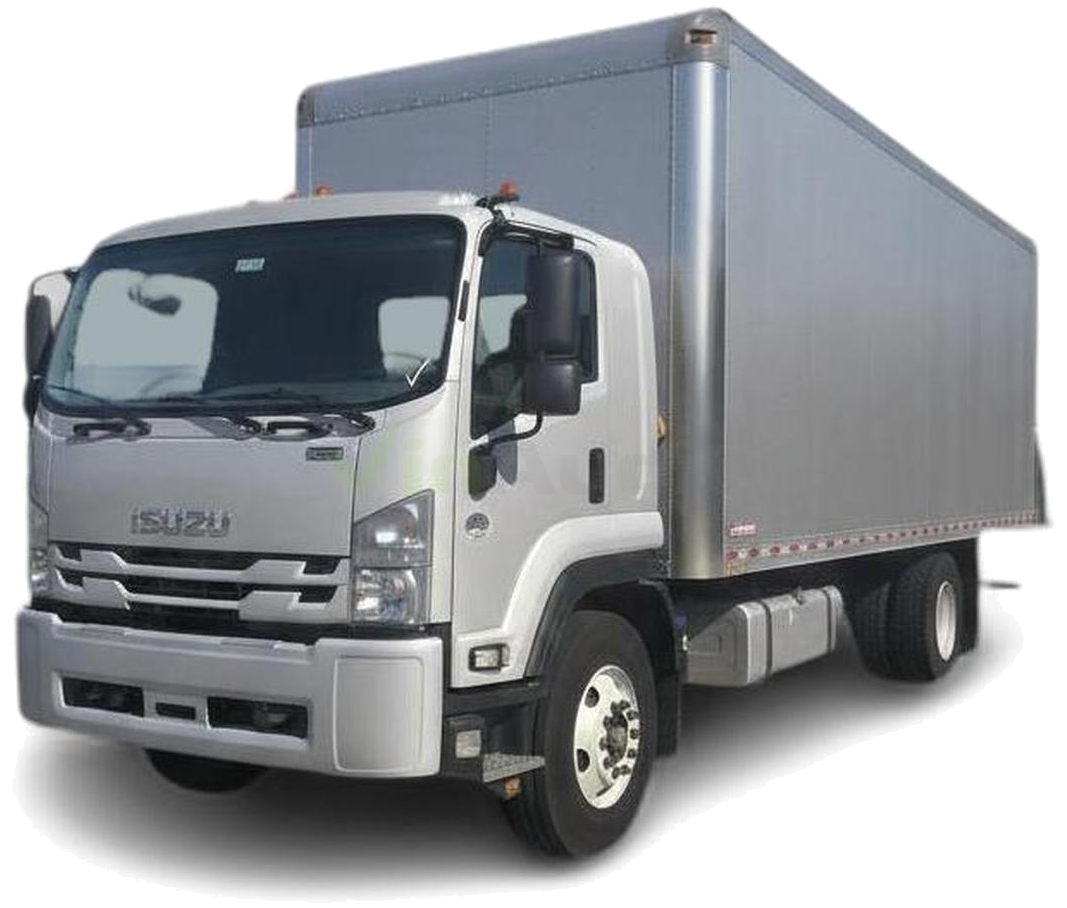
The Good
The 2020 Isuzu FTR boasts impressive performance from its responsive diesel engine, exceptional reliability backed by Isuzu's legacy, and a surprisingly comfortable cabin for a commercial truck. Its practical efficiency and overall value proposition appeal to businesses seeking a cost-effective, long-term transportation solution.
The Bad
Potential owners should be aware of the relatively basic infotainment system and limited interior creature comforts compared to some premium competitors. Some drivers might find the ride less refined on rougher surfaces, and sourcing specialized parts outside of dedicated Isuzu dealers could occasionally be a minor inconvenience.
2020 Isuzu FTR: Quick Overview
- Engine Options: The 2020 Isuzu FTR is powered by a single, highly regarded engine option: the Isuzu 4HK1-TCS diesel engine. This 5.2-liter, turbocharged, intercooled inline 4-cylinder engine is designed for durability and efficiency.
- Horsepower: The 4HK1-TCS engine produces a robust 215 horsepower.
- Torque: This engine also delivers a substantial 452 lb-ft of torque, which is crucial for hauling heavy loads and for strong acceleration from a standstill.
- Fuel Economy: Official EPA fuel economy figures for commercial trucks like the FTR are not typically published in the same way as passenger vehicles, as usage varies drastically based on load, terrain, and driving style. However, the Isuzu 4HK1 engine is known for its excellent fuel efficiency within its class, often achieving in the range of 10-15 MPG depending on application.
- 0-60 Times: As this is a commercial truck, 0-60 mph acceleration times are not a primary design consideration and are not officially tested or published. Performance is optimized for load-carrying and operational efficiency rather than rapid acceleration.
- Towing Capacity: The towing capacity of the 2020 Isuzu FTR is not a standard specification as it is designed as a straight truck chassis for body mounting (e.g., box trucks, flatbeds, dump trucks). Its Gross Vehicle Weight Rating (GVWR) is its primary measure of load-carrying capability. GVWRs for the 2020 FTR typically range from 19,500 lbs to 25,950 lbs, depending on the specific configuration and axle ratings.
- Trim-Level Features: While the FTR is more about function than luxury, key features available include:
- Standard cab configurations, typically seating 3 occupants.
- Power windows and door locks.
- Tilt and telescopic steering column.
- Air conditioning.
- An AM/FM/MP3/WMA audio system with auxiliary input and Bluetooth capability.
- Available options might include a backup alarm, various seating materials, and specialized body upfittings (purchased separately).
- The focus is on durability and functionality, with practical elements over high-end electronics.
2020 Isuzu FTR Specifications
Vehicle Information
| Year | 2020 |
| Make | Isuzu |
| Model | FTR |
| Trim | - |
| Style | - |
| Type | Truck |
| Category | Heavy Truck |
Manufacturing Details
| Made In | United States |
| Manufacturing City | CHARLOTTE |
Dimensions
| Doors | - |
| Curb Weight | - |
| Gross Vehicle Weight Rating | 26000 pounds |
| Overall Height | - |
| Overall Length | - |
| Overall Width | - |
| Wheelbase Length | - |
| Standard Seating | - |
Engine & Performance
| Engine | 5.2L V8 |
| Engine Size | 5.2L |
| Engine Cylinders | 8 |
| Transmission | - |
| Transmission Type | - |
| Transmission Speeds | - |
| Drivetrain | Rear-Wheel Drive |
Additional Features
| Anti-Brake System | - |
| Steering Type | - |
Pricing
| Manufacturer Suggested Retail Price (MSRP) | - |
| Invoice Price | - |
| Delivery Charges | - |
Vehicle History Report
Specifications
History
Events
History Check
Check
Check
Check
Check
Listings
Recalls
Check
Analysis
What Problems Does the 2020 Isuzu FTR Have?
One area occasionally noted, though not exclusive to the 2020 model year, relates to the Diesel Exhaust Fluid (DEF) system, particularly the Diesel Particulate Filter (DPF) and associated sensors. These components are critical for meeting emissions standards and can sometimes require maintenance or, in rarer cases, premature replacement if not properly maintained or if the vehicle is used for frequent short trips where the DPF cannot properly regenerate. This can lead to dashboard warning lights and potentially reduced engine performance.
Another point that some owners mention is the potential for exhaust leaks, particularly around exhaust manifold gaskets. While not a widespread issue, it's something to inspect during routine maintenance. Electrical gremlins, though uncommon, can sometimes manifest, often related to sensor inputs or wiring harness integrity, especially in demanding work environments where vibration and exposure to elements are constant.
Recalls for the 2020 Isuzu FTR are relatively infrequent and typically address specific, often minor, component issues rather than systemic design flaws. For instance, recalls might involve specific fasteners, minor software updates for engine control modules, or adjustments to braking systems. It is always advisable to check the National Highway Traffic Safety Administration (NHTSA) website for any specific recalls pertaining to the VIN of any used 2020 FTR.
In terms of long-term reliability, the Isuzu 4HK1 diesel engine is highly regarded for its durability when proper and timely maintenance is performed. Adhering to the recommended service intervals, using the correct fluids and filters, and allowing the engine to reach operating temperature for DPF regeneration are crucial. The chassis and driveline are built for heavy-duty use, meaning that major component failures are uncommon if the truck is operated within its design parameters and maintained diligently.
How long will the 2020 Isuzu FTR last?
What Technology & Safety Features are Included?
Driver-assistance and safety features are foundational. Standard safety equipment includes Anti-lock Braking System (ABS), Electronic Stability Control (ESC), and traction control, all crucial for maintaining stability under load and in varying road conditions. Seatbelts are, of course, standard, and the cab is designed with occupant protection in mind, featuring robust structural integrity. Standard mirrors are large and provide excellent visibility.
Optional features are more limited and often dictated by the body builder or specific fleet requirements rather than factory packages for the chassis itself. These might include upgraded audio systems, specialized lighting, or additional work-specific accessories.
While the Isuzu FTR isn't subjected to the same comprehensive crash-testing regimes as passenger cars by organizations like the NHTSA or IIHS, its design incorporates features aimed at occupant safety in commercial vehicle accident scenarios. Commercial trucks generally adhere to Federal Motor Vehicle Safety Standards (FMVSS) relevant to their vehicle class, focusing on aspects like braking performance, steering control, and structural integrity. Given its robust construction, it is built to withstand the rigors of commercial use while providing a secure environment for the driver. Specific crash test ratings are not readily available for the FTR chassis in the traditional passenger vehicle sense.
What Colors Options are Available?
2020 Isuzu FTR Prices and Market Value
Currently, the used market for a 2020 Isuzu FTR sees prices ranging from approximately $35,000 to $60,000, heavily influenced by mileage, overall condition, body type (if included), and historical maintenance records.
Depreciation on commercial trucks like the FTR can be less steep than passenger vehicles, especially for well-maintained units with moderate mileage, as they retain significant utility. Factors significantly affecting resale value include the truck's overall condition, the presence and quality of any installed body (e.g., box, liftgate), mileage, and the truck's service history. A well-documented maintenance log significantly boosts resale value.
2020 Isuzu FTR Cost of Ownership
2020 Isuzu FTR Fuel Efficiency
2020 Isuzu FTR Recalls & Defects
Steering
Electrical System:wiring
Electrical System:starter Assembly
Steering:critical Fasteners
Steering
Forward Collision Avoidance: Sensing System: Camera
Electrical System
Suspension:rear:springs:leaf Spring Assembly:hanger/Bracket
Suspension:front:stabilizer BAR
2020 Isuzu FTR Warranty
Basic
Powertrain
Rust
2020 Isuzu FTR Insurance
reasonable repair costs.
How Does the 2020 Isuzu FTR Compare to Other Truck?
Performance: The FTR's 5.2-liter Isuzu 4HK1 diesel engine offers a strong balance of power (215 hp) and torque (452 lb-ft) with excellent fuel efficiency. It generally holds its own against comparable engines from Hino and Freightliner in this class, which often offer multiple engine choices, some with higher horsepower ratings but potentially at the cost of fuel economy. The FTR's 6-speed Allison automatic transmission is a reliable and smooth performer.
Features: In terms of interior features, the FTR is functional and comfortable but leans towards practicality over luxury. Its standard amenities like power windows, A/C, and Bluetooth audio are competitive. Competitors like the Freightliner M2 106 might offer more advanced infotainment options or a wider array of driver-assistance technologies in higher trims, but often at a higher price point. Hino trucks typically offer a similar level of basic amenities.
Reliability: Isuzu has a strong reputation for the reliability of its diesel engines and chassis, and the FTR is a testament to this. Owners often cite Isuzu's long-term durability as a primary reason for choosing the FTR. While Freightliner and Hino also produce reliable trucks, Isuzu often edges out competitors in terms of overall dependability and longevity, especially concerning the powertrain. Specific issues on the FTR are generally fewer and less severe than reported on some other makes.
Price: The 2020 Isuzu FTR offered a very competitive price point when new, often undercutting similarly equipped Freightliner M2 106 models. This value proposition is a significant factor in its popularity. Hino trucks can also be competitive on price, but Isuzu's blend of price, performance, and reliability makes it a compelling package.
Alternatives:
- Similar: The Hino 195 is a very close competitor, offering a comparable GVWR, diesel engine, and a focus on reliability and efficiency.
- Slightly Different: The Freightliner M2 106 offers more customization options and potentially more advanced features in higher trims, but often comes at a premium price and may not match Isuzu's reputation for sheer engine longevity.
- Consider if used: Older models of GMC W-Series or Chevrolet Kodiak trucks, if found in good condition, could offer similar utility but might lack the modern emissions controls and fuel efficiency of the 2020 FTR.
Final Verdict: Is the 2020 Isuzu FTR a Good Truck?
It is absolutely worth buying, especially in the used market where it represents excellent value. A used 2020 FTR, provided it has been well-maintained and has reasonable mileage, can offer years of reliable service without the significant depreciation of a new purchase. Prioritize models with thorough service records. While new models offer the latest configurations, the 2020 model year strikes a strong balance between modern emissions compliance, proven technology, and affordability. For buyers prioritizing a workhorse that won't break the bank and is known for its longevity, the 2020 Isuzu FTR is a wise investment.

Drew B
Drew is a seasoned automotive expert and contributor to VinCheck.info. With nearly 15 years of experience as a former Porsche technician, he brings a wealth of hands-on knowledge to his writing. Born in North Carolina, a region renowned for its deep-rooted NASCAR culture, Drew developed a passion for cars early in life, often building and working on vehicles from a young age. At VINCheck, Drew leverages his extensive technical background to provide in-depth analyses of various vehicles. His articles often focus on engine performance, reliability, and maintenance insights, offering readers practical information grounded in real-world experience. Some of his notable contributions include reviews on the Mazda CX-5's longevity and detailed examinations of engine options for models like the 2011 Toyota Camry and Tacoma