
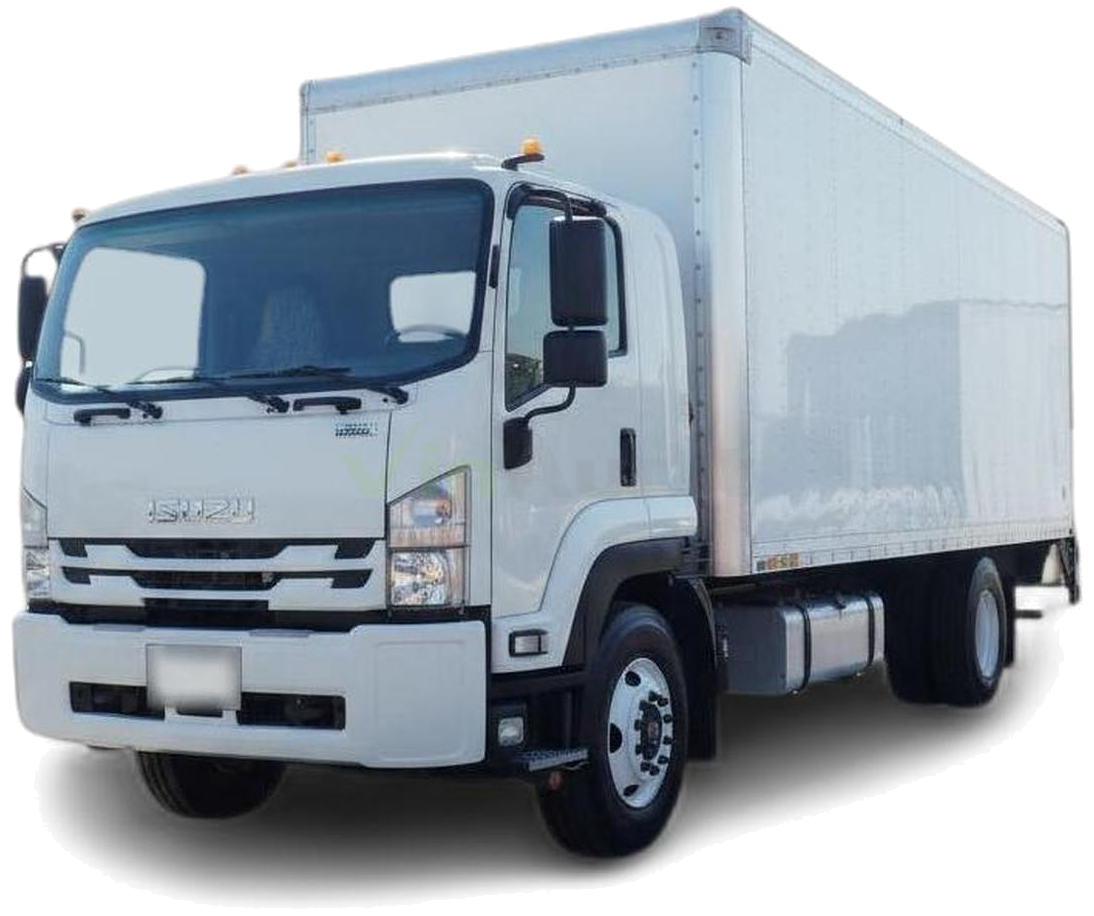
The Good
The 2018 Isuzu FTR excels with its exceptional maneuverability and visibility, thanks to its cab-over design, which appeals to drivers navigating tight city streets. Its renowned Cummins diesel engine ensures reliable performance and impressive fuel efficiency for its class, offering practical long-term savings. The ergonomic cabin provides a comfortable workspace, boosting driver satisfaction and productivity, adding significant operational value.
The Bad
Potential weaknesses for the 2018 Isuzu FTR might include a less plush interior compared to some conventional trucks, which is common for cab-over designs focused on utility. Some drivers might find the ride firmer due to its heavy-duty chassis. Specific upfit considerations are crucial, as a poorly matched body can negatively impact handling and efficiency.
2018 Isuzu FTR: Quick Overview
- Engine Options: The 2018 Isuzu FTR is exclusively powered by a Cummins B6.7 diesel engine. This 6.7-liter inline 6-cylinder powerplant is a proven choice for medium-duty applications, known for its durability and strong torque output.
- Horsepower: The Cummins B6.7 engine in the FTR delivers 260 horsepower at 2,400 rpm, providing ample power for its intended Class 6 applications, including hauling and urban delivery routes.
- Torque: A significant advantage for commercial trucks, this engine produces 660 lb-ft of torque at 1,600 rpm, ensuring robust pulling power from low RPMs, crucial for acceleration under load and climbing grades.
- Transmission: Mated to the Cummins engine is an Allison 2500 RDS (Rugged Duty Series) 6-speed automatic transmission. This commercial-grade transmission is known for its smooth shifts, reliability, and power take-off (PTO) capability for various vocational upfits.
- Fuel Economy: Specific EPA ratings are not typically provided for commercial trucks in the same way as passenger vehicles. However, the FTR, with its efficient powertrain and aerodynamic cab-over design, is generally considered competitive in its class, offering estimated ranges from 8-12 MPG depending heavily on load, driving conditions, and body type.
- 0-60 Times: As a Class 6 commercial truck, 0-60 mph acceleration times are not a relevant performance metric. The FTR is designed for sustained hauling and operational efficiency rather than rapid acceleration.
- Gross Vehicle Weight Rating (GVWR): The FTR offers a GVWR of 25,950 lbs, placing it firmly in the Class 6 medium-duty truck category, suitable for a wide range of vocational applications without requiring a Commercial Driver's License (CDL) for operation in most states.
- Gross Combined Weight Rating (GCWR): The GCWR for the FTR is up to 30,860 lbs, indicating its capability to pull a trailer in addition to its loaded chassis, though specific towing capacity will depend on the chosen upfit and trailer type.
- Wheelbase Options: The 2018 FTR was available with several wheelbase options to accommodate various body lengths and vocational needs, typically ranging from 152 to 248 inches. This flexibility allows for diverse applications like box trucks, flatbeds, refrigerated units, and more.
- Cab Features: The spacious cab-over design offers excellent visibility and an ergonomic layout. Standard features include air conditioning, power windows and door locks, an AM/FM CD radio with Bluetooth, and a tilt/telescopic steering wheel. The interior is designed for durability and ease of cleaning in a commercial environment.
- Chassis Features: Standard features include a robust ladder frame, hydraulic disc brakes with ABS, and a heavy-duty front and rear suspension system designed for demanding loads and consistent performance.
2018 Isuzu FTR Specifications
Vehicle Information
| Year | 2018 |
| Make | Isuzu |
| Model | FTR |
| Trim | - |
| Style | - |
| Type | Truck |
| Category | - |
Manufacturing Details
| Made In | United States |
| Manufacturing City | CHARLOTTE |
Dimensions
| Doors | - |
| Curb Weight | - |
| Gross Vehicle Weight Rating | - |
| Overall Height | - |
| Overall Length | - |
| Overall Width | - |
| Wheelbase Length | - |
| Standard Seating | - |
Engine & Performance
| Engine | 5.2L V8 |
| Engine Size | 5.2L |
| Engine Cylinders | 8 |
| Transmission | - |
| Transmission Type | - |
| Transmission Speeds | - |
| Drivetrain | Rear-Wheel Drive |
Additional Features
| Anti-Brake System | - |
| Steering Type | - |
Pricing
| Manufacturer Suggested Retail Price (MSRP) | - |
| Invoice Price | - |
| Delivery Charges | - |
Vehicle History Report
Specifications
History
Events
History Check
Check
Check
Check
Check
Listings
Recalls
Check
Analysis
What Problems Does the 2018 Isuzu FTR Have?
Common areas to monitor in any commercial truck include the exhaust aftertreatment system (DPF, SCR, DEF system), which can be prone to issues if not properly maintained or if the truck experiences excessive idling or short-haul cycles. Sensors within these systems can fail, leading to "check engine" lights and potential derating of engine power.
Electrical issues, such as wiring harness corrosion or failures of ancillary electrical components, can also surface over time, especially in trucks exposed to harsh weather or road conditions. Brakes and suspension components are wear items that require diligent inspection and maintenance due to the stresses of heavy hauling.
Regarding recalls for the 2018 Isuzu FTR specifically, it's important to check the NHTSA database for any official safety recalls. While general Isuzu medium-duty trucks have had recalls for various components over the years (e.g., brake system components, steering, or fuel system issues), specific widespread critical recalls for the 2018 FTR are not prominently flagged as of typical public data sources. However, as with any commercial vehicle, fleets should ensure all outstanding recall campaigns are addressed.
Long-term reliability concerns often revolve around adherence to manufacturer-recommended maintenance schedules. The Cummins B6.7 engine is generally regarded as highly reliable, but consistent oil changes, fuel filter replacements, and attention to cooling system health are paramount. Allison transmissions are also known for their durability. Neglecting routine service can lead to accelerated wear of critical components and higher repair costs down the line, which is a common "concern" for any high-mileage commercial vehicle rather than an inherent flaw of the FTR itself.
How long will the 2018 Isuzu FTR last?
Its long-term durability is a strong point, stemming from the robust Cummins B6.7 engine and Allison transmission. The heavy-duty chassis and components are built for sustained use. Weaknesses over time, if maintenance is neglected, typically involve wear-and-tear items like brakes, suspension bushings, and steering components. The emissions system (DPF, DEF) can also become a long-term maintenance challenge if not properly cared for. Consistent fluid changes, filter replacements, and prompt attention to minor issues are key to achieving maximum operational life and minimizing costly downtime.
What Technology & Safety Features are Included?
Built-in Tech & Entertainment:
- Standard Radio: Typically includes an AM/FM CD player with Bluetooth connectivity, allowing for hands-free calling and audio streaming, which is a practical convenience for drivers. USB input is often available.
- Telematics Readiness: Many FTR models come pre-wired or are easily adaptable for various fleet telematics systems. This allows for GPS tracking, engine diagnostics, driver performance monitoring, and compliance with ELD (Electronic Logging Device) mandates, crucial for fleet management.
- Multi-Information Display: A basic digital display in the instrument cluster provides essential vehicle information, warnings, and diagnostic messages to the driver.
Driver-Assistance & Safety Features:
- Anti-lock Braking System (ABS): Standard on the FTR, ABS helps prevent wheel lock-up during hard braking, maintaining steering control.
- Air Brakes: As a Class 6 truck, the FTR features a full air brake system, providing reliable stopping power for heavy loads.
- Engine Exhaust Brake: This feature assists in slowing the vehicle down, particularly useful on descents, reducing wear on the service brakes and enhancing control.
- Daytime Running Lights: Standard for improved visibility to other road users.
- Driver & Passenger Airbags: Isuzu cab-over trucks typically come with standard frontal airbags for enhanced safety in a collision.
- Excellent Visibility: The cab-over design inherently offers superior forward and side visibility compared to conventional hood-style trucks, significantly aiding in hazard perception and maneuvering in tight spaces. Large side mirrors are standard, often with a convex section for wider views.
Optional Features: While the FTR doesn't offer an extensive list of comfort-oriented options like passenger cars, vocational options include various chassis modifications for specific body types, PTO (Power Take-Off) configurations for auxiliary equipment, and different tire/wheel packages. Additional mirrors or cameras can be installed as aftermarket solutions to further enhance safety.
Crash-Test Ratings: Medium-duty commercial trucks like the 2018 Isuzu FTR are not subjected to the same standardized crash-test ratings (e.g., NHTSA or IIHS) as passenger vehicles. Their robust construction and intended use mean that safety is approached through design elements like high-strength steel cabs, the aforementioned braking systems, and visibility improvements. Fleet safety standards and driver training are paramount in ensuring safe operation.
What Colors Options are Available?
2018 Isuzu FTR Prices and Market Value
In the current used market (late 2023/early 2024), a well-maintained 2018 FTR with an average of 150,000-250,000 miles can fetch prices from around $35,000 to $55,000+, heavily influenced by its condition, maintenance history, and the type/condition of its installed body.
Commercial trucks like the FTR depreciate steadily but hold value better than many passenger cars due to their utilitarian nature and long service life. Factors affecting resale value include mileage, overall mechanical condition, engine and transmission health, a verifiable service record, and the condition and utility of the attached vocational body. A clean, well-maintained truck with a desirable body type will command a premium.
2018 Isuzu FTR Cost of Ownership
2018 Isuzu FTR Fuel Efficiency
2018 Isuzu FTR Recalls & Defects
Latches/Locks/Linkages:hood:latch
Steering
Electrical System:wiring
Electrical System:wiring
Electrical System:starter Assembly
Steering:critical Fasteners
Steering
Suspension:rear:springs:leaf Spring Assembly:hanger/Bracket
Suspension:front:stabilizer BAR
2018 Isuzu FTR Warranty
Basic
Powertrain
Rust
2018 Isuzu FTR Insurance
reasonable repair costs.
How Does the 2018 Isuzu FTR Compare to Other Truck?
Performance: The FTR's Cummins B6.7 engine and Allison 2500 RDS transmission offer a proven, robust, and efficient powertrain combination. While the Freightliner M2 and Ford F-series offer a wider array of engine choices (including gasoline options and higher horsepower diesels), the FTR's single diesel offering is well-tuned for its GVWR, emphasizing fuel efficiency and reliability over sheer top-end power. Hino trucks, with their proprietary engines, are also known for good performance and efficiency in their class. The FTR shines in maneuverability due to its cab-over design, offering tighter turning radii than conventional competitors like the M2 or F-650.
Features: Feature sets across this segment are primarily utilitarian. The FTR provides a comfortable, ergonomic cab with excellent visibility and standard amenities like Bluetooth radio. Rivals like the M2 might offer slightly more advanced driver-focused amenities or more extensive options for telematics integration from the factory. However, the core functionality and safety features (ABS, air brakes, airbags) are comparable. The FTR's tilt-cab design offers superior engine access for maintenance compared to conventional models.
Reliability: Isuzu, Hino, and the Cummins engine in the FTR all have strong reputations for reliability in the commercial sector, provided proper maintenance is performed. Freightliner and Ford also produce durable trucks, though their broader component sourcing can sometimes lead to more varied reliability experiences. The simplicity and robust engineering of the FTR contribute to its long-term durability.
Price: New, the FTR chassis cab was competitively priced with Hino models, often coming in slightly under comparably equipped Freightliner M2s or Ford F-series, especially when considering the upfit. In the used market, the FTR tends to hold its value well, similar to Hino, reflecting its strong reliability and demand.
Alternatives:
- Hino 268: A very similar cab-over alternative, known for its reliability and strong dealer network.
- Freightliner M2 106: A popular conventional truck offering more engine options, higher GVWR configurations, and a broader dealer network, though with less maneuverability.
- Ford F-650/F-750: Conventional trucks offering a strong gasoline engine option, appealing for certain applications, but again, less agile than the FTR.
The Isuzu FTR is a strong contender for those prioritizing urban maneuverability, fuel efficiency, and a proven, reliable powertrain.
Final Verdict: Is the 2018 Isuzu FTR a Good Truck?
For buyers seeking value, a used FTR (from 2018 onwards) is a strong consideration, provided it has a comprehensive maintenance history. Verify the condition of the engine, transmission, and the emissions system. New, it offered a solid package, but used models offer significant depreciation savings. Focus on chassis-cab configurations that align with your vocational needs, as the installed body type greatly impacts utility and resale. Ultimately, the FTR is a durable workhorse that provides excellent return on investment for the right application and with diligent care.

Jovan
Jovan specializes in interpreting vehicle records and making sense of VIN data. With over 10 years of experience in the automotive data industry, his work ensures that every report is clear, accurate, and useful for car buyers.