
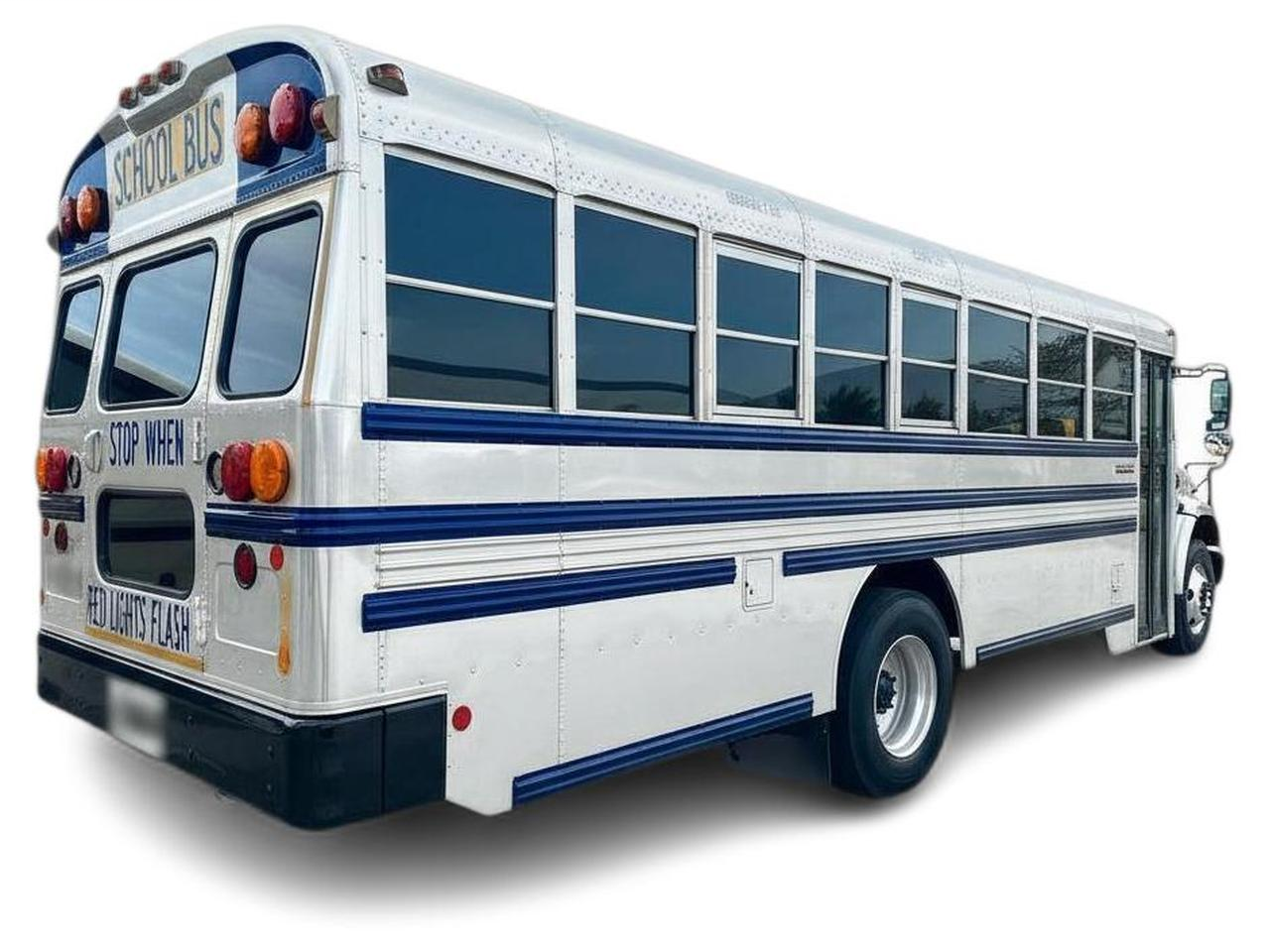
The Good
The 2012 Blue Bird Vision excels in reliability and safety, offering peace of mind for parents and administrators. Its durable construction ensures longevity, while its purposeful design prioritizes passenger well-being and driver functionality. This practical value translates into lower long-term operational costs.
The Bad
Potential buyers of a 2012 Blue Bird Vision should be aware of possible issues with older diesel engines, particularly regarding emissions systems and potential for leaks. Electrical gremlins and wear on suspension components are also common concerns with vehicles of this age and usage.
2012 Blue Bird Vision: Quick Overview
- Engine Options: The 2012 Blue Bird Vision was typically offered with robust diesel engine options designed for heavy-duty operation. Common choices included Cummins ISB and Caterpillar C7 engines. These engines are renowned for their torque and durability.
- Horsepower: Horsepower ratings varied depending on the specific engine chosen, but generally ranged from approximately 200 to 300 horsepower. The focus was on ample power for acceleration and climbing grades with a full passenger load.
- Fuel Economy: Fuel economy for a vehicle of this size and weight is not a primary design consideration compared to passenger cars. Estimates typically fall in the range of 5-8 miles per gallon (MPG), heavily influenced by load, terrain, and driving style.
- 0-60 Times: 0-60 mph times are not a relevant metric for a school bus. Performance is measured by its ability to safely accelerate and maintain speed under various load conditions, not by rapid acceleration.
- Towing Capacity: School buses are not designed for towing. Their purpose is solely passenger transport.
- Trim-Level Features: While not offered in distinct trims like passenger vehicles, the 2012 Blue Bird Vision could be configured with various options. Key features and considerations included:
- Seating Capacity: Ranging from small configurations to carry 20-30 passengers up to larger models accommodating 70-80 or more students.
- Air Conditioning: Optional, but often included in warmer climates.
- Heater Systems: Standard, with options for enhanced heating.
- Emergency Exits: Multiple emergency exits (roof hatches, side windows) were standard for safety compliance.
- Stop Arm: Retractable stop arm with flashing lights, a mandatory safety feature.
- Mirrors: Extensive mirror systems for maximum visibility of the bus's surroundings.
- Step Height: Designed for safe and easy boarding for children.
- Interior Materials: Durable, easy-to-clean materials for longevity.
- Wheelchair Lifts: Optional integration for accessibility.
- Child Seating Systems: Provisions for child safety restraints if required.
- Exterior Lighting: Comprehensive lighting for visibility and signaling.
2012 Blue Bird Vision Specifications
Vehicle Information
| Year | 2012 |
| Make | Blue Bird |
| Model | Vision |
| Trim | - |
| Style | - |
| Type | Bus |
| Category | Bus |
Manufacturing Details
| Made In | United States |
| Manufacturing City | FORT VALLEY |
Dimensions
| Doors | - |
| Curb Weight | - |
| Gross Vehicle Weight Rating | 33000 pounds |
| Overall Height | - |
| Overall Length | - |
| Overall Width | - |
| Wheelbase Length | - |
| Standard Seating | - |
Engine & Performance
| Engine | 6.7L I6 |
| Engine Size | 6.7L |
| Engine Cylinders | 6 |
| Transmission | - |
| Transmission Type | - |
| Transmission Speeds | - |
| Drivetrain | - |
Additional Features
| Anti-Brake System | - |
| Steering Type | - |
Pricing
| Manufacturer Suggested Retail Price (MSRP) | - |
| Invoice Price | - |
| Delivery Charges | - |
Vehicle History Report
Specifications
History
Events
History Check
Check
Check
Check
Check
Listings
Recalls
Check
Analysis
What Problems Does the 2012 Blue Bird Vision Have?
Another area to watch for is the drivetrain. While generally robust, transmissions and axles can experience wear, especially if the bus has been consistently operated at or near its maximum capacity. Leaks from engine oil, coolant, or power steering systems are also not uncommon, requiring prompt attention to prevent more significant damage. Suspension components, such as leaf springs, bushings, and shock absorbers, are subject to considerable stress and may require replacement after many years of service and mileage.
Electrical systems can also present challenges. Wiring harnesses, especially those exposed to the elements or vibrations, can develop frayed connections or short circuits. Issues with dashboard warning lights, power windows (if equipped), and interior lighting are plausible. The aging of sensors within the engine and transmission control units is also a possibility.
While specific widespread model year issues for the 2012 Blue Bird Vision are not as prominently documented as with some light-duty vehicles, it is essential to consider that any school bus operates under demanding conditions. Recalls, when they occur, are typically related to safety systems, such as brake components, seat belt assemblies, or emergency exit mechanisms. It is always advisable to check for any outstanding recalls with the manufacturer or relevant authorities before purchasing a used vehicle. Long-term reliability hinges heavily on a consistent and thorough maintenance schedule, including regular fluid changes, filter replacements, and inspections of critical components.
How long will the 2012 Blue Bird Vision last?
What Technology & Safety Features are Included?
Entertainment features are generally minimal. Some models might have had provisions for a basic AM/FM radio or an aftermarket CD player, but these were often optional or added by individual school districts. There were no integrated infotainment systems, touchscreens, or smartphone connectivity options as found in modern passenger vehicles.
Driver-assistance features were also very basic for this model year. Advanced systems like lane departure warnings, adaptive cruise control, or blind-spot monitoring were non-existent. The primary driver-assistance was provided through the bus's design itself: extensive rearview mirrors (including convex and cross-view mirrors) for maximum visibility around the vehicle, power steering for ease of maneuverability, and a robust braking system.
Safety features are where the 2012 Blue Bird Vision truly shines, as it was engineered with stringent school bus safety standards in mind. Standard safety equipment includes:
- High-Strength Steel Construction: The bus body is built with reinforced steel for superior structural integrity in the event of a collision.
- Roll-Over Protection: The design incorporates features to protect occupants in a rollover scenario.
- Energy-Absorbing Seats: Seats are designed to absorb impact energy, protecting students.
- Emergency Exits: Multiple roof hatches and emergency egress windows are standard for rapid evacuation.
- Warning Lights and Stop Arm: Flashing red lights and a retractable stop arm with opposing red lights are mandated to alert other traffic and ensure safe passenger loading and unloading.
- Child Safety Restraint Systems: Provisions for integrating child restraint systems if required by regulations.
- Seat Belts: While not always standard on all seats in every configuration, seat belts were increasingly becoming standard or optional for driver and some passenger seating.
Crash-test ratings for school buses are not conducted in the same manner as for passenger cars by organizations like the NHTSA or IIHS. Instead, school buses must meet rigorous Federal Motor Vehicle Safety Standards (FMVSS) set by the National Highway Traffic Safety Administration (NHTSA). The Blue Bird Vision is designed to comply with or exceed these stringent standards, ensuring a high level of passive safety for its occupants.
What Colors Options are Available?
2012 Blue Bird Vision Prices and Market Value
Current used market prices for a 2012 Blue Bird Vision can vary dramatically. Well-maintained buses with lower mileage might fetch anywhere from $10,000 to $30,000 or more. However, buses with higher mileage, significant wear, or requiring substantial repairs can be found for as little as $3,000 to $8,000. These lower-priced units are often purchased for parts or by those with mechanical expertise to refurbish them.
Depreciation on a school bus is significant, especially in the first few years. However, after the initial steep drop, the rate of depreciation slows down considerably. The resale value is heavily influenced by mileage, the condition of the engine and transmission, the overall structural integrity, the presence of rust, and whether the bus has been maintained according to manufacturer recommendations. Buses that have been used in school districts with rigorous maintenance programs tend to hold their value better than those from less diligent operations. Demand from churches, charter companies, and private individuals looking for conversion projects also affects resale value.
2012 Blue Bird Vision Cost of Ownership
2012 Blue Bird Vision Fuel Efficiency
2012 Blue Bird Vision Warranty
Basic
Powertrain
Rust
2012 Blue Bird Vision Insurance
reasonable repair costs.
How Does the 2012 Blue Bird Vision Compare to Other Bus?
Performance: In terms of performance, these buses are designed for utility, not speed. Their diesel engines provide torque for carrying heavy loads and navigating varied terrain. The 2012 Blue Bird Vision typically offered comparable engine options (Cummins, Caterpillar) to its competitors, providing similar hauling capabilities. Performance differences are often negligible, boiling down to specific engine tuning or transmission choices.
Features: Feature sets are largely dictated by federal and state safety regulations for school buses. All major manufacturers will offer similar core safety features like emergency exits, flashing lights, and robust construction. Optional features like air conditioning, enhanced heating, or specialized seating configurations would be available across all brands, with variations in quality and cost. The Blue Bird Vision's strength lies in its straightforward, no-frills approach focused on essential safety and functionality.
Reliability: All three major manufacturers are known for building robust, long-lasting vehicles. Reliability is heavily dependent on maintenance. Historically, Blue Bird, Thomas, and IC Bus have all demonstrated strong reliability records for their school bus fleets. Issues tend to be common to diesel engines of the era (emissions systems) rather than brand-specific critical failures. Owner satisfaction surveys often show these brands neck-and-neck.
Price: When new, pricing would be competitive among these models, with slight variations based on specific options and dealer negotiations. Used, the 2012 Blue Bird Vision often falls into a similar price bracket as comparable Thomas and IC Bus models. Prices are dictated more by age, mileage, and condition than by brand loyalty.
Alternatives: For someone seeking a similar utilitarian vehicle for a purpose other than school transport (e.g., conversion to an RV or custom shuttle), the 2012 Blue Bird Vision is a solid choice. However, if purchasing a used school bus for conversion, it's always wise to compare specific units from Thomas Built Buses and IC Bus as well. For those looking for a more modern vehicle with potentially better fuel efficiency and integrated technology for passenger transport (if regulations allow), a used passenger van or shuttle bus from brands like Ford (Transit), Mercedes-Benz (Sprinter), or Chevrolet (Express) might be considered, though they would lack the extreme durability and safety features of a dedicated school bus.
Final Verdict: Is the 2012 Blue Bird Vision a Good Bus?
Purchasing a used 2012 Blue Bird Vision is generally more practical than buying new, given the significant cost savings. Focus should be on meticulously inspected units with documented maintenance history. While specific trims aren't a major factor, prioritize models with desired configurations (seating, A/C if needed). Be prepared for ongoing maintenance costs associated with diesel engines and heavy vehicles. For its intended purpose as a people-mover in demanding conditions, it remains a sound investment when carefully selected.

Cathleen V
Cathleen is an exceptional freelance writer covering hot topics in the automotive world from a gearhead's perspective. Her articles delve into various aspects of automotive technology and history, offering readers detailed insights into engine performance, reliability, and maintenance. Through her engaging and informative writing, Cathleen provides valuable information to automotive enthusiasts and consumers alike, helping them make informed decisions about vehicle maintenance and purchases.