
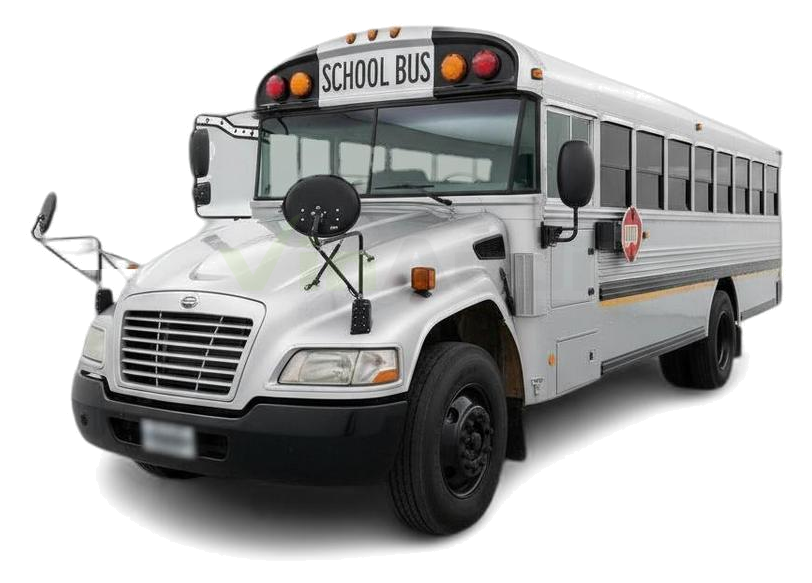
The Good
The 2009 Blue Bird Vision excels in reliability and durability, offering peace of mind for practical buyers. Its spacious and functional design prioritizes passenger comfort and safety. For those seeking value, its long service life and robust build ensure a sound investment, fostering a sense of security and dependable transportation.
The Bad
When considering a 2009 Blue Bird Vision, potential buyers should be aware of possible aging components, particularly in the braking and exhaust systems. Some older units might exhibit wear and tear on interior upholstery and flooring. Regular maintenance records are crucial to identify any deferred repairs that could lead to future issues.
2009 Blue Bird Vision: Quick Overview
- Engine Options: The 2009 Blue Bird Vision was typically equipped with robust diesel engines designed for commercial use. Common options included Cummins ISB and ISC series engines.
- Horsepower: Horsepower ratings varied depending on the specific engine and its configuration, generally ranging from approximately 200 to 300 horsepower. This provided ample power for carrying significant passenger loads and navigating various terrains.
- Fuel Economy: Fuel economy for a vehicle of this size and purpose is not typically measured in miles per gallon in the same way as passenger cars. However, diesel engines of this era offered a degree of efficiency for their class, with an emphasis on operational cost-effectiveness over long distances. Specific MPG figures are highly dependent on load, route, and driving conditions, but were generally considered reasonable for a heavy-duty vehicle.
- 0-60 Times: 0-60 mph acceleration times are not a primary performance metric for school buses. The focus is on steady acceleration and maintaining speed under load. As such, this data is rarely published or relevant for this type of vehicle.
- Towing Capacity: The 2009 Blue Bird Vision is not designed for towing. Its primary function is passenger transport, and it does not come with factory-installed towing packages or capacities.
- Trim-Level Features: As a commercial vehicle, the concept of traditional trim levels like those found in passenger cars is different. Features were often customized based on the needs of the operating district or company. Common features and considerations included:
- Robust seating designed for durability and safety, often with high-backrests and seatbelts.
- Durable interior materials resistant to wear and tear.
- Advanced heating and ventilation systems for passenger comfort in various climates.
- Emergency exits, including roof hatches and push-out windows, adhering to strict safety regulations.
- Various lengths and configurations to accommodate different passenger capacities (e.g., 65-passenger, 72-passenger).
- Optional features could include air conditioning, advanced audio systems for driver announcements, and specialized wheelchair lift integrations.
- Emphasis on driver ergonomics with clear dashboards and controls.
2009 Blue Bird Vision Specifications
Vehicle Information
| Year | 2009 |
| Make | Blue Bird |
| Model | Vision |
| Trim | - |
| Style | - |
| Type | Bus |
| Category | Bus |
Manufacturing Details
| Made In | United States |
| Manufacturing City | FORT VALLEY |
Dimensions
| Doors | - |
| Curb Weight | - |
| Gross Vehicle Weight Rating | 33000 pounds |
| Overall Height | - |
| Overall Length | - |
| Overall Width | - |
| Wheelbase Length | - |
| Standard Seating | - |
Engine & Performance
| Engine | 6.7L I6 |
| Engine Size | 6.7L |
| Engine Cylinders | 6 |
| Transmission | - |
| Transmission Type | - |
| Transmission Speeds | - |
| Drivetrain | - |
Additional Features
| Anti-Brake System | - |
| Steering Type | - |
Pricing
| Manufacturer Suggested Retail Price (MSRP) | - |
| Invoice Price | - |
| Delivery Charges | - |
Vehicle History Report
Specifications
History
Events
History Check
Check
Check
Check
Check
Listings
Recalls
Check
Analysis
What Problems Does the 2009 Blue Bird Vision Have?
Brake System Wear: As heavy-duty vehicles, brake components such as pads, rotors, and calipers are subject to significant wear. Regular inspection and replacement are crucial. Issues could arise from leaks in brake lines or failing brake boosters if maintenance is neglected.
Exhaust System Issues: Diesel exhaust systems can develop rust, leaks, or blockages over time. The Diesel Particulate Filter (DPF), if equipped on later models of this generation, can become clogged and require cleaning or replacement, impacting performance and emissions. For a 2009 model, issues with the exhaust manifold or muffler are more probable.
Cooling System Leaks: Radiator leaks, hose deterioration, and water pump failures are common with age. Overheating can lead to more severe engine damage, so vigilance in checking coolant levels and looking for any signs of leaks is paramount.
Transmission Problems: While generally robust, heavy-duty transmissions can experience wear. Fluid leaks, rough shifting, or delays in engagement can indicate internal wear or issues with seals and clutches. Regular fluid changes are vital.
Electrical System Gremlins: Older vehicles can develop electrical issues. This might include failing alternators, starter motors, battery problems, or issues with wiring harnesses due to vibration and exposure to the elements. Dashboard warning lights can sometimes be indicative of underlying electrical faults.
Interior Wear and Tear: Upholstery on seats can tear, flooring can wear thin, and interior panels might become loose or damaged. These are often cosmetic but can affect the overall impression and comfort.
Recalls: Specific recalls for the 2009 Blue Bird Vision would need to be checked against the National Highway Traffic Safety Administration (NHTSA) database using the VIN. However, buses of this era could be subject to recalls related to brake systems, seatbelt assemblies, or potential fire hazards depending on the manufacturing period and specific components used. It is essential for potential buyers to verify any outstanding recalls.
Long-Term Reliability: The long-term reliability of a 2009 Blue Bird Vision heavily depends on its maintenance history. A well-maintained vehicle that has had regular fluid changes, component inspections, and timely repairs can continue to be reliable. Conversely, a bus that has been neglected can present a cascade of issues. The robust construction of Blue Bird buses generally contributes to good longevity when properly cared for.
How long will the 2009 Blue Bird Vision last?
What Technology & Safety Features are Included?
Safety Features:
Safety is paramount for school buses. The 2009 Vision adheres to strict federal safety standards. Key safety features include:
- Robust Body Construction: Designed with reinforced steel framing to protect occupants in the event of a collision.
- High-Back, Padded Seats: These seats act as crumple zones and provide head and torso protection.
- Emergency Exits: Multiple emergency exits, including roof hatches and push-out windows, are standard.
- Stop Sign and Crossing Arm: A retractable stop sign and flashing lights are crucial for safe passenger boarding and disembarking.
- Seatbelts: While not always standard on older school buses, many were equipped with seatbelts, or could be retrofitted.
- Mirrors: Extensive mirror configurations provide the driver with a comprehensive view of the vehicle's surroundings.
Driver-Assistance Features:
Driver-assistance features in the conventional sense (like lane departure warnings or adaptive cruise control) are virtually non-existent on the 2009 Blue Bird Vision. The focus is on manual operation and driver awareness. Features would be limited to:
- Backup Alarm: An audible warning to alert those around the vehicle when it is reversing.
Technology and Entertainment:
Built-in tech and entertainment systems are basic, if present at all. The primary focus is on communication and operational efficiency:
- Radio: AM/FM radio was a common feature for driver convenience.
- PA System: An internal public address system might be present for driver announcements to passengers.
- Warning Lights and Buzzers: Indicators for various operational functions and safety alerts.
Optional Features:
Depending on the specific order from a school district or fleet operator, optional features could include:
- Air Conditioning: Crucial for passenger comfort in warmer climates.
- Video Surveillance Systems: For monitoring passenger behavior and security.
- Wheelchair Lifts: Essential for accessibility for students with disabilities.
- Enhanced Audio Systems.
Crash-Test Ratings:
School buses, including models like the Blue Bird Vision, are not subjected to the same types of crash tests as passenger cars by organizations like the NHTSA or IIHS. Their safety is mandated by specific federal regulations concerning school bus construction, occupant protection, and emergency egress. The design philosophy is centered around containing occupants and absorbing impact through the bus's structure, rather than a vehicle-to-vehicle impact scenario typically tested.
What Colors Options are Available?
2009 Blue Bird Vision Prices and Market Value
2009 Blue Bird Vision Cost of Ownership
2009 Blue Bird Vision Fuel Efficiency
2009 Blue Bird Vision Recalls & Defects
Electrical System
Engine and Engine Cooling
Electrical System
Engine and Engine Cooling
Electrical System: Instrument Cluster/Panel
Fuel System, Gasoline:delivery:hoses, Lines/Piping, and Fittings
Seats:barriers
Electrical System: Instrument Cluster/Panel
Equipment Adaptive/Mobility
Structure
Equipment Adaptive/Mobility
Equipment Adaptive/Mobility
Equipment Adaptive/Mobility
Equipment Adaptive/Mobility
Electrical System:wiring
Electrical System:starter Assembly
Electrical System:12v/24v/48v Battery:cables
Electrical System:wiring
Electrical System:starter Assembly
Electrical System:12v/24v/48v Battery:cables
Parking Brake
Parking Brake
Seats:barriers
Engine and Engine Cooling:engine:diesel
Structure:body:roof and Pillars
Service Brakes, Hydraulic
Engine and Engine Cooling:cooling System:fan
Seats
Seats
Other:school Bus Stop ARM Assembly
Steering:hydraulic Power Assist System
Steering:hydraulic Power Assist System
2009 Blue Bird Vision Warranty
Basic
Powertrain
Rust
2009 Blue Bird Vision Insurance
reasonable repair costs.
How Does the 2009 Blue Bird Vision Compare to Other Bus?
Thomas Built Buses (e.g., Saf-T-Liner): Thomas buses are direct competitors, often sharing similar diesel engine options (Cummins, Detroit Diesel) and construction philosophies. Performance and reliability are generally on par, with both brands having strong reputations for durability. Features often come down to specific package options and customization by fleet operators. Pricing when new and on the used market is also comparable.
IC Corporation (formerly International) Buses (e.g., IC CE Series): IC buses, leveraging International truck platforms, are also strong contenders. They typically offer robust diesel engines and a focus on driver comfort and operational efficiency. Reliability is a hallmark of these commercial-grade vehicles. Pricing and features are competitive, often with slight variations in design and component sourcing.
Comparison Points:
- Performance: For a vehicle of this class, performance is defined by hauling capacity and engine power. All these brands offer comparable diesel powertrains capable of moving large numbers of passengers efficiently. The 2009 Blue Bird Vision's performance is solid for its intended use.
- Features: Features are highly configurable for all these brands. Safety features mandated by regulations are present across the board. Optional amenities like A/C, advanced PA systems, or specialized seating will vary by original order.
- Reliability: Blue Bird has a long-standing reputation for building durable, reliable buses. Thomas and IC are also known for their robust engineering and longevity. Long-term reliability for any of these vehicles hinges heavily on maintenance history.
- Price: New prices are generally in the same ballpark. On the used market, a 2009 Blue Bird Vision will be priced competitively against similar models from Thomas and IC, with condition and mileage being the primary price determinants.
Recommendations:
The 2009 Blue Bird Vision is a strong contender. If you're looking for alternatives, a used Thomas Saf-T-Liner or an IC CE Series bus from the same model year would be very similar in terms of capabilities and potential issues. The best choice often comes down to the specific condition and maintenance records of the individual vehicle. For buyers prioritizing extreme durability and a proven track record in challenging operational environments, these three brands are generally the top choices. There are no significantly *better* alternatives in terms of core functionality and purpose within this specific niche for a 2009 model year vehicle; rather, it's about finding the best-kept example.
Final Verdict: Is the 2009 Blue Bird Vision a Good Bus?

Jovan
Jovan specializes in interpreting vehicle records and making sense of VIN data. With over 10 years of experience in the automotive data industry, his work ensures that every report is clear, accurate, and useful for car buyers.