
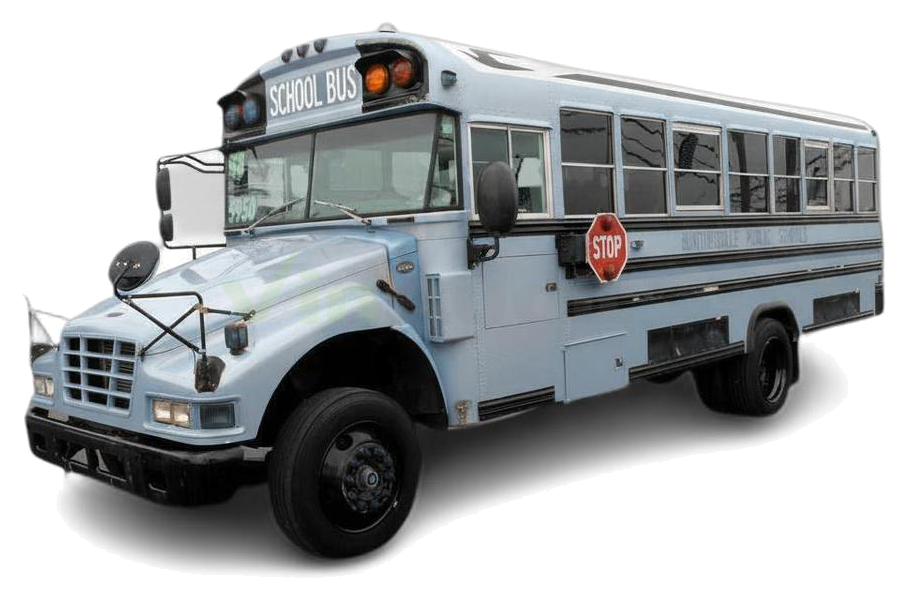
The Good
The 2006 Blue Bird Vision excels in reliability and durability, offering peace of mind for operators and a safe environment for students. Its practical design prioritizes functionality and cost-effectiveness, appealing to budget-conscious districts. The sturdy build assures long-term service, while the focus on student safety provides emotional reassurance.
The Bad
Potential weaknesses for the 2006 Blue Bird Vision can include aging components like the drivetrain, exhaust systems, and potential for rust on the body, especially in harsh climates. Electrical issues and wear-and-tear on the interior seating and flooring are also common with age. Regular, thorough inspections are crucial.
2006 Blue Bird Vision: Quick Overview
- Engine Options: The 2006 Blue Bird Vision was typically equipped with robust diesel engines known for their longevity and power. Common options included:
- Cummins ISB Series: Various displacements were available, offering dependable performance for school bus applications.
- International VT Series: Another widely used diesel engine known for its torque and durability in heavy-duty service.
- Optional Gasoline Engines: While less common for fleet use due to fuel efficiency, some models might have been configured with gasoline engines.
- Horsepower: Horsepower ratings varied depending on the specific engine and its configuration, but generally ranged from approximately 170 hp to over 230 hp for diesel engines, providing ample power for laden buses.
- Fuel Economy: Fuel economy for school buses is highly dependent on engine type, load, driving conditions, and route. For the 2006 Blue Bird Vision, expect figures in the range of 6-10 miles per gallon (MPG), with diesel engines generally offering better efficiency under load.
- 0-60 Times: 0-60 mph times are not a primary metric for school buses, as they are designed for stop-and-go operation, not rapid acceleration. However, when loaded, acceleration would be gradual, prioritizing smooth power delivery over speed.
- Towing Capacity: As a school bus designed to carry passengers, towing capacity is not a relevant specification.
- Trim-Level Features: The Blue Bird Vision was built with functionality and safety as paramount. Standard features included:
- Robust, heavy-duty chassis construction.
- High-capacity seating with safety belts (though seat belt mandates varied by year and district).
- Emergency exits (roof hatches, rear and side emergency doors).
- Durable interior materials designed for frequent use and easy cleaning.
- Robust heating and ventilation systems.
- Driver-focused cockpit with clear instrumentation and controls.
- Optional features often included advanced climate control systems, specific audio/visual equipment for educational purposes, and enhanced accessibility features for students with disabilities.
2006 Blue Bird Vision Specifications
Vehicle Information
| Year | 2006 |
| Make | Blue Bird |
| Model | Vision |
| Trim | - |
| Style | - |
| Type | Bus |
| Category | Bus |
Manufacturing Details
| Made In | United States |
| Manufacturing City | FORT VALLEY |
Dimensions
| Doors | - |
| Curb Weight | - |
| Gross Vehicle Weight Rating | 33000 pounds |
| Overall Height | - |
| Overall Length | - |
| Overall Width | - |
| Wheelbase Length | - |
| Standard Seating | - |
Engine & Performance
| Engine | 7.2L I6 |
| Engine Size | 7.2L |
| Engine Cylinders | 6 |
| Transmission | - |
| Transmission Type | - |
| Transmission Speeds | - |
| Drivetrain | - |
Additional Features
| Anti-Brake System | - |
| Steering Type | - |
Pricing
| Manufacturer Suggested Retail Price (MSRP) | - |
| Invoice Price | - |
| Delivery Charges | - |
Vehicle History Report
Specifications
History
Events
History Check
Check
Check
Check
Check
Listings
Recalls
Check
Analysis
What Problems Does the 2006 Blue Bird Vision Have?
Drivetrain and Engine: Diesel engines, while robust, can experience issues with fuel injectors, turbochargers, and exhaust gas recirculation (EGR) systems over time, especially if maintenance is not consistently performed. Transmission issues, particularly with older automatic transmissions, can arise, leading to slipping or failure to shift properly. Oil leaks from seals and gaskets are also common.
Braking System: Given the heavy loads these buses carry, brake components such as pads, rotors, and calipers are subject to significant wear. Air brake systems, if equipped, require regular inspection and maintenance to prevent leaks and ensure proper functionality. Some owners have reported issues with brake fade or uneven wear.
Electrical System: As the vehicle ages, electrical gremlins can appear. This can include issues with the alternator, starter, battery system, and wiring harnesses. Corroded connections, faulty sensors, and malfunctioning control modules can lead to intermittent problems or complete system failures. Dashboard warning lights may illuminate without apparent cause.
Body and Chassis Rust: In regions with harsh winters and where salt is used on roads, rust can become a significant concern. The undercarriage, wheel wells, and body panels are susceptible to corrosion, which can compromise structural integrity and lead to costly repairs if not addressed promptly. Older Blue Bird Visions might require attention to these areas.
HVAC System: The heating and cooling systems, essential for student comfort, can degrade over time. Compressor failures, refrigerant leaks, and blower motor issues are not uncommon. Some users have noted that the heating system may not be as robust as desired in extremely cold climates.
Interior Wear: The constant use of a school bus leads to wear and tear on the interior. This includes torn or worn seat upholstery, cracked dashboards, and scuffed flooring. While not mechanical, these can affect the overall appearance and comfort.
Recalls: Specific recalls for the 2006 model year would need to be checked against the National Highway Traffic Safety Administration (NHTSA) database. However, school buses in general, across various manufacturers, can be subject to recalls related to seat belt assemblies, emergency exits, braking systems, or structural integrity. It is always advisable to verify any outstanding recalls for a specific vehicle identification number (VIN).
Long-term reliability is generally good if a consistent and thorough maintenance schedule is followed. However, owners should be prepared for the possibility of component failures and the associated repair costs typical of a vehicle of this age and utility.
How long will the 2006 Blue Bird Vision last?
What Technology & Safety Features are Included?
Driver-assistance features were also very basic. The primary focus was on providing clear visibility and simple, intuitive controls for the driver. Features like power steering, power brakes (often air brakes on larger models), and well-placed mirrors were standard to aid in safe operation. Advanced driver-assistance systems (ADAS) such as lane departure warning, adaptive cruise control, or blind-spot monitoring were not available on this model year.
Safety was, and remains, a core tenet of Blue Bird buses. Standard safety features for the 2006 Vision include:
- Robust Body Construction: Engineered to withstand significant impact.
- High-Strength Steel Frame: Provides a strong foundation for passenger protection.
- Emergency Exits: Multiple escape routes, including roof hatches, rear emergency doors, and side emergency windows, are standard.
- Interior Safety Features: Padded seat tops and backs, designed to absorb impact in the event of a sudden stop or collision.
- Stair Grab Handles: For safe entry and exit.
- Flashing Warning Lights and Stop Arms: Essential for signaling to traffic during student pick-up and drop-off.
Optional safety and functional features could include enhanced lighting packages for better visibility, more sophisticated climate control systems, and specialized accessibility equipment for students with disabilities, such as wheelchair lifts.
Crash-test ratings are not typically published for school buses in the same way they are for passenger vehicles. However, school buses, in general, are designed with passive safety as a priority. Their large mass and robust construction mean they tend to perform well in collisions with smaller vehicles. Regulations governing school bus construction are stringent, emphasizing occupant protection through the bus's inherent structural integrity and interior design, rather than through deformable structures or complex electronic systems common in cars.
What Colors Options are Available?
2006 Blue Bird Vision Prices and Market Value
Currently, the used market prices for a 2006 Blue Bird Vision can vary widely, from as low as $3,000 to $15,000 or more. Factors heavily influencing resale value include the total mileage, the condition of the engine and transmission, the presence of rust, the overall state of the interior, and whether the vehicle has been regularly serviced. Buses with lower mileage and in excellent mechanical and cosmetic condition will command higher prices. Demand from smaller school districts, private organizations, church groups, or individuals looking for a robust, customizable platform can also influence pricing.
2006 Blue Bird Vision Cost of Ownership
2006 Blue Bird Vision Fuel Efficiency
2006 Blue Bird Vision Recalls & Defects
Electrical System
Electrical System
Electrical System:12v/24v/48v Battery:cables
Electrical System:12v/24v/48v Battery:cables
Seats:barriers
Parking Brake
Other:school Bus Stop ARM Assembly
Service Brakes, Hydraulic:brake Fluid Low Warning: Lamp
Other:school Bus Stop ARM Assembly
Electrical System:12v/24v/48v Battery
Seats
Electrical System:12v/24v/48v Battery:cables
Equipment Adaptive/Mobility
Service Brakes, Air:supply:check Valve
Structure:body:roof and Pillars
Service Brakes, Hydraulic
Seats
2006 Blue Bird Vision Warranty
Basic
Powertrain
Rust
2006 Blue Bird Vision Insurance
reasonable repair costs.
How Does the 2006 Blue Bird Vision Compare to Other Bus?
Performance: All these buses are powered by robust diesel engines, typically from Cummins or International. Performance is generally comparable, focusing on torque and reliability for heavy loads rather than speed. The Blue Bird Vision holds its own, offering dependable power for its intended purpose.
Features: Features across these models in 2006 were largely dictated by school district specifications and regulatory requirements. Safety features like emergency exits, robust seating, and warning systems were standard. Comfort and driver amenities were basic. The Vision offered a functional and safe interior, comparable to its peers, with options that could be customized.
Reliability: Blue Bird has a long-standing reputation for building durable school buses. The Vision is known for its robust chassis and body construction, contributing to excellent long-term reliability when properly maintained. Competitors like Thomas Built Buses and IC Corporation buses also boast strong reliability records, often built with similar heavy-duty components.
Price: When new, prices were competitive, often negotiated based on fleet size and options. In the used market, the 2006 Blue Bird Vision often presents excellent value. It can sometimes be found at a slightly lower price point than comparable models from Thomas or IC, especially if mileage is a factor, while offering similar longevity.
Alternatives:
- Thomas Built Saf-T-Liner: Another highly reputable option, often praised for its robust build and driver ergonomics. It's a very similar direct competitor.
- IC Corporation CE Series: Known for its strong chassis and powertrain integration, also a very capable and reliable alternative.
- Freightliner FS65: While sometimes found, Freightliner buses have a slightly different reputation, often perceived as more automotive-like in some aspects, though still built for heavy duty.
For those seeking a reliable, no-frills school bus in the used market, the 2006 Blue Bird Vision remains a compelling choice. Its value proposition often lies in its proven durability and potentially more accessible price point compared to some rivals, without significant compromises in core performance or safety features. If slight advancements in driver comfort or specific powertrain preferences are paramount, exploring similar year models from Thomas or IC would be worthwhile, but the Vision is an equally strong contender.
Final Verdict: Is the 2006 Blue Bird Vision a Good Bus?

Simon A
Simon is a contributor to VinCheck, where he provides articles and reviews on various automotive topics. His work focuses on delivering accurate and up-to-date information about used cars, helping readers make informed decisions.