
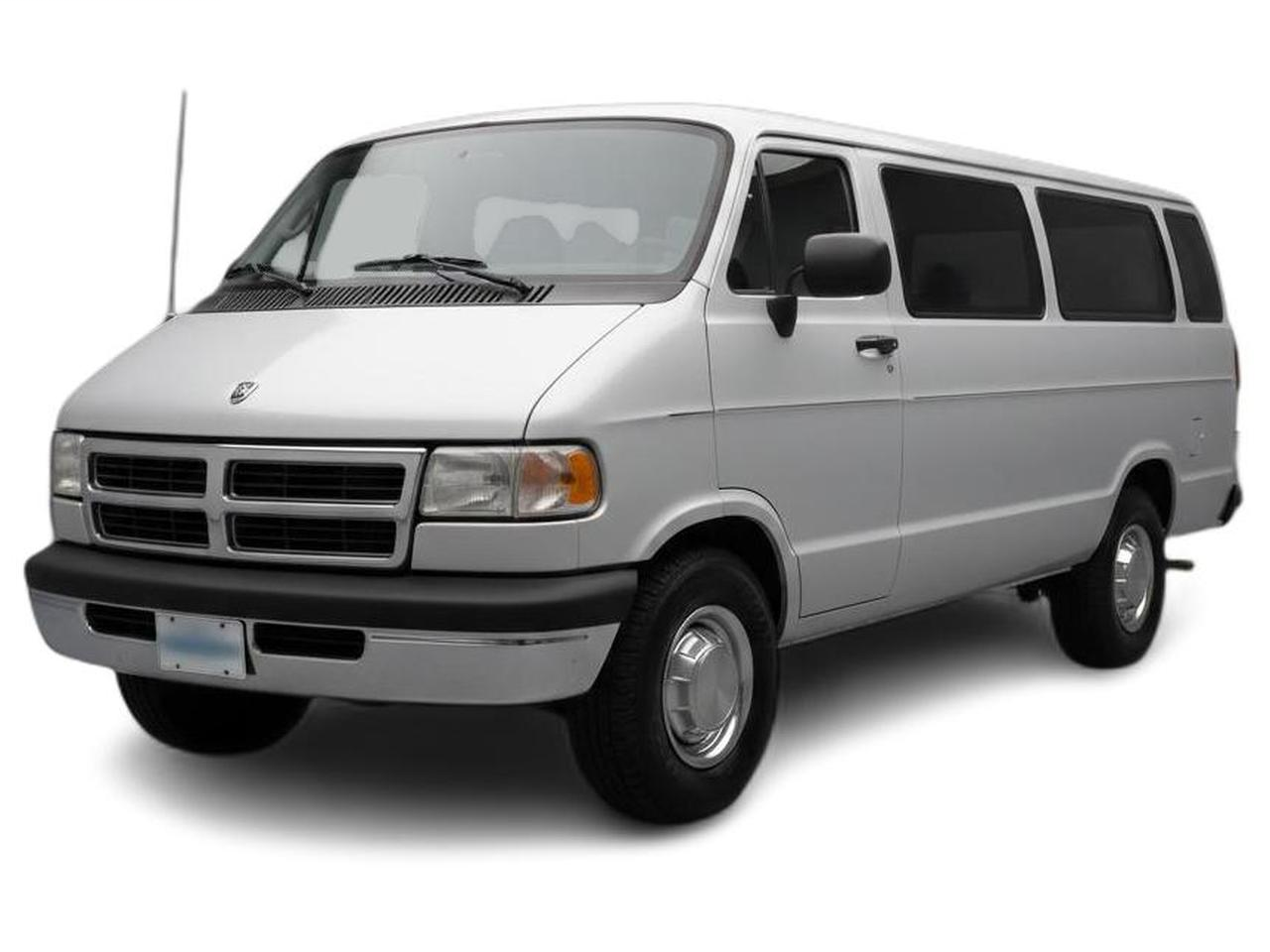
The Good
The 1997 Dodge Ram Wagon boasts strong performance from its available V8 engines and a reputation for solid reliability, making it a practical choice. Its spacious interior offers comfort for passengers, while its bold, truck-inspired design evokes a sense of capability. This combination provides excellent value, appealing to both the heart and the wallet.
The Bad
When considering a 1997 Dodge Ram Wagon, potential buyers should watch out for common issues like transmission problems, especially with the automatic transmissions. Rust, particularly in the rocker panels and wheel wells, can be a significant concern. Electrical gremlins and aging interior components are also frequently reported. Fuel economy is another area where it lags.
1997 Dodge Ram Wagon: Quick Overview
- Engine Options: The 1997 Dodge Ram Wagon was offered with a range of robust gasoline engines.
- 3.9L Magnum V6: The base engine, providing adequate power for everyday use.
- 5.2L Magnum V8: A popular choice offering a good balance of power and torque.
- 5.9L Magnum V8: The largest and most powerful option, ideal for heavier loads and towing.
- Horsepower:
- 3.9L V6: Approximately 175 horsepower.
- 5.2L V8: Approximately 220 horsepower.
- 5.9L V8: Approximately 245 horsepower.
- Fuel Economy: Given its size and engine options, fuel economy was not a strong suit. Expect estimates in the range of 12-15 MPG city and 16-19 MPG highway, depending heavily on the engine and driving conditions.
- 0-60 Times: These were not a primary focus for this type of vehicle, but V8 models would likely achieve 0-60 MPH in the 8-10 second range, while the V6 would be closer to 10-12 seconds.
- Towing Capacity: The Ram Wagon was capable of towing. Properly equipped models could tow upwards of 6,000 to 8,000 pounds, depending on the engine, drivetrain, and optional towing packages.
- Trim-Level Features:
- Base Model: Typically included essential features like power steering, power brakes, and basic interior amenities.
- SE Trim: Offered upgrades such as air conditioning, upgraded upholstery, power windows and locks (depending on specific configuration), and a better stereo system. Passenger versions would also feature more comfortable seating arrangements and amenities for multiple occupants.
- Optional Features: Could include roof racks, upgraded audio systems, cruise control, and various interior configurations for seating and cargo.
1997 Dodge Ram Wagon Specifications
Vehicle Information
| Year | 1997 |
| Make | Dodge |
| Model | Ram Wagon |
| Trim | - |
| Style | - |
| Type | Van |
| Category | Passenger Van |
Manufacturing Details
| Made In | Canada |
| Manufacturing City | WINDSOR |
Dimensions
| Doors | 3-Door |
| Curb Weight | 4790 pounds |
| Gross Vehicle Weight Rating | 6400 pounds |
| Overall Height | - |
| Overall Length | - |
| Overall Width | - |
| Wheelbase Length | - |
| Standard Seating | - |
Engine & Performance
| Engine | 5.2 8 |
| Engine Size | 5.2L |
| Engine Cylinders | 8 |
| Transmission | - |
| Transmission Type | Automatic |
| Transmission Speeds | - |
| Drivetrain | Rear-Wheel Drive |
Additional Features
| Anti-Brake System | - |
| Steering Type | - |
Pricing
| Manufacturer Suggested Retail Price (MSRP) | - |
| Invoice Price | - |
| Delivery Charges | - |
Vehicle History Report
Specifications
History
Events
History Check
Check
Check
Check
Check
Listings
Recalls
Check
Analysis
What Problems Does the 1997 Dodge Ram Wagon Have?
Rust is another significant concern, especially for vehicles that have lived in areas with harsh winters or high humidity. The rocker panels, rear wheel arches, and the areas around the door hinges are particularly susceptible. Early signs of rust can be minor, but without prompt attention, it can compromise the structural integrity of the vehicle.
Electrical gremlins are also not uncommon. Issues can range from malfunctioning power windows and locks to intermittent dashboard warning lights or problems with the infotainment system if equipped. For a 1997 model, this can be attributed to the aging of wiring harnesses and electrical components.
The cooling system can also be a weak point, with reports of radiator leaks and water pump failures. Given the age of the vehicle, hoses and other cooling system components may degrade over time.
In terms of recalls, it's crucial to check the National Highway Traffic Safety Administration (NHTSA) website for any outstanding recalls specific to the 1997 Ram Wagon. While there may not be widespread, model-defining recalls for this particular year, individual vehicle histories should always be verified. Long-term reliability is often dependent on how well the vehicle has been maintained. Those that have received regular oil changes, transmission fluid flushes, and proactive maintenance are generally more reliable. However, the inherent weaknesses in the transmission and the susceptibility to rust can impact long-term durability if not addressed.
How long will the 1997 Dodge Ram Wagon last?
What Technology & Safety Features are Included?
Driver-assistance features were rudimentary by today's standards. Power steering and power brakes were standard, providing a more comfortable driving experience compared to older, heavier vehicles. Cruise control was a common optional feature, especially on SE trims, aiding highway driving. Anti-lock braking system (ABS) was often available as an option or standard on certain configurations, enhancing braking safety.
Safety features for the 1997 Ram Wagon included airbags for the driver and front passenger, designed to deploy in a frontal collision. Seatbelts were, of course, standard. Side-impact protection was less sophisticated than in modern vehicles, relying on the sturdy construction of the van's frame.
Crash-test ratings for vehicles of this era are less comprehensive and readily available than for current models. However, full-size vans of this generation generally offered good occupant protection due to their substantial mass and robust construction. Specific ratings from organizations like the NHTSA or IIHS for the 1997 Ram Wagon are scarce, but it was built to meet the safety standards of its time. Optional features could include things like rear-seat climate control for enhanced passenger comfort, and various seating configurations for maximizing passenger or cargo space, reflecting its versatility.
What Colors Options are Available?
1997 Dodge Ram Wagon Prices and Market Value
Current used market prices for a 1997 Dodge Ram Wagon can vary wildly, from as little as $1,000-$2,000 for vehicles needing significant work, to $5,000-$8,000 or more for well-maintained, low-mileage examples, particularly desirable passenger trims. Factors heavily influencing resale value include the presence of rust, the condition of the transmission, overall mechanical health, and the extent of recent maintenance. Lower mileage and a documented service history will significantly boost its appeal and price.
1997 Dodge Ram Wagon Cost of Ownership
1997 Dodge Ram Wagon Fuel Efficiency
1997 Dodge Ram Wagon Safety Rating
NHTSA
IIHS
1997 Dodge Ram Wagon Insurance
reasonable repair costs.
How Does the 1997 Dodge Ram Wagon Compare to Other Van?
Features were comparable across the board for 1997. All offered passenger and cargo configurations, with options for various seating arrangements, basic entertainment systems, and essential comfort features. The Ram Wagon generally offered a rugged, utilitarian feel, appealing to those who prioritized durability.
Reliability is where the Ram Wagon sometimes faced criticism. While the engines were generally robust, the automatic transmissions were a recurring weak point across all manufacturers, though some reported the Dodge transmissions as being more prone to issues than others. Ford and GM vans also had their own sets of known problems.
Price-wise, the Ram Wagon was competitive, often offering a strong value proposition for its capability.
Alternatives:
- Ford Econoline (E-Series): A very strong contender known for its enduring reliability (especially with the Triton V8s) and wide availability of parts. Often considered a safer bet for long-term reliability than the Ram Wagon.
- Chevrolet Express / GMC Savana: These GM twins offered a slightly more refined interior and ride for the era and were also known for strong V8 performance. Transmission reliability could also be a concern, similar to the Dodge.
- Toyota Sienna (minivan): If passenger capacity and reliability are the absolute top priorities, and heavy-duty towing isn't needed, a used Toyota Sienna from this era would offer superior long-term reliability and fuel efficiency, though it's a different class of vehicle.
Final Verdict: Is the 1997 Dodge Ram Wagon a Good Van?
It is worth buying, but with significant caveats. Given its age, purchasing a 1997 Ram Wagon is strictly a used-vehicle proposition. Buyers must meticulously inspect for rust and have a mechanic thoroughly check the transmission. Specific trims like the SE passenger version offer more comfort and amenities for families or shuttle services. A meticulously maintained example with documented service history, especially for the transmission, will command a higher price but offer a more reliable ownership experience. If these conditions are met, it can still be a cost-effective way to acquire a functional and capable large van.

Eugene S
Eugene is an automotive enthusiast with over 15 years of experience in the used car market. As a writer at VINCheck.info, he brings deep industry insight and a passion for cars, helping readers make smart, informed decisions. Eugene has written hundreds of used car reviews and is known for breaking down complex automotive topics into clear, actionable advice. Over the years, he has driven and worked on a wide range of vehicles—starting with tuning street cars in his early days and eventually focusing on performance upgrades and reliability improvements. Today, he specializes in evaluating used vehicles through the lens of real-world ownership and enthusiast needs. A longtime fan of Porsche, Eugene especially appreciates vehicles that blend durability with driving enjoyment.