
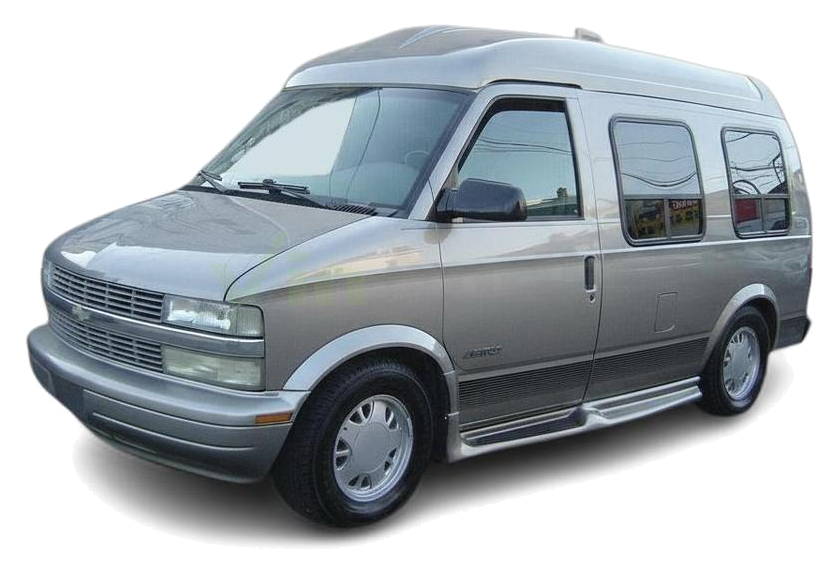
The 2002 Chevrolet Astro is a rear-wheel-drive or all-wheel-drive van produced from 1985 to 2005. Known for its robust construction and truck-like capabilities, it offered exceptional utility. The 2002 model year falls within its later production run, characterized by a capable V6 engine and a durable, utilitarian design. Key trims often included the base and the more feature-rich LT. Its popularity stemmed from its ability to haul cargo and passengers with ease, making it a favorite for tradespeople and families alike seeking practicality over luxury.
The Good
The 2002 Chevrolet Astro boasts strong V6 performance and legendary reliability, offering a secure and comfortable ride. Its straightforward design emphasizes practicality and durability. For value-conscious buyers, its robust build ensures long-term utility, while for those seeking peace of mind, its proven engineering provides a dependable driving experience.
The Bad
When considering a 2002 Chevrolet Astro, potential buyers should watch out for issues like aging transmission components, potential for rust on the undercarriage and wheel wells, and the possibility of interior wear and tear due to its utilitarian nature. Fuel economy is also a notable consideration.
2002 Chevrolet Astro: Quick Overview
- Engine Options:
- 4.3L V6 (Standard)
- Horsepower: 165 hp @ 4,200 rpm for the 4.3L V6.
- Fuel Economy: Approximately 15 mpg city / 19 mpg highway (RWD) and 14 mpg city / 18 mpg highway (AWD). These figures can vary slightly depending on driving conditions and maintenance.
- 0-60 Times: Estimated around 9-10 seconds, which is respectable for a vehicle of its size and class.
- Towing Capacity: When properly equipped, the 2002 Chevrolet Astro could tow up to 6,500 pounds, making it quite capable for its segment.
- Trim-Level Features:
- Base Trim: Typically included essential features like power steering, power brakes, AM/FM stereo, air conditioning, and durable interior materials. Focus was on functionality.
- LT Trim: This higher trim level offered more creature comforts and convenience features. These often included upgraded cloth seating, power windows and locks, cruise control, a tilt steering wheel, a rear-seat entertainment system (optional on some models), and sometimes alloy wheels. The LT trim aimed to provide a more comfortable experience for passengers, especially on longer journeys.
2002 Chevrolet Astro Specifications
Vehicle Information
| Year | 2002 |
| Make | Chevrolet |
| Model | Astro |
| Trim | - |
| Style | Cargo Van All-Wheel Drive |
| Type | Van |
| Category | Cargo Van |
Manufacturing Details
| Made In | United States |
| Manufacturing City | BALTIMORE/LANSING (CRAFT CENTER) |
Dimensions
| Doors | 3-Door |
| Curb Weight | 4052 pounds |
| Gross Vehicle Weight Rating | 5850 pounds |
| Overall Height | 75.00 inches |
| Overall Length | 189.80 inches |
| Overall Width | 77.50 inches |
| Wheelbase Length | 111.20 inches |
| Standard Seating | 2 |
Engine & Performance
| Engine | 4.3-L V-6 OHV 12V |
| Engine Size | 4.3L |
| Engine Cylinders | 6 |
| Transmission | 4-Speed Automatic |
| Transmission Type | Automatic |
| Transmission Speeds | 4-Speed |
| Drivetrain | All-Wheel Drive |
Additional Features
| Anti-Brake System | 4-Wheel ABS |
| Steering Type | Recirculating |
Pricing
| Manufacturer Suggested Retail Price (MSRP) | $23,672 |
| Invoice Price | $21,423 |
| Delivery Charges | $680 |
Vehicle History Report
Vehicle
Specifications
Specifications
Ownership
History
History
All History
Events
Events
NMVTIS Title
History Check
History Check
Salvage/Rebuilt
Check
Check
Accident
Check
Check
Theft
Check
Check
Open Lien
Check
Check
Past Sale
Listings
Listings
Safety
Recalls
Recalls
Odometer
Check
Check
Market Price
Analysis
Analysis
What Problems Does the 2002 Chevrolet Astro Have?
The 2002 Chevrolet Astro, while generally robust, has some commonly reported issues that owners should be aware of. One significant area of concern often involves the transmission, particularly the 4L60-E automatic transmission. Issues can include slipping gears, delayed engagement, and potential failure over time, especially if not maintained properly. Regular fluid changes are crucial. Another frequent topic is the potential for rust, especially in areas with harsh winters and road salt. The rear wheel wells, rocker panels, and undercarriage are prime spots to inspect. Electrical gremlins can also crop up, including issues with power windows, door locks, and the instrument cluster, though these are often minor and fixable. Some owners have reported problems with the catalytic converter and exhaust system due to age and exposure. Regarding recalls, specific to the 2002 model year, there might be recalls related to airbags or other safety systems, so it's always advisable to check with the National Highway Traffic Safety Administration (NHTSA) for any outstanding campaigns. Long-term reliability is generally considered good if the vehicle has been consistently maintained. The 4.3L V6 engine is known for its durability. However, as with any vehicle approaching two decades old, component wear is inevitable. Addressing minor issues promptly can prevent them from escalating into major, costly repairs. For the 2002 model, focus on the transmission, rust, and general wear and tear of components like suspension and brakes.
How long will the 2002 Chevrolet Astro last?
Based on owner data and maintenance records, the 2002 Chevrolet Astro is capable of achieving significant mileage, often exceeding 200,000 miles with consistent care. Many owners report the truck-like chassis and durable 4.3L V6 engine as key to its longevity. However, its long-term durability is directly tied to maintenance habits. Neglected transmission fluid changes, for instance, can significantly shorten its lifespan. Weaknesses that tend to emerge over time include rust susceptibility, especially in rust-belt regions, and wear on suspension components. The transmission, while generally reliable, can be a point of failure if not serviced diligently. With proper and regular maintenance, the 2002 Astro can serve reliably for many years and hundreds of thousands of miles, proving itself a workhorse vehicle.
What Technology & Safety Features are Included?
The 2002 Chevrolet Astro offered a practical approach to technology and safety, focusing more on functionality than cutting-edge features. Standard tech was relatively basic, often including an AM/FM radio with an auxiliary input. Higher trims like the LT could be equipped with an optional CD player, and in some cases, a rear-seat entertainment system with a small screen and headphones, a feature uncommon in vans of this era. For driver assistance, the 2002 Astro was quite basic, lacking modern systems like rearview cameras or parking sensors. Features were limited to power steering and power brakes. On the safety front, standard equipment included front airbags for the driver and passenger. Anti-lock brakes (ABS) were also standard on all models for 2002, providing enhanced braking control. Traction control was available as an option, particularly on AWD models, which could be beneficial in slippery conditions. Remote keyless entry was also an available option on higher trims. Crash-test ratings for the 2002 Chevrolet Astro are available from the NHTSA. While specific ratings for the 2002 model year might vary slightly, earlier models received generally decent, though not stellar, ratings for their time. For example, frontal crash tests often yielded 4 out of 5 stars for the driver and passenger. Side-impact ratings were generally good. It's important to note that these ratings reflect the safety standards and testing procedures of the early 2000s, which differ significantly from today's more rigorous tests. Overall, the 2002 Astro provided essential safety features for its era, with a focus on structural integrity and basic driver aids.
What Colors Options are Available?
2002 Chevrolet Astro Prices and Market Value
When new, the 2002 Chevrolet Astro had an original MSRP that typically ranged from approximately $20,000 to $27,000, depending on the trim level and options. Today, the used market prices for a 2002 Chevrolet Astro are generally quite affordable, often falling between $3,000 and $7,000, with mileage, condition, and trim being the primary determinants. Depreciation on the Astro was significant in its early years, as is typical for vans and utility vehicles. However, its resale value has stabilized considerably over time due to its reputation for durability and utility. Factors affecting its current resale value include rust, transmission condition, overall mechanical health, and whether it has been used as a work van or a family vehicle. Well-maintained, lower-mileage examples, especially in sought-after AWD configurations or well-equipped LT trims, can command a slightly higher price.
2002 Chevrolet Astro Cost of Ownership
Ownership costs for the 2002 Chevrolet Astro are generally considered moderate. Insurance premiums are typically reasonable due to its age and market segment. Fuel costs are a significant factor, with its V6 engine and AWD option leading to average to below-average fuel economy. Routine maintenance, such as oil changes and tire rotations, is standard. However, repairs on older vehicles can be unpredictable. Common issues like transmission problems or rust repair can lead to higher repair bills. Overall, the Astro is neither exceptionally economical nor prohibitively costly to own. Its reliability can offset some repair costs, but owners should budget for potential maintenance and repairs associated with an aging vehicle, especially concerning fuel consumption.
2002 Chevrolet Astro Fuel Efficiency
Fuel Type
Gasoline
Fuel Capacity
27.00 gallons
City Mileage
15 miles/gallon
Highway Mileage
20 miles/gallon
2002 Chevrolet Astro Safety Rating
NHTSA
IIHS
2002 Chevrolet Astro Warranty
Basic
Original warranty
36 months / 36,000 miles
Estimated remaining
Expired
Powertrain
Original warranty
36 months / 36,000 miles
Estimated remaining
Expired
Rust
Original warranty
72 months / 100,000 miles
Estimated remaining
Expired
2002 Chevrolet Astro Insurance
Insurance for a 2002 Chevrolet Astro is moderately priced, reflecting its status as a Van with strong safety ratings and
reasonable repair costs.
How Does the 2002 Chevrolet Astro Compare to Other Van?
The 2002 Chevrolet Astro competed in the full-size van segment, primarily against rivals like the Ford Econoline and the GMC Safari (which shared its platform). In terms of performance, the Astro's 4.3L V6 engine offered decent power for its class, comparable to the base engines in the Econoline, though some Econoline configurations could be optioned with more potent V8s. Reliability is where the Astro often shines, with many owners praising its long-term durability, particularly the engine and drivetrain, when properly maintained. This often surpassed the perceived reliability of some competitors, though both the Astro and Safari were known for potential transmission issues as they aged. Features were where the Astro leaned towards utility. While it offered a comfortable ride and optional AWD, competitors like the Econoline could sometimes be had with more advanced features or luxury-oriented trims. However, the Astro's design was praised for its maneuverability for its size. Price-wise, the Astro was generally competitive, offering good value for its capability.
Alternatives:
For buyers prioritizing robust reliability and manageable size, the Astro or its sibling, the Safari, remain strong contenders. If outright towing power is paramount, the Ford Econoline with a V8 might be a better fit. The Astro often represented a sweet spot for those needing a capable, durable van without the largest footprint or highest price tag.
Alternatives:
- GMC Safari: This is essentially the twin of the Chevrolet Astro, offering identical performance, reliability, and features, with minor cosmetic differences. It's a very similar alternative.
- Ford Econoline (E-Series): The Econoline offered a wider range of engine options, including V8s, providing more powerful towing and hauling capabilities. It also had a longer production run, meaning more availability on the used market. However, some may find its ride less refined than the Astro's.
- Dodge Ram Van: The Ram Van was another competitor, known for its distinctive styling and available V8 engines. Reliability could be more variable compared to the Astro.
For buyers prioritizing robust reliability and manageable size, the Astro or its sibling, the Safari, remain strong contenders. If outright towing power is paramount, the Ford Econoline with a V8 might be a better fit. The Astro often represented a sweet spot for those needing a capable, durable van without the largest footprint or highest price tag.
Final Verdict: Is the 2002 Chevrolet Astro a Good Van?

The 2002 Chevrolet Astro is ideal for individuals or families who prioritize utility, durability, and all-weather capability over modern amenities and fuel efficiency. It's an excellent choice for tradespeople needing a reliable work van, or for those who frequently transport cargo or multiple passengers and appreciate its robust build. Given its age, buying new is not an option. It is worth buying as a used vehicle, provided it has been well-maintained. Look for examples with a solid maintenance history, especially noting transmission fluid changes. The LT trim offers a more comfortable experience for passengers. AWD models are highly recommended for those living in areas with inclement weather. Buyers should be prepared for average to below-average fuel economy and potential rust issues in certain climates. For its price point on the used market, it offers significant value for its utility and proven longevity.