
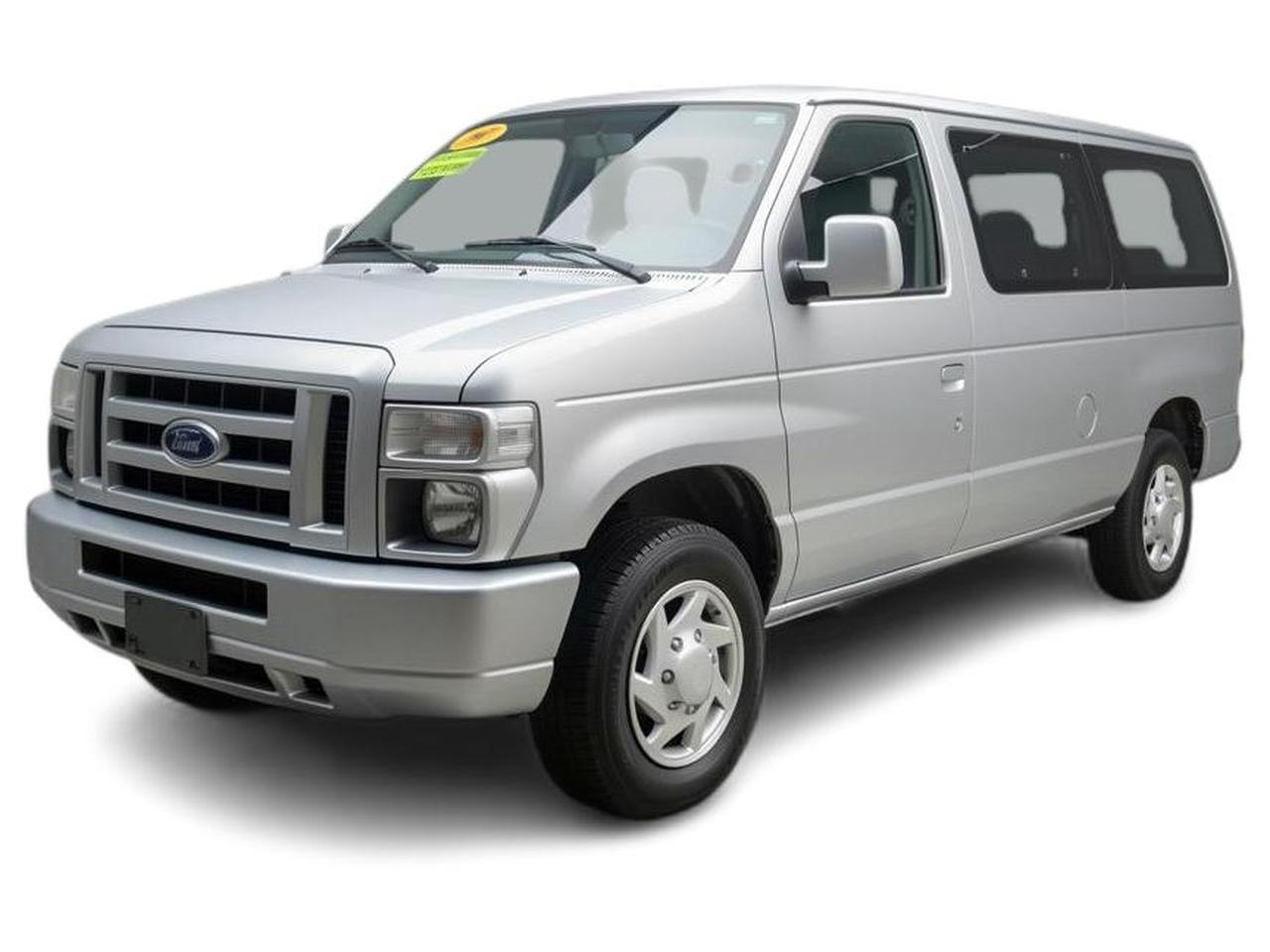
The Good
The 2011 E-Series Wagon boasts robust performance with powerful V8 engine options, legendary Ford reliability, and ample passenger comfort. Its functional design prioritizes space and utility. This van offers exceptional value for those needing to transport many people or significant cargo, providing peace of mind and a sense of security.
The Bad
Potential weaknesses for the 2011 Ford E-Series Wagon include its dated interior design and technology, lower fuel economy compared to modern vehicles, and less refined handling characteristics. Owners should be aware of potential issues with transmission performance and accessory failures over time.
2011 Ford E-Series Wagon: Quick Overview
- Engine Options: The 2011 Ford E-Series Wagon was typically offered with a choice of V8 engines.
- 4.6L Triton V8
- 5.4L Triton V8
- 6.8L Triton V10 (available on heavier duty models like E-350)
- Horsepower: Horsepower varied by engine and configuration.
- 4.6L V8: Approximately 225-240 horsepower
- 5.4L V8: Approximately 255-275 horsepower
- 6.8L V10: Approximately 305 horsepower
- Fuel Economy: Fuel economy was not a strong suit for these large vans, especially with the V8 and V10 engines. Expect figures generally in the range of 10-14 MPG combined, heavily dependent on engine, load, and driving conditions. Specific EPA estimates are not readily available for all configurations.
- 0-60 Times: 0-60 mph times were not a primary focus for the E-Series Wagon. With the larger engines, acceleration would likely be in the 9-12 second range when unladen, but significantly slower when fully loaded or towing.
- Towing Capacity: Towing capacity was a significant strength. Depending on the specific model (E-150, E-250, E-350) and configuration (e.g., axle ratio, payload package), towing capacities could range from around 6,000 lbs to over 10,000 lbs. Proper trailering equipment and load distribution were critical.
- Trim-Level Features:
- XL Trim: Typically served as the base model, offering essential functionality. Features often included vinyl seating, a basic AM/FM stereo, manual windows and locks (power available as options), and a basic instrument cluster.
- XLT Trim: Added more comfort and convenience features. This could include cloth seating, upgraded audio systems, power windows and door locks, cruise control, and potentially a tilt steering wheel. Optional packages could further enhance features for both XL and XLT trims, such as upgraded audio, rear climate control, and enhanced interior trim.
2011 Ford E-Series Wagon Specifications
Vehicle Information
| Year | 2011 |
| Make | Ford |
| Model | E-Series |
| Trim | - |
| Style | 3-Door |
| Type | Minivan |
| Category | Passenger Van |
Manufacturing Details
| Made In | United States |
| Manufacturing City | AVON LAKE |
Dimensions
| Doors | 3-Door |
| Curb Weight | 5757 pounds |
| Gross Vehicle Weight Rating | 8520 pounds |
| Overall Height | 82.10 inches |
| Overall Length | 216.70 inches |
| Overall Width | 79.40 inches |
| Wheelbase Length | 138.00 inches |
| Standard Seating | 8 |
Engine & Performance
| Engine | 5.4L V8 |
| Engine Size | 5.4L |
| Engine Cylinders | 8 |
| Transmission | 4-Speed Automatic |
| Transmission Type | Automatic |
| Transmission Speeds | 4-Speed |
| Drivetrain | Rear-Wheel Drive |
Additional Features
| Anti-Brake System | 4-Wheel ABS |
| Steering Type | Recirculating |
Pricing
| Manufacturer Suggested Retail Price (MSRP) | $28,185 |
| Invoice Price | $26,022 |
| Delivery Charges | $980 |
Vehicle History Report
Specifications
History
Events
History Check
Check
Check
Check
Check
Listings
Recalls
Check
Analysis
What Problems Does the 2011 Ford E-Series Wagon Have?
Another area of concern can be the cooling system. Radiator leaks, faulty water pumps, and thermostat issues have been noted. These can lead to overheating, which can cause more significant engine damage if not addressed promptly. The exhaust system, especially the catalytic converter and muffler, can also experience corrosion or failure over time, particularly in areas with harsh weather conditions or road salt.
Electrical gremlins are not uncommon in older vehicles, and the E-Series Wagon is no exception. This can manifest as issues with power windows, door locks, interior lights, or the infotainment system. Ford has issued recalls for various E-Series models over the years, though specific recalls for the 2011 model year might pertain to individual components or systems rather than widespread design flaws. It's always advisable to check for outstanding recalls with the VIN.
Long-term reliability is often tied to how well these vehicles have been maintained. The V8 and V10 engines are generally strong, but they require diligent oil changes and attention to cooling system health. The chassis and suspension components are also subject to wear and tear, especially if the vehicle has been used for heavy-duty purposes. While the E-Series Wagon is built to last, neglecting routine maintenance is a surefire way to encounter more significant and costly problems.
How long will the 2011 Ford E-Series Wagon last?
What Technology & Safety Features are Included?
Driver-assistance features were minimal. The primary safety systems were focused on passive safety. Standard safety equipment included front airbags for the driver and front passenger. Antilock Braking System (ABS) was also standard, providing crucial stopping power. Traction control and electronic stability control were not widely available or standard on all configurations of the 2011 model, especially on the base XL trims. Rear parking sensors might have been available as an option on some higher trims, but advanced driver aids like lane departure warning or adaptive cruise control were not offered.
Crash-test ratings for the 2011 Ford E-Series Wagon are not as comprehensively documented by modern standards (like NHTSA's 5-star rating system) as they are for passenger cars and newer SUVs. However, the robust body-on-frame construction and standard safety features like airbags and ABS provided a degree of protection. Reviews and historical data suggest it performed adequately for its class and intended purpose. It's important to note that the design predates many of the advanced safety technologies that are now commonplace, so buyers seeking advanced driver-assistance features would need to look at newer models or consider aftermarket solutions.
What Colors Options are Available?
2011 Ford E-Series Wagon Prices and Market Value
2011 Ford E-Series Wagon Cost of Ownership
2011 Ford E-Series Wagon Fuel Efficiency
2011 Ford E-Series Wagon Safety Rating
NHTSA
IIHS
2011 Ford E-Series Wagon Warranty
Basic
Powertrain
Rust
2011 Ford E-Series Wagon Insurance
reasonable repair costs.
How Does the 2011 Ford E-Series Wagon Compare to Other Minivan?
Performance: In terms of raw power, the E-Series Wagon's V8 and optional V10 engines offered strong towing and hauling capabilities, often matching or exceeding the Chevrolet/GMC offerings. However, fuel economy was a drawback across the board for all these vehicles, with the E-Series generally being on the lower end of the spectrum.
Features: The 2011 E-Series Wagon was decidedly utilitarian. Compared to its GM rivals, it offered a similar level of basic features, with both focusing on functionality. The Mercedes Sprinter, however, was in a different league, offering more advanced features, better fuel efficiency (with its diesel engine), and a more car-like interior, albeit at a significantly higher price point.
Reliability: Ford's E-Series has a reputation for robust construction and long-term durability. While the GM twins are also known for reliability, some specific powertrain components might have different failure rates. The E-Series often stood out for its sturdy chassis.
Price: The 2011 E-Series Wagon was typically priced competitively against the Chevrolet Express and GMC Savana, often offering a slightly lower entry price for comparable configurations. The Mercedes Sprinter was substantially more expensive when new and often retained a higher resale value.
Alternatives:
- Similar: Chevrolet Express / GMC Savana (2011 model years): These offer a very similar experience in terms of size, utility, and basic features, often with comparable V8 engines and reliability.
- Alternative (if prioritizing fuel economy and modern tech): While not direct competitors in 2011, if looking for a newer, more fuel-efficient, and feature-rich people-mover, consider models like the Toyota Sienna or Honda Odyssey. These are minivans, offering less extreme towing but significantly better MPG and modern amenities. For commercial or heavy-duty passenger hauling with better efficiency, a newer Mercedes-Benz Sprinter or a Ford Transit (introduced later) would be superior, though likely more expensive.
Final Verdict: Is the 2011 Ford E-Series Wagon a Good Minivan?

Jovan
Jovan specializes in interpreting vehicle records and making sense of VIN data. With over 10 years of experience in the automotive data industry, his work ensures that every report is clear, accurate, and useful for car buyers.