
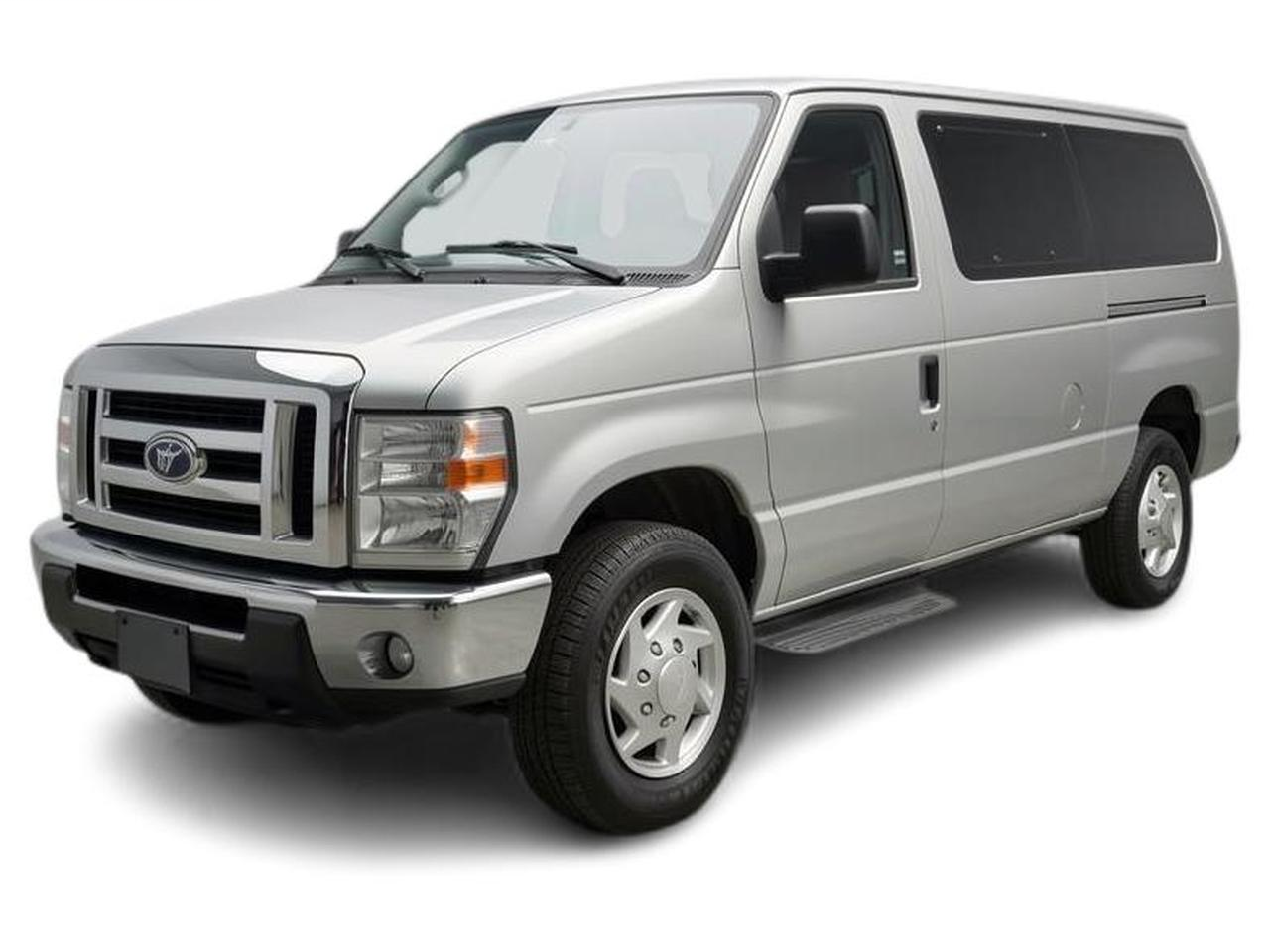
The 2013 Ford E-Series Wagon, a long-standing staple in the full-size van segment, offered robust utility and passenger-carrying capability. Produced for many years, it featured a traditional body-on-frame construction. Key trims typically included the XL and XLT. While exact pricing varied, its popularity stemmed from its sheer practicality, spacious interior, and heavy-duty nature, making it a go-to for families, businesses, and adventurers needing versatile transportation.
The Good
The 2013 E-Series Wagon boasts immense interior space for passengers and cargo, powerful V8 engine options for confident hauling, and a reputation for enduring reliability. Its straightforward, functional design appeals to those prioritizing utility, while its substantial build offers a sense of security and dependable value for the long haul.
The Bad
Potential buyers should be aware of the 2013 E-Series Wagon's dated interior design and technology, its thirsty fuel economy, and less agile handling compared to more modern SUVs. Braking performance can also be a concern, especially when fully loaded.
2013 Ford E-Series Wagon: Quick Overview
- Engine Options: The 2013 Ford E-Series Wagon offered a choice of two gasoline V8 engines.
- Base Engine: A 4.6-liter V8 engine producing approximately 225 horsepower and 286 lb-ft of torque.
- Optional Engine: A larger 5.4-liter V8 engine, delivering around 255 horsepower and 350 lb-ft of torque. Some models might have featured a 6.8-liter V10.
- Transmission: Both engines were paired with a 4-speed automatic transmission.
- Fuel Economy: Fuel economy was not a strong suit. Expect figures in the range of 10-13 MPG city and 13-17 MPG highway, depending on engine and configuration.
- 0-60 Times: Official 0-60 mph times are not widely published for these utilitarian vehicles, but expect them to be in the 9-11 second range for the V8 engines, significantly more when heavily laden.
- Towing Capacity: The E-Series Wagon was capable of towing substantial loads, with capacities often ranging from 6,000 lbs to over 10,000 lbs when properly equipped with the available towing packages, particularly with the larger V8 or V10 engines.
- Trim-Level Features (XL): The base XL trim typically included standard features such as air conditioning, vinyl flooring, manual windows and locks, an AM/FM stereo, and durable cloth or vinyl seating. It was focused on fundamental utility.
- Trim-Level Features (XLT): The XLT trim added more creature comforts and convenience features. This could include power windows, power door locks, cruise control, a tilt steering wheel, upgraded interior trim, and sometimes a better sound system. Optional packages often added more amenities.
- Body Styles: Available in various lengths (e.g., regular and extended wheelbase) to accommodate different passenger and cargo needs.
2013 Ford E-Series Wagon Specifications
Vehicle Information
| Year | 2013 |
| Make | Ford |
| Model | E-Series |
| Trim | - |
| Style | 3-Door |
| Type | Minivan |
| Category | Passenger Van |
Manufacturing Details
| Made In | United States |
| Manufacturing City | AVON LAKE |
Dimensions
| Doors | 3-Door |
| Curb Weight | 5679 pounds |
| Gross Vehicle Weight Rating | 8520 pounds |
| Overall Height | 82.10 inches |
| Overall Length | 216.70 inches |
| Overall Width | 79.40 inches |
| Wheelbase Length | 138.00 inches |
| Standard Seating | 8 |
Engine & Performance
| Engine | 4.6L V8 |
| Engine Size | 4.6L |
| Engine Cylinders | 8 |
| Transmission | 4-Speed Automatic |
| Transmission Type | Automatic |
| Transmission Speeds | 4-Speed |
| Drivetrain | Rear-Wheel Drive |
Additional Features
| Anti-Brake System | 4-Wheel ABS |
| Steering Type | Recirculating |
Pricing
| Manufacturer Suggested Retail Price (MSRP) | $29,455 |
| Invoice Price | $27,173 |
| Delivery Charges | $995 |
Vehicle History Report
Vehicle
Specifications
Specifications
Ownership
History
History
All History
Events
Events
NMVTIS Title
History Check
History Check
Salvage/Rebuilt
Check
Check
Accident
Check
Check
Theft
Check
Check
Open Lien
Check
Check
Past Sale
Listings
Listings
Safety
Recalls
Recalls
Odometer
Check
Check
Market Price
Analysis
Analysis
What Problems Does the 2013 Ford E-Series Wagon Have?
The 2013 Ford E-Series Wagon, while generally considered robust, can exhibit certain common issues. One frequently reported concern relates to the transmission, particularly the 4-speed automatic, which can experience hard shifting, slippage, or complete failure over time, especially if not maintained or if the vehicle is frequently used for heavy towing. Another area to watch is the cooling system; leaks from hoses, radiators, or water pumps are not uncommon as these vehicles age and accumulate mileage. Suspension components, such as ball joints and tie rod ends, can also wear out due to the vehicle's weight and usage, leading to clunking noises or steering looseness.
Electrical gremlins can also surface, with issues like malfunctioning power windows, door locks, or dashboard lights being reported. The fuel pump is another component that has a lifespan and can eventually fail, leaving the vehicle undrivable. For the 2013 model year specifically, while there were no widespread, model-defining issues, general wear and tear on heavier components is expected. Recalls for the 2013 E-Series Wagon have addressed various aspects, including potential issues with the fuel tank strap, airbags, and braking systems. Owners should always check for any outstanding recalls. Long-term reliability is generally good if the E-Series is meticulously maintained, with regular fluid changes and component inspections. However, components like exhaust systems can be prone to rust in certain climates. The drivetrain, particularly the V8 engines, is often considered durable and capable of high mileage if properly cared for, but transmission longevity can be more variable.
How long will the 2013 Ford E-Series Wagon last?
The 2013 Ford E-Series Wagon is renowned for its long-term durability, with many examples exceeding 200,000 miles or lasting 15-20 years of service. With consistent and diligent maintenance, including regular oil changes, transmission fluid flushes, and coolant system checks, these vans can offer a considerable service life. Owners often report them as workhorses that continue to perform well into their second decade. The primary weaknesses that tend to emerge over time are related to wear on suspension components, potential transmission issues if overloaded or poorly maintained, and the eventual need for exhaust system repairs. However, the core engine and chassis are built to last, making them a cost-effective choice for extended ownership if proactive maintenance is performed.
What Technology & Safety Features are Included?
The technology, entertainment, and safety features in the 2013 Ford E-Series Wagon are reflective of its utilitarian design and the era it was produced in. The focus was primarily on functionality rather than cutting-edge infotainment or advanced driver aids. Standard entertainment typically consisted of an AM/FM radio with an auxiliary input jack for portable music devices. Higher trims, like the XLT, might have offered an upgraded stereo system with more speakers, and potentially a CD player. Bluetooth connectivity for hands-free calling or audio streaming was generally not standard and would have been an optional dealer-installed accessory or part of an aftermarket upgrade.
Driver-assistance features were minimal. Basic essentials like power steering were standard, and cruise control was often available on XLT models. Rear parking sensors were a rare option, and rearview cameras were not integrated into the factory system for this model year. Safety features included standard airbags for the driver and front passenger, anti-lock brakes (ABS) for improved stopping control, and a robust frame designed for durability. More advanced safety systems like electronic stability control were not widely available or standard on this model. Crash-test ratings for the E-Series Wagon from this era are not as comprehensive or readily available as they are for modern passenger vehicles, as testing protocols and reporting have evolved significantly. However, its heavy-duty construction generally provided a good level of occupant protection in its class. The emphasis was on passive safety and mechanical systems that ensured a predictable ride and braking performance.
What Colors Options are Available?
2013 Ford E-Series Wagon Prices and Market Value
When new, the 2013 Ford E-Series Wagon had a Manufacturer's Suggested Retail Price (MSRP) that typically started in the low $30,000s for base models and could climb into the mid-$40,000s or higher for well-equipped XLT versions with optional packages. Currently, the used market prices for a 2013 E-Series Wagon vary significantly based on mileage, condition, trim level, and location, generally ranging from $8,000 to $20,000. These vehicles have experienced moderate depreciation, which is typical for large vans. Factors affecting their resale value include their reputation for durability, the presence of utility features like shelving or cargo modifications, and whether they have been well-maintained. Lower mileage examples in excellent condition command higher prices, while those with extensive wear and tear or mechanical issues will be significantly less valuable. Their utilitarian nature means they retain value well for those seeking practical hauling and passenger capacity.
2013 Ford E-Series Wagon Cost of Ownership
Owning a 2013 Ford E-Series Wagon can be moderately costly, particularly concerning fuel consumption. The V8 engines are thirsty, leading to higher gas bills, especially with frequent driving or heavy loads. Insurance costs are generally average to slightly above average for a large vehicle, depending on coverage and driver history. Maintenance is straightforward, but parts for these older, heavier vehicles can sometimes be more expensive than for smaller cars. Repair costs can also escalate if major components like the transmission or engine require attention. Overall, while the initial purchase price might be lower on the used market, the long-term ownership costs are not considered economical due to fuel and potential repair expenses.
2013 Ford E-Series Wagon Fuel Efficiency
Fuel Type
Flex-Fuel
Fuel Capacity
33.00 gallons
City Mileage
12 miles/gallon
Highway Mileage
16 miles/gallon
2013 Ford E-Series Wagon Safety Rating
IIHS
2013 Ford E-Series Wagon Warranty
Basic
Original warranty
36 months / 36,000 miles
Estimated remaining
Expired
Powertrain
Original warranty
60 months / 60,000 miles
Estimated remaining
Expired
Rust
Original warranty
60 months / unlimited miles
Estimated remaining
Expired
2013 Ford E-Series Wagon Insurance
Insurance for a 2013 Ford E-Series Wagon is moderately priced, reflecting its status as a Minivan with strong safety ratings and
reasonable repair costs.
How Does the 2013 Ford E-Series Wagon Compare to Other Minivan?
The 2013 Ford E-Series Wagon competed in a segment primarily dominated by its direct domestic rival, the Chevrolet Express/GMC Savana twins, and to a lesser extent, imported minivans like the Toyota Sienna or Honda Odyssey if passenger comfort was the priority. In terms of performance, the E-Series offered robust V8 powerplants, often with more torque than base engines found in some rivals, making it suitable for towing and hauling. However, its handling was truck-like, lacking the car-like refinement of modern minivans.
Features in the 2013 E-Series were decidedly basic compared to passenger-focused minivans. While it offered functionality and space, it lacked the advanced infotainment, driver-assistance technologies, and plush interior appointments found in competitors like the Sienna or Odyssey. Reliability is a mixed bag; the E-Series is known for its durable drivetrain, but its age means potential for wear-and-tear issues, especially in transmissions and suspension. The Chevy Express/GMC Savana offered a very similar utilitarian experience, often at a comparable price point, and shared many of the same strengths and weaknesses.
For buyers prioritizing passenger comfort, fuel efficiency, and modern technology, a used Toyota Sienna or Honda Odyssey from the same era would be superior alternatives, offering a more refined driving experience and a wealth of comfort features, though with less robust towing capacity. If raw utility, towing, and a no-frills approach are paramount, the E-Series remains a viable choice, but one should also consider the Chevrolet Express/GMC Savana as a direct competitor. For those seeking a more modern, integrated experience in a large van, newer models or even SUVs with significant cargo space might be considered, but at a significantly higher price point.
Features in the 2013 E-Series were decidedly basic compared to passenger-focused minivans. While it offered functionality and space, it lacked the advanced infotainment, driver-assistance technologies, and plush interior appointments found in competitors like the Sienna or Odyssey. Reliability is a mixed bag; the E-Series is known for its durable drivetrain, but its age means potential for wear-and-tear issues, especially in transmissions and suspension. The Chevy Express/GMC Savana offered a very similar utilitarian experience, often at a comparable price point, and shared many of the same strengths and weaknesses.
For buyers prioritizing passenger comfort, fuel efficiency, and modern technology, a used Toyota Sienna or Honda Odyssey from the same era would be superior alternatives, offering a more refined driving experience and a wealth of comfort features, though with less robust towing capacity. If raw utility, towing, and a no-frills approach are paramount, the E-Series remains a viable choice, but one should also consider the Chevrolet Express/GMC Savana as a direct competitor. For those seeking a more modern, integrated experience in a large van, newer models or even SUVs with significant cargo space might be considered, but at a significantly higher price point.
Final Verdict: Is the 2013 Ford E-Series Wagon a Good Minivan?

The 2013 Ford E-Series Wagon is ideal for individuals or businesses needing a highly functional, no-nonsense vehicle for hauling cargo or transporting a large number of passengers with minimal fuss. It is worth buying for those prioritizing utility, durability, and towing capability over modern amenities and fuel efficiency. It is best purchased used, as new models are no longer produced. Buyers should look for well-maintained examples, ideally with the larger V8 engine for better power delivery, and be prepared for higher fuel costs and basic interior technology. It's a practical choice for tradespeople, large families needing a second vehicle, or anyone requiring robust, versatile transportation without a premium price tag.