
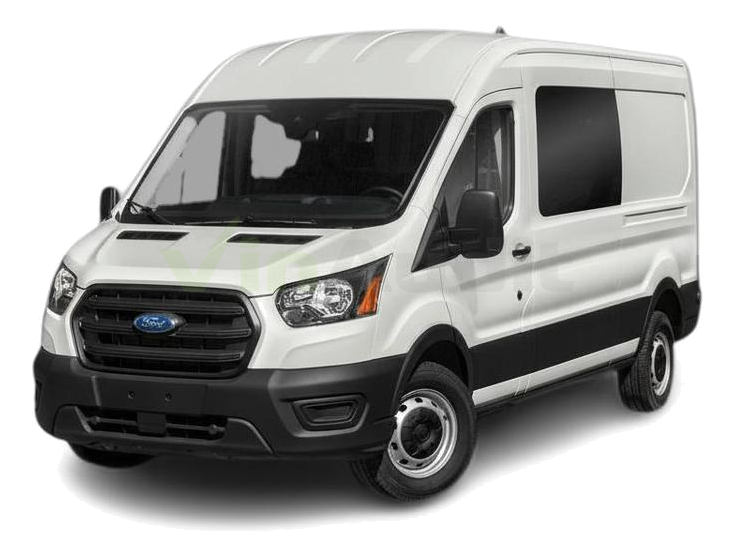
The Good
The 2020 Ford Transit Chassis offers strong performance thanks to its engine options. Its reliability is decent, backed by Ford's commercial vehicle expertise. From a practical standpoint, it's valued for its adaptability and payload capacity. For emotional buyers, it provides a customizable foundation to build their dream vehicle or business solution.
The Bad
Potential weaknesses of the 2020 Ford Transit Chassis include drivetrain issues, especially with early model years. Fuel economy can be poor depending on the engine and upfit. The ride quality of the base chassis is utilitarian. Rust can also be a concern in certain climates. Ensure proper inspection before purchasing.
2020 Ford Transit Chassis: Quick Overview
Key specs for the 2020 Ford Transit Chassis:
Engine Options:
- 3.5L PFDI V6: Standard engine.
- 3.5L EcoBoost V6: Turbocharged for increased power.
- 2.0L EcoBlue Turbo Diesel I4 (later availability).
Horsepower:
- 3.5L PFDI V6: Around 275 hp.
- 3.5L EcoBoost V6: Around 310 hp.
- 2.0L EcoBlue Turbo Diesel I4: Around 185 hp (estimated).
Fuel Economy:
- Varies greatly depending on upfit and engine. Expect lower MPG due to the weight and size. Generally, the V6 gas engines achieve around 14-17 mpg combined, while the diesel may offer slightly better figures.
0-60 Times:
- Not a primary focus for this vehicle. Expect relatively slow acceleration, particularly with heavier upfits. No official figures are available.
Towing Capacity:
- Varies based on configuration and upfit. Can tow substantial weight when properly equipped, often upwards of 5,000 lbs, but this is heavily dependent on the Gross Vehicle Weight Rating (GVWR) and axle ratio.
Trim-Level Features:
- The Transit Chassis is a bare chassis, so trim levels relate to options available before upfitting.
- Base: Basic chassis with standard features like air conditioning, AM/FM radio, power windows and locks.
- Options: Upgrades include:
- Lane Keeping System
- Adaptive Cruise Control
- Blind Spot Information System (BLIS)
- SYNC 3 infotainment system with touchscreen
- Various axle ratios and GVWR configurations
2020 Ford Transit Chassis Specifications
Vehicle Information
| Year | 2020 |
| Make | Ford |
| Model | Transit |
| Trim | - |
| Style | - |
| Type | Van |
| Category | Cargo Van |
Manufacturing Details
| Made In | United States |
| Manufacturing City | KANSAS CITY |
Dimensions
| Doors | - |
| Curb Weight | - |
| Gross Vehicle Weight Rating | 4535.92 kg |
| Overall Height | - |
| Overall Length | - |
| Overall Width | - |
| Wheelbase Length | - |
| Standard Seating | - |
Engine & Performance
| Engine | 3.5L V6 |
| Engine Size | 3.5L |
| Engine Cylinders | 6 |
| Transmission | 6-Speed Automatic |
| Transmission Type | Automatic |
| Transmission Speeds | 6-Speed |
| Drivetrain | All-Wheel Drive |
Additional Features
| Anti-Brake System | - |
| Steering Type | - |
Pricing
| Manufacturer Suggested Retail Price (MSRP) | - |
| Invoice Price | - |
| Delivery Charges | - |
Vehicle History Report
Specifications
History
Events
History Check
Check
Check
Check
Check
Listings
Recalls
Check
Analysis
What Problems Does the 2020 Ford Transit Chassis Have?
Recalls can vary, so checking the NHTSA website with the VIN is essential. Historically, Transit models have seen recalls related to fuel system components, airbags, and electrical issues. Long-term reliability concerns often revolve around rust, especially in areas with road salt.
Model year specific issues: Earlier Transit models (2015-2019) had more prevalent issues with the EcoBoost engine's intercooler design. The 2020 model aimed to address some of these issues, but it's still something to monitor. The diesel engine, if equipped, should be checked for proper maintenance and potential fuel injector problems, which can be costly to repair. Regularly servicing the transmission is crucial to prevent long-term problems. It is important to note that since the chassis is often heavily modified, issues can arise from the upfitting process itself if not done correctly.
How long will the 2020 Ford Transit Chassis last?
What Technology & Safety Features are Included?
Driver-assistance features can include optional Lane Keeping System, Adaptive Cruise Control, and Blind Spot Information System (BLIS) with Cross-Traffic Alert, enhancing safety during highway driving and maneuvering in tight spaces. A rearview camera is also available.
Safety features include standard front airbags, anti-lock brakes (ABS), and electronic stability control. Optional features include side and curtain airbags.
Crash-test ratings for the bare chassis are not typically available as the final safety rating depends heavily on the upfit. However, the underlying Transit platform has generally received acceptable safety ratings in government and independent crash tests for passenger van configurations. It’s crucial to ensure the upfit meets all relevant safety standards and regulations.
The availability of specific tech and safety features is dependent on the original options selected when the chassis was purchased, so verifying the presence of these features is crucial when evaluating a used model.
What Colors Options are Available?
Exterior Colors
Interior Colors
2020 Ford Transit Chassis Prices and Market Value
2020 Ford Transit Chassis Cost of Ownership
2020 Ford Transit Chassis Fuel Efficiency
2020 Ford Transit Chassis Safety Rating
NHTSA
2020 Ford Transit Chassis Warranty
Basic
Powertrain
Rust
2020 Ford Transit Chassis Insurance
reasonable repair costs.
How Does the 2020 Ford Transit Chassis Compare to Other Van?
Reliability is a mixed bag; the Sprinter has a reputation for potentially higher maintenance costs, while the ProMaster can have its own reliability quirks. The Transit generally falls in the middle. Price-wise, the Transit tends to be more affordable than the Sprinter but potentially more expensive than the ProMaster, depending on configuration.
The Nissan NV Chassis is less common and often lacks the same level of features and refinement. Alternatives depend heavily on the intended use. If budget is a primary concern, the Ram ProMaster Chassis can be a viable option. If a more premium experience is desired (and budget allows), the Mercedes-Benz Sprinter Chassis is worth considering. However, for a good balance of performance, features, and price, the Ford Transit Chassis remains a strong contender.
Ranks #86 Truck
| 1 | 2023 Toyota Tundra | (5.0★) |
| 2 | 2022 Honda Ridgeline | (5.0★) |
| 3 | 2023 Ford E-Transit Chassis | (0.0★) |
| 4 | 2020 Mercedes-Benz Sprinter Cab Chassis | (0.0★) |
| 5 | 2024 Chevrolet Silverado 3500HD | (0.0★) |
| 6 | 2023 Hyundai Santa Cruz | (5.0★) |
| 7 | 2023 Nissan Frontier | (5.0★) |
| 8 | 2024 GMC Sierra 2500HD | (0.0★) |
| 9 | 2023 Ram 4500 | (0.0★) |
| 10 | 2022 Jeep Gladiator | (5.0★) |
| 11 | 2012 Suzuki Equator | (0.0★) |
| 12 | 2009 Mitsubishi Raider | (5.0★) |
| 86 | 2020 Ford Transit Chassis | (0.0★) |
Final Verdict: Is the 2020 Ford Transit Chassis a Good Van?

Cathleen V
Cathleen is an exceptional freelance writer covering hot topics in the automotive world from a gearhead's perspective. Her articles delve into various aspects of automotive technology and history, offering readers detailed insights into engine performance, reliability, and maintenance. Through her engaging and informative writing, Cathleen provides valuable information to automotive enthusiasts and consumers alike, helping them make informed decisions about vehicle maintenance and purchases.