
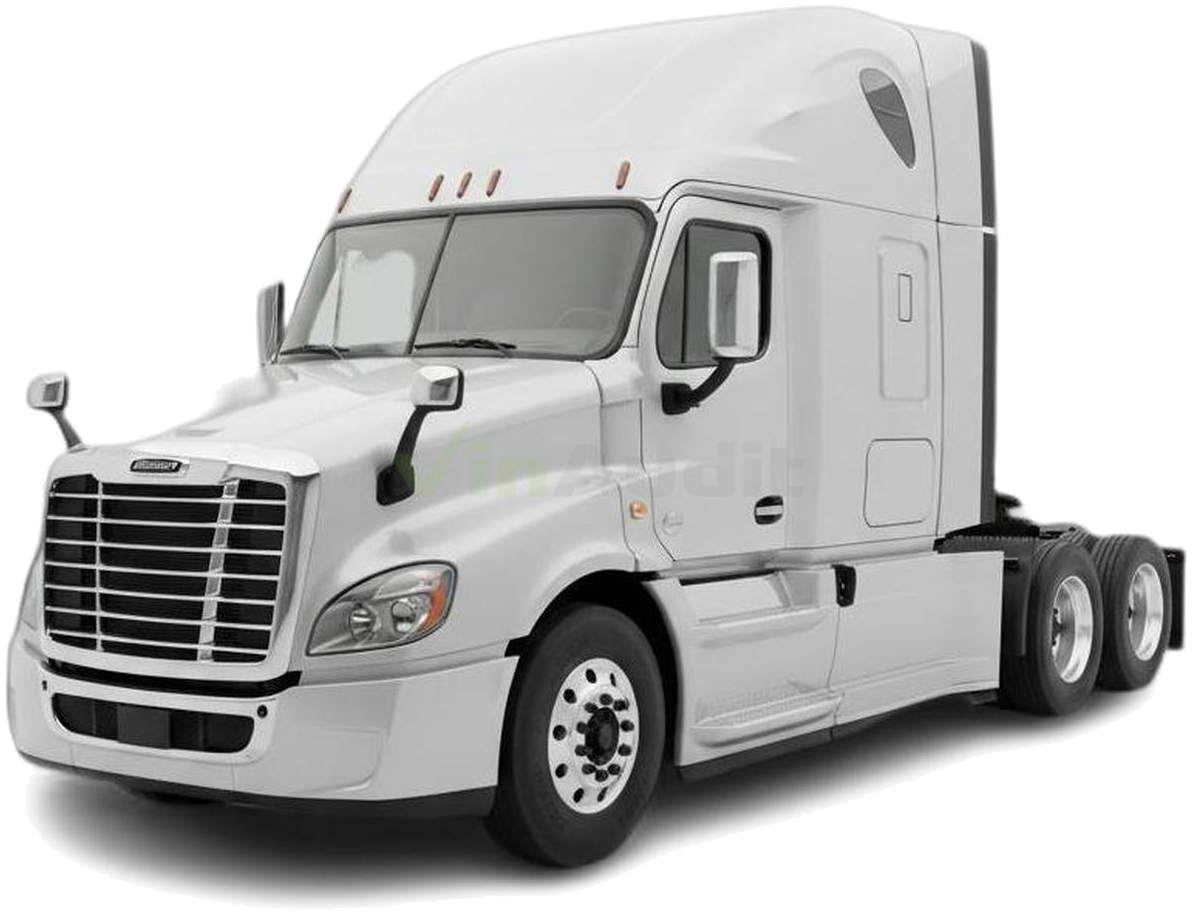
The Good
The 2012 Freightliner B2 Bus Chassis excels in rugged reliability and a powerful, efficient performance, ensuring safe and dependable operation. Its sturdy design inspires confidence, while the spacious cabin offers a comfortable environment for passengers and drivers alike, representing a sound, long-term investment.
The Bad
Potential weaknesses for the 2012 Freightliner B2 Bus Chassis include occasional reports of electrical system gremlins and the inherent maintenance demands of heavy-duty diesel engines. Wear and tear on suspension components under heavy loads are also common considerations.
2012 Freightliner B2 Bus Chassis: Quick Overview
- Engine Options: The 2012 Freightliner B2 Bus Chassis typically offered robust diesel engine choices, primarily from Cummins and Detroit Diesel. The most common options included the Cummins ISB and the Detroit Diesel Series 60 (though the Series 60 might have been phased out or less common in 2012 for this chassis, with newer models like the DD13 becoming prevalent).
- Horsepower: Horsepower ratings varied significantly based on the specific engine model and configuration. For the Cummins ISB variants, expect ranges from approximately 200 hp to 260 hp. Larger displacement engines like the Detroit Diesel Series 60 or potential DD13 could offer upwards of 300 hp to 450 hp, depending on the application and tuning.
- Fuel Economy: Fuel economy for heavy-duty bus chassis is not typically measured by MPG in the same way as passenger cars and is highly dependent on route, load, driving style, and engine specification. However, these diesel engines are optimized for torque and efficiency under load, offering reasonable fuel consumption for their class, often in the range of 5-8 MPG when operating under typical vocational use.
- 0-60 Times: 0-60 mph times are not a relevant metric for this type of vehicle, as they are designed for steady, controlled operation, not rapid acceleration. Their focus is on power for inclines and load-carrying capacity.
- Towing Capacity: The Freightliner B2 Bus Chassis is not designed for towing in the conventional sense. Its purpose is to carry passengers or cargo within its chassis and body limits.
- Trim-Level Features: As a chassis, "trim levels" are not applicable in the traditional automotive sense. Instead, features are determined by the body manufacturer who upfits the chassis. However, the B2 chassis itself offers key structural and foundational features:
- Heavy-duty frame construction for durability and load bearing.
- Robust suspension systems designed for passenger comfort and stability.
- Advanced braking systems (e.g., air brakes) for reliable stopping power.
- Integration points for various body styles (school, transit, shuttle).
- Options for different axle configurations to suit specific needs.
- Provision for various HVAC systems and power take-off (PTO) options depending on the intended use.
- Driver-focused ergonomics in the cab area, though often basic, designed for long hours of operation.
2012 Freightliner B2 Bus Chassis Specifications
Vehicle Information
| Year | 2012 |
| Make | Freightliner |
| Model | B2 Bus Chassis |
| Trim | - |
| Style | - |
| Type | Truck |
| Category | Heavy Truck |
Manufacturing Details
| Made In | United States |
| Manufacturing City | GAFFNEY |
Dimensions
| Doors | - |
| Curb Weight | - |
| Gross Vehicle Weight Rating | - |
| Overall Height | - |
| Overall Length | - |
| Overall Width | - |
| Wheelbase Length | - |
| Standard Seating | - |
Engine & Performance
| Engine | 6.7L I6 |
| Engine Size | 6.7L |
| Engine Cylinders | 6 |
| Transmission | - |
| Transmission Type | - |
| Transmission Speeds | - |
| Drivetrain | Rear-Wheel Drive |
Additional Features
| Anti-Brake System | - |
| Steering Type | - |
Pricing
| Manufacturer Suggested Retail Price (MSRP) | - |
| Invoice Price | - |
| Delivery Charges | - |
Vehicle History Report
Specifications
History
Events
History Check
Check
Check
Check
Check
Listings
Recalls
Check
Analysis
What Problems Does the 2012 Freightliner B2 Bus Chassis Have?
Electrical gremlins are also not uncommon. This can manifest as intermittent dashboard warning lights, issues with the lighting systems, or problems with sensors that monitor various engine and chassis functions. The complex wiring harnesses in commercial vehicles are susceptible to wear and tear, especially with constant vibration and exposure to the elements.
While specific recalls for the 2012 B2 chassis model year can vary, it is always prudent to check the National Highway Traffic Safety Administration (NHTSA) database for any relevant campaigns. Common areas for recalls in commercial vehicles often include braking system components, steering components, or potential defects in fuel or exhaust systems.
In terms of long-term reliability, the durability of the chassis itself is generally high, given its construction. However, components such as the suspension (leaf springs, shock absorbers), wheel bearings, and air brake system will require regular inspection and maintenance due to constant stress from carrying heavy loads and operating on varied road surfaces. The transmission, especially if an automatic, can also be a point of wear and may require rebuilding or replacement after extensive mileage.
It's worth noting that many reported issues are often tied to the specific engine and transmission pairings chosen by the body builder and the maintenance regimen followed by the operator. A well-maintained B2 chassis with a robust engine like a Cummins ISB or a Detroit Diesel can be exceptionally reliable, while those subjected to harsh operating conditions with less-than-ideal maintenance may exhibit more frequent problems.
How long will the 2012 Freightliner B2 Bus Chassis last?
What Technology & Safety Features are Included?
- Braking System: A heavy-duty air brake system is standard, providing powerful and reliable stopping capabilities essential for a vehicle of this size and weight. Anti-lock Braking System (ABS) is usually included to enhance control during emergency stops.
- Visibility: Large, comprehensive mirrors provide excellent all-around visibility for the driver. The overall design prioritizes a commanding view of the road.
- Structural Integrity: The chassis is engineered with a heavy-duty frame designed to withstand significant stress and protect occupants in the event of a collision. Body builders often integrate further safety structures based on the intended application (e.g., reinforced side impact protection for school buses).
- Lighting: A comprehensive exterior lighting system, including headlights, taillights, brake lights, and turn signals, is standard, crucial for signaling intentions on the road.
Driver-assistance features are generally minimal and would be largely dependent on the aftermarket additions or specific choices made by the body manufacturer. Systems like backup cameras or advanced collision avoidance systems were not typically integrated at the chassis level for this model year, though some higher-end shuttle bus conversions might have incorporated them.
Entertainment features are also largely absent from the chassis itself. The sound system would be a basic radio and speaker setup, with more advanced audio or video systems being optional additions by the body builder for specific applications like tour buses or executive shuttles.
Crash-test ratings are not directly applicable to bus chassis in the same way they are for passenger cars. Instead, safety compliance is assessed through rigorous engineering standards and testing protocols specific to commercial vehicles and their intended roles. Freightliner's reputation in the commercial sector suggests a strong emphasis on meeting and exceeding these standards for durability and occupant protection. Optional features would primarily revolve around drivetrain enhancements, auxiliary power, or specific body integration points rather than electronic driver aids or infotainment.
What Colors Options are Available?
2012 Freightliner B2 Bus Chassis Prices and Market Value
On the used market today, prices for a 2012 Freightliner B2 Bus Chassis can vary significantly, often falling between $20,000 and $60,000. This valuation is heavily influenced by mileage, overall condition, maintenance history, the type and quality of the existing body, and any specific features or upgrades.
Depreciation for these robust commercial chassis is generally slower than for light-duty vehicles, particularly for those that have been well-maintained. The resale value is primarily driven by the vehicle's ability to perform its intended vocational duty. A well-documented maintenance history, low hours/mileage for its age, and a body in good condition will significantly boost its appeal and resale value. Conversely, high mileage, evidence of poor maintenance, or a worn-out body will substantially decrease its market worth.
2012 Freightliner B2 Bus Chassis Cost of Ownership
2012 Freightliner B2 Bus Chassis Fuel Efficiency
2012 Freightliner B2 Bus Chassis Warranty
Basic
Powertrain
Rust
2012 Freightliner B2 Bus Chassis Insurance
reasonable repair costs.
How Does the 2012 Freightliner B2 Bus Chassis Compare to Other Truck?
Performance: Freightliner's B2 chassis generally offered strong performance, particularly with its robust diesel engine options, providing ample power for carrying heavy loads and maintaining speed on inclines. International chassis also offered comparable diesel powerplants. GMC/Chevrolet, while offering reliable gasoline and diesel options, often focused more on lighter-duty applications or were less rugged in their heavy-duty configurations compared to Freightliner or International.
Features: In terms of features, the B2 chassis, like its competitors, was more about foundational capability than luxury or advanced tech. Safety features like heavy-duty brakes and structural integrity were standard across the board. Driver comfort and ergonomics were areas where manufacturers sometimes differed, with Freightliner often lauded for its driver-centric designs. Electronic features and advanced driver assists were minimal across all these platforms in 2012.
Reliability: Freightliner has a strong reputation for building durable and reliable commercial vehicles, and the B2 chassis is no exception. Its construction is designed for long service life under demanding conditions. International chassis also possess a good track record for reliability in similar applications. GMC/Chevrolet chassis can be reliable but may have a shorter lifespan in the most demanding vocational uses compared to their heavy-duty truck-based competitors.
Price: Pricing was highly competitive within this segment. The Freightliner B2 often represented a strong value proposition due to its build quality and expected longevity. Specific pricing depended heavily on the engine, transmission, and the specific body manufacturer's upfitting.
Alternatives:
- Similar: The International 3200/3300 chassis is a very comparable alternative, offering similar robustness and engine options.
- Consider Also: For lighter-duty shuttle or more specialized applications, chassis from manufacturers like Ford (e.g., E-Series cutaway chassis) could be considered, though they are generally less robust than the Freightliner B2. For a more transit-focused application, platforms from companies like Gillig or New Flyer (though these are typically complete buses, not just chassis) might be in a different, albeit related, category.
Ultimately, the choice often came down to specific dealer support, engine preferences, and the reputation of the body builder involved.
Final Verdict: Is the 2012 Freightliner B2 Bus Chassis a Good Truck?
It is certainly worth buying, especially in the used market, for those seeking a cost-effective solution compared to newer models, provided it has been well-maintained. Buying used is the primary condition, as new chassis of this type are typically sourced by fleet operators directly from manufacturers. Focusing on units with comprehensive maintenance records, lower mileage (for their age), and in good mechanical condition will yield the best long-term value. Avoid units with signs of neglect or extensive rust, as these can lead to costly repairs. It's a smart purchase for pragmatic buyers prioritizing function and durability over cutting-edge technology.

Cathleen V
Cathleen is an exceptional freelance writer covering hot topics in the automotive world from a gearhead's perspective. Her articles delve into various aspects of automotive technology and history, offering readers detailed insights into engine performance, reliability, and maintenance. Through her engaging and informative writing, Cathleen provides valuable information to automotive enthusiasts and consumers alike, helping them make informed decisions about vehicle maintenance and purchases.