
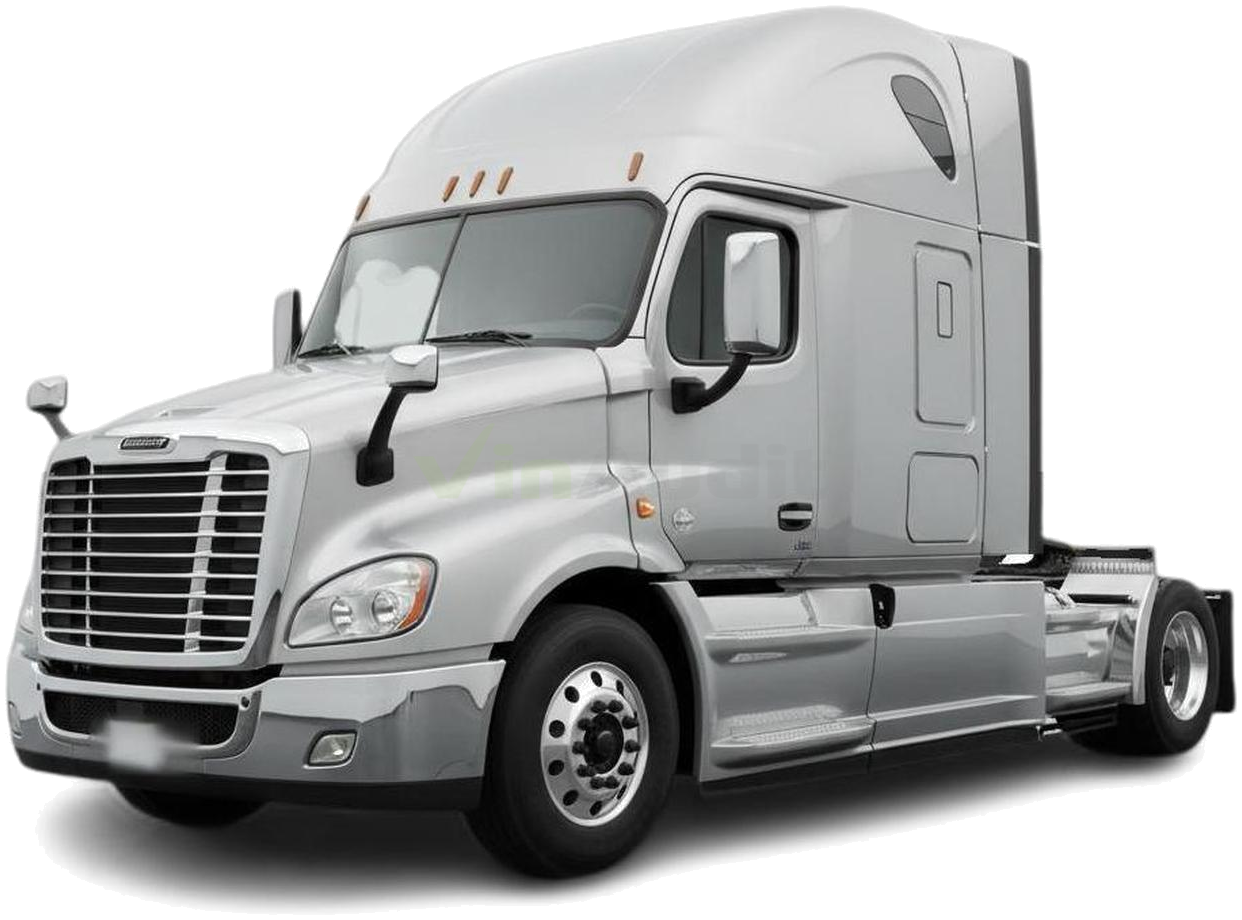
The Good
The 2014 Freightliner B2 Bus Chassis offers exceptional reliability and a commanding presence on the road. Its durable construction ensures peace of mind for operators, while its adaptable design provides a comfortable ride for passengers, fostering a sense of security and well-being.
The Bad
Potential weaknesses for the 2014 Freightliner B2 Bus Chassis may include the complexity of integrated systems, especially if aftermarket electronics are added. Rusting on specific undercarriage components in harsh climates and occasional issues with emission control systems are also points to watch out for.
2014 Freightliner B2 Bus Chassis: Quick Overview
- Engine Options: The 2014 Freightliner B2 Bus Chassis typically featured robust diesel engines designed for commercial applications. Common options included Cummins ISB and ISL series engines, and Detroit Diesel Series 60 engines in some configurations. These engines are known for their durability and torque.
- Horsepower: Horsepower ratings varied significantly based on the specific engine chosen, but generally ranged from approximately 200 horsepower for smaller Cummins engines to over 350 horsepower for larger Detroit Diesel options. This power output is crucial for moving heavy bus loads efficiently.
- Fuel Economy: Fuel economy for commercial bus chassis like the Freightliner B2 is highly dependent on the specific engine, transmission, axle ratio, body type, load, and driving conditions. Owners typically reported ranges from 6 to 10 miles per gallon (MPG), with variations based on these factors.
- 0-60 Times: Official 0-60 mph times are not typically published for commercial bus chassis as they are not designed for rapid acceleration. Performance is prioritized for steady cruising speeds and load-carrying capability rather than sprint times.
- Towing Capacity: The concept of towing capacity as seen in pickup trucks does not directly apply to a bus chassis. The Freightliner B2 is designed to carry substantial passenger and cargo weight within its own structure, not to tow external trailers.
- Trim-Level Features: As a chassis, the Freightliner B2 did not have traditional "trim levels" in the same way passenger vehicles do. Instead, its features were determined by the vocational application it was being built for and the specifications chosen by the bus body manufacturer. This included options for:
- Suspension types (e.g., heavy-duty leaf springs, air suspension for ride comfort).
- Braking systems (e.g., air brakes for enhanced stopping power).
- Transmission options (e.g., Allison automatic transmissions known for their durability in commercial use).
- Electrical systems and wiring harnesses to support various bus body configurations.
- Optional driver-assist technologies available at the time of initial build, though often more basic than modern passenger vehicles.
- Various wheelbase lengths and chassis configurations to accommodate different bus sizes and passenger capacities.
2014 Freightliner B2 Bus Chassis Specifications
Vehicle Information
| Year | 2014 |
| Make | Freightliner |
| Model | B2 Bus Chassis |
| Trim | - |
| Style | - |
| Type | Truck |
| Category | Heavy Truck |
Manufacturing Details
| Made In | United States |
| Manufacturing City | GAFFNEY |
Dimensions
| Doors | - |
| Curb Weight | - |
| Gross Vehicle Weight Rating | - |
| Overall Height | - |
| Overall Length | - |
| Overall Width | - |
| Wheelbase Length | - |
| Standard Seating | - |
Engine & Performance
| Engine | 6.7L I6 |
| Engine Size | 6.7L |
| Engine Cylinders | 6 |
| Transmission | - |
| Transmission Type | - |
| Transmission Speeds | - |
| Drivetrain | Rear-Wheel Drive |
Additional Features
| Anti-Brake System | - |
| Steering Type | - |
Pricing
| Manufacturer Suggested Retail Price (MSRP) | - |
| Invoice Price | - |
| Delivery Charges | - |
Vehicle History Report
Specifications
History
Events
History Check
Check
Check
Check
Check
Listings
Recalls
Check
Analysis
What Problems Does the 2014 Freightliner B2 Bus Chassis Have?
Another area that may require attention is the cooling system. Over time, radiators can develop leaks, and hoses can degrade, especially under the high operating temperatures and pressures inherent in commercial vehicle use. Overheating can lead to significant engine damage, so regular inspection and maintenance of the cooling system are crucial.
With respect to rust and corrosion, particularly in regions with harsh winters or coastal environments, the frame rails and undercarriage components can be susceptible to rust. This is not unique to Freightliner but is a consideration for any vehicle of this age and type. Thorough inspections for rust perforation are recommended, especially on used models.
While specific recalls for the 2014 B2 chassis might vary and would need to be checked against VIN-specific databases, common recall areas for commercial vehicles can include braking system components, electrical system issues, or potential defects in fuel delivery systems. It is imperative for owners to verify any outstanding recalls with Freightliner or a certified dealer.
Long-term reliability is heavily influenced by maintenance. Vehicles used in demanding service, such as school bus operations with frequent stop-and-go driving, may experience wear and tear on components like the transmission and drivetrain at a faster rate than those used for highway cruising. Regular fluid changes, filter replacements, and adherence to the manufacturer's maintenance schedule are paramount to mitigating these potential issues and ensuring the longevity of the B2 chassis.
How long will the 2014 Freightliner B2 Bus Chassis last?
What Technology & Safety Features are Included?
- Driver Information Center: A basic display providing critical vehicle diagnostics, fuel levels, odometer readings, and engine status alerts.
- Basic Audio System: A simple AM/FM radio and possibly a CD player, often with durable, utilitarian speakers.
- HVAC System: Robust heating and air conditioning systems designed to maintain comfortable cabin temperatures regardless of external conditions.
Driver-assistance features on a 2014 model would be considered rudimentary by today's standards. Options, if available at the time of original build, might have included:
- ABS (Anti-lock Braking System): Essential for maintaining steering control during emergency braking.
- Limited visibility aids: Such as robust exterior mirrors, and perhaps in some premium builds, rear-view cameras.
Safety features are paramount in bus chassis design. The Freightliner B2 chassis is built with a strong frame and cab structure designed to withstand significant stress. Key safety aspects inherent to its design include:
- Heavy-Duty Frame Construction: Provides a solid foundation for passenger protection.
- Robust Braking Systems: Typically air brakes, offering superior stopping power for heavy loads.
- Emergency Exits: Standard on bus bodies built upon this chassis.
- Seat Belt Anchorage: Designed to meet commercial vehicle safety standards.
Official crash-test ratings, as found for passenger cars, are generally not applicable or published for heavy-duty commercial bus chassis like the Freightliner B2. Its safety is evaluated based on its structural integrity and compliance with stringent commercial vehicle safety regulations, rather than standardized crash test simulations. The primary focus is on preventing accidents through reliable mechanicals and providing occupant protection in the event of an incident through its inherent robust construction.
What Colors Options are Available?
2014 Freightliner B2 Bus Chassis Prices and Market Value
2014 Freightliner B2 Bus Chassis Cost of Ownership
2014 Freightliner B2 Bus Chassis Fuel Efficiency
2014 Freightliner B2 Bus Chassis Warranty
Basic
Powertrain
Rust
2014 Freightliner B2 Bus Chassis Insurance
reasonable repair costs.
How Does the 2014 Freightliner B2 Bus Chassis Compare to Other Truck?
In terms of performance, the B2 generally offers robust diesel engines (often Cummins or Detroit Diesel) that provide ample power and torque for hauling heavy loads, comparable to its peers. All these chassis are designed for durability rather than outright speed.
Regarding features, the 2014 B2, like its competitors, is more focused on essential operational and safety systems than creature comforts. Driver ergonomics and basic diagnostics are standard. Advanced driver-assistance systems were rare across the board in this model year for bus chassis.
Reliability is where Freightliner traditionally shines, and the B2 is no exception. Its reputation for robust construction and long service life is a major selling point. Competitors like International also offer durable platforms, and Blue Bird has a long-standing reputation in the school bus market. The choice often comes down to specific engine offerings, dealer support, and local service availability.
In terms of price, the Freightliner B2 typically falls within a competitive range. New chassis pricing is influenced by specifications, and used prices are highly dependent on mileage and condition. These chassis are generally priced to reflect their intended commercial use and expected lifespan.
Alternatives:
- International IC Bus Chassis: A very strong competitor, often offering similar engine choices and a comparable level of durability. Many fleets opt between Freightliner and International based on dealer proximity and specific package pricing.
- Blue Bird Chassis: Particularly in the school bus segment, Blue Bird is an iconic brand with a strong reputation for safety and reliability.
- Thomas Built Buses (Daimler subsidiary): While related to Freightliner, Thomas buses often have distinct design philosophies and body options.
For a 2014 model, the Freightliner B2 remains a solid choice, especially if maintenance records are impeccable. If seeking newer technology, one would need to look at significantly later model years or different vehicle classes. For a comparable used vehicle in 2014, an International chassis would be the most direct and similar alternative.
Final Verdict: Is the 2014 Freightliner B2 Bus Chassis a Good Truck?
Given its age, buying a 2014 Freightliner B2 Bus Chassis is almost exclusively a used purchase. It is worth buying if it has been meticulously maintained, boasts a comprehensive service history, and shows minimal signs of rust or significant wear. Thorough mechanical inspection by a qualified technician is essential before purchase. Specific body types built on this chassis, such as well-maintained school buses, often offer the best value due to their purpose-built design and the availability of parts. It represents a sound investment for buyers seeking a proven, hardworking vehicle that can continue to serve for many more years with proper care.

Simon A
Simon is a contributor to VinCheck, where he provides articles and reviews on various automotive topics. His work focuses on delivering accurate and up-to-date information about used cars, helping readers make informed decisions.