
The Good
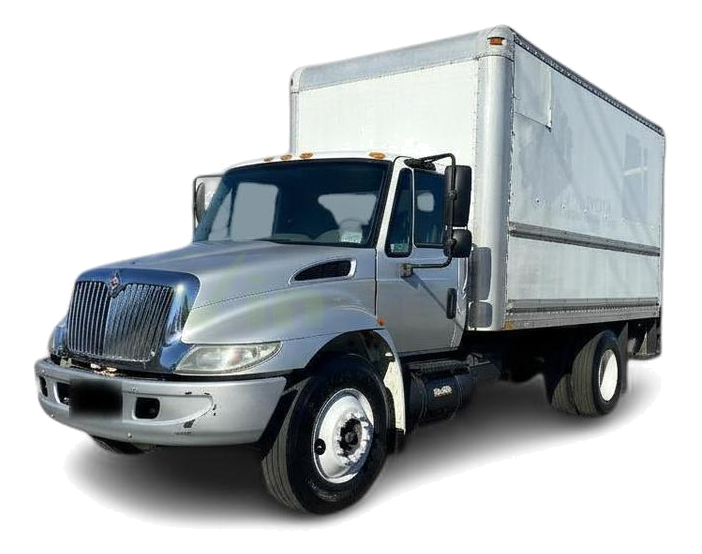
The 2005 International 4200 offers strong performance for demanding tasks, renowned reliability for dependable operation, and a surprisingly comfortable cab for its class, appealing to practical efficiency and the emotional peace of mind that comes with a trusted work vehicle.
The Bad
Potential owners should watch out for common issues like diesel particulate filter problems on certain engines, potential electrical gremlins, and wear and tear on components from heavy use. Thorough inspection of the drivetrain and chassis is crucial.
2005 International 4200: Quick Overview
- Engine Options: The 2005 International 4200 was primarily offered with Navistar's DT 466 diesel engine, a renowned workhorse in the medium-duty segment. Some models might have also featured the VT 365 V8 diesel.
- Horsepower: Horsepower ratings for the DT 466 typically ranged from 195 to 245 horsepower, with torque figures often exceeding 500 lb-ft. The VT 365 might have offered slightly different outputs, generally in a similar range for its class.
- Fuel Economy: Fuel economy for medium-duty diesel trucks like the 2005 International 4200 is highly variable and dependent on application, load, driving style, and maintenance. Expect figures in the range of 10-15 miles per gallon, often lower under heavy load or in stop-and-go city driving.
- 0-60 Times: Official 0-60 mph times are not typically published for commercial trucks as they are not designed for acceleration performance. When unladen, a reasonably equipped 4200 might achieve this in the 20-30 second range, but this metric is largely irrelevant for its intended use.
- Towing Capacity: The towing capacity is not a single figure but depends heavily on the Gross Vehicle Weight Rating (GVWR) and the specific chassis configuration, as well as any aftermarket towing equipment. Properly equipped, these trucks can tow substantial loads, often in the 15,000 to 30,000+ pound range for fifth-wheel or gooseneck trailers, or much less for bumper pull depending on the trailer tongue weight and truck's hitch rating.
- Trim-Level Features: As a chassis cab, trim levels are less about luxury and more about functionality and capability. Standard features would include a robust frame, basic instrumentation, power steering, and hydraulic brakes. Optional features could include air conditioning, upgraded seating, power windows and locks (depending on specific configuration), and various specialized equipment packages tailored to vocational uses such as dump bodies, box truck configurations, or utility service bodies.
2005 International 4200 Specifications
Vehicle Information
| Year | 2005 |
| Make | International |
| Model | 4200 |
| Trim | - |
| Style | - |
| Type | Truck |
| Category | Heavy Truck |
Manufacturing Details
| Made In | Mexico |
| Manufacturing City | SPRINGFIELD |
Dimensions
| Doors | - |
| Curb Weight | - |
| Gross Vehicle Weight Rating | 33000 pounds |
| Overall Height | - |
| Overall Length | - |
| Overall Width | - |
| Wheelbase Length | - |
| Standard Seating | - |
Engine & Performance
| Engine | 6L V8 |
| Engine Size | 6L |
| Engine Cylinders | 8 |
| Transmission | - |
| Transmission Type | - |
| Transmission Speeds | - |
| Drivetrain | Rear-Wheel Drive |
Additional Features
| Anti-Brake System | - |
| Steering Type | - |
Pricing
| Manufacturer Suggested Retail Price (MSRP) | - |
| Invoice Price | - |
| Delivery Charges | - |
Vehicle History Report
Specifications
History
Events
History Check
Check
Check
Check
Check
Listings
Recalls
Check
Analysis
What Problems Does the 2005 International 4200 Have?
Electrical system gremlins are another area of concern, with reports of intermittent issues with sensors, wiring harnesses, and dashboard components. These can be challenging to diagnose and repair. The transmission, often an Allison automatic, is generally robust but can experience wear over time, especially with heavy use or inadequate maintenance. Clunking, slipping, or failure to shift properly can indicate internal transmission problems.
Regarding recalls, specific to the 2005 model year, it is essential to check with the National Highway Traffic Safety Administration (NHTSA) database using the vehicle's VIN. Recalls can address various safety-related defects. For instance, some International trucks from this era have had recalls pertaining to steering components or braking systems.
Long-term reliability is heavily dependent on the initial build quality, the specific vocational application, and, crucially, the maintenance regimen. Trucks used in harsh environments or for constant heavy hauling will naturally experience more wear and tear. Regular fluid changes, filter replacements, and proactive checks of common wear items like belts, hoses, and suspension components are vital for ensuring longevity. While the chassis and frame are built to be durable, the cumulative effect of miles, loads, and environmental exposure can lead to issues with rust on the frame or body panels over time, particularly in regions with harsh winters or coastal environments. It's also worth noting that the VT 365 engine, though less common, has sometimes been associated with higher maintenance needs compared to the DT 466.
How long will the 2005 International 4200 last?
What Technology & Safety Features are Included?
Driver-assistance features were virtually non-existent in 2005 for this class of vehicle. Features like backup cameras, lane departure warnings, or adaptive cruise control were not part of the standard or even common optional offerings. The focus was on providing a reliable platform for specific work applications.
Safety features, while basic by today's standards, would typically include seat belts, hydraulic brakes (often with ABS as an option or standard on certain configurations), and sturdy construction. Headlights, taillights, and turn signals are, of course, standard. Depending on the specific upfitting and intended use, additional safety equipment like strobe lights or specialized warning systems might have been installed.
Crash-test ratings from organizations like the NHTSA or IIHS are generally not available for commercial truck chassis cabs in the same way they are for passenger cars. These vehicles are designed with different safety philosophies, focusing on occupant protection in a work environment and the structural integrity to withstand heavy loads and operational stresses rather than the specific impact scenarios evaluated for consumer vehicles. Optional features would primarily relate to the vocational upfit rather than in-cab amenities. This could include specialized lighting, toolboxes, lift gates, or plows, which are functional rather than comfort or tech-oriented.
What Colors Options are Available?
2005 International 4200 Prices and Market Value
Currently, the used market prices for a 2005 International 4200 vary significantly based on mileage, condition, engine, transmission, and the presence and condition of any vocational body. You might find them ranging from approximately $10,000 to $30,000 or higher for exceptionally well-maintained or specialized units.
Depreciation for commercial trucks is often less drastic than for consumer vehicles, especially if they are well-maintained and have desirable vocational configurations. Factors affecting resale value include the reputation of the engine (DT 466 being highly sought after), the overall mechanical condition, the condition of the frame and body, and the specific industry demand for the truck's configuration (e.g., dump truck, tow truck, box truck).
2005 International 4200 Cost of Ownership
2005 International 4200 Fuel Efficiency
2005 International 4200 Recalls & Defects
Vehicle Speed Control
Suspension:front:springs:leaf Spring Assembly:hanger,bracket
Parking Brake
2005 International 4200 Warranty
Basic
Powertrain
Rust
2005 International 4200 Insurance
reasonable repair costs.
How Does the 2005 International 4200 Compare to Other Truck?
In terms of performance, the International 4200, particularly with the DT 466 engine, is known for its strong torque and robust hauling capabilities, often matching or exceeding competitors in its class for vocational applications.
When it comes to features, all these trucks are primarily chassis cabs, meaning features are largely dependent on upfitting. However, interiors in the International 4200 of this era were typically functional rather than luxurious, often comparable to its direct competitors. Rivals like Freightliner might have offered slightly more modern interior designs for the time, but the core functionality remained similar.
Reliability is a strong suit for the DT 466 engine in the International 4200, which has a reputation for longevity and durability, a key advantage. Competitors like Freightliner and PACCAR (Peterbilt/Kenworth) also have strong reputations for reliability, with their respective Cummins or PACCAR engines. However, specific component reliability can vary, and maintenance history is paramount for all.
Regarding price, the 2005 International 4200 was competitively priced when new. In the used market, it often presents a good value proposition due to its strong powertrain.
Alternatives:
- Freightliner M2 106: A very popular and direct competitor, often praised for its good visibility, comfortable ride, and a wide range of engine and transmission options. It's a strong all-around choice.
- Peterbilt 330/335 or Kenworth T270/T300: These PACCAR offerings often command a premium in the used market due to brand prestige and perceived build quality. They are excellent, durable trucks.
- GMC TopKick / Chevrolet Kodiak: While a bit more focused on the heavy-duty pickup/light commercial crossover market, these were also options and could be configured for similar vocational uses.
Final Verdict: Is the 2005 International 4200 a Good Truck?
Prospective buyers should focus on models equipped with the Navistar DT 466 engine, as it boasts a superior reputation for reliability and longevity compared to other options. Thorough pre-purchase inspections are paramount, with particular attention to the engine's condition, transmission, brakes, and chassis integrity, especially for rust. Avoid vehicles with excessively high mileage or a history of poor maintenance. It represents a solid investment for those who prioritize mechanical robustness and long-term serviceability over modern creature comforts.

Jovan
Jovan specializes in interpreting vehicle records and making sense of VIN data. With over 10 years of experience in the automotive data industry, his work ensures that every report is clear, accurate, and useful for car buyers.