
by VIN, Year, Make, Model by License Plate

2002 International 4700 Overview, Reviews, Ratings & Specs

Rating: 0.00
Based on 0 Owner Reviews
Simon A | October 14, 2025
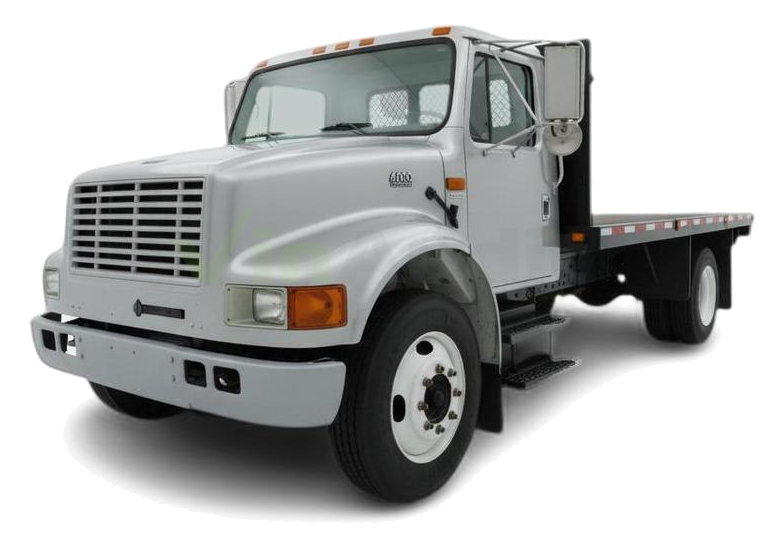
The 2002 International 4700 is a versatile commercial truck, often found in the medium-duty segment. Primarily produced as a chassis cab or a bare chassis, it served as a platform for various vocational bodies like box trucks, dump trucks, or service vehicles. Its model years span a considerable period, with the 2002 model being part of a robust and long-standing lineage. Popularity stems from its robust construction, customizable nature, and the ability to be configured for a wide array of commercial applications. Pricing varied significantly based on its initial configuration and vocational body installed.
The Good

The 2002 International 4700 boasts strong performance for demanding work, exceptional reliability for minimizing downtime, and a surprisingly comfortable cab for long hauls. Its value lies in its durability and adaptability, appealing to those who need a dependable workhorse that can be tailored to specific needs.

The Bad

Potential weaknesses for the 2002 International 4700 include typical aging issues like rust on the frame and body, especially in harsh climates. Electrical gremlins can also arise over time. Fuel efficiency may not be a strong suit compared to modern vehicles. Finding specific replacement parts for older models can sometimes be a challenge.

2002 International 4700: Quick Overview

  • Engine Options: The 2002 International 4700 was typically equipped with robust diesel engines designed for commercial duty. Common options included engines from Navistar (International's parent company) and sometimes Cummins. Specific engine variants would vary, but often featured inline-six configurations.

  • Horsepower: Horsepower ratings generally ranged from approximately 175 hp to over 230 hp, depending on the specific engine and tune. These engines were optimized for torque rather than outright speed.

  • Fuel Economy: Fuel economy for a vehicle of this class and era is not a primary design consideration and is highly dependent on the vocational body, load, and driving conditions. Expect figures significantly lower than passenger vehicles, likely in the single digits miles per gallon (MPG), possibly 6-10 MPG under heavy load.

  • 0-60 Times: 0-60 mph acceleration times are not applicable or measured for this type of commercial vehicle. Its purpose is hauling and work, not rapid acceleration.

  • Towing Capacity: The towing capacity is not a single fixed number but depends heavily on the chassis configuration, axle ratings, and suspension. These trucks are built for heavy payloads and towing substantial trailers, often rated in tens of thousands of pounds for gross vehicle weight (GVW) and gross combined weight (GCW).

  • Trim-Level Features: The concept of "trim levels" as found in consumer vehicles doesn't directly apply. The 4700 was a work truck platform. Key "features" were related to its vocational application. Standard features would include a functional, durable cab designed for work. Options might include air conditioning, power steering, various seating configurations, and specific PTO (Power Take-Off) options for auxiliary equipment. The core "features" were the chassis strength and the ability to mount specialized bodies.

2002 International 4700 Specifications

Vehicle Information
Year 2002
Make International
Model 4700
Trim -
Style -
Type Truck
Category SFC Bus
Manufacturing Details
Made In Mexico
Manufacturing City SPRINGFIELD
Dimensions
Doors -
Curb Weight -
Gross Vehicle Weight Rating 33000 pounds
Overall Height -
Overall Length -
Overall Width -
Wheelbase Length -
Standard Seating -
Engine & Performance
Engine 7.3L V8
Engine Size 7.3L
Engine Cylinders 8
Transmission -
Transmission Type -
Transmission Speeds -
Drivetrain Rear-Wheel Drive
Additional Features
Anti-Brake System -
Steering Type -
Pricing
Manufacturer Suggested Retail Price (MSRP) -
Invoice Price -
Delivery Charges -

Vehicle History Report

Vehicle
Specifications
Ownership
History
All History
Events
NMVTIS Title
History Check
Salvage/Rebuilt
Check
Accident
Check
Theft
Check
Open Lien
Check
Past Sale
Listings
Safety
Recalls
Odometer
Check
Market Price
Analysis

What Problems Does the 2002 International 4700 Have?

The 2002 International 4700, like many vehicles of its age and class, can experience common issues related to wear and tear. One frequently reported concern is related to the diesel engines, particularly if maintenance has been neglected. Issues can include injector problems, turbocharger wear, and potential head gasket leaks, especially on higher mileage units. The transmission, whether manual or automatic, can also develop issues such as clutch wear (in manuals) or shifting problems (in automatics) over time. Brake systems are critical and can require significant maintenance, including rotor and pad replacement, and potential caliper issues.Rust and corrosion are significant long-term concerns, particularly on the frame, cab corners, and wheel wells, especially if the vehicle has operated in areas with road salt. Electrical systems can also present problems, with intermittent issues in lighting, gauges, or accessory functions becoming more prevalent as components age. Recalls are less commonly highlighted for specific components across all 2002 models unless a widespread manufacturing defect occurred. However, owners should always check for any outstanding safety recalls with the manufacturer. Long-term reliability is heavily contingent on the specific vocational application, how the truck was driven, and, most importantly, the rigor of its maintenance schedule. A well-maintained 4700 can be very reliable, but neglected ones can become a money pit. Model-year specific issues are not as distinctly documented as in passenger cars; rather, problems tend to be more generalized to wear and tear on a commercial platform.

How long will the 2002 International 4700 last?

The 2002 International 4700 is built for durability, and with diligent maintenance, these trucks can easily surpass 250,000 to 500,000 miles, with some continuing service for much longer. Many operate in commercial fleets where mileage accumulates rapidly. Average years of service can extend well beyond 15-20 years, especially if used for lighter vocational duties or for personal projects. Long-term durability is a strong suit, with the robust chassis and powertrain designed for demanding use. However, weaknesses that emerge over time include increased susceptibility to rust, especially in corrosive environments, and wear on suspension components. The engines and transmissions, while strong, will eventually require overhauls or major repairs after hundreds of thousands of miles. The key to longevity is a consistent and thorough maintenance routine, including regular fluid changes, inspections, and prompt attention to any developing issues.

What Technology & Safety Features are Included?

The 2002 International 4700 prioritizes function over luxury, meaning its built-in technology, entertainment, and driver-assistance features are basic by modern passenger car standards. The primary focus is on operational integrity. Standard in-cab technology would typically include a functional instrument cluster displaying essential vehicle information like speed, engine RPM, oil pressure, coolant temperature, and fuel level. An AM/FM radio might have been a standard entertainment option, with cassette or CD players being less common or optional. Connectivity features like Bluetooth or USB ports are non-existent in this model year. Driver-assistance features are virtually absent. There are no advanced systems like adaptive cruise control, lane departure warning, or automatic emergency braking. Safety features are primarily mechanical and passive. Standard safety equipment would include seat belts, hydraulic brakes (potentially with ABS as an option), and robust structural integrity for the cab. Visibility is generally good due to the truck's commanding driving position. Optional features could include air brakes for heavier applications, power steering, power windows and locks (though less common on work trucks), and perhaps a tachometer. Crash-test ratings for commercial trucks like the 4700 are not typically conducted or published by organizations like the NHTSA or IIHS in the same manner as passenger vehicles. The design philosophy focuses on occupant protection within the context of a heavy-duty vehicle intended for commercial operations, emphasizing structural integrity and driver awareness over advanced electronic aids.

What Colors Options are Available?

We’re working on this section!
In the meantime, feel free to explore the other sections for more content.

2002 International 4700 Prices and Market Value

When new, the 2002 International 4700 chassis cab would have had a base price that could range from approximately $40,000 to $70,000 or more, depending on engine, transmission, and chassis options. The final price would escalate significantly once a vocational body (e.g., box, dump, liftgate) was added by a third-party upfitter. On the current used market, prices for a 2002 International 4700 vary wildly, from as low as $3,000-$5,000 for a basic, high-mileage chassis needing work, to $15,000-$30,000+ for well-maintained units with desirable vocational bodies in good condition. Depreciation on these trucks is steep initially but plateaus for well-maintained examples. Resale value is heavily influenced by the condition of the chassis, the type and condition of the vocational body, mileage, maintenance history, and the demand for specific configurations in a particular region. Rust is a major detractor from resale value.

2002 International 4700 Cost of Ownership

Owning a 2002 International 4700 is generally not economical in the same vein as a passenger car. Insurance costs can be higher due to its commercial nature, often requiring commercial auto policies. Fuel costs will be substantial due to the diesel engine's lower MPG. Maintenance and repair costs are significant; while built to last, parts and labor for heavy-duty trucks are more expensive. Expect regular maintenance like oil changes, filter replacements, and more substantial repairs to engines and transmissions over its lifespan. Overall, it is a costly vehicle to own, but its value is derived from its capability and durability for commercial applications where upfront and ongoing costs are offset by its work-generating capacity.

2002 International 4700 Fuel Efficiency

Fuel Type Diesel
Fuel Capacity -
City Mileage -
Highway Mileage -

2002 International 4700 Warranty

Basic
Original warranty 0 months / No data
Estimated remaining Expired
Powertrain
Original warranty 0 months / No data
Estimated remaining Expired
Rust
Original warranty 0 months / No data
Estimated remaining Expired

2002 International 4700 Insurance

Insurance for a 2002 International 4700 is moderately priced, reflecting its status as a Truck with strong safety ratings and
reasonable repair costs.

How Does the 2002 International 4700 Compare to Other Truck?

The 2002 International 4700 competes in the medium-duty truck segment against formidable rivals like Freightliner (e.g., FL series), Ford (e.g., F-650/F-750), and GMC TopKick/Chevrolet Kodiak. In terms of performance, the 4700 typically offered robust diesel powertrains comparable to its peers, focused on torque and hauling power rather than speed. Its reliability is generally considered strong, with International's reputation for building durable commercial vehicles. However, specific engine and transmission choices within each brand could influence this. Features on the 4700, as with most commercial trucks of this era, were utilitarian. It wouldn't boast the creature comforts or advanced tech found in newer models or even some higher-spec consumer trucks. Competitors offered similar basic cab amenities. Price-wise, the 4700 was competitively positioned, with costs often dictated by the vocational body. For buyers prioritizing outright reliability and a vast dealer network, a Freightliner FL series might be a comparable alternative. If a wider range of gasoline engine options were a consideration (though less common for heavy work), Ford F-650/F-750 could be explored. For sheer simplicity and a more rugged, no-frills approach, the International 4700 often stands out. However, if modern driver aids, better fuel efficiency, or advanced technology are priorities, then looking at much newer trucks or different vehicle classes entirely would be necessary. For a used commercial truck of this size and capability, the 4700 remains a solid, albeit basic, choice, with its strengths lying in its workhorse nature and straightforward engineering.

Final Verdict: Is the 2002 International 4700 a Good Truck?

The 2002 International 4700 is ideal for small businesses, tradespeople, or individuals needing a robust and customizable platform for specific vocational tasks like hauling, delivery, or specialized equipment transport. It is worth buying if your primary needs are raw utility, durability, and the ability to tailor the vehicle to a job, rather than comfort or cutting-edge technology. It is best purchased used, as new models are not readily available and were expensive. Look for well-maintained examples with low hours/mileage relative to their age and with a vocational body that suits your needs. Thorough inspection, especially for rust and engine/transmission health, is paramount. It is not a good choice for daily commuting or for those prioritizing fuel economy or modern features.

2002 International 4700 Owner Reviews

0.00
Consumer Rating, Based on 0 Consumer Reviews
Overall rating
Cancel
Thank You for Your Review!

We truly appreciate the time and effort you took to share your experience with us.

Uh oh!

Something went wrong, please try again later.

Author Image
Simon A

Simon is a contributor to VinCheck, where he provides articles and reviews on various automotive topics. His work focuses on delivering accurate and up-to-date information about used cars, helping readers make informed decisions.