
by VIN, Year, Make, Model by License Plate

2020 Mitsubishi Fuso Overview, Reviews, Ratings & Specs

Rating: 0.00
Based on 0 Owner Reviews
Cathleen V | December 29, 2025
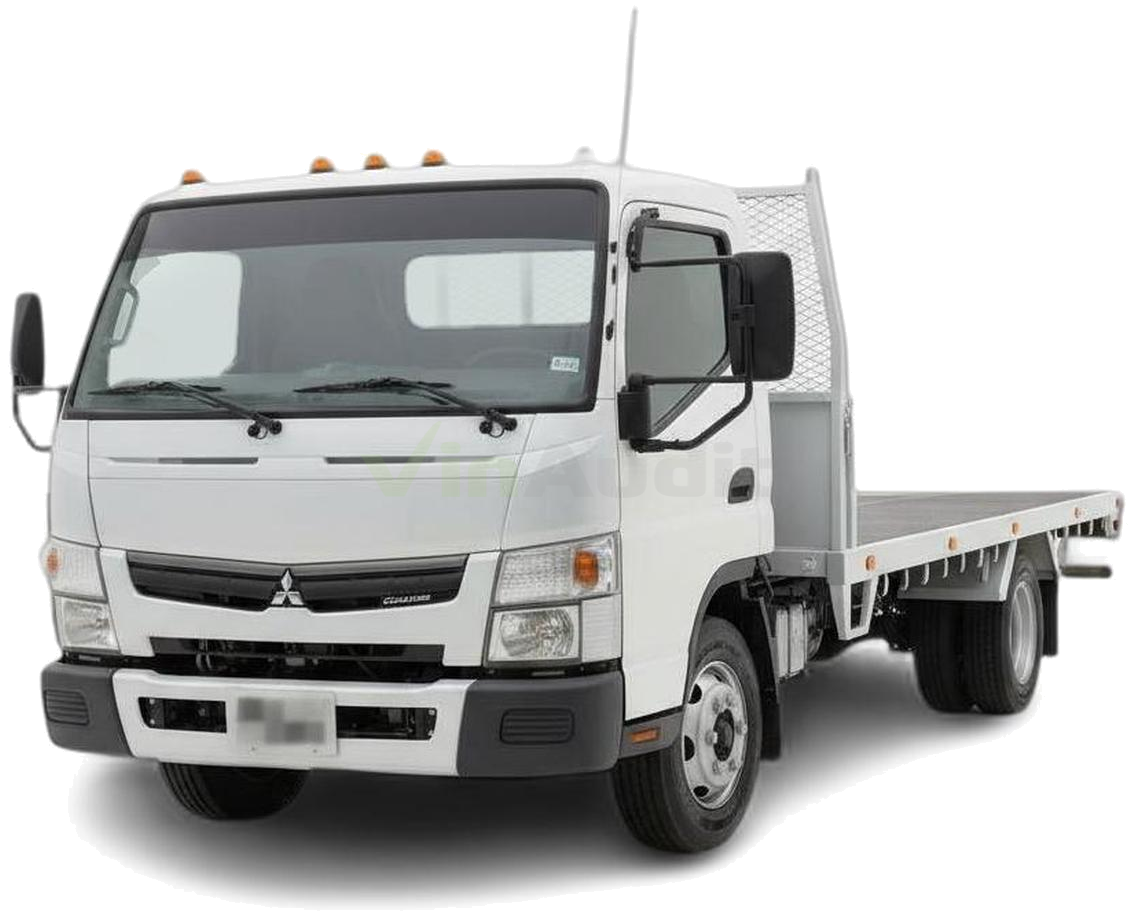
The 2020 Mitsubishi Fuso is a versatile commercial truck known for its robust build and practicality, often used for various business applications like delivery and construction. While not typically associated with specific model years in the passenger car sense, Fuso trucks have a long lineage of rugged utility. Popular body styles include cab-and-chassis configurations, allowing for custom upfitting. Its popularity stems from its reputation for dependability and its adaptable chassis, making it a workhorse for many businesses. Pricing can vary significantly based on configuration and upfitting.
The Good

The 2020 Mitsubishi Fuso excels in practical performance with its durable powertrain and a reputation for unwavering reliability, offering peace of mind to business owners. Its straightforward design prioritizes function over flair, appealing to those who value hard work and a solid investment. The value proposition is strong, providing a cost-effective solution for commercial needs.

The Bad

Potential weaknesses of the 2020 Mitsubishi Fuso can include a less refined interior compared to some competitors, limited advanced technology features, and a ride that can be utilitarian rather than comfortable on longer hauls. Some may find the engine noise more pronounced than in other commercial vehicles.

2020 Mitsubishi Fuso: Quick Overview

2020 Mitsubishi Fuso Key Specifications

  • Engine Options: The 2020 Mitsubishi Fuso typically features a robust diesel engine. For instance, many models are equipped with a 3.0-liter, 4-cylinder turbo-diesel engine.
  • Horsepower: This diesel engine generally produces around 161 horsepower, providing ample power for hauling and various vocational applications.
  • Torque: Crucially for commercial use, these engines offer substantial torque, often in the range of 295 lb-ft, enabling efficient operation under load.
  • Fuel Economy: Fuel economy for commercial vehicles like the Fuso is highly dependent on load, route, and driving style. However, diesel engines are generally more fuel-efficient than gasoline counterparts, with owners reporting figures in the range of 15-20 MPG combined in typical urban or mixed driving conditions.
  • 0-60 Times: 0-60 mph times are not a primary metric for commercial trucks and are rarely published. Performance is geared towards torque and hauling capability rather than acceleration.
  • Towing Capacity: Towing capacity varies significantly based on the specific Fuso model, chassis configuration, and installed equipment. Light-duty variants might have towing capacities suitable for smaller trailers, while heavier-duty versions can tow much more substantial loads. Specific figures would require consulting the vehicle's VIN and configuration.
  • Trim-Level Features: Mitsubishi Fuso trucks are less about traditional "trims" and more about body configurations and vocational packages. Standard features often focus on functionality and durability. Key aspects include:
    • Cab Configurations: Available in standard and crew cab options to accommodate varying crew sizes.
    • Chassis Types: Offered with various wheelbase lengths and chassis types to support different upfits, such as box trucks, stake beds, utility bodies, and more.
    • Standard Equipment: Typically includes power steering, power brakes, a tilting steering wheel, and basic instrumentation. Air conditioning might be standard or optional depending on the specific configuration and market.
    • Optional Features: Depending on the dealer and upfitter, options could include upgraded infotainment systems (basic), power windows and locks, and specialized equipment related to the truck's intended use.
    • Safety Features: Basic safety features are standard, with more advanced systems generally not a focus for this type of vocational vehicle in this model year.

2020 Mitsubishi Fuso Specifications

Vehicle Information
Year 2020
Make Mitsubishi
Model Fuso
Trim -
Style -
Type Truck
Category Heavy Truck
Manufacturing Details
Made In United States
Manufacturing City GAFFNEY
Dimensions
Doors -
Curb Weight -
Gross Vehicle Weight Rating 16000 pounds
Overall Height -
Overall Length -
Overall Width -
Wheelbase Length -
Standard Seating -
Engine & Performance
Engine -
Engine Size 6L
Engine Cylinders -
Transmission -
Transmission Type -
Transmission Speeds -
Drivetrain -
Additional Features
Anti-Brake System -
Steering Type -
Pricing
Manufacturer Suggested Retail Price (MSRP) -
Invoice Price -
Delivery Charges -

Vehicle History Report

Vehicle
Specifications
Ownership
History
All History
Events
NMVTIS Title
History Check
Salvage/Rebuilt
Check
Accident
Check
Theft
Check
Open Lien
Check
Past Sale
Listings
Safety
Recalls
Odometer
Check
Market Price
Analysis

What Problems Does the 2020 Mitsubishi Fuso Have?

The 2020 Mitsubishi Fuso, like many commercial vehicles, has a reputation for durability, but like any machine, it can experience issues. While specific widespread problems for the 2020 model year are not extensively documented in the same way as consumer cars, general Fuso concerns that owners might encounter over time include potential issues with the diesel particulate filter (DPF) system, especially if the vehicle is primarily used for short trips or stop-and-go city driving where the DPF doesn't get a chance to regenerate properly. This can lead to reduced performance and warning lights. Some owners have reported occasional electrical gremlins, though these are usually minor and can be related to the vehicle's work-oriented wiring harnesses. Transmission issues are relatively rare but can occur with high mileage and heavy use; proper maintenance is crucial here. The fuel injection system, while generally robust, can be sensitive to fuel quality, and problems can arise if contaminated fuel is used. Body corrosion can also be a concern in regions with harsh winters or heavy salt exposure on roads, as with any vehicle not properly treated for rust prevention. Recalls for commercial vehicles are often specific to particular equipment or safety-related components. For the 2020 model year, potential recalls would have been issued by Mitsubishi Fuso for any identified defects. It is essential for owners to check for any outstanding recalls by entering their VIN on the NHTSA website or through a Fuso dealer. Long-term reliability is generally considered good, provided routine maintenance schedules are adhered to meticulously. These trucks are built for hard work, and that means consistent oil changes, filter replacements, and checks of fluid levels and brake systems are paramount to ensuring longevity and minimizing costly repairs down the line.

How long will the 2020 Mitsubishi Fuso last?

Based on owner data and the robust construction inherent to commercial vehicles, a 2020 Mitsubishi Fuso, with consistent and diligent maintenance, can reasonably be expected to serve for 250,000 to 400,000 miles or even more. Many Fuso trucks in vocational use rack up over 20,000-30,000 miles annually. The long-term durability is a significant strength, with the diesel powertrain being designed for longevity. Weaknesses that may emerge over time and mileage often relate to wear-and-tear items, such as suspension components, brake systems, and exhaust systems. Regular servicing is key to mitigating these issues and ensuring the vehicle remains a reliable asset for an extended service life, far exceeding that of a typical passenger car.

What Technology & Safety Features are Included?

The 2020 Mitsubishi Fuso, as a commercial vehicle, prioritizes functionality and durability over cutting-edge technology and extensive driver aids. Built-in tech is generally basic, focusing on essential information and operation. The infotainment system is typically a simple radio with AM/FM capabilities, often with an auxiliary input or USB port for media playback. Bluetooth connectivity for hands-free calling might be available on certain configurations or as an option. Navigation systems are uncommon as a factory-installed feature, with most users opting for aftermarket GPS devices or smartphone integration. Driver-assistance features are minimal for this model year. Standard safety equipment usually includes anti-lock brakes (ABS), electronic stability control (ESC), and airbags for the driver and front passenger. Advanced features like adaptive cruise control, lane departure warning, or automatic emergency braking are generally not available on the 2020 Fuso, as these were less common in the light-duty commercial segment at the time and would add significant cost. Optional features tend to be more work-oriented, such as specialized lighting, backup alarms, or power take-off (PTO) provisions. Crash-test ratings for commercial trucks like the Fuso are often not directly comparable to passenger vehicles through organizations like the NHTSA or IIHS in the same comprehensive manner. While the vehicles are designed to be robust, the focus is on structural integrity under load rather than passenger comfort in extreme impact scenarios. It's advisable to check specific vehicle configurations for any available safety upgrades or specific equipment packages that might enhance safety.

What Colors Options are Available?

We’re working on this section!
In the meantime, feel free to explore the other sections for more content.

2020 Mitsubishi Fuso Prices and Market Value

When new, the 2020 Mitsubishi Fuso's price varied significantly based on its specific configuration, chassis type, and any vocational body or equipment added. Base cab-and-chassis models likely started in the $30,000 to $40,000 range, with fully outfitted trucks, such as box vans or specialized service bodies, easily exceeding $50,000 or more. On the used market in 2024, prices for a 2020 Mitsubishi Fuso can range broadly from $20,000 to $45,000+, heavily influenced by mileage, condition, original configuration, and remaining lifespan of the upfitted body. Depreciation for commercial vehicles is often less severe than for passenger cars, especially for well-maintained, popular vocational models. Factors affecting resale value include the utility of the body (e.g., a clean box truck vs. a heavily used service body), overall mechanical condition, mileage, and the demand for that specific configuration in the local market.

2020 Mitsubishi Fuso Cost of Ownership

Owning a 2020 Mitsubishi Fuso generally proves economical for its intended commercial purpose. Insurance costs will be higher than for a passenger car, reflecting its commercial use and value, but are typically manageable for businesses. Fuel costs, driven by its diesel engine, are relatively efficient for its class, offering good MPG for the work it performs. Maintenance is crucial; while routine services like oil changes are standard, specialized diesel components may incur higher costs. Repair costs can be moderate to high depending on the issue, as parts for commercial vehicles can be pricier. Overall, despite these factors, the Fuso is designed for longevity and workhorse capability, making its total cost of ownership competitive and often more economical than less durable alternatives for businesses relying on dependable transportation.

2020 Mitsubishi Fuso Fuel Efficiency

Fuel Type Gasoline
Fuel Capacity -
City Mileage -
Highway Mileage -

2020 Mitsubishi Fuso Insurance

Insurance for a 2020 Mitsubishi Fuso is moderately priced, reflecting its status as a Truck with strong safety ratings and
reasonable repair costs.

How Does the 2020 Mitsubishi Fuso Compare to Other Truck?

The 2020 Mitsubishi Fuso operates in the highly competitive light-duty commercial truck segment. Key rivals include the Isuzu NPR, Hino 155, and Ford Transit chassis with various upfits. Performance: The Fuso's diesel engine typically offers competitive horsepower and torque figures, making it suitable for urban and regional deliveries. Its performance is often seen as robust and dependable rather than sporty. The Isuzu NPR and Hino 155 also feature reliable diesel engines with comparable power outputs. The Ford Transit, while often gasoline-powered or with diesel options, provides a different performance profile, sometimes with more nimble handling. Features: In terms of features, the 2020 Fuso is generally utilitarian. It focuses on essential functionality. Rivals like the Isuzu and Hino offer similar basic amenities. The Ford Transit, being a van chassis primarily, might offer a slightly more modern and car-like interior experience in its higher trims, with more available technology and driver aids, though often at a higher price point or with different powertrain options. Reliability: Mitsubishi Fuso has a strong reputation for reliability and durability, a trait shared by Isuzu and Hino, which are also known for their workhorse trucks. These Japanese manufacturers often have an edge in long-term mechanical resilience compared to some American counterparts. The Ford Transit is also generally reliable, but specific powertrain choices can influence long-term expectations. Price: The 2020 Fuso often presents a compelling value proposition. It typically competes favorably on price, especially when considering its robust construction and expected longevity. Isuzu and Hino are similarly priced. The Ford Transit chassis can be more expensive, particularly when optioned with diesel engines or specialized upfits. Alternatives:
  • Isuzu NPR/NQR: Very similar in concept and capability. Often praised for its maneuverability and straightforward design. A direct and often interchangeable competitor.
  • Hino 155/195: Another strong contender with a similar focus on reliability and practical performance.
  • Ford E-Series Cutaway (if available): A more traditional truck chassis that can be upfitted, offering a different platform for vocational needs.
  • Ram ProMaster Chassis Cab: Offers a front-wheel-drive, gasoline-powered option, which might appeal for lighter-duty applications or specific urban environments where diesel is less preferred.
Ultimately, the choice often comes down to specific vocational needs, dealer support, and pricing at the time of purchase. The Fuso remains a solid, reliable choice in its class.

Final Verdict: Is the 2020 Mitsubishi Fuso a Good Truck?

The 2020 Mitsubishi Fuso is an ideal vehicle for small to medium-sized businesses, tradespeople, and fleet operators who require a dependable, no-nonsense workhorse for deliveries, service calls, or specialized vocational applications. It is worth buying for those prioritizing ruggedness, longevity, and a strong value proposition over advanced technology or luxury. It's particularly suited for buyers who need a robust chassis that can be customized with various body types. Purchasing a used 2020 Fuso can offer excellent value, provided it has been well-maintained and the vocational body is suitable for the buyer's needs. It might be less ideal for individuals seeking a comfortable daily driver or those who require extensive integrated tech and driver-assistance features. For its intended purpose, it remains a capable and cost-effective choice.

2020 Mitsubishi Fuso Owner Reviews

0.00
Consumer Rating, Based on 0 Consumer Reviews
Overall rating
Cancel
Thank You for Your Review!

We truly appreciate the time and effort you took to share your experience with us.

Uh oh!

Something went wrong, please try again later.

Author Image
Cathleen V

Cathleen is an exceptional freelance writer covering hot topics in the automotive world from a gearhead's perspective. Her articles delve into various aspects of automotive technology and history, offering readers detailed insights into engine performance, reliability, and maintenance. Through her engaging and informative writing, Cathleen provides valuable information to automotive enthusiasts and consumers alike, helping them make informed decisions about vehicle maintenance and purchases.