
by VIN, Year, Make, Model by License Plate

2017 Mitsubishi RVR Overview, Reviews, Ratings & Specs

Rating: 0.00
Based on 0 Owner Reviews
Drew B | November 18, 2025
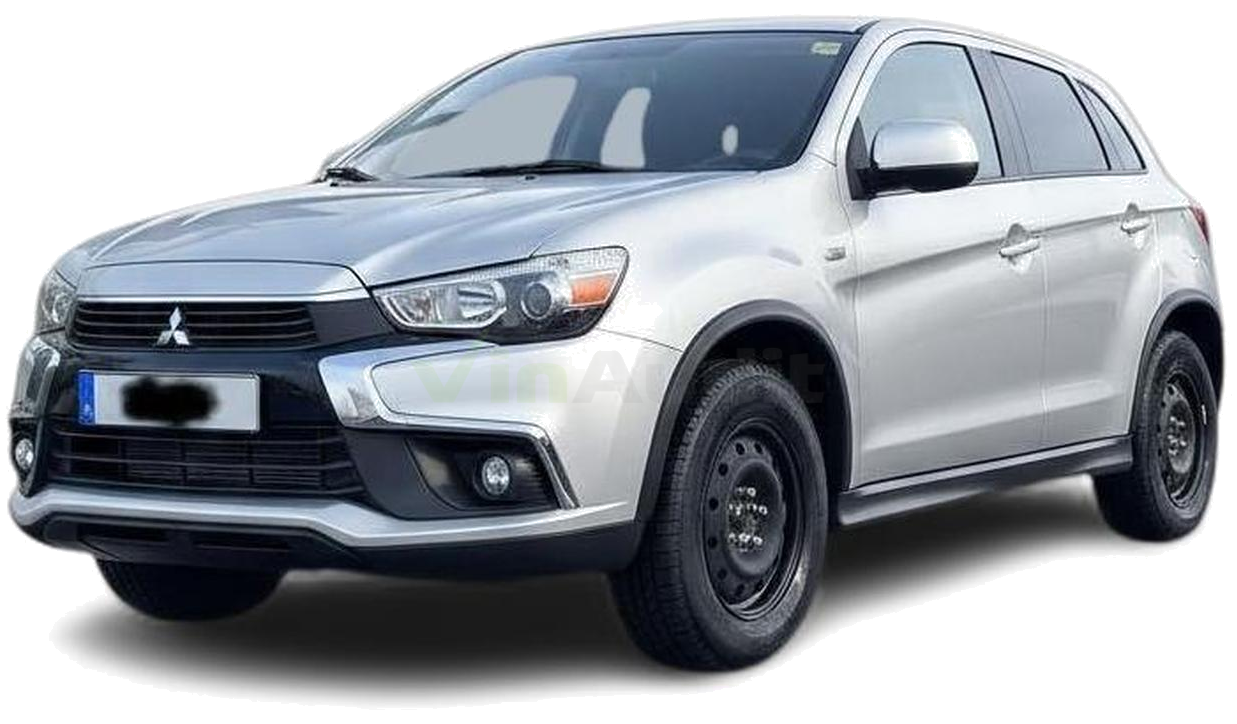
The 2017 Mitsubishi RVR, also known as the Outlander Sport in many markets, is a subcompact crossover SUV that first entered production in 2010. For 2017, it was offered in ES, SE, and GT trims. Its popularity stems from its affordable pricing, available all-wheel drive, and a reputation for being a practical, no-frills option for urban commuting and light adventuring.
The Good

The 2017 RVR offers a strong value proposition with available AWD for added confidence, a nimble size for city driving, and a surprisingly spacious interior for its class. Its straightforward operation appeals to practical buyers, while its approachable styling and decent feature set offer a touch of modern appeal.

The Bad

Potential buyers should be aware of the RVR's somewhat underpowered base engine, a less refined ride quality compared to some rivals, and an infotainment system that can feel dated. Road noise can also be a concern on longer journeys.

2017 Mitsubishi RVR: Quick Overview

  • Engine Options: 2017 Mitsubishi RVR was primarily offered with two four-cylinder engine options.
  • Base Engine: A 2.0-liter naturally aspirated four-cylinder engine producing approximately 148 horsepower and 145 lb-ft of torque.
  • Upgraded Engine: A 2.4-liter naturally aspirated four-cylinder engine, found in higher trims, generating around 168 horsepower and 167 lb-ft of torque.
  • Transmission: Both engines were typically paired with a Continuously Variable Transmission (CVT), though a 5-speed manual was available on some base models.
  • Drivetrain: Front-wheel drive (FWD) was standard, with Mitsubishi's All-Wheel-Drive system (AWC) available as an option on all trims.
  • Fuel Economy (EPA Estimated):
    • 2.0L FWD: Approximately 24 mpg city / 30 mpg highway.
    • 2.0L AWD: Approximately 23 mpg city / 28 mpg highway.
    • 2.4L FWD: Approximately 23 mpg city / 29 mpg highway.
    • 2.4L AWD: Approximately 22 mpg city / 27 mpg highway.
  • 0-60 mph Times: Generally in the 8.5-10 second range, depending on engine and drivetrain.
  • Towing Capacity: Not a primary focus for this vehicle; generally rated for around 1,500 lbs, suitable for small utility trailers.
  • Key Trim-Level Features:
    • ES (Base): 16-inch alloy wheels, automatic climate control, rearview camera, 7-inch touchscreen infotainment system, Bluetooth connectivity, USB port.
    • SE (Mid-Range): Adds 18-inch alloy wheels, heated front seats, keyless entry with push-button start, upgraded audio system, fog lights.
    • GT (Top Trim): Features the more powerful 2.4-liter engine, panoramic glass roof, LED interior lighting, alloy pedals, leather-wrapped steering wheel and shift knob, and enhanced exterior styling elements.

2017 Mitsubishi RVR Specifications

Vehicle Information
Year 2017
Make Mitsubishi
Model RVR
Trim -
Style -
Type -
Category -
Manufacturing Details
Made In -
Manufacturing City -
Dimensions
Doors -
Curb Weight -
Gross Vehicle Weight Rating -
Overall Height -
Overall Length -
Overall Width -
Wheelbase Length -
Standard Seating -
Engine & Performance
Engine -
Engine Size -
Engine Cylinders -
Transmission -
Transmission Type -
Transmission Speeds -
Drivetrain -
Additional Features
Anti-Brake System -
Steering Type -
Pricing
Manufacturer Suggested Retail Price (MSRP) -
Invoice Price -
Delivery Charges -

Vehicle History Report

Vehicle
Specifications
Ownership
History
All History
Events
NMVTIS Title
History Check
Salvage/Rebuilt
Check
Accident
Check
Theft
Check
Open Lien
Check
Past Sale
Listings
Safety
Recalls
Odometer
Check
Market Price
Analysis

What Problems Does the 2017 Mitsubishi RVR Have?

The 2017 Mitsubishi RVR, while generally considered a reliable vehicle, has a few recurring concerns that owners and mechanics have noted. One of the more frequently reported issues involves the CVT transmission. Some owners have experienced premature failure or premature wear of the CVT, leading to symptoms like shuddering, slipping, or a loss of acceleration. While not universal, this is a point to investigate if considering a used RVR. Another area of concern for some is the suspension. Reports of a somewhat harsh ride, especially over rougher surfaces, are not uncommon. This can sometimes be exacerbated by worn suspension components over time. Electrical gremlins, though less frequent, have also been mentioned, including issues with sensors, power windows, or the infotainment system acting up. Rattles and interior trim noises can also develop over time, which is typical for many vehicles in this segment but can be more noticeable in the RVR due to its construction. Mechanically, the engines are generally robust, but it's important to ensure regular maintenance, especially oil changes, to prevent potential issues. Regarding recalls for the 2017 model year, Mitsubishi has issued a few. One notable recall involved potential issues with the braking system, specifically related to the anti-lock braking system (ABS) control unit, which could lead to increased stopping distances. Another recall addressed potential issues with the occupant restraint system, concerning the front passenger airbag. It is crucial to check the VIN of any used 2017 RVR to ensure all outstanding recalls have been addressed. Long-term reliability is decent, particularly if the vehicle has been well-maintained, but the CVT is a component that warrants close inspection and consideration for its potential longevity compared to traditional automatics.

How long will the 2017 Mitsubishi RVR last?

Based on owner data and typical maintenance schedules, a well-maintained 2017 Mitsubishi RVR can realistically achieve an average of 150,000 to 200,000 miles of service. Some owners have reported exceeding 250,000 miles with diligent care. The long-term durability of the powertrain is generally good, with the engines proving to be robust. However, the CVT transmission is often cited as a potential weakness that may require more attention or a costly replacement beyond 100,000 miles if not properly maintained or if it develops issues. Other components like suspension parts and interior trim may show wear over time, but these are generally less critical to the vehicle's core function. Regular fluid changes, especially for the CVT, and timely attention to any developing issues are key to maximizing its lifespan.

What Technology & Safety Features are Included?

The 2017 Mitsubishi RVR comes equipped with a range of technology, entertainment, and safety features, with availability varying by trim level. Standard on all models is a 7-inch touchscreen infotainment system that includes AM/FM radio, USB port, and Bluetooth connectivity for hands-free calling and audio streaming. A rearview camera is also standard, enhancing parking safety. The SE and GT trims often add features like heated front seats, keyless entry with push-button start, and an upgraded audio system. Optional features could include a panoramic glass roof, satellite radio, and navigation depending on packages and specific dealer options. In terms of driver-assistance features, the 2017 RVR is relatively basic compared to modern standards. Advanced systems like adaptive cruise control, blind-spot monitoring, or lane-keeping assist were generally not available on this model year. The focus is on essential safety. For safety, the RVR typically includes a suite of airbags (front, side, curtain), electronic stability control (ESC), and traction control. Anti-lock brakes (ABS) with electronic brake-force distribution (EBD) and brake assist are also standard. Crash-test ratings for the 2017 Mitsubishi RVR are mixed. The National Highway Traffic Safety Administration (NHTSA) awarded it an overall 4 out of 5 stars, with 4 stars in frontal and side crash tests, and 5 stars in rollover resistance. The Insurance Institute for Highway Safety (IIHS) rated it "Good" in moderate overlap front, side, and roof strength tests, but it received "Acceptable" or "Marginal" ratings in some smaller overlap front and head restraint tests, indicating areas for improvement in certain impact scenarios.

What Colors Options are Available?

We’re working on this section!
In the meantime, feel free to explore the other sections for more content.

2017 Mitsubishi RVR Prices and Market Value

When new, the 2017 Mitsubishi RVR typically had an MSRP ranging from approximately $20,000 for the base ES trim to around $26,000 for the top-tier GT model. Currently, on the used market, you can expect to find 2017 RVRs priced roughly between $8,000 and $14,000, depending heavily on mileage, condition, trim level, and the presence of all-wheel drive. The RVR experiences a moderate rate of depreciation, which is typical for its segment. Factors that significantly affect its resale value include its maintenance history, the number of previous owners, accident history, and overall condition. Models with lower mileage, the more desirable all-wheel-drive system, and higher trim levels will command higher prices. The RVR's reputation for affordability and practicality helps maintain a stable, albeit not exceptionally strong, resale value compared to more premium or feature-rich competitors.

2017 Mitsubishi RVR Cost of Ownership

The 2017 Mitsubishi RVR is generally considered an economical vehicle to own. Insurance costs tend to be moderate, falling within the average range for its class. Fuel expenses are also reasonable, thanks to its decent fuel economy figures. Routine maintenance, such as oil changes, tire rotations, and filter replacements, is typically affordable. However, potential owners should be mindful of the CVT transmission; while reliable with good maintenance, a premature failure could lead to significant repair bills. Overall, the RVR is designed to be a budget-friendly option, with parts generally being readily available and not excessively expensive, making long-term ownership costs relatively low.

2017 Mitsubishi RVR Fuel Efficiency

Fuel Type -
Fuel Capacity -
City Mileage -
Highway Mileage -

2017 Mitsubishi RVR Insurance

Insurance for a 2017 Mitsubishi RVR is moderately priced, reflecting its status as a Vehicle with strong safety ratings and
reasonable repair costs.

How Does the 2017 Mitsubishi RVR Compare to Other Vehicle?

The 2017 Mitsubishi RVR competes in the subcompact SUV segment, facing strong rivals like the Honda HR-V, Mazda CX-3, Subaru Crosstrek, and Kia Soul. In terms of performance, the RVR's base 2.0-liter engine is often considered underpowered compared to rivals like the Mazda CX-3 or the more engaging Kia Soul. The available 2.4-liter engine improves this, but it still doesn't match the spirited performance of some competitors. The Subaru Crosstrek is a clear leader if all-wheel drive and rugged capability are priorities, offering standard AWD and better ground clearance. Features-wise, the RVR is competitive, especially with its standard rearview camera and 7-inch touchscreen, but rivals like the HR-V offer more modern tech and driver-assistance options, particularly in higher trims. Reliability is a mixed bag; while Mitsubishi powertrains are generally robust, the RVR's CVT can be a concern for long-term durability compared to the Honda HR-V or the Mazda CX-3, which generally receive higher marks in reliability surveys. Price is where the RVR often shines, typically being one of the most affordable options when new and maintaining that advantage in the used market. Similar alternatives that offer a more refined driving experience, better performance, or superior technology include the Mazda CX-3 (more engaging to drive, higher-quality interior) and the Honda HR-V (excellent fuel economy, versatile cargo space, strong reliability). A comparable alternative in terms of value and practicality would be the Kia Soul, which offers distinctive styling and a spacious cabin. If off-road capability is a significant factor, the Subaru Crosstrek is a stronger contender.

Final Verdict: Is the 2017 Mitsubishi RVR a Good Vehicle?

The 2017 Mitsubishi RVR is ideal for budget-conscious buyers seeking an affordable, practical subcompact SUV with available all-wheel drive for added confidence. It's a good fit for city dwellers needing a nimble vehicle with a higher driving position, or for those who prioritize value over cutting-edge performance or technology. It is worth buying, especially on the used market, provided it has been well-maintained. Buying used is strongly recommended, as the initial depreciation makes it a more attractive proposition. Focus on models with the 2.4-liter engine and AWD for a better driving experience. Thoroughly inspect the CVT transmission for any signs of wear or issues, as this is a potential long-term concern. For the right price, it offers a functional and economical ownership experience.

2017 Mitsubishi RVR Owner Reviews

0.00
Consumer Rating, Based on 0 Consumer Reviews
Overall rating
Cancel
Thank You for Your Review!

We truly appreciate the time and effort you took to share your experience with us.

Uh oh!

Something went wrong, please try again later.

Author Image
Drew B

Drew is a seasoned automotive expert and contributor to VinCheck.info. With nearly 15 years of experience as a former Porsche technician, he brings a wealth of hands-on knowledge to his writing. Born in North Carolina, a region renowned for its deep-rooted NASCAR culture, Drew developed a passion for cars early in life, often building and working on vehicles from a young age. At VINCheck, Drew leverages his extensive technical background to provide in-depth analyses of various vehicles. His articles often focus on engine performance, reliability, and maintenance insights, offering readers practical information grounded in real-world experience. Some of his notable contributions include reviews on the Mazda CX-5's longevity and detailed examinations of engine options for models like the 2011 Toyota Camry and Tacoma