
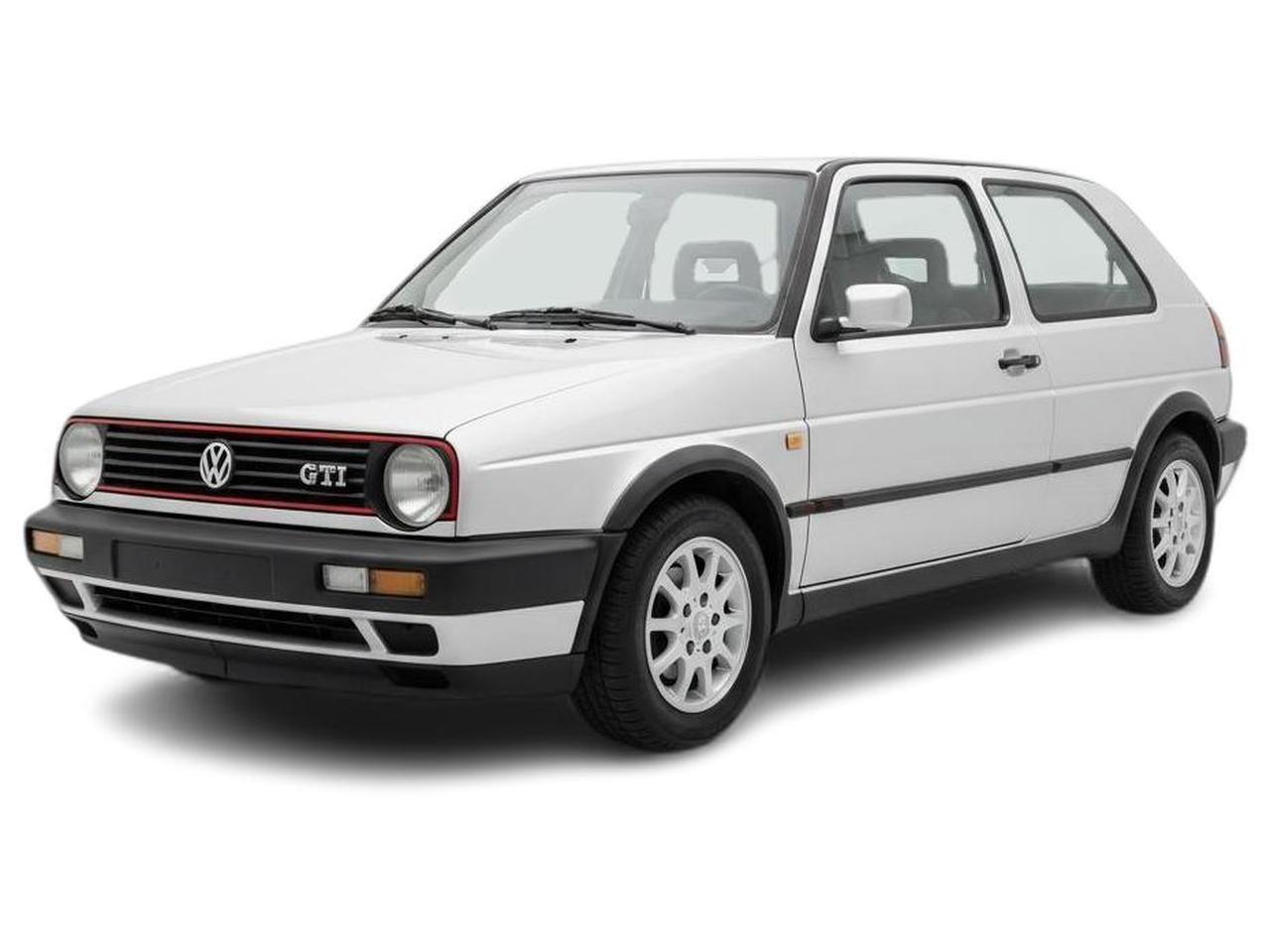
The 1991 Volkswagen Golf, part of the third generation (Mk3) introduced in Europe in 1991 and North America in 1992, is a compact car renowned for its solid engineering and practical design. Available as a two-door or four-door hatchback and a wagon, key trims included the base, CL, GL, and the sporty GTI. Its enduring popularity stems from its reputation for German build quality, a comfortable ride, and a timeless, understated aesthetic that appealed to buyers seeking a reliable and sensible hatchback.
The Good
The 1991 Golf offers a compelling blend of dependable performance, solid reliability, and comfortable commuting. Its functional design and efficient powertrains appeal to practicality, while its European driving dynamics and enduring build quality evoke a sense of lasting value and refined sensibility.
The Bad
Potential buyers of a 1991 Golf should be aware of common issues such as aging electrical components, potential for rust, especially on earlier models or in harsher climates, and wear and tear on suspension and interior plastics. Regular maintenance history is crucial.
1991 Volkswagen Golf: Quick Overview
- Engine Options: The 1991 Golf primarily featured gasoline engines. Common options included a 1.8-liter inline-four and a 2.0-liter inline-four. For performance-oriented models like the GTI, a 2.0-liter 16-valve engine was available. Diesel engines were also offered in some markets, typically a 1.9-liter naturally aspirated or turbocharged unit.
- Horsepower: Horsepower varied significantly by engine and trim. The base 1.8-liter engines typically produced around 70-90 horsepower. The 2.0-liter 8-valve engine offered in models like the CL and GL usually ranged from 100-115 horsepower. The GTI's 2.0-liter 16-valve engine pushed out approximately 134 horsepower. Diesel engines were less powerful, often in the 60-75 horsepower range.
- Fuel Economy: Fuel economy was a strong point for the Golf. Depending on the engine and transmission, combined MPG ratings often fell within the range of 25-35 MPG. The smaller displacement engines and diesel variants were particularly economical.
- 0-60 Times: Acceleration varied widely. Base models with smaller engines could take upwards of 11-14 seconds to reach 60 mph. The GTI with its more powerful engine could achieve this in around 8-9 seconds.
- Towing Capacity: The Volkswagen Golf was not designed for significant towing. Towing capacity, if officially rated, was generally very limited, suitable only for very light trailers or utility racks.
- Trim-Level Features:
Base: Typically came with essential features like power steering, manual windows, and basic cloth upholstery.
CL (Comfort Line): Added a few more comfort features, possibly including upgraded interior trim, intermittent wipers, and a more robust sound system.
GL (Grand Luxe): Offered a higher level of comfort and convenience, often including power windows, power mirrors, a more refined interior, and possibly air conditioning as standard or optional.
GTI: The performance variant, featuring sportier suspension, enhanced engine performance, sport seats, distinctive exterior styling cues (like red trim accents), and often a sunroof.
1991 Volkswagen Golf Specifications
Vehicle Information
| Year | 1991 |
| Make | Volkswagen |
| Model | Golf |
| Trim | - |
| Style | - |
| Type | Hatchback |
| Category | Compact Car |
Manufacturing Details
| Made In | Mexico |
| Manufacturing City | - |
Dimensions
| Doors | - |
| Curb Weight | - |
| Gross Vehicle Weight Rating | - |
| Overall Height | - |
| Overall Length | - |
| Overall Width | - |
| Wheelbase Length | - |
| Standard Seating | - |
Engine & Performance
| Engine | 1.8 L 4-Cyl. |
| Engine Size | 1.8L |
| Engine Cylinders | 4 |
| Transmission | - |
| Transmission Type | - |
| Transmission Speeds | - |
| Drivetrain | Front-Wheel Drive |
Additional Features
| Anti-Brake System | - |
| Steering Type | - |
Pricing
| Manufacturer Suggested Retail Price (MSRP) | - |
| Invoice Price | - |
| Delivery Charges | - |
Vehicle History Report
Vehicle
Specifications
Specifications
Ownership
History
History
All History
Events
Events
NMVTIS Title
History Check
History Check
Salvage/Rebuilt
Check
Check
Accident
Check
Check
Theft
Check
Check
Open Lien
Check
Check
Past Sale
Listings
Listings
Safety
Recalls
Recalls
Odometer
Check
Check
Market Price
Analysis
Analysis
What Problems Does the 1991 Volkswagen Golf Have?
The 1991 Volkswagen Golf, being a product of its era, exhibits some common issues and long-term reliability concerns typical for German cars of the late 80s and early 90s. One of the most frequently reported problems revolves around the electrical system. Owners often encounter issues with wiring harnesses, particularly in older, high-mileage vehicles, leading to intermittent failures of lights, power windows, and other electrical accessories. The fuel injection system, especially on models with Digifant fuel injection, can also be a source of trouble, with sensors like the Mass Airflow (MAF) sensor or oxygen sensor prone to failure, causing rough idling, poor performance, and increased emissions.
Cooling system components, such as radiators, hoses, and water pumps, are also known to degrade over time, leading to leaks and potential overheating, especially if not regularly maintained. On the exterior, rust is a significant concern, particularly in regions with harsh winters and road salt. Wheel arches, rocker panels, and the underside of the vehicle are common areas where corrosion can set in, compromising structural integrity.
Regarding mechanical reliability, the engines are generally robust, but components like the clutch (on manual transmissions) and exhaust systems will eventually require replacement due to wear. Suspension components, including control arm bushings and shock absorbers, can also wear out, leading to a less precise feel and potential clunks over bumps. While specific model year recalls for the 1991 Golf are not extensive, general maintenance and proactive replacement of aging parts are crucial for long-term ownership. Owners should pay close attention to the condition of rubber components and the maintenance history, as neglected upkeep can exacerbate these common issues.
Cooling system components, such as radiators, hoses, and water pumps, are also known to degrade over time, leading to leaks and potential overheating, especially if not regularly maintained. On the exterior, rust is a significant concern, particularly in regions with harsh winters and road salt. Wheel arches, rocker panels, and the underside of the vehicle are common areas where corrosion can set in, compromising structural integrity.
Regarding mechanical reliability, the engines are generally robust, but components like the clutch (on manual transmissions) and exhaust systems will eventually require replacement due to wear. Suspension components, including control arm bushings and shock absorbers, can also wear out, leading to a less precise feel and potential clunks over bumps. While specific model year recalls for the 1991 Golf are not extensive, general maintenance and proactive replacement of aging parts are crucial for long-term ownership. Owners should pay close attention to the condition of rubber components and the maintenance history, as neglected upkeep can exacerbate these common issues.
How long will the 1991 Volkswagen Golf last?
With diligent maintenance, a 1991 Volkswagen Golf can achieve impressive longevity, with many owners reporting well over 200,000 miles. The core mechanical components, particularly the engines and transmissions, are known for their durability when properly cared for. However, the primary weaknesses that emerge over time are related to aging electrical components and corrosion. Electrical gremlins can become more prevalent as wiring insulation degrades, and rust can compromise the body structure, especially in humid or salt-prone climates. Regular fluid changes, timely replacement of wear items like belts and hoses, and addressing minor rust spots proactively are key to maximizing its service life and ensuring continued reliable operation well into its second or third decade.
What Technology & Safety Features are Included?
The 1991 Volkswagen Golf reflects the automotive technology of its era, offering a functional rather than feature-rich experience. Built-in tech was basic, primarily focused on essential functions. The entertainment system typically consisted of an AM/FM radio, often with a cassette player. Higher trim levels might have offered a more advanced stereo with more speakers, but sophisticated infotainment systems were not part of the equation.
Driver-assistance features were virtually non-existent in the modern sense. Power steering was common, enhancing maneuverability, and anti-lock braking systems (ABS) were becoming increasingly available, particularly on higher trims or as an option, providing improved braking control during emergency stops.
Safety features for the 1991 Golf included front airbags for the driver and passenger, which were becoming standard on many vehicles by this time. Seatbelts were present, and the car's solid body structure, a hallmark of Volkswagen engineering, contributed to its overall safety profile. The car was designed with crumple zones to absorb impact energy.
Optional features could include air conditioning, power windows and locks (more common on GL trims and above), a sunroof, and cruise control.
Crash-test ratings for this generation of Golf, while not directly available from the NHTSA for this specific model year in the same format as today, generally indicated a good performance for its class. European NCAP ratings were not established in their current form. However, the general reputation for solid build quality and the inclusion of essential safety equipment like airbags and ABS suggested a reasonable level of occupant protection for the time. It was considered a safe and well-built compact car compared to many of its contemporaries.
Driver-assistance features were virtually non-existent in the modern sense. Power steering was common, enhancing maneuverability, and anti-lock braking systems (ABS) were becoming increasingly available, particularly on higher trims or as an option, providing improved braking control during emergency stops.
Safety features for the 1991 Golf included front airbags for the driver and passenger, which were becoming standard on many vehicles by this time. Seatbelts were present, and the car's solid body structure, a hallmark of Volkswagen engineering, contributed to its overall safety profile. The car was designed with crumple zones to absorb impact energy.
Optional features could include air conditioning, power windows and locks (more common on GL trims and above), a sunroof, and cruise control.
Crash-test ratings for this generation of Golf, while not directly available from the NHTSA for this specific model year in the same format as today, generally indicated a good performance for its class. European NCAP ratings were not established in their current form. However, the general reputation for solid build quality and the inclusion of essential safety equipment like airbags and ABS suggested a reasonable level of occupant protection for the time. It was considered a safe and well-built compact car compared to many of its contemporaries.
What Colors Options are Available?
1991 Volkswagen Golf Prices and Market Value
When new, the 1991 Volkswagen Golf typically ranged from approximately $12,000 to $18,000, depending on the trim level and options. Today, the used market prices for a 1991 Golf vary considerably based on condition, mileage, and trim. Well-maintained examples, especially the GTI model, can fetch anywhere from $2,000 to $7,000 or more for pristine, low-mileage specimens. However, most will fall into the $1,000 to $3,000 range. The Golf has experienced significant depreciation, as is typical for most vehicles of this age. Factors affecting resale value include the presence of rust, the condition of the interior, the completeness of maintenance records, and whether original components are intact. Unique trims like the GTI command a premium, while base models are more budget-friendly.
1991 Volkswagen Golf Cost of Ownership
The 1991 Volkswagen Golf is generally considered economical to own. Insurance costs are typically low due to its age and lower replacement value. Fuel efficiency is a strong suit, especially with the smaller engines, making daily running costs affordable. Maintenance and repair costs are moderate. While parts are readily available, some specialized VW parts can be pricier than those for mass-market American or Japanese cars. Routine maintenance is essential to prevent costly repairs. Overall, it offers a good balance of affordability and long-term value, making it an economical choice for many owners, provided it has been reasonably well-maintained.
1991 Volkswagen Golf Fuel Efficiency
Fuel Type
Gasoline
Fuel Capacity
-
City Mileage
-
Highway Mileage
-
1991 Volkswagen Golf Recalls & Defects
Fuel System, Gasoline:delivery:hoses, Lines/Piping, and Fittings
Recall date
1992-04-14
Recall no.
92v058000
Source
NHTSA
Summary
THE Fuel Hose Attached TO THE Fuel Distribution Rail ON THE Engine MAY Shrink Beyond THE Clamp Force OF THE Fuel Hose Clamps, Allowing Fuel TO Leak.
Consequence
Fuel Leakage IN THE Engine Compartment CAN Cause AN Underhood Fire IF THE Fuel Comes IN Contact With A Source OF Ignition.
Remedy
Replace THE Fuel Hose Attached TO THE Fuel Rail and Install A NEW Spring Type Self-Tightening Clamp.
Notes
System: Fuel Lines.vehicle Description:passenger Cars.
Service Brakes, Hydraulic:foundation Components:hoses, Lines/Piping, and Fittings
Recall date
1993-08-02
Recall no.
93v129000
Source
NHTSA
Summary
AN Engine Preheating Tube MAY NOT BE Properly Supported DUE TO A Missing Support Bracket, Causing THE Preheating Tube TO Chafe Against THE Right Front Metal Brake Line. This CAN Damage THE Hydraulic Line, Causing Brake Fluid Leakage and Diminished Braking IN ONE Brake Circuit.
Consequence
Diminished Braking CAN Result IN Increased Stoppingdistances and A Possible Accident.
Remedy
Dealers Will Install A Preheating Tube Support Bracket TO Ensure Proper Positioning Relative TO THE Right Front Metal Brake Line.
Notes
System: Brakes; Hydraulic Lines.vehicle Description: Passenger Cars Equipped With Digifant Engine Managementsystems.
Service Brakes, Hydraulic
Recall date
2006-03-01
Recall no.
06e018000
Source
NHTSA
Summary
Certain Hydraulic Brake Hoses, P/N 171.611.107b, Sold AS Replacement Equipment FOR 1975-1985 Volkswagen (Vw) Rabbit; 1985-1992 VW Golf; and 1980-1992 VW Jetta Passenger Vehicles. Possible Brake Hose Rupture Could Occur Which Fails TO Comply With THE Requirements OF Federal Motor Vehicle Safety Standard NO. 106, "brake Hoses."
Consequence
Brake Hose Rupture Could Result IN Loss OF Braking Ability, Possibly Resulting IN A Vehicle Crash.
Remedy
Foreign Parts Distributors Will Notify Owners and Replace THE Brake Hoses With Compliant Brake Hoses. THE Recall Began ON March 30, 2006. Owners MAY Contact Foreign Parts Distributors AT 305-885-8646 Ext. 11.
Notes
Customers MAY Contact THE National Highway Traffic Safety Administration's Vehicle Safety Hotline AT 1-888-327-4236 (Tty: 1-800-424-9153); or GO TO Http://Www.safercar.gov.
1991 Volkswagen Golf Insurance
Insurance for a 1991 Volkswagen Golf is moderately priced, reflecting its status as a Hatchback with strong safety ratings and
reasonable repair costs.
How Does the 1991 Volkswagen Golf Compare to Other Hatchback?
The 1991 Volkswagen Golf competed in a crowded compact car segment against stalwarts like the Honda Civic, Toyota Corolla, Ford Escort, and Chevrolet Cavalier. In terms of performance, the Golf, especially the GTI models, offered a more engaging European driving experience with sharper handling and better ride quality than many of its front-wheel-drive American or Japanese counterparts. The base models were competent but less spirited.
When it came to features, the Golf was generally on par with competitors in its class. While not always leading in cutting-edge technology, it offered a solid suite of amenities, particularly in its higher trims (GL, GTI), with features like power windows, power mirrors, and often a more refined interior feel than some rivals.
Reliability was a mixed bag. While the core mechanicals were robust, the Golf of this era could be more susceptible to electrical issues and rust compared to the legendary reliability of the Honda Civic and Toyota Corolla. However, it often felt more substantial and better built than the Escort or Cavalier.
Price-wise, the Golf typically sat in the mid-to-upper range of the compact segment when new, reflecting its German engineering and perceived quality.
Alternatives:
- Similar: The 1991 Volkswagen Jetta offered a larger sedan/wagon version with similar driving dynamics.
- Better Reliability: For buyers prioritizing bulletproof reliability above all else, a 1991 Honda Civic or Toyota Corolla would be a safer bet, though they might offer a less engaging driving experience.
- Value/Performance: Depending on market and condition, a Mazda Protegé could offer a good blend of value and driving dynamics, though potentially with less robust build quality. The Golf, particularly the GTI, remains a desirable choice for those who appreciate its blend of practical utility and European driving character, even with its potential maintenance quirks.
When it came to features, the Golf was generally on par with competitors in its class. While not always leading in cutting-edge technology, it offered a solid suite of amenities, particularly in its higher trims (GL, GTI), with features like power windows, power mirrors, and often a more refined interior feel than some rivals.
Reliability was a mixed bag. While the core mechanicals were robust, the Golf of this era could be more susceptible to electrical issues and rust compared to the legendary reliability of the Honda Civic and Toyota Corolla. However, it often felt more substantial and better built than the Escort or Cavalier.
Price-wise, the Golf typically sat in the mid-to-upper range of the compact segment when new, reflecting its German engineering and perceived quality.
Alternatives:
- Similar: The 1991 Volkswagen Jetta offered a larger sedan/wagon version with similar driving dynamics.
- Better Reliability: For buyers prioritizing bulletproof reliability above all else, a 1991 Honda Civic or Toyota Corolla would be a safer bet, though they might offer a less engaging driving experience.
- Value/Performance: Depending on market and condition, a Mazda Protegé could offer a good blend of value and driving dynamics, though potentially with less robust build quality. The Golf, particularly the GTI, remains a desirable choice for those who appreciate its blend of practical utility and European driving character, even with its potential maintenance quirks.
Final Verdict: Is the 1991 Volkswagen Golf a Good Hatchback?
The 1991 Volkswagen Golf is ideal for budget-conscious buyers who appreciate solid German engineering, practical hatchback utility, and a more engaging driving experience than many contemporaries. It's certainly worth buying if you're looking for a reliable used car with character. However, a thorough pre-purchase inspection is crucial.
This vehicle is best purchased in good to excellent condition, with a well-documented maintenance history. Models like the CL and GL offer a good balance of comfort and economy. The GTI is a fantastic choice for enthusiasts seeking a spirited, classic hot hatch. Avoid cars with significant rust or obvious electrical issues. For the right price and condition, the 1991 Golf remains a charming and capable compact car.
