The 1988 Kenworth T800 is a legendary Class 8 truck, built for demanding vocational and long-haul applications. Introduced in the early 1980s and continuing through many iterations, the T800 is renowned for its robust construction and versatility. Key trims often reflected its intended use, such as the T800 conventional. Pricing new was substantial, reflecting its heavy-duty nature, and used pricing varies significantly based on condition and configuration, but remains strong due to its reputation. Its iconic extended hood and exceptional durability make it a highly sought-after workhorse.
The Good
The 1988 Kenworth T800 offers unparalleled reliability and robust performance, capable of handling immense loads. Its durable construction appeals to practical buyers, while its classic, imposing design and legendary status evoke a sense of pride and legacy for many.
The Bad
Potential weaknesses for a 1988 Kenworth T800 include the age-related wear and tear on components like the drivetrain, suspension, and electrical systems. Rust can be a significant issue, especially in corrosive environments. Fuel efficiency may also be lower compared to modern trucks.
1988 Kenworth T800: Quick Overview
- Engine Options: The 1988 Kenworth T800 was available with a range of powerful diesel engines from manufacturers like Cummins and Caterpillar. Common options included the Cummins NTC series (e.g., NTC 400, NTC 475) and Caterpillar 3406 variants. These engines were known for their torque and durability, designed for heavy-duty commercial use.
- Horsepower: Horsepower ratings varied significantly depending on the specific engine and configuration, typically ranging from approximately 350 horsepower to over 500 horsepower. For example, a Cummins NTC 400 would produce around 400 horsepower, while a higher-spec Caterpillar could exceed 500 horsepower.
- Fuel Economy: Fuel economy for a Class 8 truck like the T800 is heavily dependent on factors such as load, terrain, driving style, and engine choice. In 1988, it would likely range from 4-6 miles per gallon (MPG) under optimal conditions for highway hauling.
- 0-60 Times: 0-60 times are not a typical or relevant metric for heavy-duty trucks. Their purpose is not rapid acceleration but sustained power and torque for hauling. A fully loaded T800 would take a considerable amount of time to reach highway speeds.
- Towing Capacity: The towing capacity of the 1988 Kenworth T800 is substantial, designed for heavy-duty applications. It could be configured for various purposes, including tractor-trailer operations, and its Gross Vehicle Weight Rating (GVWR) could exceed 80,000 pounds, with potential for much higher Gross Combined Weight Ratings (GCWR) depending on the chassis and axle configuration. It was capable of towing immense loads, often in the 50-80 ton range or more for specialized applications.
- Trim-Level Features: While Kenworth T800s are primarily configured for vocational and commercial use rather than traditional 'trim levels' like passenger cars, features often revolved around their intended application. This included different cab configurations (e.g., day cab, extended cab), suspension types (e.g., heavy-duty leaf spring, air ride), axle setups (e.g., tandem rear axles), exhaust systems, and various chassis options for mounting specialized equipment like dump bodies, tankers, or concrete mixers. Interior features were generally functional and durable, prioritizing driver comfort for long hours, with options for upgraded seats, auxiliary heating, and basic instrumentation.
1988 Kenworth T800 Specifications
Vehicle Information
| Year | 1988 |
| Make | Kenworth |
| Model | T800 |
| Trim | - |
| Style | - |
| Type | Truck |
| Category | Class 8 Tractor |
Manufacturing Details
| Made In | Canada |
| Manufacturing City | MONTREAL |
Dimensions
| Doors | - |
| Curb Weight | - |
| Gross Vehicle Weight Rating | 57000 pounds |
| Overall Height | - |
| Overall Length | - |
| Overall Width | - |
| Wheelbase Length | - |
| Standard Seating | - |
Engine & Performance
| Engine | 12.7L I6 |
| Engine Size | 12.7L |
| Engine Cylinders | 6 |
| Transmission | - |
| Transmission Type | - |
| Transmission Speeds | - |
| Drivetrain | 6x4 |
Additional Features
| Anti-Brake System | - |
| Steering Type | - |
Pricing
| Manufacturer Suggested Retail Price (MSRP) | - |
| Invoice Price | - |
| Delivery Charges | - |
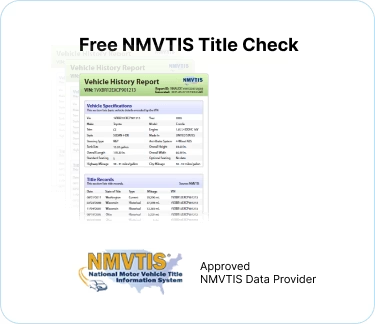
Vehicle History Report
Vehicle
Specifications
Specifications
Ownership
History
History
All History
Events
Events
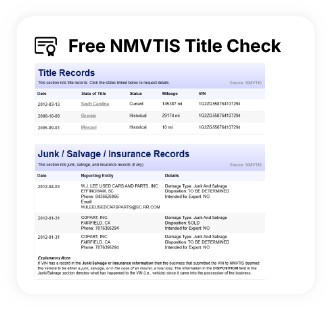
NMVTIS Title
History Check
History Check
Salvage/Rebuilt
Check
Check
Accident
Check
Check
Theft
Check
Check
Open Lien
Check
Check
Past Sale
Listings
Listings
Safety
Recalls
Recalls
Odometer
Check
Check
Market Price
Analysis
Analysis
What Problems Does the 1988 Kenworth T800 Have?
As a vehicle from 1988, the 1988 Kenworth T800, like any truck of this age, can experience common issues related to wear and tear over decades of service. While specific model year recalls for this exact year are difficult to pinpoint without extensive historical databases, general concerns for trucks of this era often include:
Engine and Drivetrain: Overhaul needs for engines (Cummins and Caterpillar) are a common consideration. The age can lead to worn injectors, turbocharger issues, or gasket leaks. Transmissions, whether manual or automatic, can develop wear in synchronizers, clutches, or internal components. The differential and axle components are also subject to wear and require regular inspection and maintenance.
Electrical Systems: Older electrical systems can be prone to issues with wiring harnesses degrading, corrosion in connectors, and failing components like alternators, starters, and various sensors. Faulty gauges or lighting systems are not uncommon.
Suspension and Chassis: Leaf springs can fatigue and break, and air suspension systems, if equipped, may develop leaks in air bags or lines. Kingpins, bushings, and other steering and suspension components can wear out, affecting handling and alignment. Rust is a significant long-term concern, particularly on the frame rails, cab mounts, and body panels, especially in regions with harsh winters or coastal environments.
Brake Systems: Air brake systems require regular maintenance. Leaking air lines, worn brake chambers, or issues with the air compressor can compromise braking performance. Brake drums and shoes will also require periodic replacement.
Cab and Interior: Seals around doors and windows can degrade, leading to water leaks and wind noise. HVAC systems may require component replacement due to age. Interior upholstery and dashboard components can show significant wear and tear.
Long-Term Reliability: The long-term reliability of a 1988 T800 is heavily contingent on its maintenance history and how it has been operated. A well-maintained T800 with regular servicing and repairs can still be a very reliable workhorse. However, units that have been neglected will likely require substantial investment to restore to good operating condition. There are no widespread, model-year specific critical flaws that are universally reported for this particular year beyond the general aging concerns of heavy-duty vehicles.
Engine and Drivetrain: Overhaul needs for engines (Cummins and Caterpillar) are a common consideration. The age can lead to worn injectors, turbocharger issues, or gasket leaks. Transmissions, whether manual or automatic, can develop wear in synchronizers, clutches, or internal components. The differential and axle components are also subject to wear and require regular inspection and maintenance.
Electrical Systems: Older electrical systems can be prone to issues with wiring harnesses degrading, corrosion in connectors, and failing components like alternators, starters, and various sensors. Faulty gauges or lighting systems are not uncommon.
Suspension and Chassis: Leaf springs can fatigue and break, and air suspension systems, if equipped, may develop leaks in air bags or lines. Kingpins, bushings, and other steering and suspension components can wear out, affecting handling and alignment. Rust is a significant long-term concern, particularly on the frame rails, cab mounts, and body panels, especially in regions with harsh winters or coastal environments.
Brake Systems: Air brake systems require regular maintenance. Leaking air lines, worn brake chambers, or issues with the air compressor can compromise braking performance. Brake drums and shoes will also require periodic replacement.
Cab and Interior: Seals around doors and windows can degrade, leading to water leaks and wind noise. HVAC systems may require component replacement due to age. Interior upholstery and dashboard components can show significant wear and tear.
Long-Term Reliability: The long-term reliability of a 1988 T800 is heavily contingent on its maintenance history and how it has been operated. A well-maintained T800 with regular servicing and repairs can still be a very reliable workhorse. However, units that have been neglected will likely require substantial investment to restore to good operating condition. There are no widespread, model-year specific critical flaws that are universally reported for this particular year beyond the general aging concerns of heavy-duty vehicles.
How long will the 1988 Kenworth T800 last?
A 1988 Kenworth T800, with proper and diligent maintenance, is built for extreme longevity. It's not uncommon for these trucks to accumulate well over 1 million miles, with many exceeding 1.5 million miles before requiring a major engine or transmission overhaul. Owner data and maintenance habits are the most critical factors. Trucks used for long-haul trucking with consistent, high-mileage usage and regular, professional servicing can be incredibly durable. Conversely, trucks used for severe vocational applications with less frequent maintenance may show significant wear and tear much sooner. Weaknesses over time primarily manifest as age-related component failures, rust, and the need for increasingly frequent repairs on aging systems. However, the core chassis and heavy-duty components are designed to endure, making them a testament to Kenworth's build quality if cared for.
What Technology & Safety Features are Included?
The 1988 Kenworth T800, by modern standards, is exceptionally basic in terms of technology, entertainment, driver-assistance, and safety features. Its focus was squarely on function and durability for commercial operations, not advanced amenities.
Built-in Tech: The technology present would be rudimentary. This primarily consisted of essential instrumentation: a speedometer, tachometer, fuel gauge, oil pressure gauge, coolant temperature gauge, and various warning lights for air pressure, brakes, and engine status. There were no integrated infotainment systems, GPS navigation, or digital displays. Communication systems were limited to aftermarket radios or CB radios.
Entertainment: Entertainment options were virtually non-existent beyond an AM/FM radio, which was often an optional extra. If a CD player or cassette player was present, it would have been an aftermarket installation. The driver's entertainment was typically their own devices or the radio.
Driver-Assistance Features: Driver-assistance features as we know them today were absent. There were no adaptive cruise control, lane departure warnings, blind-spot monitoring, or automatic emergency braking systems. The primary driver assistance was the truck's inherent design for visibility and control, along with features like power steering and power brakes.
Safety Features: Safety features were also minimal compared to contemporary vehicles. Standard safety equipment would include seat belts, which were mandated. The robust, steel construction of the cab offered a degree of passive safety. Brake systems, primarily air brakes, were crucial for safety, and their effectiveness depended on proper maintenance. Anti-lock braking systems (ABS) were starting to appear in heavy-duty trucks around this time, but were likely optional or not widely adopted on all 1988 T800 models, and certainly not standard. Mirrors were essential for driver awareness.

Optional Features: Optional features would have been geared towards enhancing operational capability and driver comfort for long hauls. These could include upgraded seat suspensions, auxiliary heaters, air conditioning (which may have been less powerful than modern systems), additional lighting, and various chassis configurations.
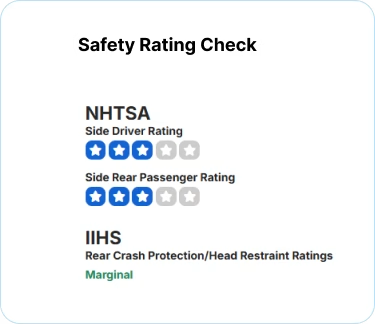
Crash-Test Ratings: Specific crash-test ratings for commercial trucks like the 1988 Kenworth T800 from agencies like the NHTSA are generally not available or applicable in the same way they are for passenger cars. The design and purpose of heavy-duty trucks prioritize structural integrity for load-carrying, and their size and weight differ significantly from passenger vehicles, making direct comparisons difficult and regulatory testing focused on different aspects.
Built-in Tech: The technology present would be rudimentary. This primarily consisted of essential instrumentation: a speedometer, tachometer, fuel gauge, oil pressure gauge, coolant temperature gauge, and various warning lights for air pressure, brakes, and engine status. There were no integrated infotainment systems, GPS navigation, or digital displays. Communication systems were limited to aftermarket radios or CB radios.
Entertainment: Entertainment options were virtually non-existent beyond an AM/FM radio, which was often an optional extra. If a CD player or cassette player was present, it would have been an aftermarket installation. The driver's entertainment was typically their own devices or the radio.
Driver-Assistance Features: Driver-assistance features as we know them today were absent. There were no adaptive cruise control, lane departure warnings, blind-spot monitoring, or automatic emergency braking systems. The primary driver assistance was the truck's inherent design for visibility and control, along with features like power steering and power brakes.
Safety Features: Safety features were also minimal compared to contemporary vehicles. Standard safety equipment would include seat belts, which were mandated. The robust, steel construction of the cab offered a degree of passive safety. Brake systems, primarily air brakes, were crucial for safety, and their effectiveness depended on proper maintenance. Anti-lock braking systems (ABS) were starting to appear in heavy-duty trucks around this time, but were likely optional or not widely adopted on all 1988 T800 models, and certainly not standard. Mirrors were essential for driver awareness.

Optional Features: Optional features would have been geared towards enhancing operational capability and driver comfort for long hauls. These could include upgraded seat suspensions, auxiliary heaters, air conditioning (which may have been less powerful than modern systems), additional lighting, and various chassis configurations.

Crash-Test Ratings: Specific crash-test ratings for commercial trucks like the 1988 Kenworth T800 from agencies like the NHTSA are generally not available or applicable in the same way they are for passenger cars. The design and purpose of heavy-duty trucks prioritize structural integrity for load-carrying, and their size and weight differ significantly from passenger vehicles, making direct comparisons difficult and regulatory testing focused on different aspects.
What Colors Options are Available?
1988 Kenworth T800 Prices and Market Value
New, a 1988 Kenworth T800 would have represented a significant investment, typically ranging from $80,000 to $150,000 or more, depending heavily on its configuration, engine, and specified vocational equipment. This reflected its status as a heavy-duty, purpose-built commercial vehicle.
Current used market prices for a 1988 Kenworth T800 vary dramatically. A well-maintained, functional unit with a desirable engine and configuration might fetch anywhere from $15,000 to $40,000 or higher. However, trucks requiring extensive refurbishment or with significant wear could be found for under $10,000.
Depreciation on heavy-duty trucks is less about rapid value loss like passenger cars and more about the cost of ongoing maintenance and the eventual need for major overhauls. While a 1988 model has seen substantial depreciation from its new price, its resale value is surprisingly strong for its age, driven by its legendary durability and reputation. Factors affecting resale value include engine hours, overall mileage, maintenance history, rust condition, tire condition, transmission type, and its suitability for current trucking needs.
Current used market prices for a 1988 Kenworth T800 vary dramatically. A well-maintained, functional unit with a desirable engine and configuration might fetch anywhere from $15,000 to $40,000 or higher. However, trucks requiring extensive refurbishment or with significant wear could be found for under $10,000.
Depreciation on heavy-duty trucks is less about rapid value loss like passenger cars and more about the cost of ongoing maintenance and the eventual need for major overhauls. While a 1988 model has seen substantial depreciation from its new price, its resale value is surprisingly strong for its age, driven by its legendary durability and reputation. Factors affecting resale value include engine hours, overall mileage, maintenance history, rust condition, tire condition, transmission type, and its suitability for current trucking needs.
1988 Kenworth T800 Cost of Ownership
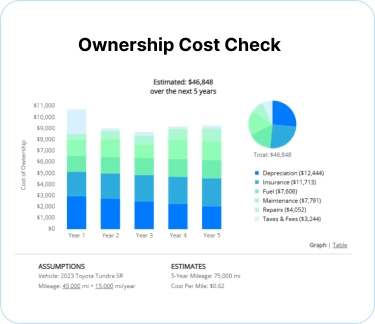
Owning a 1988 Kenworth T800 is generally not economical for an individual owner in the same way a light-duty vehicle is. Insurance costs will be substantial, reflecting its commercial nature and value. Fuel costs are high, given the powerful diesel engines and the nature of commercial trucking. Maintenance and repair are significant ongoing expenses; while durable, parts and specialized labor for heavy-duty trucks are costly. Expect regular fluid changes, filter replacements, tire wear, and potential for major engine or transmission work over its lifespan. It's a costly vehicle to own, but its value lies in its work capacity and long-term utility for businesses.
1988 Kenworth T800 Fuel Efficiency
Fuel Type
Diesel
Fuel Capacity
-
City Mileage
-
Highway Mileage
-
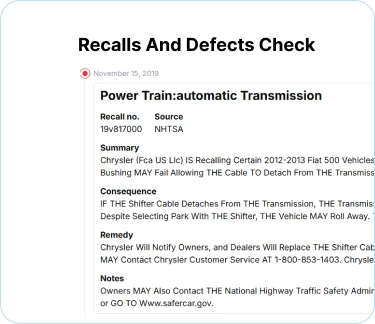
1988 Kenworth T800 Recalls & Defects
Vehicle Speed Control:accelerator Pedal
Recall date
1988-06-24
Recall no.
88v099000
Source
NHTSA
Summary
Electronic Throttle Sensors MAY Fail TO Return TO Idle DUE TO Throttle Pedal Stop Being Incorrectly Manufactured OF Aluminum Instead OF Steel.
Consequence
This Could Result IN Loss OF Truck Control and Anaccident.
Remedy
Replace Aluminum Throttle Pedal Stops With A Steel Version, Also, Replace Throttle Potentiometer IF IT HAS Been Overloaded.
Notes
System: Throttle Sensors.vehicle Description: Heavy Duty Trucks With Caterpillar Peec Type Engines.
Fuel System, Gasoline:delivery:hoses, Lines/Piping, and Fittings
Recall date
1989-01-07
Recall no.
89v019000
Source
NHTSA
Summary
Routing OF Fuel Line Could Allow IT TO Contact THE Electricial Connection ON THE Starter Solenoid.
Consequence
Such Contact Could Result IN A Truck Fire.
Remedy
Reroute Fuel Line and Secure Away From Starter Solenoid.
Notes
System: Fuel Line.vehicle Description: Heavy Duty Trucks With Caterpillar 3406 Engines.
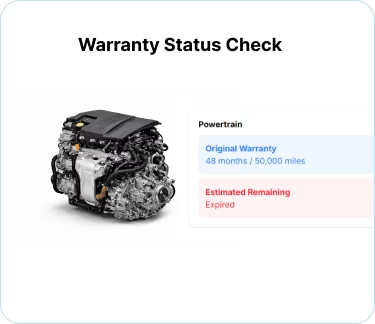
1988 Kenworth T800 Warranty
Basic
Original warranty
0 months / No data
Estimated remaining
Expired
Powertrain
Original warranty
0 months / No data
Estimated remaining
Expired
Rust
Original warranty
0 months / No data
Estimated remaining
Expired
1988 Kenworth T800 Insurance
Insurance for a 1988 Kenworth T800 is moderately priced, reflecting its status as a Truck with strong safety ratings and
reasonable repair costs.
How Does the 1988 Kenworth T800 Compare to Other Truck?
The 1988 Kenworth T800 competed in the heavy-duty conventional truck market against formidable rivals such as Peterbilt 379, Freightliner FLD120, and Mack CH models.
Performance: In terms of raw performance, the T800 was typically on par with its contemporaries. Equipped with powerful Cummins or Caterpillar engines, it offered the torque and horsepower necessary for demanding vocational and long-haul duties, matching or exceeding what Peterbilt and Freightliner offered in similar configurations. Mack trucks were also known for their robust powertrains.
Features: Features were a strong point for Kenworth, known for its driver-focused design and build quality, often considered a step above mass-produced competitors like Freightliner in terms of cab construction and refinement, though Peterbilt was a very close competitor. The T800 offered a durable and functional cabin. Modern features were non-existent across all these models from 1988; their focus was utility and durability.
Reliability: Kenworth, alongside Peterbilt, held a strong reputation for long-term reliability and build quality in 1988. Their chassis and components were often over-engineered for longevity, giving them an edge in enduring harsh conditions compared to some competitors. Mack also boasted a reputation for durability, particularly with their proprietary engines and transmissions. Freightliner, while offering good value, was sometimes perceived as having slightly less robust build quality in some areas compared to the premium Kenworth and Peterbilt offerings of that era.
Price: Pricing was generally in a similar premium bracket for Kenworth and Peterbilt, reflecting their build quality and brand prestige. Freightliner often positioned itself as a more value-oriented option, while Mack sat competitively within the premium segment.
Alternatives:
Similar Alternatives: The 1988 Peterbilt 379 is the most direct competitor, offering a very similar level of build quality, performance, and brand prestige. A 1988 Mack CH model would also be a strong contender, particularly for its robust powertrain and durable construction.
Better Alternatives (depending on specific needs): For specific vocational applications, one might consider trucks like the International Transtar or specific models from other manufacturers tailored for particular tasks. However, for a general-purpose heavy-duty conventional, the T800 and 379 remain the benchmarks. If seeking a more modern truck, one would need to look at significantly newer models, as the technology and features are vastly different.
Performance: In terms of raw performance, the T800 was typically on par with its contemporaries. Equipped with powerful Cummins or Caterpillar engines, it offered the torque and horsepower necessary for demanding vocational and long-haul duties, matching or exceeding what Peterbilt and Freightliner offered in similar configurations. Mack trucks were also known for their robust powertrains.
Features: Features were a strong point for Kenworth, known for its driver-focused design and build quality, often considered a step above mass-produced competitors like Freightliner in terms of cab construction and refinement, though Peterbilt was a very close competitor. The T800 offered a durable and functional cabin. Modern features were non-existent across all these models from 1988; their focus was utility and durability.
Reliability: Kenworth, alongside Peterbilt, held a strong reputation for long-term reliability and build quality in 1988. Their chassis and components were often over-engineered for longevity, giving them an edge in enduring harsh conditions compared to some competitors. Mack also boasted a reputation for durability, particularly with their proprietary engines and transmissions. Freightliner, while offering good value, was sometimes perceived as having slightly less robust build quality in some areas compared to the premium Kenworth and Peterbilt offerings of that era.
Price: Pricing was generally in a similar premium bracket for Kenworth and Peterbilt, reflecting their build quality and brand prestige. Freightliner often positioned itself as a more value-oriented option, while Mack sat competitively within the premium segment.
Alternatives:
Similar Alternatives: The 1988 Peterbilt 379 is the most direct competitor, offering a very similar level of build quality, performance, and brand prestige. A 1988 Mack CH model would also be a strong contender, particularly for its robust powertrain and durable construction.
Better Alternatives (depending on specific needs): For specific vocational applications, one might consider trucks like the International Transtar or specific models from other manufacturers tailored for particular tasks. However, for a general-purpose heavy-duty conventional, the T800 and 379 remain the benchmarks. If seeking a more modern truck, one would need to look at significantly newer models, as the technology and features are vastly different.
Final Verdict: Is the 1988 Kenworth T800 a Good Truck?
The 1988 Kenworth T800 is ideal for experienced owner-operators or small to medium-sized businesses in the trucking industry who prioritize proven durability, robust performance, and a strong heritage over modern creature comforts and advanced technology. It is absolutely worth buying for those with the mechanical aptitude or resources to maintain a classic heavy-duty truck. Buying this truck is best done on the used market, as new models are obviously not available. Focus on well-maintained examples, ideally with documented service history, and prioritize models with reliable engine and transmission choices (Cummins or Caterpillar engines are highly regarded). It is a purchase for those who understand the commitment to ongoing maintenance and are looking for a dependable, no-nonsense workhorse that can still perform essential trucking tasks effectively.