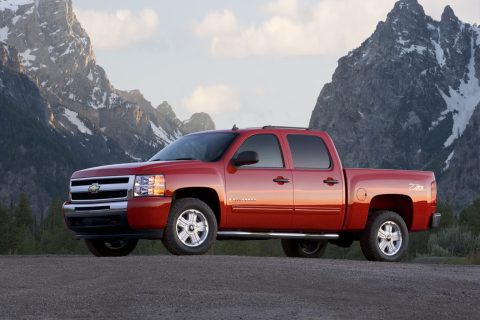
The 1988 Chevrolet Silverado 1500 marked the beginning of the fourth generation of Chevrolet's C/K pickup truck line. Introduced as a full-size pickup, it was produced for the 1988-1998 model years. Key trims included the base Work Truck (WT), the popular LS, and the more luxurious LT. Known for its robust construction, powerful engine options, and classic, no-nonsense styling, the Silverado 1500 quickly became a favorite for both work and everyday use, solidifying its reputation for durability and capability.

The Good
The 1988 Silverado 1500 boasts impressive towing and hauling capabilities, a reputation for rugged reliability, and a comfortable ride for its era. Its classic, timeless design appeals to many, while its straightforward mechanicals make it a practical choice for those seeking dependable, long-term value.
The Bad
Potential buyers should watch out for rust, particularly on the frame, bed, and cab corners. Electrical gremlins, aging suspension components, and potential gasket leaks are also common concerns. Pre-purchase inspection is highly recommended to identify these age-related issues.
1988 Chevrolet Silverado 1500: Quick Overview
- Engine Options: The 1988 Chevrolet Silverado 1500 offered a choice between two primary gasoline engines:
- 4.3L V6 (VIN Z)
- 5.7L V8 (VIN K)
- Horsepower:
- 4.3L V6: Approximately 160 horsepower
- 5.7L V8: Approximately 210 horsepower
- Fuel Economy: Fuel economy varied significantly based on engine, transmission, drivetrain (2WD/4WD), and driving conditions. Expect figures generally in the range of 12-16 MPG combined for V8 models and slightly better for V6 models. Official EPA estimates from this era were less precise than today's.
- 0-60 Times:
- With the 5.7L V8, 0-60 mph times were typically in the 8-10 second range, depending on configuration and driver.
- The 4.3L V6 would be several seconds slower.
- Towing Capacity: Towing capacity varied greatly depending on the specific configuration (engine, axle ratio, frame, towing packages). Properly equipped models could tow upwards of 7,000-8,000 lbs. Consult specific vehicle build sheets or owner's manuals for exact figures.
- Trim-Level Features:
- Work Truck (WT): Basic interior, vinyl flooring, manual windows and locks, AM radio. Focused on utility and durability.
- LS: A step up with more comfortable seating, upgraded interior trim, power windows and locks (optional or standard depending on year/package), AM/FM stereo, cruise control.
- LT: The top trim offering enhanced luxury features, premium upholstery, upgraded sound systems, and potentially more exterior chrome accents.
- Common available features across trims included air conditioning, intermittent wipers, tilt steering wheel, and various bed options (short bed, long bed, fleetside).
1988 Chevrolet Silverado 1500 Specifications
Vehicle Information
| Year | 1988 |
| Make | Chevrolet |
| Model | Silverado 1500 |
| Trim | - |
| Style | Regular Cab 2WD |
| Type | Pickup Truck |
| Category | Medium Truck |
Manufacturing Details
| Made In | Canada |
| Manufacturing City | OSHAWA TRUCK |
Dimensions
| Doors | 2-Door |
| Curb Weight | 3729 pounds |
| Gross Vehicle Weight Rating | 6000 pounds |
| Overall Height | 70.40 inches |
| Overall Length | 212.90 inches |
| Overall Width | 76.40 inches |
| Wheelbase Length | 131.50 inches |
| Standard Seating | 3 |
Engine & Performance
| Engine | 5.7L |
| Engine Size | 5.7L |
| Engine Cylinders | 8 |
| Transmission | 4-Speed Automatic |
| Transmission Type | Automatic |
| Transmission Speeds | 4-Speed |
| Drivetrain | Rear-Wheel Drive |
Additional Features
| Anti-Brake System | 2-Wheel ABS |
| Steering Type | Recirculating |
Pricing
| Manufacturer Suggested Retail Price (MSRP) | $10,819 |
| Invoice Price | - |
| Delivery Charges | - |
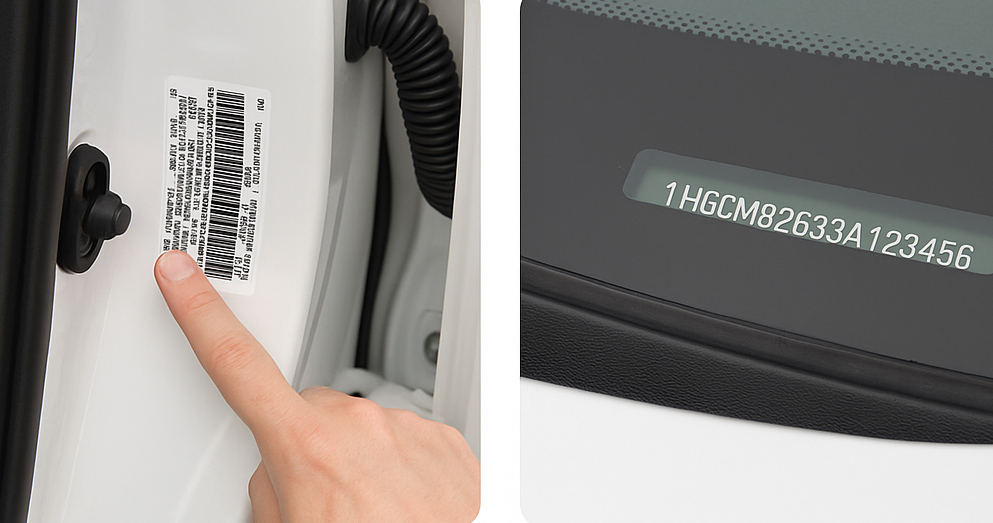
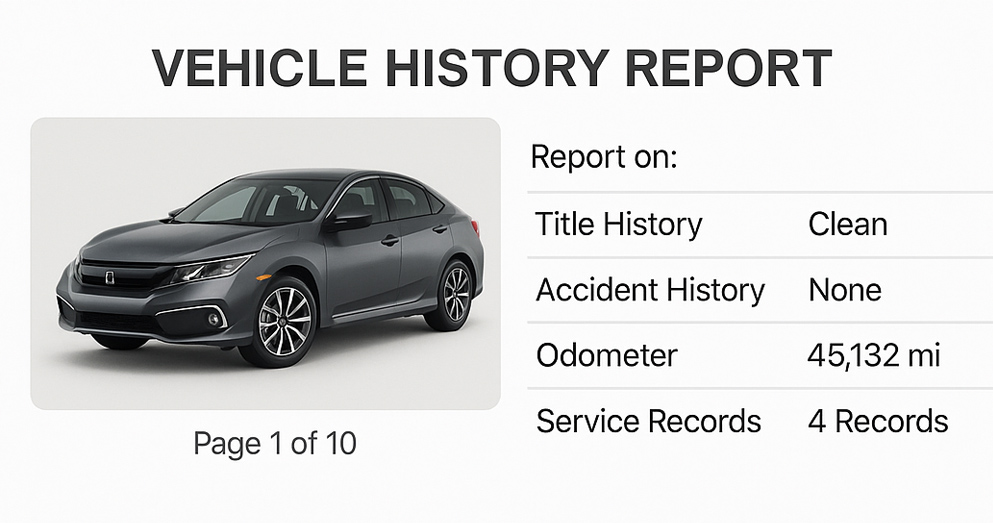
Vehicle History Report
Vehicle
Specifications
Specifications
Ownership
History
History
All History
Events
Events
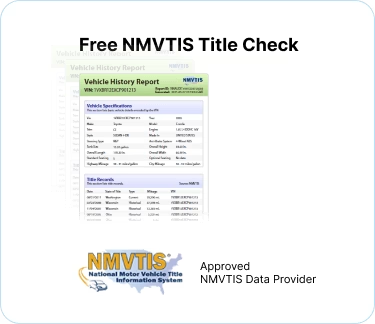
NMVTIS Title
History Check
History Check
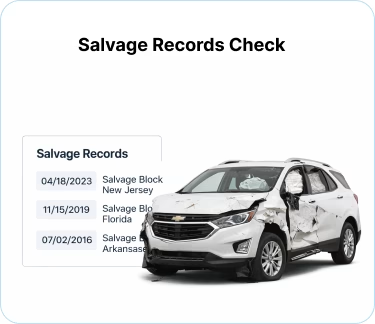
Salvage/Rebuilt
Check
Check
Accident
Check
Check
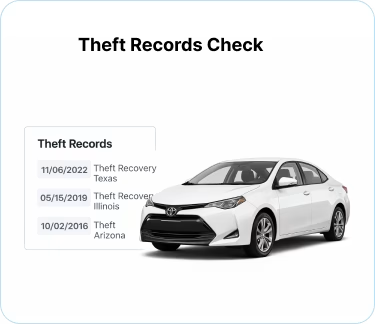
Theft
Check
Check
Open Lien
Check
Check
Past Sale
Listings
Listings
Safety
Recalls
Recalls
Odometer
Check
Check
Market Price
Analysis
Analysis
What Problems Does the 1988 Chevrolet Silverado 1500 Have?
The 1988 Chevrolet Silverado 1500, being part of the GMT400 platform's debut year, shares common issues with subsequent models of this generation, though some early production quirks can arise. One of the most frequently reported problems across these trucks is rust, particularly affecting the rocker panels, cab corners, rear quarter panels, and the frame rails, especially in areas exposed to road salt. This is a significant concern for potential buyers and requires thorough inspection.
Another area to watch for is the cooling system. Radiator leaks, heater core issues, and thermostat failures can occur due to age and material degradation. The transmission, particularly the 4-speed automatic (4L60), can develop issues like slipping or delayed shifting, often related to fluid changes being neglected or internal wear. Power steering leaks are also not uncommon.
The Vortec engines, while generally robust, can suffer from intake manifold gasket leaks, leading to coolant loss and potential overheating. Valve cover gaskets and rear main seals are also common sources of oil leaks on higher-mileage examples. Electrical issues, while not epidemic, can manifest as faulty sensors, intermittent dashboard warning lights, or problems with power windows and door locks as the wiring harnesses age and insulation deteriorates.
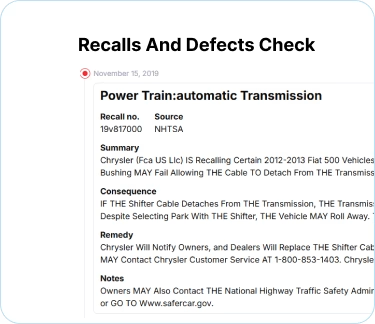
While specific recalls for the 1988 model year might be limited, later models in this generation saw recalls related to things like seat belt mechanisms or emission control systems. For the 1988 model, it's crucial to check for any outstanding recall notices through NHTSA or Chevrolet's databases. Long-term reliability is generally considered good if the truck has been well-maintained, but age-related wear and tear on rubber components, seals, and suspension parts are inevitable. The 1988 model year, being the first of the generation, might have had some initial teething problems that were ironed out in later years, but overall, the mechanicals are sound if cared for.
Another area to watch for is the cooling system. Radiator leaks, heater core issues, and thermostat failures can occur due to age and material degradation. The transmission, particularly the 4-speed automatic (4L60), can develop issues like slipping or delayed shifting, often related to fluid changes being neglected or internal wear. Power steering leaks are also not uncommon.
The Vortec engines, while generally robust, can suffer from intake manifold gasket leaks, leading to coolant loss and potential overheating. Valve cover gaskets and rear main seals are also common sources of oil leaks on higher-mileage examples. Electrical issues, while not epidemic, can manifest as faulty sensors, intermittent dashboard warning lights, or problems with power windows and door locks as the wiring harnesses age and insulation deteriorates.
While specific recalls for the 1988 model year might be limited, later models in this generation saw recalls related to things like seat belt mechanisms or emission control systems. For the 1988 model, it's crucial to check for any outstanding recall notices through NHTSA or Chevrolet's databases. Long-term reliability is generally considered good if the truck has been well-maintained, but age-related wear and tear on rubber components, seals, and suspension parts are inevitable. The 1988 model year, being the first of the generation, might have had some initial teething problems that were ironed out in later years, but overall, the mechanicals are sound if cared for.
How long will the 1988 Chevrolet Silverado 1500 last?
The 1988 Chevrolet Silverado 1500 is renowned for its long-term durability, with many examples still on the road well past 200,000 miles and even exceeding 300,000 miles with consistent maintenance. Average mileage can vary wildly based on original use, but finding examples with 150,000-250,000 miles is common. Owners who diligently performed regular oil changes, coolant flushes, and transmission services can expect many more years of service. The robust V8 engines, in particular, are known for their longevity. However, over time, weaknesses tend to emerge in areas like the chassis due to rust, especially in harsh climates, and aging suspension components (shocks, ball joints, bushings) will eventually require replacement. Electrical connectors can also corrode, leading to intermittent issues. With proper care, these trucks can offer decades of reliable service, but proactive rust prevention and maintenance are key.
What Technology & Safety Features are Included?
The 1988 Chevrolet Silverado 1500 represents an era where automotive technology was still relatively basic, focusing more on utility and mechanical robustness than cutting-edge digital integration.
Tech & Entertainment: Standard entertainment typically consisted of an AM/FM radio, often with a cassette player as an upgrade. Higher trim levels like the LT might have offered more speaker options or a more premium sound system. Features like air conditioning were available, and power windows and door locks became more common as optional or standard features on higher trims. Cruise control was also a popular optional feature. The dashboard was functional and straightforward, with clear analog gauges for speed, RPM, fuel level, oil pressure, temperature, and battery voltage.
Driver-Assistance Features: Driver-assistance features as we understand them today were virtually non-existent. ABS (Anti-lock Braking System) was becoming available on some trucks around this time, but it was often an optional extra on higher trims and not universally equipped. Parking sensors, backup cameras, and advanced traction control systems were not part of the automotive vocabulary for pickup trucks of this vintage. The primary safety aids were the driver's own awareness and the vehicle's mechanical braking system.
Safety Features: Standard safety features were limited to seat belts (lap and shoulder belts for front occupants) and a sturdy steel frame designed to absorb impact. Airbags were not standard equipment in 1988 for pickup trucks; they began to appear as optional or standard features in later years of this generation. The overall safety profile was that of a traditional, heavy-duty vehicle designed for durability rather than advanced occupant protection systems.
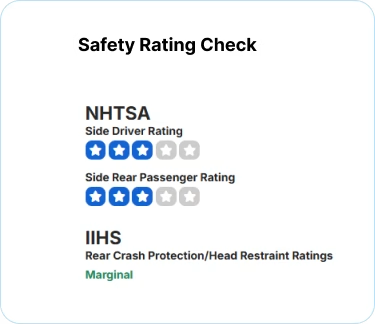
Crash-Test Ratings: Specific crash-test ratings for individual model years like 1988 were not conducted by organizations like the NHTSA or IIHS in the comprehensive manner they are today. Trucks of this era were generally tested less rigorously, and ratings were often more general and less detailed than modern standards. The structure of the Silverado 1500 was inherently robust due to its body-on-frame construction, but without modern crumple zones and advanced restraint systems, its performance in severe collisions would be considerably lower than contemporary vehicles.
Tech & Entertainment: Standard entertainment typically consisted of an AM/FM radio, often with a cassette player as an upgrade. Higher trim levels like the LT might have offered more speaker options or a more premium sound system. Features like air conditioning were available, and power windows and door locks became more common as optional or standard features on higher trims. Cruise control was also a popular optional feature. The dashboard was functional and straightforward, with clear analog gauges for speed, RPM, fuel level, oil pressure, temperature, and battery voltage.
Driver-Assistance Features: Driver-assistance features as we understand them today were virtually non-existent. ABS (Anti-lock Braking System) was becoming available on some trucks around this time, but it was often an optional extra on higher trims and not universally equipped. Parking sensors, backup cameras, and advanced traction control systems were not part of the automotive vocabulary for pickup trucks of this vintage. The primary safety aids were the driver's own awareness and the vehicle's mechanical braking system.
Safety Features: Standard safety features were limited to seat belts (lap and shoulder belts for front occupants) and a sturdy steel frame designed to absorb impact. Airbags were not standard equipment in 1988 for pickup trucks; they began to appear as optional or standard features in later years of this generation. The overall safety profile was that of a traditional, heavy-duty vehicle designed for durability rather than advanced occupant protection systems.
Crash-Test Ratings: Specific crash-test ratings for individual model years like 1988 were not conducted by organizations like the NHTSA or IIHS in the comprehensive manner they are today. Trucks of this era were generally tested less rigorously, and ratings were often more general and less detailed than modern standards. The structure of the Silverado 1500 was inherently robust due to its body-on-frame construction, but without modern crumple zones and advanced restraint systems, its performance in severe collisions would be considerably lower than contemporary vehicles.
What Colors Options are Available?
1988 Chevrolet Silverado 1500 Prices and Market Value
When new in 1988, the Chevrolet Silverado 1500 had an MSRP that typically ranged from the mid-$10,000s for a base Work Truck model to upwards of $20,000 for a well-optioned LT trim. These trucks were designed to be workhorses and held their value reasonably well due to their durability.
Currently, used market prices for a 1988 Silverado 1500 can vary dramatically. Well-maintained, low-mileage examples, especially those in desirable trims or with sought-after configurations (like the 5.7L V8 and 4WD), can fetch anywhere from $5,000 to $15,000 or even more for pristine, collector-quality specimens. Project trucks or those with significant wear and tear might be found for $2,000-$4,000.
Depreciation has largely plateaued for these trucks, as they are now considered classics or durable used vehicles. Factors affecting resale value include overall condition (especially rust), mileage, maintenance history, originality of parts, presence of desirable options (V8 engine, 4WD, towing packages), and market demand for classic trucks. Examples that have been meticulously maintained and are free from rust command the highest prices.
Currently, used market prices for a 1988 Silverado 1500 can vary dramatically. Well-maintained, low-mileage examples, especially those in desirable trims or with sought-after configurations (like the 5.7L V8 and 4WD), can fetch anywhere from $5,000 to $15,000 or even more for pristine, collector-quality specimens. Project trucks or those with significant wear and tear might be found for $2,000-$4,000.
Depreciation has largely plateaued for these trucks, as they are now considered classics or durable used vehicles. Factors affecting resale value include overall condition (especially rust), mileage, maintenance history, originality of parts, presence of desirable options (V8 engine, 4WD, towing packages), and market demand for classic trucks. Examples that have been meticulously maintained and are free from rust command the highest prices.
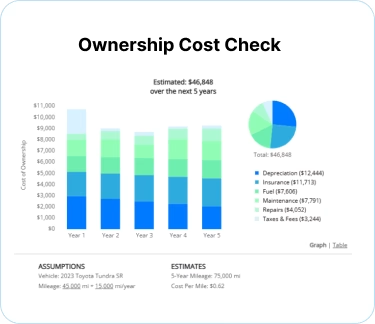
1988 Chevrolet Silverado 1500 Cost of Ownership
Ownership costs for a 1988 Chevrolet Silverado 1500 are generally moderate, leaning towards economical for those who can perform some maintenance themselves. Insurance is typically affordable, especially for liability-only coverage, as it's an older vehicle. Fuel costs will be a significant factor, especially with the V8 engine, as MPG is modest. Maintenance is straightforward and parts are widely available and relatively inexpensive, particularly for common wear items. Repairs can also be cost-effective if done by an independent mechanic, though specialized electronic diagnostics are less of a concern. Overall, it's an economical vehicle to own, provided you are prepared for age-related repairs and higher fuel consumption.
1988 Chevrolet Silverado 1500 Fuel Efficiency
Fuel Type
Gasoline
Fuel Capacity
25.00 gallons
City Mileage
17 miles/gallon
Highway Mileage
22 miles/gallon
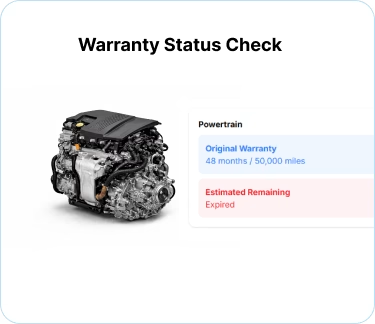
1988 Chevrolet Silverado 1500 Warranty
Basic
Original warranty
0 months / No data
Estimated remaining
Expired
Powertrain
Original warranty
0 months / No data
Estimated remaining
Expired
Rust
Original warranty
0 months / No data
Estimated remaining
Expired
1988 Chevrolet Silverado 1500 Insurance
Insurance for a 1988 Chevrolet Silverado 1500 is moderately priced, reflecting its status as a Pickup Truck with strong safety ratings and
reasonable repair costs.
How Does the 1988 Chevrolet Silverado 1500 Compare to Other Pickup Truck?
The 1988 Chevrolet Silverado 1500 competed in the highly contested full-size pickup truck market against strong rivals like the Ford F-150, Dodge Ram 1500, and Toyota T100 (though T100 came later, it represents a similar category).
Performance: The Silverado's 5.7L V8 offered competitive power for its era, generally on par with or slightly better than base V8 offerings from Ford and Dodge. Its towing and hauling capabilities were robust, making it a true workhorse.
Features: In 1988, feature content was comparable across the board. The Silverado offered a range of trims from basic to more creature-comfort oriented, similar to Ford's XLT and Eddie Bauer trims, and Dodge's SE and LE. Advanced tech was minimal for all.
Reliability: Chevrolet's reputation for durability, particularly with the small-block V8, was strong. While rust was a common concern for all body-on-frame trucks of this period, the mechanical underpinnings of the Silverado were generally considered reliable with good maintenance. Ford's F-150 also had a strong reliability record, especially with their inline-six engines. Dodge's Ram was known for its ruggedness but sometimes lagged slightly in overall refinement or specific component reliability compared to its rivals. Toyota's offerings, while often praised for long-term mechanical soundness, were typically smaller and less powerful in the half-ton class at this time.
Price: Pricing was competitive. The Silverado often offered a good balance of features and capability for its price point, making it an attractive option.
Alternatives:
Performance: The Silverado's 5.7L V8 offered competitive power for its era, generally on par with or slightly better than base V8 offerings from Ford and Dodge. Its towing and hauling capabilities were robust, making it a true workhorse.
Features: In 1988, feature content was comparable across the board. The Silverado offered a range of trims from basic to more creature-comfort oriented, similar to Ford's XLT and Eddie Bauer trims, and Dodge's SE and LE. Advanced tech was minimal for all.
Reliability: Chevrolet's reputation for durability, particularly with the small-block V8, was strong. While rust was a common concern for all body-on-frame trucks of this period, the mechanical underpinnings of the Silverado were generally considered reliable with good maintenance. Ford's F-150 also had a strong reliability record, especially with their inline-six engines. Dodge's Ram was known for its ruggedness but sometimes lagged slightly in overall refinement or specific component reliability compared to its rivals. Toyota's offerings, while often praised for long-term mechanical soundness, were typically smaller and less powerful in the half-ton class at this time.
Price: Pricing was competitive. The Silverado often offered a good balance of features and capability for its price point, making it an attractive option.
Alternatives:
- Ford F-150: A very strong contender, often lauded for its smooth ride (especially with the independent front suspension on some models) and powerful engine options. A similarly equipped F-150 is a comparable alternative.
- Dodge Ram 1500: Known for its imposing presence and strong frame. A good choice for those prioritizing a robust feel.
- GMC Sierra 1500: Essentially a badge-engineered twin of the Silverado, offering very similar performance, features, and reliability.
Final Verdict: Is the 1988 Chevrolet Silverado 1500 a Good Pickup Truck?
The 1988 Chevrolet Silverado 1500 is ideal for individuals seeking a classic, dependable, and capable full-size pickup truck for work, towing, or as a nostalgic daily driver. It's particularly well-suited for those who appreciate straightforward mechanicals, robust construction, and a no-frills driving experience.
It is absolutely worth buying, especially on the used market, provided you find a well-maintained example. Buying new is not an option as it's a classic. The conditions under which it's most recommended are:
- Used, well-maintained: Prioritize trucks with documented maintenance history and minimal rust.
- Specific Trims: The LS and LT trims offer a more comfortable experience for daily driving, while the Work Truck is best for pure utility.
- Engine Choice: The 5.7L V8 is highly recommended for its power and reliability.
- Climate: Best suited for drier climates where rust is less of an issue, or for buyers willing to invest in rust remediation.