
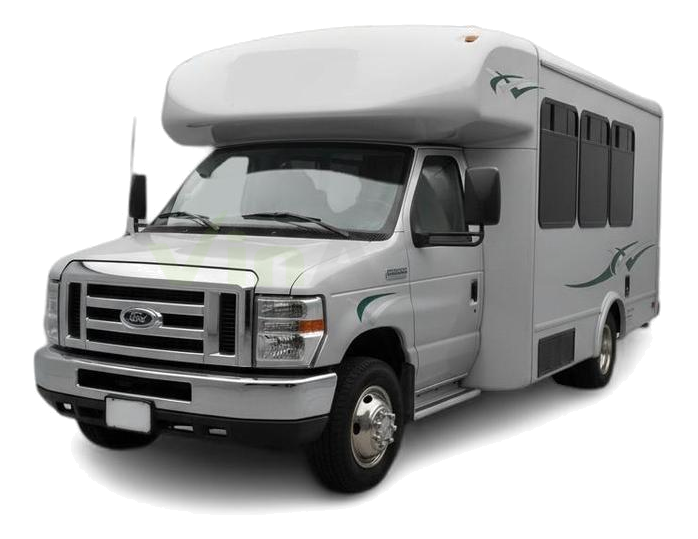
The Good
The 2010 Ford E-Series offers immense practical advantages with its powerful V8 engines, providing exceptional towing and hauling capabilities. Its legendary reliability makes it a trusted workhorse for demanding tasks. For emotional buyers, its robust, no-nonsense design and spacious utility offer a sense of unwavering capability and security, a vehicle ready for any job or adventure, delivering enduring value.
The Bad
Known weaknesses for the 2010 Ford E-Series include its relatively poor fuel economy, especially with the larger V8 and V10 engines. The ride quality can be somewhat unrefined and truck-like, and the interior, while functional, lacks modern amenities and ergonomic sophistication. Rust can also be a significant concern in older models, particularly on the undercarriage and body panels in corrosive climates.
2010 Ford E-Series: Quick Overview
- Engine Options:
- 4.6L Triton V8 (standard on E-150, available E-250)
- 5.4L Triton V8 (available on E-150, E-250, standard on E-350)
- 6.8L Triton V10 (available on E-350 Super Duty, cutaway chassis) - Horsepower/Torque:
- 4.6L V8: Approximately 225 hp and 286 lb-ft of torque
- 5.4L V8: Approximately 255 hp and 350 lb-ft of torque
- 6.8L V10: Approximately 305 hp and 420 lb-ft of torque - Fuel Economy (EPA estimates, highly dependent on load/configuration):
- 4.6L V8: Roughly 13-14 MPG city / 16-18 MPG highway
- 5.4L V8: Roughly 12-13 MPG city / 15-17 MPG highway
- 6.8L V10: Typically lower, around 10-12 MPG combined (no official EPA rating for van) - 0-60 Times: Not officially published for these utility vehicles, but generally slow and dependent on load. Expect times in the 9-12 second range.
- Towing Capacity (maximum, with proper equipment):
- E-150: Up to approximately 7,500 lbs
- E-250: Up to approximately 10,000 lbs
- E-350: Up to approximately 10,000 lbs (with 5.4L or 6.8L), higher in cutaway/stripped chassis configurations with appropriate GVWR. - Trim-Level Features:
- E-150: Base passenger and cargo models, often with more comfort-oriented features like power windows/locks and air conditioning standard or optional.
- E-250: Medium-duty, primarily cargo-oriented, but some passenger versions available. More robust suspension.
- E-350: "Super Duty" – heaviest duty, offered as cargo, passenger (XLT, Chateau), and cutaway/stripped chassis. Designed for maximum payload and towing.
- General Features: Standard AM/FM radio, vinyl or cloth seating, basic climate control. Optional features included CD player, auxiliary input, cruise control, tilt steering wheel, power accessories, rear air conditioning (passenger vans), and an optional limited-slip differential. XLT and Chateau passenger trims added more chrome, upgraded interior materials, and enhanced comfort features.
2010 Ford E-Series Specifications
Vehicle Information
| Year | 2010 |
| Make | Ford |
| Model | E-Series |
| Trim | - |
| Style | 3-Door 8-Cyclinder |
| Type | Van |
| Category | Cargo Van |
Manufacturing Details
| Made In | United States |
| Manufacturing City | AVON LAKE |
Dimensions
| Doors | 3-Door |
| Curb Weight | 4690 pounds |
| Gross Vehicle Weight Rating | 8600 pounds |
| Overall Height | 83.40 inches |
| Overall Length | 237.00 inches |
| Overall Width | 79.30 inches |
| Wheelbase Length | 138 in |
| Standard Seating | 2 |
Engine & Performance
| Engine | 4.6L V8 |
| Engine Size | 4.6L |
| Engine Cylinders | 8 |
| Transmission | 4-Speed Automatic |
| Transmission Type | Automatic |
| Transmission Speeds | 4-Speed |
| Drivetrain | Rear-Wheel Drive |
Additional Features
| Anti-Brake System | 4-Wheel ABS |
| Steering Type | Recirculating |
Pricing
| Manufacturer Suggested Retail Price (MSRP) | $26,715 |
| Invoice Price | $24,623 |
| Delivery Charges | $980 |
Vehicle History Report
Specifications
History
Events
History Check
Check
Check
Check
Check
Listings
Recalls
Check
Analysis
What Problems Does the 2010 Ford E-Series Have?
Rust is a significant long-term concern, especially in regions exposed to road salt. It commonly affects body panels, particularly around wheel arches and lower doors, as well as the frame and suspension components. HVAC blend door actuator failures, leading to improper temperature control, are also often reported. Fuel pump module issues and ABS sensor failures are other known, albeit less frequent, problems. While not always specific to the 2010 model year, these are common across the E-Series generation.
Regarding recalls, the 2010 E-Series had a few noteworthy campaigns:
- NHTSA Campaign Number: 10V338000 (July 20, 2010): Certain vehicles had a wiring harness that could contact a sharp edge of the instrument panel, potentially leading to a short circuit and fire risk.
- NHTSA Campaign Number: 10V604000 (December 16, 2010): Vehicles equipped with a trailer brake controller could experience an electrical short, causing the trailer brakes to apply unintentionally.
- NHTSA Campaign Number: 12V340000 (July 12, 2012): This recall, affecting 2009-2010 E-Series, addressed a power steering pressure hose that could chafe against the frame, leading to a fluid leak and potential loss of power steering assistance.
How long will the 2010 Ford E-Series last?
Long-term weaknesses primarily involve age and mileage-related wear. Rust remains a significant concern in corrosive environments, impacting the frame, undercarriage, and body panels over time. Suspension and steering components, such as ball joints and tie rods, require replacement after extensive use. Engine and transmission components, while generally stout, will eventually require attention at very high mileages. Proactive maintenance, including rust prevention and regular fluid changes, is crucial to maximize its considerable lifespan.
What Technology & Safety Features are Included?
Driver-assistance features were essentially nonexistent by modern standards. The E-Series was developed prior to the widespread adoption of technologies like blind-spot monitoring, lane-keeping assist, or adaptive cruise control. Drivers relied solely on their own observation and driving skills.
Safety features, however, were more substantial for its class. Standard equipment included:
- Driver and front passenger airbags.
- Four-wheel anti-lock brakes (ABS) for improved stopping performance and control.
- AdvanceTrac with Roll Stability Control (RSC), which was standard on all passenger vans and optional on cargo vans. This system helped prevent rollovers and maintain vehicle stability during evasive maneuvers.
Crash-test ratings from the National Highway Traffic Safety Administration (NHTSA) for the 2010 Ford E-Series (based on similar 2009 models) provided the following:
- Frontal Crash: 3 out of 5 stars for both driver and front passenger protection.
- Side Impact: The E-Series van versions were not rated for side impact, a common practice for full-size utility vans at the time.
- Rollover: 3 out of 5 stars for the Passenger Van, indicating a moderate risk of rollover in single-vehicle crashes.
What Colors Options are Available?
2010 Ford E-Series Prices and Market Value
Factors affecting resale value include low mileage, a rust-free body and frame, desirable configurations (e.g., larger V8 engine, specific shelving for cargo), and a complete maintenance history. Vans with signs of heavy commercial use, significant wear and tear, or extensive rust will naturally fetch lower prices. The E-Series' reputation for reliability helps it retain value.
2010 Ford E-Series Cost of Ownership
2010 Ford E-Series Fuel Efficiency
2010 Ford E-Series Safety Rating
NHTSA
IIHS
2010 Ford E-Series Warranty
Basic
Powertrain
Rust
2010 Ford E-Series Insurance
reasonable repair costs.
How Does the 2010 Ford E-Series Compare to Other Van?
In terms of Performance, the E-Series, particularly with its available 5.4L V8 and formidable 6.8L V10, offered robust towing and hauling capabilities, comparable to the Chevrolet Express/GMC Savana's V8 options. The Sprinter, however, with its diesel engines, prioritized fuel efficiency and unique cargo space (taller roof) over outright brute force.
Regarding Features, both the E-Series and Express/Savana were quite basic. Their interiors were functional and durable, designed for work rather than luxury, offering minimal creature comforts or advanced technology. The Sprinter, being a European design, often provided a more refined driving experience, better ergonomics, and slightly more advanced, albeit often more complex, features.
Reliability is a strong point for all three. The E-Series and Express/Savana are celebrated for their simple, durable, and easily repairable powertrains. While they have known issues (like spark plugs in Ford's Triton engines), they are generally long-lasting. Sprinters are also reliable, but their complex diesel engines can lead to more expensive and specialized repairs when issues do arise.
Price is where the E-Series and Express/Savana shine in the used market. They are generally the most affordable options, offering tremendous utility for the money. Used Sprinters, especially the Mercedes-Benz branded versions, tend to command higher prices due to their specialized nature, diesel powertrains, and often better fuel economy.
Similar Alternatives: The most direct and similar alternative is the 2010 Chevrolet Express or GMC Savana. They offer virtually identical utility, engine options, and price points, differing mostly in styling and minor interior details.
Better Alternatives (with caveats): For those prioritizing fuel efficiency, a more refined ride, and modern features, newer generation cargo vans like the Ram ProMaster, Ford Transit (which replaced the E-Series in this segment), or a newer Mercedes-Benz Sprinter would be "better." However, these come at a significantly higher purchase price and potentially more complex maintenance. For sheer budget-friendly, heavy-duty utility, the E-Series and Express remain excellent choices.
Final Verdict: Is the 2010 Ford E-Series a Good Van?
The E-Series excels in roles demanding heavy towing and hauling, where its powerful V8/V10 engines can be fully utilized. Buyers should seek well-maintained used models, ideally with a verifiable service history and thoroughly checked for rust, particularly on the frame and body panels. For commercial use, the E-250 or E-350 cargo variants offer the best value and capability. For large family transport, an E-350 passenger van provides ample space. However, be prepared for its truck-like driving dynamics and substantial fuel consumption. It's less suited for those desiring modern amenities, high fuel efficiency, or a car-like ride. For its intended purpose, it remains a highly dependable and cost-effective solution.

Eugene S
Eugene is an automotive enthusiast with over 15 years of experience in the used car market. As a writer at VINCheck.info, he brings deep industry insight and a passion for cars, helping readers make smart, informed decisions. Eugene has written hundreds of used car reviews and is known for breaking down complex automotive topics into clear, actionable advice. Over the years, he has driven and worked on a wide range of vehicles—starting with tuning street cars in his early days and eventually focusing on performance upgrades and reliability improvements. Today, he specializes in evaluating used vehicles through the lens of real-world ownership and enthusiast needs. A longtime fan of Porsche, Eugene especially appreciates vehicles that blend durability with driving enjoyment.