
The Good
The 2022 Ford E-Series offers immense practicality with its powerful V8 engine for heavy loads and a reputation for stout reliability, appealing to businesses seeking minimal downtime. Its utilitarian design facilitates extensive customization. While not luxurious, its proven platform delivers significant long-term value, making it an emotionally trusted "old reliable" for commercial applications requiring consistent performance.
The Bad
Known weaknesses of the 2022 Ford E-Series include its outdated interior and technology, offering minimal modern amenities. Fuel efficiency is predictably low due to its heavy-duty nature and large engine. The ride quality can be stiff, and handling is ponderous, reflecting its commercial, chassis-cab design rather than a refined passenger experience. Advanced driver-assistance features are also largely absent.
2022 Ford E-Series: Quick Overview
- Engine Options: The 2022 Ford E-Series cutaway and stripped chassis primarily offer one robust gasoline engine: a 7.3-liter "Godzilla" V8. This engine is designed for heavy-duty applications and provides ample power and torque for its intended commercial uses.
- Horsepower: The 7.3L V8 engine delivers approximately 325 horsepower and 450 lb-ft of torque. This power output is optimized for hauling and towing heavy loads rather than speed.
- Fuel Economy: Official EPA fuel economy ratings are typically not provided for commercial cutaway chassis vehicles like the E-Series, as their final weight and aerodynamic profile vary significantly depending on the upfit. However, given its large V8 engine and heavy-duty purpose, expect fuel economy to be in the low double digits, likely around 8-12 MPG depending on load and driving conditions.
- 0-60 Times: 0-60 mph acceleration times are not a relevant performance metric for the Ford E-Series cutaway chassis and are not officially published. Its design prioritizes torque and sustained power for hauling and towing over rapid acceleration.
- Towing Capacity: The towing capacity of the E-Series is substantial, varying by model (E-350 vs. E-450) and configuration. It can range significantly, with some E-450 configurations capable of towing over 10,000 pounds when properly equipped, making it a powerful platform for large trailers or attached bodies. Gross Vehicle Weight Ratings (GVWR) typically range from 11,500 lbs to 14,500 lbs.
- Trim-Level Features: The 2022 E-Series is offered primarily as E-350 and E-450 cutaway or stripped chassis models. Features are basic and utility-focused:
- Standard Equipment: Typically includes air conditioning, power steering, anti-lock brakes (ABS), heavy-duty battery, basic AM/FM stereo, vinyl seating, and durable floor coverings. The focus is on functionality and durability for commercial use.
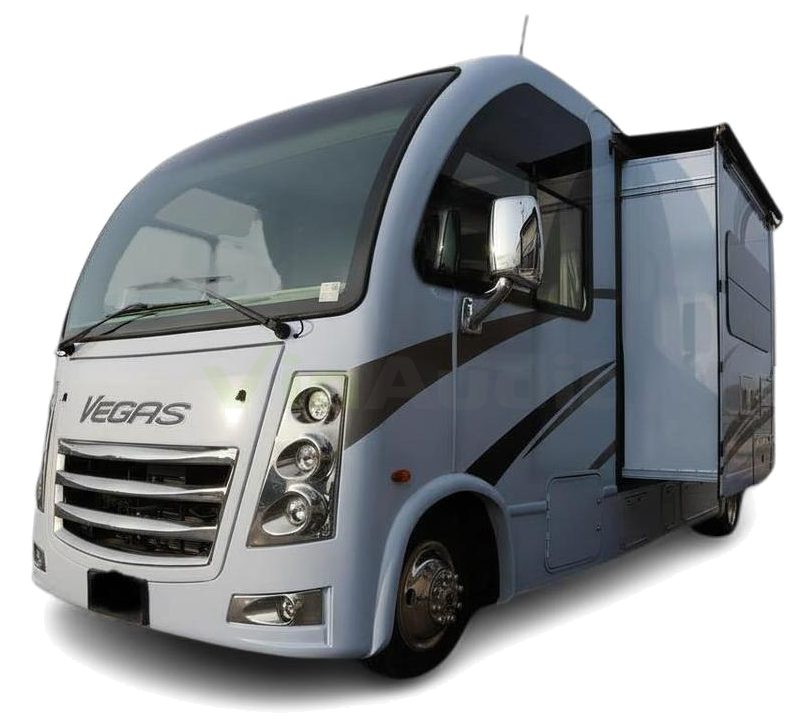
- Cab & Chassis Options: Available with various wheelbase lengths, single or dual rear wheels (DRW for E-450), and different frame configurations to accommodate diverse upfitting needs (e.g., box trucks, ambulances, RVs).
- Optional Features: Limited to practical enhancements such as trailer tow packages, auxiliary switches for upfitters, advanced alternators, power windows and locks, cruise control, and basic connectivity options like a USB port. Driver-assistance and advanced infotainment features are minimal, reflecting its commercial workhorse role.
2022 Ford E-Series Specifications
Vehicle Information
| Year | 2022 |
| Make | Ford |
| Model | E-Series |
| Trim | - |
| Style | - |
| Type | Van |
| Category | Special Purpose Vehicle |
Manufacturing Details
| Made In | United States |
| Manufacturing City | AVON LAKE |
Dimensions
| Doors | 2-Door |
| Curb Weight | - |
| Gross Vehicle Weight Rating | 7257.47 kg |
| Overall Height | - |
| Overall Length | - |
| Overall Width | - |
| Wheelbase Length | - |
| Standard Seating | - |
Engine & Performance
| Engine | 7.3L V8 |
| Engine Size | 7.3L |
| Engine Cylinders | 8 |
| Transmission | 6-Speed Automatic |
| Transmission Type | Automatic |
| Transmission Speeds | 6-Speed |
| Drivetrain | Rear-Wheel Drive |
Additional Features
| Anti-Brake System | - |
| Steering Type | - |
Pricing
| Manufacturer Suggested Retail Price (MSRP) | - |
| Invoice Price | - |
| Delivery Charges | - |
Vehicle History Report
Specifications
History
Events
History Check
Check
Check
Check
Check
Listings
Recalls
Check
Analysis
What Problems Does the 2022 Ford E-Series Have?
One area that can require attention over time, consistent with the platform's age, involves suspension components. Given the heavy loads these vehicles constantly carry, wear on bushings, ball joints, and shocks can occur, though the components are designed for durability. Similarly, brakes are a frequent wear item due to the vehicle's weight and stopping demands. Electrical issues, while generally robust, can sometimes arise, especially when third-party upfitters integrate extensive additional systems.
Regarding recalls, specific to the 2022 model year, Ford has issued several for the E-Series line. For instance, some 2022 E-Series vehicles (along with other Ford models) were recalled for a potentially inoperative rearview camera display, which would fail to show the required rearview image, increasing the risk of a crash. Another recall involved specific vehicles with an inadequate bond between the windshield and the vehicle body, which could lead to the windshield detaching in a crash. It is always crucial for owners to check NHTSA's website for the latest recall information using their VIN.
Long-term reliability concerns for the E-Series platform in general, though mitigated in newer models, historically included issues with certain transmission variants or rust development on older frames in severe climates. The 2022 model year, equipped with the 7.3L V8 engine and a modern 6-speed automatic transmission, leverages Ford's latest powertrain engineering, which aims to enhance durability and reduce common issues of past generations. However, consistent and rigorous commercial maintenance schedules are paramount for these vehicles to achieve their maximum service life, often exceeding 200,000 or even 300,000 miles.
How long will the 2022 Ford E-Series last?
What Technology & Safety Features are Included?
In terms of driver-assistance features, the E-Series is notably sparse compared to modern passenger vehicles. It generally comes standard with essential systems such as an Anti-lock Braking System (ABS) and AdvanceTrac with Roll Stability Control (RSC), which helps maintain control in adverse conditions. However, advanced systems like adaptive cruise control, lane-keeping assist, automatic emergency braking, or blind-spot monitoring are typically not offered, even as options. The rearview camera display is a mandatory feature for all new vehicles and is included, though its reliability has been subject to recalls (as mentioned in a previous prompt).
Safety features are foundational. The E-Series includes front airbags for the driver and passenger. The sturdy ladder frame construction and heavy-duty body (where applicable for the cab section) provide inherent structural integrity. However, specific crash-test ratings from organizations like the NHTSA or IIHS are generally not available for cutaway chassis vehicles. These vehicles are primarily sold as incomplete vehicles to be finished by third-party upfitters (e.g., as RVs, ambulances, shuttle buses), and crash testing typically applies to complete, factory-produced vehicles. The overall safety is more a function of its robust construction and basic active safety systems like ABS and RSC, rather than a suite of high-tech passive or active safety aids.
What Colors Options are Available?
2022 Ford E-Series Prices and Market Value
For current used market prices, a 2022 E-Series is still relatively new, so depreciation is slower than for many passenger vehicles. Expect to see lightly used 2022 models retaining a significant portion of their original value, often in the $30,000-$40,000+ range, depending heavily on mileage, condition, and any pre-existing upfits. Depreciation insights suggest that commercial vehicles like the E-Series depreciate steadily but hold their value well in the long term due to consistent demand from industries requiring a reliable work platform. Factors affecting resale value include the overall mechanical condition, total mileage, maintenance history, and the quality/utility of any installed commercial upfit. A well-maintained E-Series with a desirable upfit can command a strong resale price.
2022 Ford E-Series Cost of Ownership
2022 Ford E-Series Fuel Efficiency
2022 Ford E-Series Warranty
Basic
Powertrain
Rust
2022 Ford E-Series Insurance
reasonable repair costs.
How Does the 2022 Ford E-Series Compare to Other Van?
In terms of performance, the E-Series, with its 7.3L "Godzilla" V8, often has a slight edge in raw power and torque compared to the standard V8s offered in the GM cutaways, particularly beneficial for heavier loads or specialized applications like ambulances. All three are formidable workhorses, but the E-Series engine is a more modern, purpose-built heavy-duty unit. Fuel economy is similarly low across all these large, gasoline-powered chassis.
When it comes to features, all three are quite basic and utilitarian. The E-Series, Express, and Savana offer minimal advanced technology, entertainment, or driver-assistance features, reflecting their role as work vehicles. Their interiors are spartan, prioritizing durability and functionality for commercial use over comfort or luxury. Neither stands out significantly in this regard; they are tools for a job.
Reliability is a strong suit for all these long-running platforms. The E-Series, with its decades-long history, is known for its bulletproof durability when properly maintained. The GM twins also have a long track record of robust performance. For businesses, downtime is costly, and all three offer proven, simple designs that are generally easy and affordable to repair. The E-Series' V8 is a relatively new engine, but based on Ford's "Godzilla" family, it's designed for extreme longevity and abuse.
Price points are generally competitive among the E-Series, Express Cutaway, and Savana Cutaway, typically starting in the mid-$30,000 to mid-$40,000 range for the chassis before any upfitting. The choice often comes down to fleet preference, specific upfitter compatibility, or minor price differences.
Similar Alternatives:
While not direct cutaway chassis competitors in the same traditional sense, some buyers might consider:
- Ford Transit Cutaway/Chassis Cab: The Transit is a more modern, unibody design that offers better fuel efficiency, more advanced technology, and a more car-like driving experience. However, its GVWRs and towing capacities are generally lower than the heavy-duty E-Series, making it less suitable for the absolute heaviest applications like large RVs or ambulances.
- Mercedes-Benz Sprinter Cab Chassis: The Sprinter offers better fuel economy (especially with its diesel options), superior technology, and a more refined ride. However, it comes at a significantly higher initial cost, and its unibody construction, while robust, may not be preferred for all extreme heavy-duty upfits compared to the E-Series' ladder frame.
Final Verdict: Is the 2022 Ford E-Series a Good Van?
New E-Series models are perfect for businesses needing a specific, custom upfit, ensuring a fresh start and full warranty. Opting for the E-450 trim is recommended for those requiring the highest GVWR and towing capabilities. Used E-Series models, particularly well-maintained examples, offer excellent value for budget-conscious commercial buyers or individuals looking to build an RV, provided they accept its basic amenities and focus on mechanical soundness. Its "old-school" reliability makes it a smart, long-term investment for hard work.

Cathleen V
Cathleen is an exceptional freelance writer covering hot topics in the automotive world from a gearhead's perspective. Her articles delve into various aspects of automotive technology and history, offering readers detailed insights into engine performance, reliability, and maintenance. Through her engaging and informative writing, Cathleen provides valuable information to automotive enthusiasts and consumers alike, helping them make informed decisions about vehicle maintenance and purchases.