by VIN, Year, Make, Model by License Plate

2011 Ford E-Series Overview, Reviews, Ratings & Specs

Rating: 0.00
Based on 0 Owner Reviews
Drew B | September 29, 2025
The 2011 Ford E-Series is part of a legendary line of full-size vans, a true American workhorse that has been serving businesses and large families for decades. This generation, the fourth, ran from 1992 through 2014 for passenger and cargo vans, with cutaways continuing even longer. Available as the E-150, E-250, and E-350, in XL and XLT trims, it offered exceptional versatility. New pricing typically ranged from around $25,000 to over $40,000. It stood out for its renowned durability, massive cargo capacity, and strong towing capabilities, making it immensely popular among commercial users and for custom conversions.
The Good

Key advantages of the 2011 Ford E-Series include its proven, robust powertrains and high reliability, making it a practical choice for demanding work. It boasts massive cargo and passenger capacity along with impressive towing capabilities. The straightforward, functional design appeals to those who value "get-the-job-done" utility. Its excellent value on the used market and relative ease of maintenance also draw practical buyers, while its reputation as an enduring workhorse provides a sense of emotional trust.

The Bad

Known weaknesses for the 2011 Ford E-Series include a dated interior design lacking modern amenities, relatively poor fuel economy across all engine options, and a ride that can be stiff, especially when unloaded. It also features a scarcity of advanced safety technology. Potential buyers should watch out for common issues like rust, particularly in salt-belt regions, and wear on steering components.

2011 Ford E-Series: Quick Overview

  • Engine Options: The 2011 Ford E-Series offered three robust Triton gasoline engine choices: a 4.6-liter V8, a 5.4-liter V8, and a powerful 6.8-liter V10.

  • Horsepower: The 4.6L V8 produced approximately 225 horsepower and 286 lb-ft of torque. The 5.4L V8 was rated at around 255 horsepower and 350 lb-ft of torque. For heavy-duty applications, the 6.8L V10 delivered about 305 horsepower and 420 lb-ft of torque.

  • Fuel Economy: Fuel economy was not a strong suit, typically ranging from 11-13 MPG combined, depending heavily on the engine, load, and driving conditions. Official EPA ratings for these heavy-duty vehicles were often not as prominent as for passenger cars.

  • 0-60 Times: Not officially published, but acceleration was leisurely due to the vehicle's size and weight. Estimates typically range from 9 to 12 seconds or more, varying significantly with engine choice and cargo load.

  • Towing Capacity: A major strength of the E-Series. Depending on the model (E-150, E-250, E-350, E-450) and engine configuration, towing capacity could range from approximately 5,000 lbs up to a substantial 10,000 lbs, especially with the 6.8L V10.

  • Trim-Level Features: The E-Series primarily came in two trims: XL and XLT.
    • XL: This base trim was work-oriented, featuring vinyl seats, manual windows and door locks, an AM/FM radio, air conditioning, and power steering. It prioritized functionality and durability.

    • XLT: Stepping up to the XLT added more creature comforts such as cloth upholstery, power windows and door locks, cruise control, a CD player, and generally improved interior trim and materials. It offered a slightly more refined, though still utilitarian, experience for buyers who spent significant time in their vehicle. Both trims were available in cargo van, passenger van (8, 12, or 15-seat configurations), and cutaway chassis variants.

2011 Ford E-Series Specifications

Vehicle Information
Year 2011
Make Ford
Model E-Series
Trim -
Style -
Type Van
Category Cargo Van
Manufacturing Details
Made In United States
Manufacturing City AVON LAKE
Dimensions
Doors 3-Door
Curb Weight 2409.93 kg
Gross Vehicle Weight Rating 4036.97 kg
Overall Height 215.39 cm
Overall Length 550.42 cm
Overall Width 201.68 cm
Wheelbase Length 350.52 cm
Standard Seating 2
Engine & Performance
Engine 4.6L V8
Engine Size 4.6L
Engine Cylinders 8
Transmission 4-Speed Automatic
Transmission Type Automatic
Transmission Speeds 4-Speed
Drivetrain Rear-Wheel Drive
Additional Features
Anti-Brake System 4-Wheel ABS
Steering Type Recirculating
Pricing
Manufacturer Suggested Retail Price (MSRP) $27,055 USD
Invoice Price $25,005 USD
Delivery Charges $980 USD

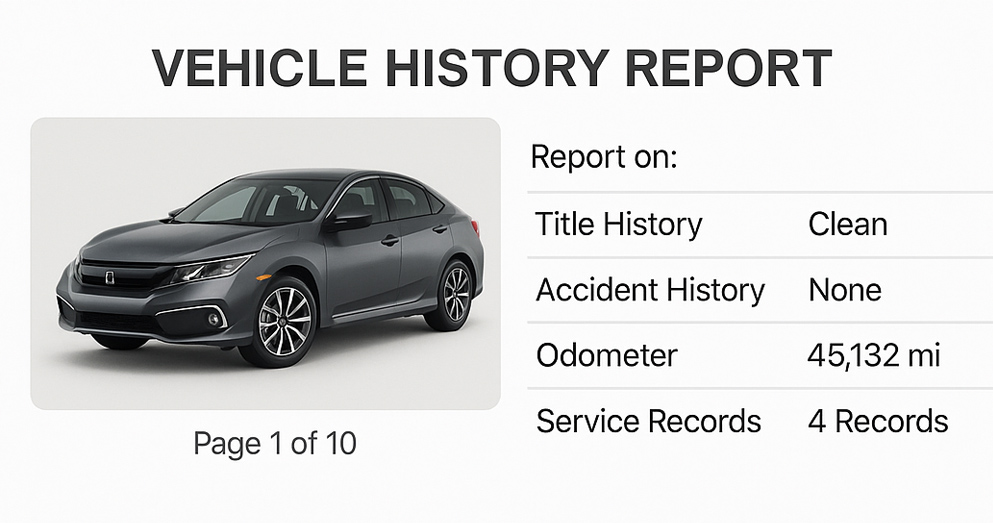
Vehicle History Report

Vehicle
Specifications
Ownership
History
All History
Events
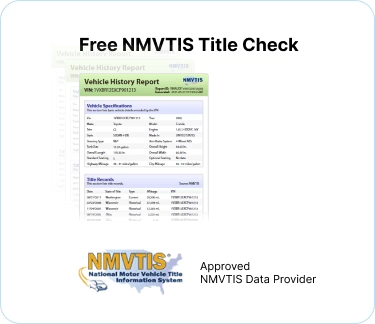
NMVTIS Title
History Check
Salvage/Rebuilt
Check
Accident
Check
Theft
Check
Open Lien
Check
Past Sale
Listings
Safety
Recalls
Odometer
Check
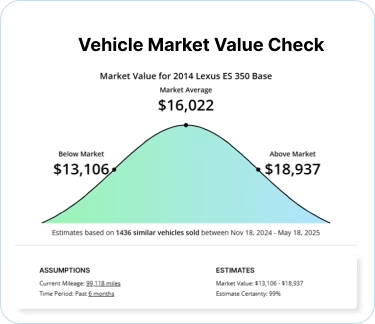
Market Price
Analysis

What Problems Does the 2011 Ford E-Series Have?

The 2011 Ford E-Series, while lauded for its robustness, is not without its frequently reported problems and long-term reliability concerns. A common issue revolves around steering linkage and suspension components, which can wear out, leading to loose steering or clunking noises, especially under heavy commercial use. Brake issues, such as premature wear of rotors and pads, are also occasionally reported, likely due to the vehicle's weight. Rust remains a significant long-term concern, particularly in areas exposed to road salt; it often manifests around wheel wells, rocker panels, and door seams. Owners have sometimes noted exhaust manifold leaks, indicated by a ticking sound, which can be costly to repair due to difficult access. While largely addressed in earlier model years, some might still report minor spark plug ejection issues with the Triton V8s, though it's less prevalent by 2011. Minor electrical gremlins, such as faulty power window switches or intermittent dashboard lights, are also part of the aging process for these vehicles.
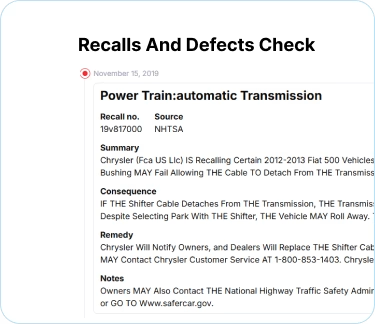
Regarding recalls for the 2011 model year, the National Highway Traffic Safety Administration (NHTSA) records show several, though not all are widespread or critical. Examples include a recall for certain aftermarket wiring harnesses that could short circuit, potentially causing a fire. Another recall involved the brake fluid reservoir cap not meeting specifications, which could allow moisture into the brake system. There were also recalls for potential fuel tank strap separation on some E-Series models. Owners should always check their specific VIN for applicable recalls. Overall, the long-term reliability of the E-Series engines and transmissions is high, often lasting well over 200,000 miles with proper maintenance, but wear items in the suspension, steering, and body integrity (rust) are common points of long-term concern.

How long will the 2011 Ford E-Series last?

Based on extensive owner data and its widespread commercial use, the 2011 Ford E-Series is known for exceptional longevity. With diligent maintenance habits, an average mileage of 200,000 to 300,000 miles is commonly achievable, and many commercial fleet vehicles surpass this, reaching 400,000 miles or more. This translates to 15 to 20+ years of reliable service. Its long-term durability is largely attributed to its robust, under-stressed V8 and V10 powertrains and a simple, heavy-duty construction. The primary long-term weaknesses over time include body rust, especially in areas prone to salt exposure; wear and tear on suspension and steering components due to their heavy workload; and age-related issues such as brittle interior plastics or minor electrical glitches. Regular fluid changes and attention to wear items are crucial for maximizing its service life.

What Technology & Safety Features are Included?

The 2011 Ford E-Series, true to its workhorse nature, featured very basic built-in technology and entertainment systems, especially by modern standards. Standard equipment typically included a simple AM/FM radio. Higher trims or optional packages might have offered a single-CD player and an auxiliary input jack for external music devices. There were no touchscreens, advanced navigation systems, or sophisticated infotainment interfaces available from the factory. Entertainment options were limited to the basic sound system, with no factory-installed rear-seat entertainment systems.

In terms of driver-assistance features, the 2011 E-Series offered virtually none of the systems common in passenger vehicles today. Features like blind-spot monitoring, lane departure warning, adaptive cruise control, or forward collision warning were entirely absent. Its primary "driver-assistance" came from its robust build and the driver's own vigilance.

Safety features, while basic, included essential components. Standard safety equipment consisted of dual front airbags for the driver and front passenger and anti-lock brakes (ABS). Crucially, by 2011, Ford's AdvanceTrac with Roll Stability Control (RSC) system was standard on all E-Series models, significantly enhancing stability and control, particularly when the van was heavily loaded or encountering adverse road conditions. An optional safety feature that was becoming more common was a rearview camera system, often integrated with a small display in the rearview mirror or a basic aftermarket-style head unit, aiding in parking and maneuvering such a large vehicle. Crash-test ratings for full-size commercial vans like the E-Series are not typically as comprehensive or widely available from organizations like NHTSA or IIHS compared to passenger cars. While its sheer size and body-on-frame construction provided a degree of inherent strength, it lacked modern crumple zones and extensive curtain airbag systems found in contemporary vehicles. Specific frontal or side-impact ratings for the 2011 model are rare, but its heavy-duty construction was designed for durability in commercial environments.

What Colors Options are Available?

We’re working on this section!
In the meantime, feel free to explore the other sections for more content.

2011 Ford E-Series Prices and Market Value

When new in 2011, the Ford E-Series cargo vans (like the E-150) typically started around $25,000 to $30,000, while larger passenger vans (E-350) could range from $35,000 to over $45,000, depending on configuration and options. Today, in the used market (2024), prices are highly variable but generally range from $7,000 to $20,000+. Clean, lower-mileage cargo vans, especially those sought after for camper conversions, can command prices towards the higher end, sometimes exceeding $20,000. Passenger vans typically fall in the $7,000 to $18,000 range. The E-Series experienced steep initial depreciation, like most new vehicles. However, its depreciation curve stabilized significantly due to its enduring utility and high demand in the commercial sector and for conversion projects. Factors heavily affecting resale value include the overall mechanical condition, presence of rust, mileage, maintenance history, and the specific configuration (cargo vs. passenger, engine choice, and any custom upfits).

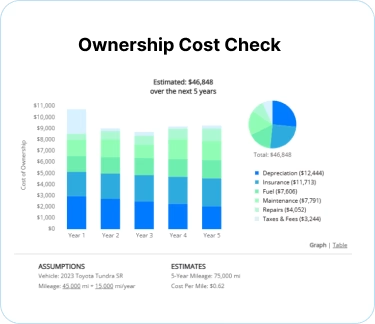
2011 Ford E-Series Cost of Ownership

Long-term ownership costs for the 2011 Ford E-Series present a mixed picture. Insurance costs can be moderate for personal use but rise for commercial applications. Fuel is undoubtedly the most significant ongoing expense due to its consistently poor fuel economy, making it costly to run frequently. However, maintenance and repair costs are generally on the affordable side. Parts are widely available and relatively inexpensive, and its straightforward design means many common repairs can be performed without specialized tools or labor, keeping shop bills down. Major drivetrain repairs can be costly, but the likelihood is reduced with diligent care. Overall, the E-Series is economical in terms of purchase price, maintenance, and repair, but costly in terms of fuel consumption. Its impressive durability can offset high fuel bills by providing many years of reliable service.

2011 Ford E-Series Fuel Efficiency

Fuel Type Flex-Fuel
Fuel Capacity 124.92 liters
City Mileage 5.1 km/l
Highway Mileage 6.8 km/l

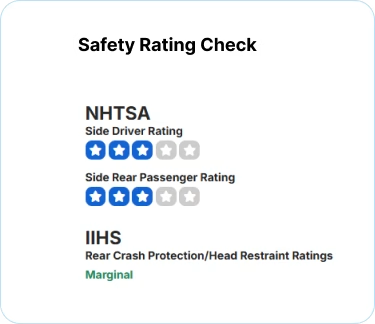
2011 Ford E-Series Safety Rating

NHTSA
Side Driver Rating
Frontal Passenger Rating
Rollover Rating
Side Rear Passenger Rating
Frontal Driver Rating
IIHS
Roof Strength Test Results Not Tested
Rear Crash Protection/Head Restraint Ratings Not Tested
Moderate Overlap Front Test Results Not Tested
Side Impact Test Results Not Tested

2011 Ford E-Series Warranty

Basic
Original warranty 36 months / 36,000 miles
Estimated remaining Expired
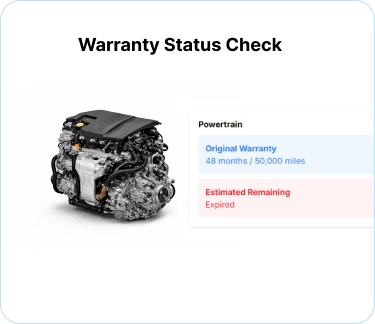
Powertrain
Original warranty 60 months / 60,000 miles
Estimated remaining Expired
Rust
Original warranty 60 months / unlimited miles
Estimated remaining Expired

2011 Ford E-Series Insurance

Insurance for a 2011 Ford E-Series is moderately priced, reflecting its status as a Van with strong safety ratings and
reasonable repair costs.

How Does the 2011 Ford E-Series Compare to Other Van?

The 2011 Ford E-Series operated in a class with distinct rivals, each offering unique trade-offs.

Key Rivals:
  • Chevrolet Express / GMC Savana (2011): These GM twins were the E-Series' most direct competitors. In terms of performance, they offered similar V8 engine options, comparable towing capabilities, and a similarly robust, traditional van driving experience. Features were equally basic, focusing on utility over modern amenities. Reliability was also on par, with both brands known for durable powertrains and long service lives, albeit with similar potential for wear-and-tear issues. Used prices for the Express/Savana are often very competitive with the E-Series.

  • Nissan NV (introduced 2011): The NV brought a slightly newer design philosophy to the traditional American van segment, offering standard and high-roof options. Performance-wise, it offered V6 and V8 engine choices with good towing. Its interior was somewhat more modern and ergonomically thought out than the E-Series. Reliability was good, though it hadn't accumulated the decades of proven service like the Ford. New prices were competitive, and used prices can be slightly higher than the E-Series for a comparable model year.

  • Mercedes-Benz Sprinter (2011): The Sprinter offered a European, diesel-focused alternative with significantly better fuel economy and high-roof configurations. Its performance prioritized efficiency and maneuverability, though often with less outright towing capacity than the E-Series' V8s/V10. It featured a more refined driving experience, better ergonomics, and slightly more advanced (for the time) tech. However, its reliability could be more complex, and repairs were generally more expensive than its American counterparts. The Sprinter was significantly more expensive both new and used.

Recommendations:
For buyers prioritizing raw workhorse utility, low acquisition cost on the used market, and straightforward, affordable maintenance, the 2011 Ford E-Series or a comparable Chevrolet Express/GMC Savana remains an excellent choice. These represent the pinnacle of traditional American full-size vans. If fuel economy, higher interior standing room, and a more refined driving experience are priorities, and the budget allows for potentially higher initial and maintenance costs, the Mercedes-Benz Sprinter is a superior alternative. The Nissan NV offers a 'best of both worlds' compromise, providing a slightly more modern take on the traditional American van feel without the premium cost or complex maintenance of the Sprinter, making it a strong contender if a newer interior and more versatile roof options are desired.

Final Verdict: Is the 2011 Ford E-Series a Good Van?

The 2011 Ford E-Series is ideal for specific types of buyers: businesses requiring a robust, no-nonsense cargo hauler, large families or organizations needing reliable 8- to 15-passenger transport, or enthusiasts looking for a durable platform for camper or custom work van conversions. It's a "get-the-job-done" vehicle that prioritizes utility and longevity over modern creature comforts or fuel efficiency.

As a used vehicle, it is absolutely worth buying. Its steep initial depreciation makes it an outstanding value on the secondary market. Focus on acquiring a well-maintained used model with a clear service history. For heavy towing or commercial use, the E-250 or E-350 with the 5.4L V8 or 6.8L V10 is recommended. The E-150 with the 4.6L V8 suffices for lighter duties. Be vigilant for rust, especially in regions with harsh winters. It is not the vehicle for those seeking advanced tech or plush interiors, but for sheer dependability, cavernous space, and low long-term maintenance costs (excluding fuel), the 2011 E-Series is a compelling and cost-effective choice.

2011 Ford E-Series Owner Reviews

0.00
Consumer Rating, Based on 0 Consumer Reviews
Overall rating
Cancel
Thank You for Your Review!

We truly appreciate the time and effort you took to share your experience with us.

Uh oh!

Something went wrong, please try again later.

Author Image
Drew B

Drew is a seasoned automotive expert and contributor to VinCheck.info. With nearly 15 years of experience as a former Porsche technician, he brings a wealth of hands-on knowledge to his writing. Born in North Carolina, a region renowned for its deep-rooted NASCAR culture, Drew developed a passion for cars early in life, often building and working on vehicles from a young age. At VINCheck, Drew leverages his extensive technical background to provide in-depth analyses of various vehicles. His articles often focus on engine performance, reliability, and maintenance insights, offering readers practical information grounded in real-world experience. Some of his notable contributions include reviews on the Mazda CX-5's longevity and detailed examinations of engine options for models like the 2011 Toyota Camry and Tacoma