The 2018 Ford E-Series, a stalwart in the full-size van segment, boasts a long heritage dating back decades. Primarily offered as a cargo van and passenger wagon, it served as a workhorse for businesses and a family transporter. Key trims often included the XL and XLT. While its exact pricing in 2018 varied, its enduring popularity stems from its robust construction, versatile nature, and extensive customization options, making it a go-to for commercial applications and upfitting.
The Good
The 2018 Ford E-Series excels in rugged performance and legendary reliability, offering a commanding presence and ample space. Its practical utility is undeniable for hauling goods or people, while its robust build appeals to those seeking a dependable, long-lasting investment. The sheer capability and proven track record evoke a sense of security and trust.
The Bad
Owners should be aware of potential issues with aging transmissions, particularly the 5-speed automatic, which can exhibit wear over time. Fuel economy is a significant drawback, being considerably less efficient than modern vans. Interior refinement and technology also lag behind newer competitors, feeling dated.
2018 Ford E-Series: Quick Overview
- Engine Options: The 2018 Ford E-Series was available with two primary engine choices:
- 4.6L Triton V8 Engine
- 5.4L Triton V8 Engine (often referred to as the 5.4L 3V)
- Horsepower:
- The 4.6L V8 typically produced around 225 horsepower.
- The 5.4L V8 offered more power, generally in the range of 255-260 horsepower.
- Fuel Economy: The E-Series is known for its poor fuel economy due to its large size and older engine technology. Official EPA ratings are not readily available for specific 2018 configurations but expect single-digit to low-teen MPG in city driving and potentially slightly higher on the highway, varying significantly with load and driving conditions.
- 0-60 Times: Specific 0-60 mph times are not a primary focus for this utilitarian vehicle and are not widely published. Expect leisurely acceleration, especially when loaded, likely in the 9-12 second range depending on engine and configuration.
- Towing Capacity: The towing capacity of the 2018 Ford E-Series varies greatly depending on the specific configuration, axle ratio, and engine. For properly equipped models, towing capacities could range from around 5,000 lbs up to over 10,000 lbs for heavy-duty configurations. Consult the owner's manual or Ford's specifications for exact ratings.
- Trim-Level Features:
- XL Trim: This is the base trim, typically focused on functionality. Features often include vinyl flooring, manual windows and locks, AM/FM radio, and durable interior materials. It's the most basic and cost-effective option, designed for heavy-duty use.
- XLT Trim: The XLT adds a few more creature comforts. Features might include cloth seating, power windows and locks (on some configurations), cruise control, and a more refined interior finish. It offers a balance between utility and comfort for passenger wagon variants or those seeking a slightly more pleasant driving experience.
2018 Ford E-Series Specifications
Vehicle Information
| Year | 2018 |
| Make | Ford |
| Model | E-Series |
| Trim | - |
| Style | - |
| Type | Van |
| Category | Cargo Van |
Manufacturing Details
| Made In | United States |
| Manufacturing City | AVON LAKE |
Dimensions
| Doors | 2-Door |
| Curb Weight | - |
| Gross Vehicle Weight Rating | - |
| Overall Height | - |
| Overall Length | - |
| Overall Width | - |
| Wheelbase Length | - |
| Standard Seating | - |
Engine & Performance
| Engine | 6.8L V10 |
| Engine Size | 6.8L |
| Engine Cylinders | 10 |
| Transmission | 6-Speed Automatic |
| Transmission Type | Automatic |
| Transmission Speeds | 6-Speed |
| Drivetrain | Rear-Wheel Drive |
Additional Features
| Anti-Brake System | - |
| Steering Type | - |
Pricing
| Manufacturer Suggested Retail Price (MSRP) | - |
| Invoice Price | - |
| Delivery Charges | - |
Vehicle History Report
Vehicle
Specifications
Specifications
Ownership
History
History
All History
Events
Events
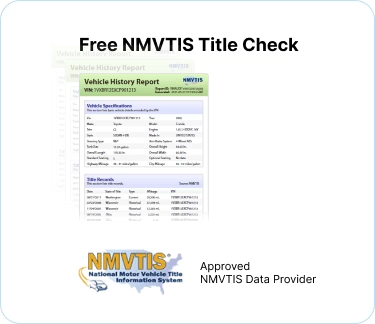
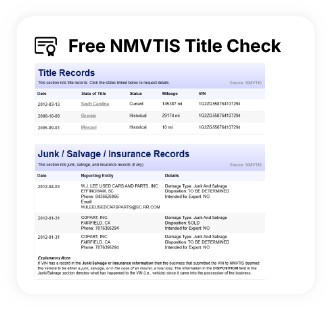
NMVTIS Title
History Check
History Check
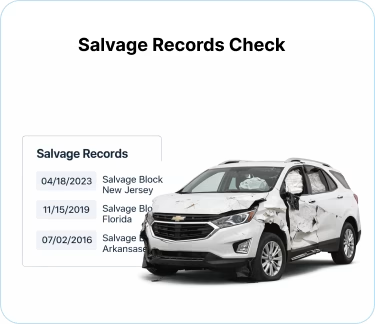
Salvage/Rebuilt
Check
Check
Accident
Check
Check
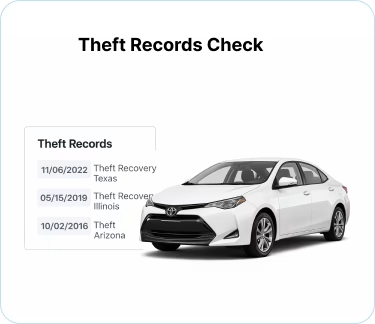
Theft
Check
Check
Open Lien
Check
Check
Past Sale
Listings
Listings
Safety
Recalls
Recalls
Odometer
Check
Check
Market Price
Analysis
Analysis
What Problems Does the 2018 Ford E-Series Have?
While the 2018 Ford E-Series is built for durability, like any vehicle, it has reported issues and areas to watch. One of the most commonly cited concerns for these vans, particularly as they age, revolves around the transmission. The 5-speed automatic transmission, while robust, can experience wear and tear, leading to rough shifting, slipping, or outright failure, especially in high-mileage or heavily used vehicles. Early signs might include delayed engagement or shuddering.
Another area of concern is the cooling system. Over time, radiators can develop leaks, and water pumps may fail, leading to overheating issues. Regular inspection and maintenance of hoses and coolant levels are crucial.
The exhaust system can also be a source of problems, with components like catalytic converters and mufflers susceptible to corrosion and failure, especially in areas with harsh weather conditions or road salt. This can manifest as unusual noises or reduced engine performance.
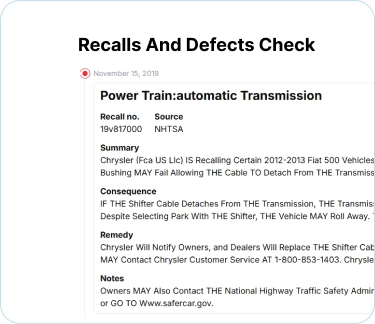
Regarding recalls, Ford periodically issues recalls for its vehicles, and the E-Series is no exception. Specific recalls for the 2018 model year might address issues related to airbags, braking systems, or fuel systems. It is essential for owners to check the National Highway Traffic Safety Administration (NHTSA) website or contact a Ford dealer with the vehicle's VIN to determine if any outstanding recalls apply.
Long-term reliability is generally considered good for the E-Series, especially the powertrains, when properly maintained. However, the vehicle's age and its primary use as a work vehicle mean that components like suspension bushings, ball joints, and brake systems will naturally wear out and require replacement over time. Electrical gremlins, though less common, can also surface, impacting lights, sensors, or interior accessories. Overall, proactive maintenance is key to maximizing the longevity of a 2018 Ford E-Series.
Another area of concern is the cooling system. Over time, radiators can develop leaks, and water pumps may fail, leading to overheating issues. Regular inspection and maintenance of hoses and coolant levels are crucial.
The exhaust system can also be a source of problems, with components like catalytic converters and mufflers susceptible to corrosion and failure, especially in areas with harsh weather conditions or road salt. This can manifest as unusual noises or reduced engine performance.
Regarding recalls, Ford periodically issues recalls for its vehicles, and the E-Series is no exception. Specific recalls for the 2018 model year might address issues related to airbags, braking systems, or fuel systems. It is essential for owners to check the National Highway Traffic Safety Administration (NHTSA) website or contact a Ford dealer with the vehicle's VIN to determine if any outstanding recalls apply.
Long-term reliability is generally considered good for the E-Series, especially the powertrains, when properly maintained. However, the vehicle's age and its primary use as a work vehicle mean that components like suspension bushings, ball joints, and brake systems will naturally wear out and require replacement over time. Electrical gremlins, though less common, can also surface, impacting lights, sensors, or interior accessories. Overall, proactive maintenance is key to maximizing the longevity of a 2018 Ford E-Series.
How long will the 2018 Ford E-Series last?
The 2018 Ford E-Series is renowned for its long-term durability, often serving owners for well over 200,000 miles with diligent maintenance. Many commercial fleets and individual owners report keeping these vans for 10-15 years or more. Proper and regular maintenance, including timely oil changes, transmission fluid flushes, and cooling system upkeep, is paramount. The V8 engines and robust chassis are built to last. However, weaknesses that tend to emerge over time include the transmission, as previously mentioned, and wear and tear on suspension components due to the vehicle's weight and intended use. Rust can also be a concern in certain climates, particularly on the underbody and wheel wells, which can impact structural integrity if not addressed.
What Technology & Safety Features are Included?
The 2018 Ford E-Series, by design, prioritizes utility and functionality over cutting-edge technology and driver aids. Built on a chassis that predates many modern advancements, its technological offerings are relatively basic.
Built-in Tech and Entertainment: Standard features typically include an AM/FM radio, often with an auxiliary input jack. Higher trims or optional packages might add a CD player and basic speakers. Bluetooth connectivity for hands-free calling and audio streaming was an option on some models, but a full-fledged infotainment touchscreen system like those found in modern vehicles is generally absent. The focus is on core functionality rather than a digital experience.
Driver-Assistance Features: Driver-assistance features are extremely limited on the 2018 E-Series. You will not find advanced systems like adaptive cruise control, lane keeping assist, or blind-spot monitoring. The primary safety and driver assistance features revolve around the basics:;
Parking sensors might also have been available as an option.
Safety Features: Standard safety equipment includes front airbags for the driver and passenger. Seatbelt pretensioners are also standard. Side curtain airbags were available on some passenger wagon configurations for enhanced protection.
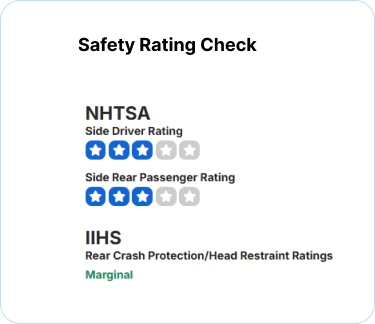
Crash-Test Ratings: It's important to note that the Ford E-Series has not undergone extensive crash testing by organizations like the NHTSA or IIHS in recent years due to its age and specialized nature. Older testing results may not fully reflect the current safety standards. However, its sturdy body-on-frame construction provides a robust foundation. It's advisable to consider that the safety technology and impact protection are not comparable to contemporary vehicles designed with modern crash-energy management systems.
Built-in Tech and Entertainment: Standard features typically include an AM/FM radio, often with an auxiliary input jack. Higher trims or optional packages might add a CD player and basic speakers. Bluetooth connectivity for hands-free calling and audio streaming was an option on some models, but a full-fledged infotainment touchscreen system like those found in modern vehicles is generally absent. The focus is on core functionality rather than a digital experience.
Driver-Assistance Features: Driver-assistance features are extremely limited on the 2018 E-Series. You will not find advanced systems like adaptive cruise control, lane keeping assist, or blind-spot monitoring. The primary safety and driver assistance features revolve around the basics:;
- Anti-lock Braking System (ABS)
- Electronic Stability Control (ESC)
- Traction Control
- Backup camera (often optional or part of specific packages)
Parking sensors might also have been available as an option.
Safety Features: Standard safety equipment includes front airbags for the driver and passenger. Seatbelt pretensioners are also standard. Side curtain airbags were available on some passenger wagon configurations for enhanced protection.
Crash-Test Ratings: It's important to note that the Ford E-Series has not undergone extensive crash testing by organizations like the NHTSA or IIHS in recent years due to its age and specialized nature. Older testing results may not fully reflect the current safety standards. However, its sturdy body-on-frame construction provides a robust foundation. It's advisable to consider that the safety technology and impact protection are not comparable to contemporary vehicles designed with modern crash-energy management systems.
What Colors Options are Available?
2018 Ford E-Series Prices and Market Value
When new in 2018, the Ford E-Series cargo and passenger vans had a starting MSRP that typically ranged from the low $30,000s for base cargo models, extending into the $40,000s or higher for well-equipped passenger wagon variants or specialized configurations.
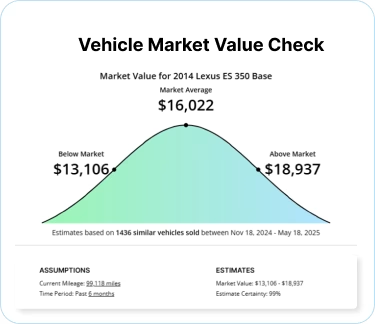
Currently, the used market prices for a 2018 Ford E-Series vary significantly based on mileage, condition, trim level, and location. Expect to find them typically ranging from $15,000 to $30,000.
Depreciation on the E-Series is generally moderate, especially for well-maintained cargo vans that are in demand for commercial use. Passenger wagons may depreciate slightly faster as their niche market is smaller. Key factors affecting resale value include the vehicle's maintenance history, the number of previous owners, any aftermarket modifications, and the overall cosmetic and mechanical condition. High mileage and signs of heavy commercial use can significantly lower its value.
Currently, the used market prices for a 2018 Ford E-Series vary significantly based on mileage, condition, trim level, and location. Expect to find them typically ranging from $15,000 to $30,000.
Depreciation on the E-Series is generally moderate, especially for well-maintained cargo vans that are in demand for commercial use. Passenger wagons may depreciate slightly faster as their niche market is smaller. Key factors affecting resale value include the vehicle's maintenance history, the number of previous owners, any aftermarket modifications, and the overall cosmetic and mechanical condition. High mileage and signs of heavy commercial use can significantly lower its value.
2018 Ford E-Series Cost of Ownership
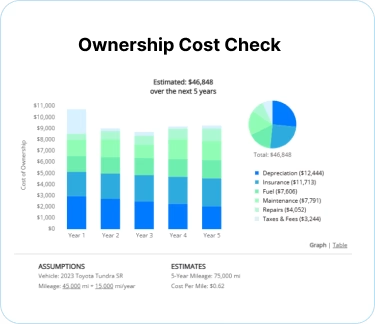
Owning a 2018 Ford E-Series can be considered moderately costly, primarily due to its fuel consumption and potential repair needs. Insurance costs will likely be higher than for a typical passenger car due to its size and commercial classification. Fuel expenses will be significant, as the V8 engines are not fuel-efficient. Maintenance is crucial; while basic maintenance like oil changes is standard, components related to heavy use, such as brakes, suspension, and tires, will require regular attention and can be costly to replace. Repair costs for transmission or engine issues can be substantial. Overall, while its initial purchase price might be lower than some alternatives, its operational costs make it less economical for long-term, low-mileage ownership. It is more cost-effective for high-mileage commercial applications where its utility outweighs fuel and maintenance expenses.
2018 Ford E-Series Fuel Efficiency
Fuel Type
Gasoline
Fuel Capacity
-
City Mileage
-
Highway Mileage
-
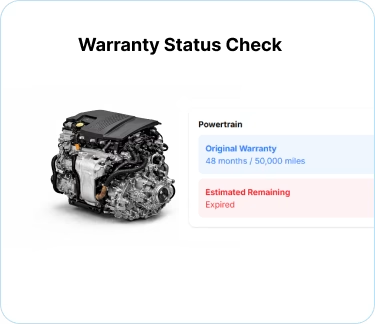
2018 Ford E-Series Warranty
Basic
Original warranty
0 months / No data
Estimated remaining
Expired
Powertrain
Original warranty
0 months / No data
Estimated remaining
Expired
Rust
Original warranty
0 months / No data
Estimated remaining
Expired
2018 Ford E-Series Insurance
Insurance for a 2018 Ford E-Series is moderately priced, reflecting its status as a Van with strong safety ratings and
reasonable repair costs.
How Does the 2018 Ford E-Series Compare to Other Van?
The 2018 Ford E-Series competed primarily against its long-standing rival, the Chevrolet Express/GMC Savana twins, and later, the Mercedes-Benz Sprinter and Ram ProMaster.
Performance: In terms of raw power and towing capacity, the E-Series with its V8 engines held its own, often offering more grunt than some of its competitors. However, its performance was characterized by a utilitarian, truck-like driving experience. Competitors like the Mercedes-Benz Sprinter offered a more refined ride and better handling, albeit at a higher price point.
Features: This is where the E-Series showed its age. While it offered core functionality, its interior features, technology, and driver-assistance systems lagged significantly behind the more modern Sprinter and ProMaster. The Express/Savana twins were similarly dated in their feature sets. The E-Series was basic, focusing on durability over creature comforts.
Reliability: The E-Series is known for its rugged reliability, especially its powertrains. This is a significant advantage, particularly for commercial users who prioritize uptime. The Express/Savana twins also have a reputation for robustness. However, the Sprinter, while offering more modern features, could be more expensive to repair when issues did arise. The ProMaster, being a newer design, had its own set of early reliability quirks.

Price: The Ford E-Series was generally one of the more affordable options when new, and this trend continues in the used market. It offered excellent value for its capability, especially compared to the pricier European competitors like the Sprinter. The Express/Savana twins were often priced comparably.
Alternatives:
Ultimately, if your priority is a no-frills, tough, and dependable workhorse with strong V8 power and a lower price point, the 2018 Ford E-Series remains a viable, though aged, option. If modern amenities, fuel efficiency, or a more refined driving experience are desired, alternatives are more suitable.
Performance: In terms of raw power and towing capacity, the E-Series with its V8 engines held its own, often offering more grunt than some of its competitors. However, its performance was characterized by a utilitarian, truck-like driving experience. Competitors like the Mercedes-Benz Sprinter offered a more refined ride and better handling, albeit at a higher price point.
Features: This is where the E-Series showed its age. While it offered core functionality, its interior features, technology, and driver-assistance systems lagged significantly behind the more modern Sprinter and ProMaster. The Express/Savana twins were similarly dated in their feature sets. The E-Series was basic, focusing on durability over creature comforts.
Reliability: The E-Series is known for its rugged reliability, especially its powertrains. This is a significant advantage, particularly for commercial users who prioritize uptime. The Express/Savana twins also have a reputation for robustness. However, the Sprinter, while offering more modern features, could be more expensive to repair when issues did arise. The ProMaster, being a newer design, had its own set of early reliability quirks.

Price: The Ford E-Series was generally one of the more affordable options when new, and this trend continues in the used market. It offered excellent value for its capability, especially compared to the pricier European competitors like the Sprinter. The Express/Savana twins were often priced comparably.

Alternatives:
- For modern features and better fuel economy: Consider the Mercedes-Benz Sprinter (used models from 2014 onwards). It offers a more sophisticated driving experience, advanced technology, and better fuel efficiency but comes at a premium price for both purchase and maintenance.
- For a modern front-wheel-drive platform and good maneuverability: The Ram ProMaster is a strong contender, offering a unique driving dynamic and ample cargo space, though its reliability record is more mixed compared to the E-Series.
- Similar utilitarian approach: The Chevrolet Express/GMC Savana are very similar in their dated design and ruggedness, offering comparable V8 power and cargo capacity. They are often cross-shopped with the E-Series.
Ultimately, if your priority is a no-frills, tough, and dependable workhorse with strong V8 power and a lower price point, the 2018 Ford E-Series remains a viable, though aged, option. If modern amenities, fuel efficiency, or a more refined driving experience are desired, alternatives are more suitable.
Final Verdict: Is the 2018 Ford E-Series a Good Van?
The 2018 Ford E-Series is ideal for budget-conscious individuals or businesses needing a robust, no-frills work van or a large passenger hauler. It's particularly well-suited for commercial applications where reliability and cargo capacity are paramount over modern amenities or fuel efficiency.
It is worth buying if you prioritize durability and utility at a lower price point, especially on the used market. New models were discontinued in 2014, so you will only find used examples. This vehicle is best purchased used, as its original value proposition was its affordability and capability. Look for models with well-documented maintenance records. Cargo van trims are generally more practical for their intended purpose. If you can find a well-maintained example with lower mileage, it can be a solid, long-term investment for specific needs, understanding its limitations in comfort and technology compared to newer vehicles.