The 1998 Toyota Supra, specifically the Mark IV generation (1993-2002), is an iconic sports car renowned for its exhilarating performance and distinctive styling. Available as a 2-door coupe, its most sought-after trims were the naturally aspirated GT and the turbocharged RZ. Today, its popularity is driven by its legendary status in pop culture and its potent engine, making it a highly desirable collector's item with prices reflecting its rarity and performance pedigree.
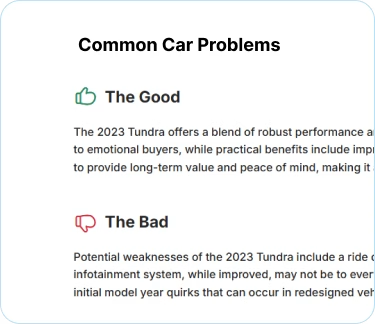
The Good
The 1998 Supra boasts incredible turbocharged performance, a robust and reliable powertrain for its era, a surprisingly comfortable and driver-focused interior, and a timeless, aggressive design. Its strong build quality appeals to practical buyers, while its legendary status and exhilarating driving dynamics satisfy the emotional desires of enthusiasts.
The Bad
When considering a 1998 Supra, watch out for potential issues with the twin-turbo system's complex plumbing, aging rubber hoses and seals, and possible wear on the Getrag 6-speed manual transmission. Also, ensure the engine hasn't been excessively modified without proper tuning, which can lead to reliability problems.
1998 Toyota Supra: Quick Overview
- Engine Options:
- Naturally Aspirated: 2JZ-GE 3.0L Inline-6
- Twin-Turbocharged: 2JZ-GTE 3.0L Inline-6
- Horsepower:
- 2JZ-GE: Approximately 220 hp
- 2JZ-GTE: Approximately 276 hp (Japanese spec) to 320 hp (US/European spec)
- Torque:
- 2JZ-GE: Approximately 210 lb-ft
- 2JZ-GTE: Approximately 315 lb-ft (Japanese spec) to 333 lb-ft (US/European spec)
- Fuel Economy:
- Naturally Aspirated (GT): Estimated 16-18 MPG city / 22-24 MPG highway
- Twin-Turbo (Rz/Twin Turbo): Estimated 15-17 MPG city / 20-22 MPG highway
- Note: Actual mileage varies significantly with driving style and maintenance.
- 0-60 Times:
- Naturally Aspirated: Around 6.5 - 7.0 seconds
- Twin-Turbo: As low as 4.9 - 5.2 seconds
- Towing Capacity: Not applicable for this sports car.
- Transmission:
- 4-speed automatic
- 6-speed Getrag V160/V161 manual (with 6-speed option predominantly on turbo models)
- Trim-Level Features (1998 Model Year):
- Naturally Aspirated (GT):
- Standard safety features (airbags, ABS)
- Power windows, locks, mirrors
- Air conditioning
- Targa top removable roof panel (standard on most)
- Cassette player/AM-FM stereo
- Cloth upholstery
- 16-inch alloy wheels
- Twin-Turbo (RZ/Twin Turbo):
- All features of the GT trim plus:
- More powerful 2JZ-GTE engine
- Larger brakes and upgraded suspension
- Limited-slip differential (LSD)
- Optional rear spoiler
- Often came with upgraded interior materials and sportier seats
- 17-inch alloy wheels
- Larger turbochargers and intercooler
- Chrome-moly steel engine components
- Naturally Aspirated (GT):
1998 Toyota Supra Specifications
Vehicle Information
| Year | 1998 |
| Make | Toyota |
| Model | Supra |
| Trim | - |
| Style | - |
| Type | - |
| Category | - |
Manufacturing Details
| Made In | - |
| Manufacturing City | - |
Dimensions
| Doors | - |
| Curb Weight | - |
| Gross Vehicle Weight Rating | - |
| Overall Height | - |
| Overall Length | - |
| Overall Width | - |
| Wheelbase Length | - |
| Standard Seating | - |
Engine & Performance
| Engine | - |
| Engine Size | - |
| Engine Cylinders | - |
| Transmission | - |
| Transmission Type | - |
| Transmission Speeds | - |
| Drivetrain | - |
Additional Features
| Anti-Brake System | - |
| Steering Type | - |
Pricing
| Manufacturer Suggested Retail Price (MSRP) | - |
| Invoice Price | - |
| Delivery Charges | - |
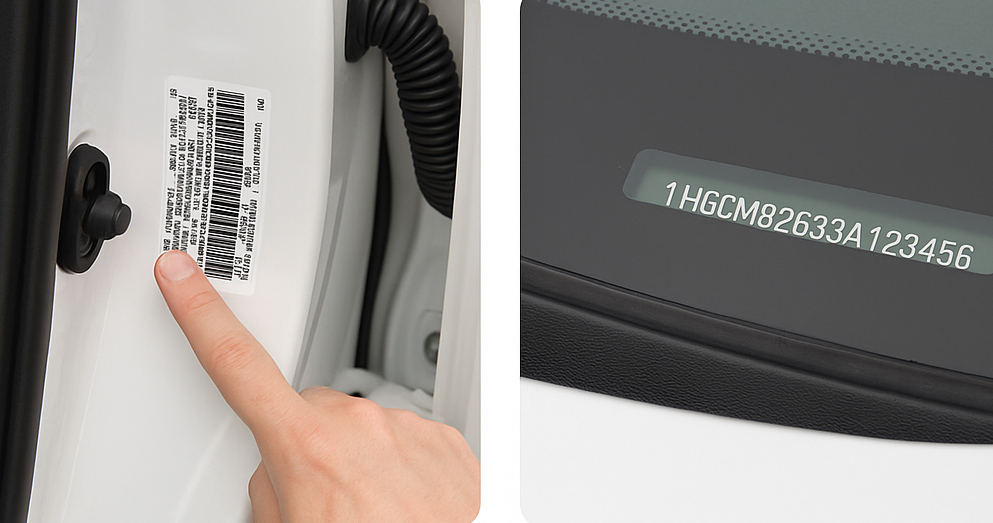
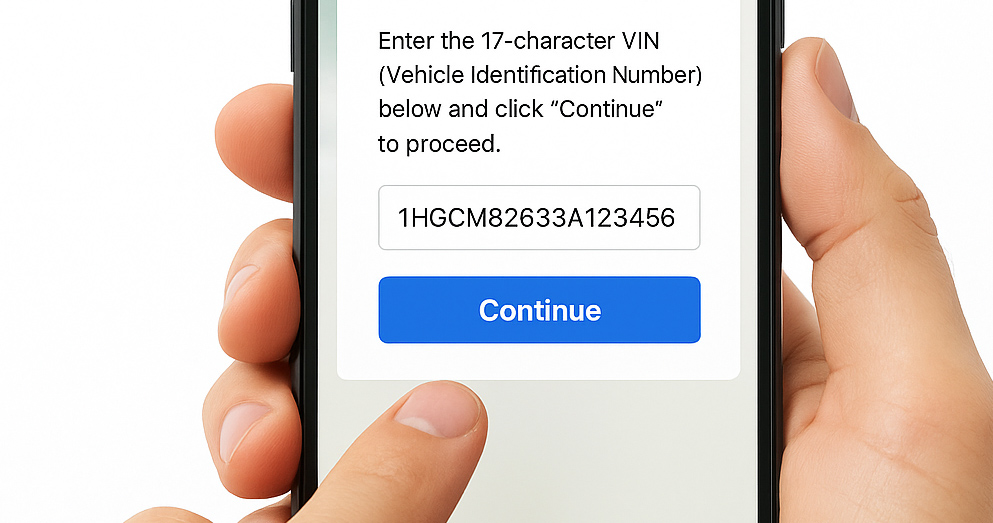
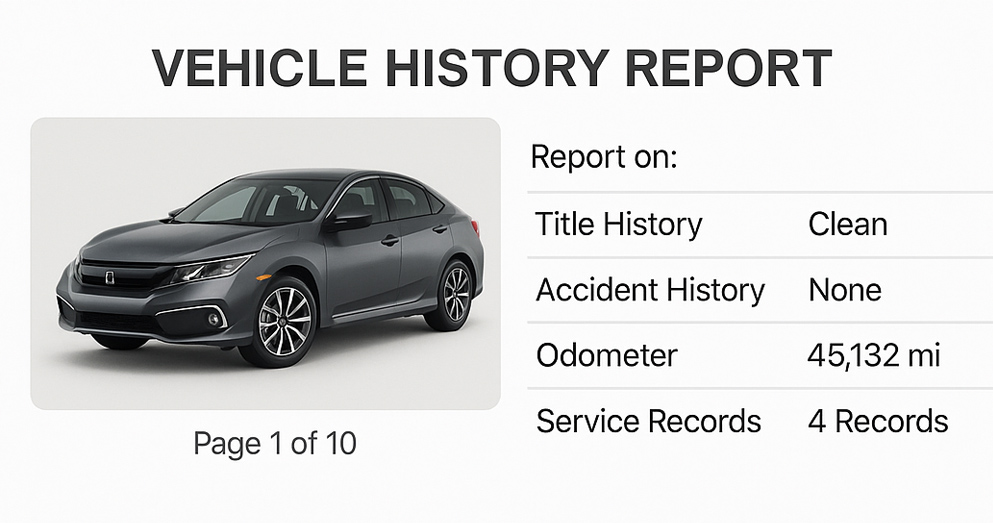
Vehicle History Report
Vehicle
Specifications
Specifications
Ownership
History
History
All History
Events
Events
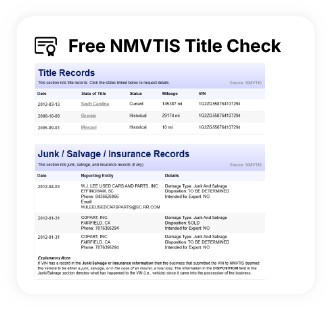
NMVTIS Title
History Check
History Check
Salvage/Rebuilt
Check
Check
Accident
Check
Check
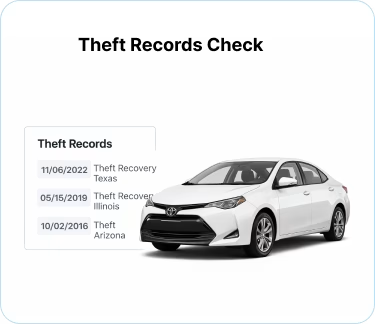
Theft
Check
Check
Open Lien
Check
Check
Past Sale
Listings
Listings
Safety
Recalls
Recalls
Odometer
Check
Check
Market Price
Analysis
Analysis
What Problems Does the 1998 Toyota Supra Have?
The 1998 Toyota Supra, particularly the twin-turbo models, is generally regarded as highly reliable, a testament to Toyota's engineering prowess. However, like any performance car, it has its known quirks and potential issues that owners should be aware of. One of the most frequently discussed areas is the complex twin-turbo sequential system on the 2JZ-GTE engine. Over time, vacuum hoses can degrade, leading to boost leaks and performance issues. Many owners opt to upgrade these hoses with silicone replacements.

Another common concern, especially with higher mileage or neglected examples, is the clutch and transmission. The Getrag 6-speed manual, while robust, can experience wear on synchros or the clutch itself. The automatic transmission is generally reliable but less engaging for enthusiasts.
The engine itself, the legendary 2JZ-GE and 2JZ-GTE, is exceptionally stout. However, issues can arise if the engine has been subjected to extreme modifications without proper supporting modifications or tuning. Overheating can be a concern if the cooling system isn't meticulously maintained, as can oil leaks from aging seals and gaskets. Some owners report issues with the factory fuel injectors on high-mileage turbo models.
Electrical gremlins, though not widespread, can occur, often related to aging wiring harnesses or corroded connectors. The ABS system and its sensors are another area that can sometimes present issues.
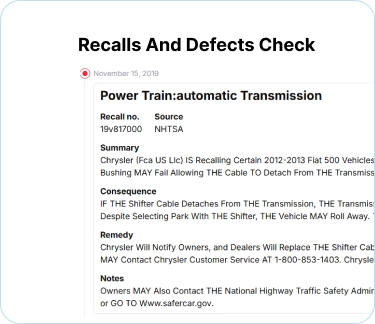
While there haven't been significant widespread recalls specifically for the 1998 model year that impact its core reliability, general maintenance is crucial. Toyota has a strong reputation for durability, and the Supra is no exception, provided it has been cared for. The biggest threat to long-term reliability is often improper modification or lack of consistent, high-quality maintenance. As these cars age, parts availability for some unique components can become a consideration, though the aftermarket support is substantial.
Another common concern, especially with higher mileage or neglected examples, is the clutch and transmission. The Getrag 6-speed manual, while robust, can experience wear on synchros or the clutch itself. The automatic transmission is generally reliable but less engaging for enthusiasts.
The engine itself, the legendary 2JZ-GE and 2JZ-GTE, is exceptionally stout. However, issues can arise if the engine has been subjected to extreme modifications without proper supporting modifications or tuning. Overheating can be a concern if the cooling system isn't meticulously maintained, as can oil leaks from aging seals and gaskets. Some owners report issues with the factory fuel injectors on high-mileage turbo models.
Electrical gremlins, though not widespread, can occur, often related to aging wiring harnesses or corroded connectors. The ABS system and its sensors are another area that can sometimes present issues.
While there haven't been significant widespread recalls specifically for the 1998 model year that impact its core reliability, general maintenance is crucial. Toyota has a strong reputation for durability, and the Supra is no exception, provided it has been cared for. The biggest threat to long-term reliability is often improper modification or lack of consistent, high-quality maintenance. As these cars age, parts availability for some unique components can become a consideration, though the aftermarket support is substantial.
How long will the 1998 Toyota Supra last?
Based on owner data and maintenance habits, a well-maintained 1998 Toyota Supra can realistically achieve 200,000 to 300,000 miles or more. The legendary 2JZ engine is known for its incredible longevity and ability to withstand significant power increases. Long-term durability is excellent, particularly for the engine and drivetrain, provided regular oil changes, fluid flushes, and attention to cooling system integrity. Weaknesses that emerge over time are typically related to the aging of rubber components (hoses, bushings), potential wear on transmissions and clutches from spirited driving, and the complex turbo plumbing on twin-turbo models. However, with consistent preventative maintenance and timely repairs, these issues are manageable, allowing the Supra to remain a reliable performer for decades.
What Technology & Safety Features are Included?
The 1998 Toyota Supra, while a performance-oriented sports car, offered a respectable suite of technology and safety features for its time, though it prioritizes driving dynamics over cutting-edge electronic aids.
Standard Technology and Entertainment:
Driver-Assistance Features:
The Supra was not heavily laden with advanced driver-assistance systems as we know them today. Features were more basic and focused on enhancing the driving experience and safety essentials:
Safety Features:
Toyota equipped the Supra with key safety features to protect occupants:
Optional Features:
Depending on the trim level and market, optional features could have included:
Crash-Test Ratings:
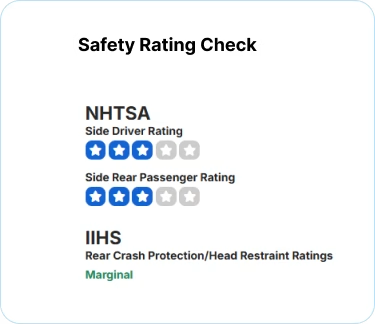
Specific crash-test ratings for the 1998 Toyota Supra from organizations like the NHTSA or IIHS are not readily available in detailed historical archives. However, during its production run, Japanese domestic market vehicles were generally built to robust safety standards for their era. The Supra featured a strong unibody construction and was designed to absorb impact energy effectively.
Standard Technology and Entertainment:
- AM/FM stereo with cassette player (later models might have CD capability or options)
- Power antenna
- Digital odometer
- Cruise control
- Air conditioning
- Power windows and door locks
- Remote keyless entry (often optional or standard on higher trims)
- Digital clock
Driver-Assistance Features:
The Supra was not heavily laden with advanced driver-assistance systems as we know them today. Features were more basic and focused on enhancing the driving experience and safety essentials:
- Anti-lock Braking System (ABS): Standard on most models for enhanced braking control during emergency stops.
- Traction Control System (TCS): Available on some turbo models, helping to prevent wheelspin during acceleration, especially in slippery conditions.
Safety Features:
Toyota equipped the Supra with key safety features to protect occupants:
- Driver and front passenger airbags
- Three-point seatbelts with pretensioners
- Side-impact door beams
- Collapsible steering column
- Anti-lock Braking System (ABS)
Optional Features:
Depending on the trim level and market, optional features could have included:
- Premium audio system (e.g., with CD player)
- Limited-slip differential (LSD), especially standard on turbo models
- Rear spoiler
- Leather upholstery
- Heated seats
Crash-Test Ratings:
Specific crash-test ratings for the 1998 Toyota Supra from organizations like the NHTSA or IIHS are not readily available in detailed historical archives. However, during its production run, Japanese domestic market vehicles were generally built to robust safety standards for their era. The Supra featured a strong unibody construction and was designed to absorb impact energy effectively.
What Colors Options are Available?
1998 Toyota Supra Prices and Market Value
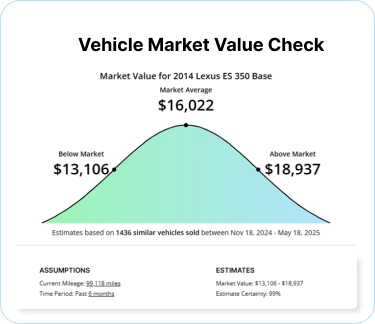
When new in 1998, a Toyota Supra GT (naturally aspirated) typically ranged from around $35,000 to $40,000, while the premium twin-turbo RZ models could command prices upwards of $45,000 to $50,000, depending on options and market. Depreciation for the Supra was moderate in its initial years, but in recent times, it has become a collector's car, leading to a significant appreciation in value. Current used market prices for a 1998 Supra in good to excellent condition, especially the twin-turbo variants, can range from $60,000 to well over $100,000, with exceptionally rare or pristine examples fetching even higher figures. Factors affecting resale value include low mileage, original condition, manual transmission, twin-turbo engine, and documented maintenance history. Any significant modifications, especially those affecting performance, can either increase or decrease value depending on the buyer's preference and the quality of the work.
1998 Toyota Supra Cost of Ownership
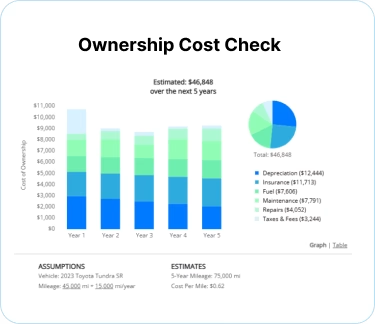
Owning a 1998 Toyota Supra is generally considered costly rather than economical. Insurance premiums can be high due to its performance nature and collectible status. Fuel economy, particularly for the twin-turbo models driven spiritedly, is modest, requiring frequent fill-ups. Maintenance requires diligence; while the engine is robust, specialized knowledge for turbo systems and performance components means mechanic labor can be expensive. Repair costs for specialized parts, especially for turbo models, can also be significant. While long-term reliability is good, the initial purchase price and ongoing expenses position the Supra as a passion project for enthusiasts who prioritize performance and legacy over budget-friendliness.

1998 Toyota Supra Fuel Efficiency
Fuel Type
-
Fuel Capacity
-
City Mileage
-
Highway Mileage
-
1998 Toyota Supra Insurance
Insurance for a 1998 Toyota Supra is moderately priced, reflecting its status as a Vehicle with strong safety ratings and
reasonable repair costs.

How Does the 1998 Toyota Supra Compare to Other Vehicle?
The 1998 Toyota Supra competed in a segment populated by other high-performance sports cars and grand tourers. Key rivals included the Nissan 300ZX Twin Turbo, Mazda RX-7 (FD), Porsche 911 (996 generation at the time), and Chevrolet Corvette (C5).
Performance: The Supra's twin-turbo 2JZ-GTE engine was a performance powerhouse, offering neck-snapping acceleration that often rivaled or surpassed many European exotics of its era. The Nissan 300ZX Twin Turbo offered comparable acceleration, while the Mazda RX-7, with its rotary engine, provided a unique and high-revving performance experience but was often less reliable. The Corvette C5 offered strong V8 performance and a more accessible price point, while the Porsche 911 provided refined handling and a premium badge, though often at a significantly higher cost.
Features: In terms of features, the Supra offered a driver-focused cockpit with decent amenities for its time, including power accessories and available premium audio. The 300ZX also boasted a feature-rich interior. The RX-7 was more minimalist, focusing on driving purity. The Corvette offered a good blend of performance and amenities, while the 911 was typically the most luxurious and technologically advanced.
Reliability: Toyota's reputation for reliability significantly boosted the Supra's appeal over rivals like the Mazda RX-7, which was known for its complex rotary engine maintenance and potential for premature failure. The Nissan 300ZX was also generally reliable but could be costly to maintain. The Chevrolet Corvette had its own set of reliability concerns, while the Porsche 911, though well-engineered, was inherently more expensive to repair and maintain. The Supra stood out as a remarkably reliable performance car.
Price: At launch, the Supra was competitively priced against its Japanese rivals but was generally more affordable than the European contenders like the Porsche 911. The Corvette C5 was often the most budget-friendly performance option. Today, however, the Supra's rarity and iconic status have driven its used prices to levels that often exceed those of comparable, and sometimes even superior, performance cars from its era.
Alternatives: If seeking similar performance with perhaps better availability or a different driving character, one might consider a later model Nissan 300ZX Twin Turbo, a Chevrolet Corvette C5, or even a lower-spec Porsche 911 (996) if budget allows for higher maintenance. For those prioritizing ultimate reliability and a more modern driving experience within a similar performance bracket, a late model Nissan Z car or certain generations of the BMW M series could also be considered, though they deviate from the Supra's specific niche.
Performance: The Supra's twin-turbo 2JZ-GTE engine was a performance powerhouse, offering neck-snapping acceleration that often rivaled or surpassed many European exotics of its era. The Nissan 300ZX Twin Turbo offered comparable acceleration, while the Mazda RX-7, with its rotary engine, provided a unique and high-revving performance experience but was often less reliable. The Corvette C5 offered strong V8 performance and a more accessible price point, while the Porsche 911 provided refined handling and a premium badge, though often at a significantly higher cost.
Features: In terms of features, the Supra offered a driver-focused cockpit with decent amenities for its time, including power accessories and available premium audio. The 300ZX also boasted a feature-rich interior. The RX-7 was more minimalist, focusing on driving purity. The Corvette offered a good blend of performance and amenities, while the 911 was typically the most luxurious and technologically advanced.
Reliability: Toyota's reputation for reliability significantly boosted the Supra's appeal over rivals like the Mazda RX-7, which was known for its complex rotary engine maintenance and potential for premature failure. The Nissan 300ZX was also generally reliable but could be costly to maintain. The Chevrolet Corvette had its own set of reliability concerns, while the Porsche 911, though well-engineered, was inherently more expensive to repair and maintain. The Supra stood out as a remarkably reliable performance car.
Price: At launch, the Supra was competitively priced against its Japanese rivals but was generally more affordable than the European contenders like the Porsche 911. The Corvette C5 was often the most budget-friendly performance option. Today, however, the Supra's rarity and iconic status have driven its used prices to levels that often exceed those of comparable, and sometimes even superior, performance cars from its era.
Alternatives: If seeking similar performance with perhaps better availability or a different driving character, one might consider a later model Nissan 300ZX Twin Turbo, a Chevrolet Corvette C5, or even a lower-spec Porsche 911 (996) if budget allows for higher maintenance. For those prioritizing ultimate reliability and a more modern driving experience within a similar performance bracket, a late model Nissan Z car or certain generations of the BMW M series could also be considered, though they deviate from the Supra's specific niche.
Final Verdict: Is the 1998 Toyota Supra a Good Vehicle?
The 1998 Toyota Supra is ideal for dedicated automotive enthusiasts and collectors who appreciate iconic JDM performance, legendary engineering, and a car with significant cultural cachet. It's worth buying for those who prioritize a thrilling driving experience, immense tuning potential, and a vehicle that is appreciating in value. However, it is not an economical daily driver.
Buying is most advisable in the used market, specifically seeking well-maintained, preferably stock or tastefully modified twin-turbo models with a manual transmission. Thorough pre-purchase inspection by a Supra specialist is essential. Owners should be prepared for higher insurance, fuel, and maintenance costs. For those who can afford it and understand its demands, the 1998 Supra remains an unparalleled icon, offering an exhilarating connection to the road and a piece of automotive history.