by VIN, Year, Make, Model by License Plate

2004 Kenworth T800 Overview, Reviews, Ratings & Specs

Rating: 0.00
Based on 0 Owner Reviews
Drew B | February 26, 2026
The 2004 Kenworth T800 is a rugged and versatile Class 8 conventional truck renowned for its durability and adaptability. Introduced in the late 1980s, it has seen continuous evolution through various model years, with the T800 series consistently offering robust performance. Popular trims include the T800, T800B, and T800H, catering to diverse vocational needs. Its popularity stems from its legendary build quality, powerful engine options, and customizable configurations, making it a workhorse for demanding applications. New pricing for comparable models would range significantly, but used 2004 models typically fall between $30,000 and $70,000 depending on condition and specifications.


The Good

The 2004 Kenworth T800 offers exceptional performance and unwavering reliability, built for the long haul. Its robust design and comfortable cabin provide a practical and appealing environment for drivers, ensuring a strong return on investment through its enduring value and efficiency.

The Bad

Owners should be aware of potential issues with older electrical components and aging suspension systems. Regular maintenance is crucial, as neglect can lead to more significant and costly repairs, particularly concerning the powertrain and exhaust systems.

2004 Kenworth T800: Quick Overview

  • Engine Options: The 2004 Kenworth T800 was typically equipped with powerful Caterpillar (CAT) or Cummins diesel engines. Common options included the Caterpillar C15, C13, and various Cummins ISX and ISM series engines. These were designed for heavy-duty applications, offering substantial torque and longevity.
  • Horsepower: Horsepower ratings varied widely depending on the specific engine and configuration chosen. For the CAT C15, horsepower could range from approximately 435 hp to over 550 hp. Cummins engines offered similar or even higher power outputs, often starting around 400 hp and reaching up to 600 hp or more in specialized applications.
  • Fuel Economy: Fuel economy for a Class 8 truck like the T800 is heavily influenced by factors such as load, terrain, driving style, and engine choice. Under optimal conditions, a well-maintained T800 might achieve between 5 to 8 miles per gallon (MPG). However, this figure can drop significantly under heavy loads or in challenging operational environments.
  • 0-60 Times: 0-60 mph times are not a primary metric for heavy-duty trucks, as their design prioritizes pulling power and sustained speed over acceleration. When fully loaded, acceleration would be very gradual, taking well over 30 seconds, if achievable at all in some scenarios.
  • Towing Capacity: The towing capacity of the 2004 Kenworth T800 is immense, designed for heavy hauling. Depending on the axle configuration, frame reinforcement, and engine power, these trucks can handle Gross Combination Weights (GCW) of up to 80,000 pounds (36,287 kg) or significantly more in specialized heavy haul configurations, often exceeding 100,000 pounds (45,359 kg).
  • Trim-Level Features: While Kenworth T800s are primarily work vehicles, specific trims and optional packages offered varying levels of comfort and functionality. Key features could include different cab sizes (e.g., day cab, extended cab, full sleeper cabs), advanced climate control systems, comfortable driver seats with air suspension, improved insulation for noise reduction, and optional amenities like refrigerators or auxiliary heaters in sleeper cabs. Many trucks were also heavily customized by their owners to suit specific operational needs, including custom fifth wheels, auxiliary fuel tanks, and specialized chassis configurations.

2004 Kenworth T800 Specifications

Vehicle Information
Year 2004
Make Kenworth
Model T800
Trim -
Style -
Type Truck
Category Heavy Truck
Manufacturing Details
Made In Mexico
Manufacturing City RENTON
Dimensions
Doors -
Curb Weight -
Gross Vehicle Weight Rating 330001 pounds
Overall Height -
Overall Length -
Overall Width -
Wheelbase Length -
Standard Seating -
Engine & Performance
Engine 14.9L I6
Engine Size 14.9L
Engine Cylinders 6
Transmission -
Transmission Type -
Transmission Speeds -
Drivetrain 6x4
Additional Features
Anti-Brake System -
Steering Type -
Pricing
Manufacturer Suggested Retail Price (MSRP) -
Invoice Price -
Delivery Charges -

Vehicle History Report

Vehicle
Specifications
Ownership
History
All History
Events
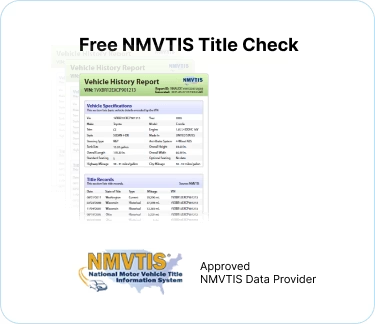
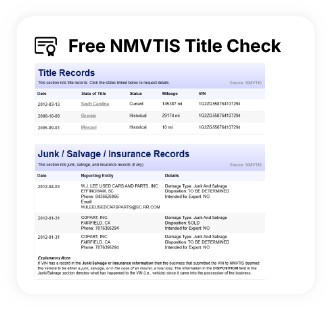
NMVTIS Title
History Check
Salvage/Rebuilt
Check
Accident
Check
Theft
Check
Open Lien
Check
Past Sale
Listings
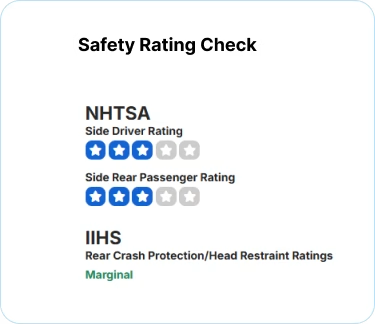
Safety
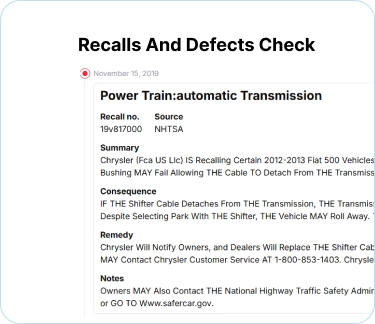
Recalls
Odometer
Check
Market Price
Analysis

What Problems Does the 2004 Kenworth T800 Have?

The 2004 Kenworth T800 is generally regarded as a highly reliable and durable truck, a testament to Kenworth's engineering. However, like any vehicle, especially one operating in demanding conditions, certain issues can arise over time. A common area for concern in trucks of this vintage can be the electrical system. Over years of use, wiring harnesses can degrade, connectors can corrode, and sensors may fail, leading to intermittent faults or dashboard warning lights. This is not necessarily a widespread issue tied to a specific model year but rather a consequence of age and environmental exposure.

Another area that often requires attention on older heavy-duty trucks is the suspension and chassis components. Bushings can wear out, leaf springs can fatigue, and shock absorbers can lose their effectiveness, leading to a rougher ride or alignment issues. Regular inspections and maintenance are key to mitigating these problems.

The powerful diesel engines, while robust, can also present potential issues if not properly maintained. Overheating, turbocharger problems, and fuel system issues are not uncommon in older engines that have accumulated high mileage. Regular oil changes, coolant flushes, and filter replacements are critical.

Regarding recalls, specific recall information for a 2004 model year would need to be checked against the National Highway Traffic Safety Administration (NHTSA) database using the truck's Vehicle Identification Number (VIN). However, general concerns for trucks from this era might include potential issues with braking systems or exhaust gas recirculation (EGR) systems, depending on the engine manufacturer and specific build.

Long-term reliability is largely dependent on the owner's maintenance regimen. Trucks that have been regularly serviced by qualified technicians, with proactive replacements of wear items, tend to have far fewer significant problems. Conversely, those that have been neglected or subjected to extreme abuse without proper care are more likely to experience costly breakdowns. The inherent design of the T800 is such that its core components are built for longevity, making it a sound investment when properly cared for.

How long will the 2004 Kenworth T800 last?

A 2004 Kenworth T800, with proper and consistent maintenance, can realistically accumulate between 750,000 to 1.5 million miles or more over its service life. These trucks are built with durability as a primary design objective, often seeing service for 15 to 20 years or longer. Their robust chassis, powerful engines designed for high mileage, and strong drivetrains contribute significantly to their longevity.

Long-term durability is a hallmark of the T800 series. Weaknesses, when they appear over time, are usually related to the cumulative effects of wear and tear on components such as suspension bushings, brake systems, and electrical connectors, particularly in harsh operating environments. However, these are generally considered standard maintenance items for a truck of this age and type rather than fundamental design flaws. Engines and transmissions, if properly maintained, can often be rebuilt rather than replaced, further extending the vehicle's useful life. The key to maximizing its lifespan lies in diligent preventative maintenance and addressing minor issues before they escalate.

What Technology & Safety Features are Included?

The 2004 Kenworth T800, as a vocational truck primarily designed for heavy-duty work, typically emphasizes functionality and driver utility over cutting-edge technology and advanced driver-assistance systems. Built-in tech in this era was generally basic, focusing on essential operational information. Standard features would likely include analog or basic digital gauges for engine monitoring (speedometer, tachometer, oil pressure, coolant temperature, fuel level), turn signals, headlights, and hazard lights. Entertainment options were often limited to an aftermarket radio or cassette player, with some models perhaps offering a basic CB radio.

Driver-assistance features as we know them today were largely absent. There were no lane departure warnings, adaptive cruise control, or automatic emergency braking systems. The focus was on providing the driver with clear visibility and robust mechanical controls. Safety features were primarily passive and structural: a strong frame, reinforced cab structure, hydraulic power steering, and robust braking systems (typically air brakes with ABS as a standard or optional feature depending on the specific configuration and regulations of the time). Seatbelts were standard.

Optional features could have included upgraded instrumentation, air conditioning, power windows (on higher-end trims or as an option), and more comfortable seating. Sleeper cabs would offer amenities like auxiliary power outlets, reading lights, and basic storage.

Crash-test ratings for heavy-duty commercial trucks like the Kenworth T800 are not typically assessed or published in the same way as passenger vehicles by organizations like the NHTSA or IIHS. The design philosophy for these trucks prioritizes occupant protection through structural integrity and driver awareness rather than relying on crumple zones or complex electronic safety nets common in cars. Their sheer size and mass inherently offer a significant level of protection in many collision scenarios.

What Colors Options are Available?

We’re working on this section!
In the meantime, feel free to explore the other sections for more content.

2004 Kenworth T800 Prices and Market Value

New pricing for a 2004 Kenworth T800 would have varied significantly based on configuration, engine, transmission, and options, but would have typically ranged from approximately $80,000 to well over $150,000. The current used market for a 2004 Kenworth T800 generally falls between $30,000 and $70,000, with prices heavily dictated by mileage, overall condition, maintenance history, engine type, and any specialized equipment installed.

These trucks exhibit a slower depreciation curve compared to light-duty vehicles due to their robust construction and extended lifespan. Factors affecting resale value include brand reputation (Kenworth consistently holds strong resale), engine and transmission health, tire condition, frame integrity, and the presence of desirable options like a spacious sleeper or powerful engine. Trucks that have been meticulously maintained and have complete service records will command higher prices. Conversely, high mileage and signs of wear or neglect will significantly reduce their market value.

2004 Kenworth T800 Cost of Ownership

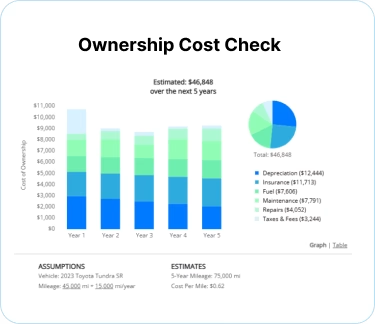
Owning a 2004 Kenworth T800 involves significant operating costs. Insurance premiums will be substantial, reflecting the vehicle's value and risk profile. Fuel costs are a major factor, with MPG typically between 5-8, meaning substantial expenditure on diesel. Maintenance is crucial for longevity and can be costly, with regular services, tire replacements, and potential repairs for wear items. Repair costs for major components like engines or transmissions can be high, but often manageable with rebuilding. Overall, while the initial purchase price might be lower on the used market, the 2004 Kenworth T800 is a costly vehicle to own and operate, best suited for commercial applications where its productivity justifies the expense.

2004 Kenworth T800 Fuel Efficiency

Fuel Type Diesel
Fuel Capacity -
City Mileage -
Highway Mileage -

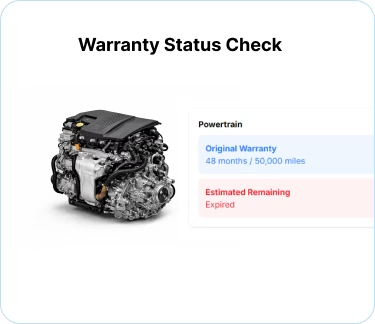
2004 Kenworth T800 Warranty

Basic
Original warranty 0 months / No data
Estimated remaining Expired
Powertrain
Original warranty 0 months / No data
Estimated remaining Expired
Rust
Original warranty 0 months / No data
Estimated remaining Expired

2004 Kenworth T800 Insurance

Insurance for a 2004 Kenworth T800 is moderately priced, reflecting its status as a Truck with strong safety ratings and
reasonable repair costs.

How Does the 2004 Kenworth T800 Compare to Other Truck?

The 2004 Kenworth T800 competes in the heavy-duty conventional truck segment against formidable rivals such as Peterbilt (models like the 379), Freightliner (e.g., the Columbia or Coronado), and Volvo (e.g., the VN series). In terms of performance, the T800 typically offered robust engine options from Cummins and Caterpillar, providing comparable or superior horsepower and torque to many competitors. Its chassis and suspension were renowned for their durability and load-carrying capabilities, making it a strong contender for demanding vocational applications.

Features on a 2004 T800 would be functional and driver-focused, reflecting the era. While competitors might have offered slightly more refined interiors or a marginally more aerodynamic design (like the Freightliner Columbia), the Kenworth T800 excelled in its core mission: building a tough, reliable work truck. Its reputation for reliability is a significant advantage; Kenworths are often perceived as having superior build quality and longevity compared to some rivals, especially when maintained.

Price-wise, the T800 was often positioned at the premium end of the market when new, reflecting its quality and durability. On the used market, its strong resale value means it can still command a decent price, potentially higher than similarly aged trucks from less prestigious brands.

Similar Alternatives:
* Peterbilt 379: Often considered a direct competitor, the 379 shares a similar reputation for build quality and driver comfort, with a strong emphasis on aesthetics and classic styling. Performance and reliability are generally on par.
* Freightliner Columbia/Coronado: These models offered a blend of aerodynamic design and robust construction, sometimes at a slightly more competitive price point. They might offer more modern interior designs for the era.

Potentially Better Alternatives (depending on specific needs):
* For ultimate luxury and advanced features (for the time), a higher-spec Volvo VN might be considered, though often at a premium.
* If raw utilitarian power and ruggedness are the absolute priority and advanced features are secondary, the T800 remains a top choice. However, newer models (post-2007 emissions) might offer improved fuel efficiency and emissions compliance, albeit at a higher cost. For a 2004 model, the T800 is an excellent, reliable option if well-maintained.

Final Verdict: Is the 2004 Kenworth T800 a Good Truck?

The 2004 Kenworth T800 is ideal for owner-operators, fleet managers, and businesses requiring a highly durable, reliable, and versatile heavy-duty truck for demanding vocational applications such as construction, logging, heavy hauling, or specialized transport. It is absolutely worth buying, particularly on the used market, provided it has been meticulously maintained.

Buying a used 2004 T800 is a strong proposition for those prioritizing long-term value and proven performance over the latest technology. It's crucial to thoroughly inspect any prospective purchase, paying close attention to engine and transmission health, frame integrity, and maintenance records. Day cab configurations are generally more affordable and suited for local or regional work, while sleeper cabs offer convenience for over-the-road operations. Given its age, expect ongoing maintenance costs, but the fundamental build quality ensures a capable workhorse for many more years if properly cared for.

2004 Kenworth T800 Owner Reviews

0.00
Consumer Rating, Based on 0 Consumer Reviews
Overall rating
Cancel
Thank You for Your Review!

We truly appreciate the time and effort you took to share your experience with us.

Uh oh!

Something went wrong, please try again later.

Author Image
Drew B

Drew is a seasoned automotive expert and contributor to VinCheck.info. With nearly 15 years of experience as a former Porsche technician, he brings a wealth of hands-on knowledge to his writing. Born in North Carolina, a region renowned for its deep-rooted NASCAR culture, Drew developed a passion for cars early in life, often building and working on vehicles from a young age. At VINCheck, Drew leverages his extensive technical background to provide in-depth analyses of various vehicles. His articles often focus on engine performance, reliability, and maintenance insights, offering readers practical information grounded in real-world experience. Some of his notable contributions include reviews on the Mazda CX-5's longevity and detailed examinations of engine options for models like the 2011 Toyota Camry and Tacoma